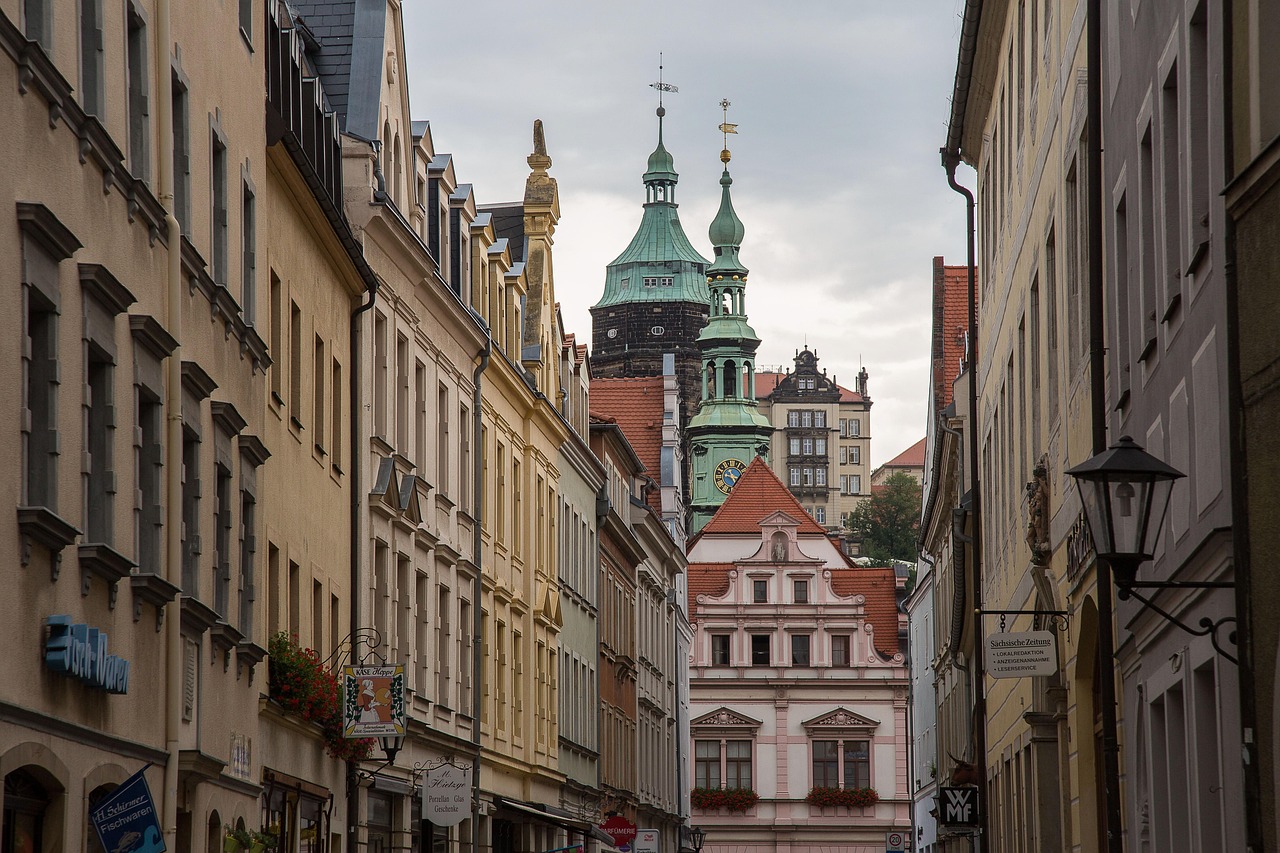
Why Visit Pirna?
When travelers think of Saxony, they usually think of Dresden’s baroque splendor or the jagged sandstone cliffs of Saxon Switzerland. Pirna quietly sits between the two, right on the Elbe River, and somehow manages to combine the best of both worlds: a medieval old town that feels lived-in rather than curated, and access to some of Germany’s most dramatic landscapes within minutes.
I’ve been coming to Pirna regularly for over a decade—sometimes for hiking weekends, sometimes for slow winter escapes where days revolve around coffee, river walks, and watching the town’s pastel townhouses change color with the light. In 2026, Pirna is still blissfully under the radar for international visitors, which means uncrowded streets, fair prices, and a chance to actually chat with locals at your favorite café.
What makes Pirna special is its scale. It’s small enough to walk end-to-end in 20 minutes, yet rich enough in history, art, and nature that you can easily spend 3–5 days here without feeling like you’ve “done it all.” It’s perfect for couples looking for a romantic base, families wanting safe and manageable streets, and hikers or climbers using Pirna as a gateway to Saxon Switzerland National Park.
If you’re planning a 3 day itinerary for Pirna, 4 days in Pirna, or even a 5 day itinerary for Pirna, this guide will walk you through everything: must-see attractions, local food in Pirna, cultural experiences in Pirna, hidden gems, and deeply practical travel advice for Pirna that I’ve learned the hard way (like which bakery always sells out first, and exactly how late the last boat back from Kurort Rathen really is).
Table of Contents
- Why Visit Pirna?
- Overview of Pirna in 2026
- Neighborhoods & Areas to Explore
- Top 20+ Must-See Attractions in Pirna
- 3, 4 & 5 Day Itineraries for Pirna
- Local Food & Drink in Pirna
- Nightlife, Entertainment & Cultural Experiences
- Day Trips & Nearby Excursions
- Local Customs & Cultural Etiquette
- Practical Travel Tips for Pirna
- Best Time to Visit & Final Takeaways
Overview of Pirna in 2026
Pirna is a riverside town of around 40,000 people, located about 20 km southeast of Dresden in the state of Saxony. It’s often called the “Gateway to Saxon Switzerland” because the dramatic sandstone formations of the Elbe valley begin just upstream from here.
In 2026, Pirna feels especially lively, with several restoration projects completed after years of careful work. The Marktplatz façades look cleaner than I’ve ever seen them, and the riverside promenades have new benches and viewpoints. Tourism infrastructure is solid but not overwhelming: you’ll find enough hotels, guesthouses, cafés, and bike rentals to be comfortable, but you won’t feel like the town exists only for visitors.
Major Events in Pirna (2026–2027)
- Pirnaer Stadtfest (Pirna Town Festival) – Usually in June. A weekend of live music, local food stalls, and open-air performances spread through the old town. It’s the most atmospheric time to be here, but also the busiest.
- Canaletto-Festspiele & Art Events – Various exhibitions and open-air concerts referencing Pirna’s connection to the painter Canaletto (Bernardo Bellotto), who famously painted the town in the 18th century.
- Wine & Culinary Events – Autumn 2026 and 2027 see small but cozy wine festivals, with regional wines from Saxony and neighboring regions.
- Advent & Christmas Markets – From late November to just before Christmas, Pirna’s Christmas market transforms the old town with lights, mulled wine, and local crafts. Smaller than Dresden but far more intimate.
Neighborhoods & Areas to Explore in Pirna
Altstadt (Old Town)
This is where you’ll spend most of your time: cobbled lanes, pastel gabled houses, Baroque facades, and hidden courtyards. The Altstadt stretches from the river up towards Sonnenstein Castle, with the Marktplatz at its heart. I always recommend staying here if it’s your first time—most must-see attractions in Pirna are within a few minutes’ walk.
Elbe Riverside & Promenade
Running parallel to the old town, the Elbe riverbanks are where locals walk dogs, jog, and watch summer sunsets. There are bike paths leading towards Dresden in one direction and Saxon Switzerland in the other, as well as seasonal boat departures. Early morning along the river, with mist hanging above the water and the church towers emerging from the haze, is my favorite time of day here.
Sonnenstein & Schlossberg
Above the old town rises the hill of Sonnenstein, crowned by the castle complex. The streets get steeper here, but the views are worth every step. This area mixes historical architecture, quiet residential streets, and a few unexpectedly modern buildings from the 20th century. It’s quieter than the core Altstadt and offers some of the best panoramas over Pirna and the Elbe valley.
Copitz (Across the River)
Cross the bridge over the Elbe, and you’re in Copitz, a mostly residential district with parks and sports fields. Many visitors neglect it, but if you want that classic postcard view of Pirna’s skyline, this is where you’ll get it. I usually grab an ice cream in town and wander over in the late afternoon for photos.
Suburban & Industrial Edges
On the outskirts you’ll find shopping centers, industrial heritage sites, and some modern housing. While not “beautiful” in the traditional sense, these areas show how Pirna has evolved, especially in the post-reunification era. They’re also where you’ll find the largest supermarkets and hardware stores—useful if you’re self-catering or on a long trip.
Top 20+ Must-See Attractions in Pirna
Below are the best places to visit in Pirna, mixing iconic highlights with genuine hidden gems. I’ll share not only history and significance, but also what it’s like to actually be there—where to stand for the best photo, where to find a quiet bench, and how to dodge the occasional tour group.
1. Marktplatz & Historic Town Hall
If Pirna has a living room, it’s the Marktplatz. The square is a medley of pastel façades, stepped gables, and arcades, anchored by the Renaissance town hall with its ornate clock tower. I’ve lost count of how many evenings I’ve spent here, sipping wine under the umbrellas and watching locals cycle through.
History & Significance: The town hall dates back to the 15th century but has been rebuilt and embellished over time. Many of the houses around the square are centuries old, some bearing painted décor or sgraffito details. This square is visible in Canaletto’s famous view of Pirna, and standing here, you can match real-life rooftops to his painting.
What I usually do: I like to arrive around 9–10 am, when the light hits the façades and cafés are just opening. It’s the perfect time for a slow breakfast and people-watching. On market days (usually Wednesdays and Saturdays), local producers set up stalls with seasonal fruit, cheese, sausages, and honey. I’ve assembled many impromptu picnics here before heading to the river.
Tips for visitors:
- Check for seasonal markets and festivals—during Stadtfest or Advent, the square is especially atmospheric.
- Walk all the way around the perimeter and look up at the façades; many have small details you’ll miss at eye level.
- Prices in the square are slightly higher than a few streets away; for budget travelers, have coffee here and dinner elsewhere.
How to get there: From the train station, it’s a straightforward 10–15-minute walk following signs to “Altstadt” and “Marktplatz.” All Altstadt buses stop nearby.
2. St. Marienkirche (Church of St. Mary)
St. Marienkirche is the gothic heart of Pirna, its tower rising above the rooftops in almost every photo of the old town. Inside, it’s surprisingly bright and serene, with slender pillars and a high vaulted ceiling that feels both grand and human-scaled.
History & Significance: The church’s origins date back to the 13th century, with later Gothic and Renaissance additions. It has weathered war, Reformation, and GDR-era neglect, and now stands beautifully restored. The church is also a venue for organ concerts and choral performances; I once stumbled into a rehearsal that left me sitting in a pew for an hour, completely transfixed.
What I usually do: I like to visit in the late afternoon, when the light slants through the windows and paints the interior in soft colors. I usually sit quietly for a few minutes just to absorb the stillness, then walk slowly around the nave, looking at the details in the stonework and the organ pipes.
Tips for visitors:
- Check the noticeboard for upcoming concerts—many are free or ask for a small donation.
- Dress modestly and keep voices low; this is an active parish church.
- Consider leaving a small donation if you spend time inside; it helps with ongoing restoration and maintenance.
How to get there: The church is a short uphill walk from the Marktplatz; just follow the tower as your landmark.
3. Schloss Sonnenstein & Viewpoints
Perched on the hill above Pirna, Schloss Sonnenstein offers one of the best views over the town and the Elbe river. It’s a place where beautiful vistas and heavy history coexist in a way that’s quietly moving.
History & Significance: The castle dates back to the medieval period but is best known for its later roles: as an early psychiatric institution in the 19th century and, tragically, as part of the Nazi “Aktion T4” euthanasia program during World War II. Today, parts of the complex house administrative offices and memorial spaces, and the terraces are open to the public.
My experience: Every trip to Pirna, I walk up to Sonnenstein at least once. The climb starts with narrow lanes, then stairways, then suddenly you’re above the rooftops, with the Elbe valley spread below. I usually bring a thermos of coffee and sit on the wall, tracing the curve of the river with my eyes and planning hikes into Saxon Switzerland.
Tips for visitors:
- Wear comfortable shoes; the walk up involves stairs and cobblestones.
- Take time to visit the memorial exhibits if they’re open during your visit; they’re sobering but important.
- Sunset is magical here. If the weather is clear, you’ll see the sandstone hills in the distance glow orange.
How to get there: From the Marktplatz, follow signs to “Schloss Sonnenstein.” It’s about 10–15 minutes on foot, uphill.
4. Canalettohaus & Canaletto Viewpoint
Bernardo Bellotto, known as Canaletto, immortalized Pirna in his 18th-century paintings. Standing at the Canaletto viewpoint, you can line up the real-world skyline with his work and see just how little the town’s silhouette has changed.
History & Significance: Canaletto painted several views of Pirna while working for the Saxon court in Dresden. His detailed cityscapes are not only works of art but valuable historical documents. The Canalettohaus is associated with his presence here, and the viewpoint nearby offers a framed “live painting” of the town.
My experience: The first time I came here, I brought a printout of his painting on my phone and tried to match every roofline and tower. It felt like time travel. Since then, it’s become my go-to spot to bring friends on their first trip to Pirna.
Tips:
- Visit on a clear day for best visibility; morning light is often ideal.
- Bring a reproduction of the painting on your phone and play “spot the difference.” It’s a fun activity with kids.
- If you’re into photography, this is one of the best angles for a classic Pirna skyline shot.
5. Elbe Promenade & Riverfront
The Elbe promenade is where Pirna breathes. Joggers, cyclists, parents with strollers, teenagers with Bluetooth speakers, retirees on benches—it’s a cross-section of town life, framed by the river on one side and the church towers on the other.
What I like to do: I’ll often start or end my day with a walk here. In summer, I rent a bike and follow the well-marked Elbe cycle path to nearby villages. In winter, I bring a hot drink and walk until my fingers get cold, then duck back into the old town for soup.
Tips:
- The promenade is flat and stroller-friendly—great for families.
- Look for benches facing the old town across the river; they’re perfect for taking in the skyline.
- In summer, consider a short boat trip from Pirna to Wehlen or Rathen for a relaxed introduction to the Elbe valley.
6. Stadtkirche & Historic Courtyards
Beyond the obvious landmarks, some of Pirna’s charm lies in small courtyards and back lanes: archways leading into quiet squares, ivy-covered walls, and old stone staircases. Exploring them feels like eavesdropping on history.
My experience: I discovered my favorite courtyard by accident, cutting through what looked like a private passage and emerging into a tiny square with a chestnut tree and three mismatched benches. Now it’s where I go when I need a moment of complete quiet in the middle of town.
Tip: Don’t be afraid to step through open archways that look semi-public; many lead to shared courtyards open during the day. Just be respectful—keep noise down and avoid peeking into windows.
7. Pirnaer Sandsteinmuseum (Sandstone Museum)
Pirna’s history is literally carved in stone. The Sandsteinmuseum explains the story of the region’s famous sandstone—how it formed, how it’s been quarried, and how it ended up in buildings as far away as Dresden and beyond.
Why it matters: If you plan to hike in Saxon Switzerland, this is a great primer. It helped me see the cliffs and rock formations not just as pretty landscapes, but as the product of millions of years of geological processes and centuries of human labor.
Good for: Families (lots of tactile exhibits), geology nerds, anyone interested in architecture and building materials.
8. Stadtmuseum Pirna (City Museum)
Housed in a historic building, the Stadtmuseum tells Pirna’s story—from medieval trading hub to industrial town, from GDR years to reunification. It’s compact but surprisingly rich, and I always recommend it if the weather turns rainy.
My experience: On a cold November afternoon, I spent nearly two hours here, moving slowly through the exhibits while an older volunteer told me anecdotes about life in Pirna before and after 1989. It gave me a deeper appreciation for the calm I feel in the streets today.
9. Elberadweg (Elbe Cycle Path Segment)
The Elberadweg is one of Europe’s great long-distance cycling routes, and Pirna sits right along it. Even if you’re not a hardcore cyclist, renting a bike for a day and riding a short segment is one of the best things to do in Pirna.
My favorite ride: Pirna to Wehlen or Rathen and back. The path is mostly flat, well-marked, and hugs the river with constant views of cliffs and villages.
Tip: Start early in summer to avoid midday heat and bring water; while there are beer gardens along the way, distances between them can be longer than they look on the map.
10. Remnants of the City Walls & Gates
Scattered remains of Pirna’s medieval fortifications still peek out between modern buildings: a tower here, a stretch of wall there. They’re easy to miss if you’re not looking, but once you start spotting them, you get a sense of how compact and defensible the medieval town once was.
Tip: Join a guided walking tour if you’re a history buff; local guides are excellent at pointing out details you’d otherwise ignore.
11. Elbhohenweg & Nearby View Trails
Just above the town and river, paths like the Elbhohenweg offer gentle hiking with rewarding views. These are ideal if you want a taste of the landscape without committing to a full-day hike in Saxon Switzerland.
My experience: On a spring afternoon, I followed a local friend along one of these balcony-like trails, watching barges slide along the river below while he pointed out village names and distant rock formations. It felt like floating above a model train set.
12. Local Breweries & Beer Gardens
Pirna has a small but proud beer culture. You’ll find local brews in traditional pubs and seasonal beer gardens, especially along the river and in hidden courtyards.
Tip: Ask for regional Saxon beers on tap rather than sticking to big national brands; you’ll usually be rewarded with something more characterful.
13. Marktstraße & Shopping Lanes
The streets radiating from the Marktplatz—especially Marktstraße—are lined with small boutiques, bakeries, and specialty shops. If you like slow browsing rather than mall blitzes, this is your terrain.
My habit: I gravitate towards bookstores and local craft shops. Over the years I’ve picked up hand-thrown pottery, regional cookbooks, and a watercolor print of the Pirna skyline that’s now framed above my desk.
14. Historic Pirnaer Höfe (Courtyard Houses)
Some of Pirna’s grander houses hide inner courtyards with arcades and galleries—remnants of merchant wealth. A few are accessible during the day, and some house cafés or galleries.
Tip: Look for signs like “Hof” or “Durchgang” (passageway). If a courtyard leads to a café, you’re usually welcome to cross it.
15. Town Parks & Playgrounds
Pirna’s small parks—often just stretches of green with benches and flowerbeds—are lifelines on hot summer days. For families, the playgrounds are a blessing; I’ve watched many traveling parents breathe a sigh of relief as their kids burn off energy in safe, well-maintained spaces.
16. Copitz River Meadow & “Beach”
On the Copitz side of the river, grassy meadows and small pebble beaches appear along the Elbe. In summer, locals sunbathe, kids splash at the water’s edge, and the whole area feels like a spontaneous outdoor living room.
Tip: Bring a picnic and a blanket; there aren’t many facilities, so come prepared.
17. Local Theatre & Performance Venues
Pirna’s cultural life includes small theatres and performance spaces hosting plays, cabaret, and music. Most shows are in German, but even if your language skills are limited, attending a performance is a great way to feel the town’s rhythm.
18. Small Art Galleries & Studios
I love ducking into tiny galleries in Pirna, often run by the artists themselves. You’ll find landscapes of the Elbe valley, abstract pieces, and handmade jewelry or ceramics.
Tip: Afternoons are usually best for visits; mornings can be hit-or-miss for opening hours.
19. Weekly Farmers’ Markets
On market days, the squares fill with stalls selling local cheeses, meats, vegetables, flowers, and baked goods. It’s a feast for both eyes and nose, and one of the most authentic cultural experiences in Pirna.
My ritual: Buy fresh rolls, cheese, and fruit, then head to the river for breakfast with a view.
20. Pirna Christmas Market (Advent Season)
If you’re here in late November or December, the Christmas market transforms the old town into a glowing maze of wooden stalls, lights, and the smell of mulled wine. Compared to Dresden’s enormous markets, Pirna’s is positively cozy.
Tip: Try local specialties like “Glühwein” (mulled wine), roasted almonds, and Saxon pastries. Dress warmly; it can get very cold once the sun goes down.
22. Elbe River Boats & Ferries
Seasonal boats connect Pirna with other river towns and scenic spots. Even a short round-trip cruise gives you a different perspective on the skyline and the surrounding cliffs.
Tip: In peak season, check schedules in advance and arrive early; boats can fill up, especially on sunny weekends.
Suggested 3–5 Day Itineraries for Pirna
Whether you have 3 days in Pirna, 4 days in Pirna, or a full 5 days in Pirna, you can build a rich mix of history, food, nature, and downtime. Below are flexible itineraries based on my own visits, which you can adapt to your pace and interests.
3 Day Itinerary for Pirna – Classic Highlights & Saxon Switzerland Taster
Day 1: Getting to Know Pirna’s Heart
I like to start the first of my 3 days in Pirna by slowing down, not speeding up. After dropping bags at my guesthouse in the Altstadt, I head straight to the Marktplatz. By now, I know which café makes my favorite cappuccino, but part of the fun is finding your own.
Morning:
- Breakfast on the Marktplatz. Order a “Frühstücksteller” (breakfast plate) with bread, cheese, cold cuts, jam, and a soft-boiled egg.
- Stroll around the square and nearby streets—Marktstraße, Schmiedestraße, and Dohnaische Straße—just to get oriented.
- Visit St. Marienkirche for a quiet introduction to Pirna’s spiritual and architectural history.
Personal note: On one of my first visits, I spent an hour sketching the town hall from a café table. The waitress refilled my water glass unasked and gave me a slice of cake “to keep you going.” That gentle, almost shy kindness is something I’ve encountered often here.
Afternoon:
- Head to the Stadtmuseum Pirna to dive into local history. It gives context for everything you’ll see afterward.
- Have a simple lunch in a traditional pub—think schnitzel, potato salad, or a hearty soup in winter.
- Wander side streets and courtyards, popping into small galleries and shops.
Evening:
- Walk down to the Elbe promenade for golden hour. Find a bench facing the old town and watch the light change on the façades.
- Dinner in the Altstadt: I like to choose a place with outdoor tables in summer or a wood-paneled interior in winter.
- If you’re not too tired, take a short stroll after dark. Pirna’s old town is beautifully lit at night and feels safe and peaceful.
Day 2: Schloss Sonnenstein & Elbe River Life
On day two of a 3 day itinerary for Pirna, I like to combine elevation—both literal and emotional. Start with the climb to Sonnenstein, then come back down to the river for an easy afternoon.
Morning:
- Walk up to Schloss Sonnenstein via narrow lanes and stairways. Pause often to catch your breath and admire the views opening up behind you.
- Explore the castle terraces and viewpoints, then visit the memorial exhibits if they’re open.
- Bring a snack or coffee; there’s something grounding about eating with the entire town spread out below you.
Afternoon:
- Descend back into town and have lunch—try something light if it’s hot, like a salad or open-faced sandwiches.
- Rent bikes near the river and follow the Elberadweg upstream or downstream for a couple of hours.
- Stop in a riverside beer garden for a drink and maybe a slice of “Kuchen” (cake).
Evening:
- Cross the bridge to Copitz for sunset, when the old town skyline glows in soft light.
- Return to the Altstadt for dinner, perhaps trying a different style—Italian or Mediterranean if you’re craving variety after Saxon classics.
Day 3: Saxon Switzerland Day Trip
No travel guide for Pirna is complete without Saxon Switzerland. On the last of your 3 days in Pirna, dedicate a full day to the sandstone wonderland just upriver. Even if you’re not an experienced hiker, there are routes suitable for almost everyone.
Classic option: Bastei & Rathen
- Take a morning train from Pirna to Kurort Rathen (about 20 minutes), then a short ferry across the Elbe.
- Follow well-marked paths up to the Bastei Bridge, an iconic viewpoint over the Elbe valley and rock formations.
- Have lunch at a mountain inn or pack sandwiches from Pirna.
- Descend via a different route if you can, to vary the views.
Family-friendly variation: Visit the miniature railway or boat lake in Rathen after the hike; kids love it, and adults appreciate the chance to sit down.
Evening: Return to Pirna pleasantly tired, drop your hiking gear, and reward yourself with a relaxed dinner and maybe a nightcap in a quiet bar.
4 Day Itinerary for Pirna – Slower Pace, Deeper Dives
With 4 days in Pirna, you can follow the 3-day plan above and add an extra day to deepen either your cultural experiences in Pirna or your time in nature.
Day 4 Option A: More Culture & Hidden Gems
- Spend your morning at the Sandsteinmuseum, then wander through less-trodden residential streets.
- Visit more galleries and artist studios; ask locals or your host for current recommendations.
- In the afternoon, join a guided town tour focusing on architecture or history.
- Evening: attend a concert or play if there’s one on; otherwise, visit a wine bar and sample regional wines.
Day 4 Option B: Second Nature Day
- Choose a different corner of Saxon Switzerland—perhaps Königstein Fortress or Pfaffenstein.
- Alternatively, stick closer to Pirna and explore balcony trails like the Elbhohenweg.
- Pack a picnic from Pirna’s bakeries and markets.
- Return early evening for a relaxed dinner in town.
5 Day Itinerary for Pirna – Full Immersion
If you have 5 days in Pirna, you can truly settle in. Combine the 4 day itinerary for Pirna with an additional day trip or a pure “slow day” where you let the town set your pace.
Day 5: Choose Your Own Adventure
- Relaxed Town Day: Sleep in, linger over breakfast, read in a park, and drift between cafés and river benches. Sometimes my favorite days are the ones with no major sights at all.
- Dresden Day Trip: Take a quick train to Dresden (around 25 minutes) to see the Frauenkirche, Zwinger, and museums, then retreat to Pirna’s quieter streets for the night.
- Long Hike or Climbing Day: Use Pirna as a base for a more ambitious hike or a day of climbing in Saxon Switzerland, if you’re so inclined.
By the end of 5 days in Pirna, most visitors I’ve brought here start talking about “next time.” That’s usually when I know the town has worked its quiet magic.
Local Food & Drink in Pirna
Food in Pirna leans hearty and comforting, shaped by Saxon traditions and the agricultural richness of the Elbe valley. If you’re used to big-city restaurant scenes, you’ll find Pirna quieter and more traditional, but that’s part of the charm.
What to Eat: Saxon Specialties
- Saxon Potato Dishes: Expect potatoes baked, boiled, mashed, and gratinated—often with bacon and onions.
- Sauerbraten: Marinated roast beef, usually served with red cabbage and dumplings.
- Quarkkeulchen: Little fried patties made from potatoes and quark (fresh cheese), slightly sweet and often dusted with sugar—great as dessert or a snack.
- Saxon Cakes & Pastries: Look for “Eierschecke” (layered cake with quark and custard) and fruit cakes with seasonal berries or plums.
- Game Dishes: In autumn, many menus feature venison or wild boar, reflecting the forested surroundings.
Where to Eat: Personal Favorites
I won’t name specific businesses since ownerships can change, but here’s how I navigate eating and drinking in Pirna:
- Breakfast: I usually choose a bakery with locals lining up—that’s a good sign. Order fresh bread rolls, pretzels, or sweet pastries and a coffee.
- Lunch: For budget-friendly meals, I look for daily specials (“Tagesgericht”) chalked on boards; they’re often generous and under 10–12 EUR.
- Dinner: Traditional taverns in the Altstadt are my go-to for classic Saxon dishes. In summer, I prefer places with small terraces or courtyards.
- Cafés: Pirna’s café culture is strong—don’t miss an afternoon slice of cake. I usually schedule my walking so that I “accidentally” pass my favorite café around 3–4 pm.
Drinks to Try
- Local Beer: Regional Saxon lagers and wheat beers are crisp and easy-drinking.
- Wine: The Elbe valley is a small but growing wine region; try local whites and rosés when available.
- Non-Alcoholic: “Apfelschorle” (sparkling apple juice) is my daytime drink of choice, especially after hikes.
Saving Money on Food
- Eat your main meal at lunchtime when daily specials are cheaper.
- Use supermarkets and bakeries for picnic supplies; the Elbe riverfront is your dining room.
- Tap water is safe to drink; carry a refillable bottle.
Nightlife, Entertainment & Cultural Experiences in Pirna
Pirna isn’t a party town, and that’s part of its appeal. Nights here are about lingering over dinner, concerts in churches or small halls, and quiet drinks in intimate bars.
Evening & Nightlife Options
- Wine Bars & Pubs: You’ll find a handful of cozy places where locals gather. They’re perfect for a glass of wine or beer and conversation.
- Cafés Open Late: Some cafés stay open into the evening, ideal for those who prefer coffee and cake to alcohol.
- Seasonal Beer Gardens: In summer, riverside and courtyard beer gardens are lively but still relaxed.
Cultural Experiences
- Church Concerts: Organ and choral concerts in St. Marienkirche are often sublime.
- Local Theatre: Plays, cabaret, and readings in intimate venues—most in German but still enjoyable.
- Festivals & Markets: Stadtfest, wine festivals, and Christmas markets add fireworks, live bands, and special events to the calendar.
Family-Friendly Evenings
For families, evening walks through the illuminated old town, ice cream on the Marktplatz, and short riverfront strolls are perfect. The atmosphere is calm, and streets are compact and walkable.
Day Trips & Nearby Attractions from Pirna
One of Pirna’s strengths is its location. It’s a hub for some of Saxony’s most beautiful sights, making day trips easy and rewarding.
Saxon Switzerland National Park
We’ve touched on this already, but it deserves emphasis. From Pirna, trains, buses, and boats can deliver you to trailheads in under an hour.
- Bastei & Rathen: The classic first-timer’s trip, as described in the 3 day itinerary for Pirna.
- Königstein Fortress: One of Europe’s largest hilltop fortresses, with sweeping views and exhibits about its military history.
- Wehlen & Bad Schandau: Charming towns with access to additional trails and spa facilities.
Dresden
Just 20–30 minutes by train, Dresden offers world-class museums, baroque architecture, and a very different urban energy. It’s an excellent contrast to Pirna’s small-town charm.
Meißen & Saxon Wine Route
A bit further afield, Meißen is famous for porcelain and wine. It makes for a longer but very worthwhile day trip by train from Pirna, especially in summer and autumn.
Practical Tips for Day Trips
- Use Saxon regional day tickets for unlimited travel on many trains and buses; they’re good value for couples or groups.
- Start early in high season to avoid crowds on popular trails.
- Always check return train times, especially in the evening and on Sundays.
Local Customs & Cultural Etiquette in Pirna
Germans in smaller towns like Pirna tend to be reserved at first but warm once you’ve established a bit of rapport. A few simple habits go a long way.
Greetings & Politeness
- Say “Guten Tag” (good day) or “Hallo” when entering small shops or cafés, and “Tschüss” when leaving.
- “Bitte” (please) and “Danke” (thank you) are essential; use them often.
- Handshakes are common in more formal introductions, but not necessary in every casual interaction.
Dining Etiquette
- Seat yourself if there’s no host at the door, but if in doubt, ask “Ist hier frei?” (Is this free?) before taking a table.
- It’s normal to linger at a table after eating; you won’t be rushed out.
- Ask for the bill by catching the server’s eye and saying “Zahlen, bitte.”
- Tip 5–10% by rounding up and telling the server the total you’d like to pay.
Quiet & Public Behavior
- Keep voices moderate on public transport and in residential areas, especially at night.
- Recycle when possible; you’ll see separate bins for paper, glass, and packaging.
- Cross streets at marked crossings when you can; Germans tend to respect traffic rules even when there are no cars.
Language
Many younger people and those in tourism speak at least some English, but not everyone does. A few German phrases are appreciated. If someone doesn’t speak English, they’ll usually let you know with an apologetic smile.
Practical Travel Tips for Pirna
Getting To & Around Pirna
By Train: Pirna is on the S-Bahn line from Dresden, with frequent trains taking about 25 minutes. Regional trains connect further along the Elbe.
By Car: The town is easily accessible via the A17 motorway and regional roads. Parking is available on the edges of the Altstadt and along the river, with some free and some paid options.
Within Town: The old town is compact and walkable. You won’t need a car once you’re here unless you’re planning excursions beyond public transport reach.
Public Transport & Tickets
- Use the regional transport network (VVO) for S-Bahn, regional trains, and buses.
- Day tickets and group tickets offer good value if you’re doing multiple trips in a day.
- Validate paper tickets before boarding if required (look for yellow or red machines on platforms).
SIM Cards & Connectivity
- Prepaid SIM cards from major German providers (Telekom, Vodafone, O2) are available in supermarkets and electronics stores in larger nearby towns like Dresden; some smaller shops in Pirna also sell them.
- EU travelers can often roam on their existing plans without extra charges.
- Wi-Fi is common in hotels and many cafés, but not universal; don’t assume every place has Wi-Fi.
Money & Costs
- Germany uses the euro. Cards are widely accepted, but some small businesses and bakeries may still prefer cash.
- ATMs are easy to find in the town center.
- Pirna is generally cheaper than major tourist cities; budgeting 50–90 EUR per day (excluding accommodation) is reasonable for most travelers, depending on how much you eat out and how many paid activities you do.
Visa Requirements & Entry
Pirna follows Germany’s and the Schengen Area’s visa policies. EU/EEA and Swiss citizens can enter freely with an ID. Many other nationalities can enter visa-free for short stays; others will need a Schengen visa.
Always check up-to-date information with your local German embassy or consulate before you travel, as rules can change by 2026–2027.
Driving & Foreign Licenses
- Most visitors with a valid license from their home country can drive in Germany for short stays; some non-EU licenses may require an International Driving Permit (IDP) alongside your national license.
- Roads in and around Pirna are generally good, but old town streets are narrow; parking on the outskirts and walking in is often easier.
- Observe speed limits and watch for speed cameras.
Accommodation & Saving Money
- Where to stay: For first-timers, I recommend the Altstadt so you can walk everywhere. Budget options may be a little outside the center but still within walking distance.
- Saving money: Consider guesthouses and vacation rentals with kitchenettes so you can self-cater some meals.
- Book early if visiting during major festivals, school holidays, or Advent.
Safety & Health
- Pirna feels very safe; I’ve walked around alone at night without issues. Normal common sense is still important.
- Tap water is drinkable.
- Pharmacies (“Apotheke”) can help with minor health issues; for emergencies, dial 112.
Best Time to Visit Pirna & Final Takeaways
Seasons & What They’re Best For
- Spring (April–June): Mild temperatures, blooming trees, and quieter trails. Ideal for hiking and city wandering.
- Summer (July–August): Warm and lively, with outdoor events, beer gardens, and long evenings along the river. Great for cyclists and families, but also the busiest period.
- Autumn (September–October): My personal favorite. Fewer crowds, colorful foliage in Saxon Switzerland, and wine or harvest festivals. Perfect for photography and food lovers.
- Winter (November–March): Quiet, atmospheric, and cold. The Christmas market lights up late November and December. Good for travelers who like slower city days, hearty food, and occasional snowy landscapes.
Key Takeaways
- Pirna is a perfect base for 3–5 days, especially if you want to combine historic town life with easy access to Saxon Switzerland.
- The best places to visit in Pirna are within walking distance, making it an easy, low-stress destination.
- Local food in Pirna is hearty and affordable, with plenty of chances to try Saxon specialties.
- Hidden gems in Pirna—courtyards, small galleries, and quiet river benches—often become travelers’ favorite memories.
- Respect local customs in Pirna—politeness, quiet public behavior, and simple greetings—and you’ll be warmly received.
- For active travelers, spring and autumn are ideal; for festivals and outdoor dining, aim for summer; for Christmas magic, come in Advent.
After many visits, Pirna still feels like a place I can return to when I need to slow down and remember what I love about travel: human-scale streets, honest food, and the luxury of time to notice how the light falls on old stone. If you’re planning your own 3 day itinerary for Pirna, 4 day itinerary for Pirna, or even 5 days in Pirna, I hope this travel guide for Pirna helps you find not only the must-see attractions in Pirna, but also your own quiet corners and small rituals along the Elbe.