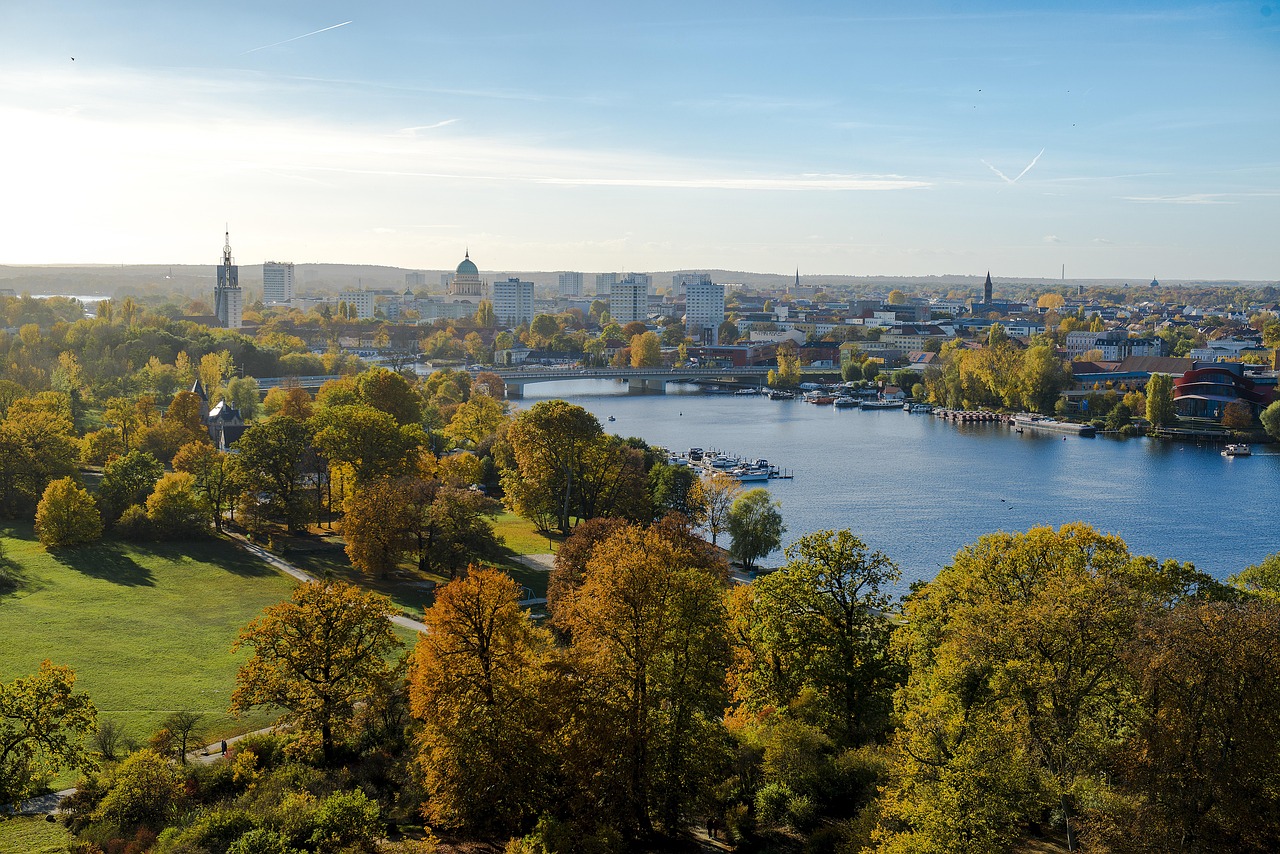
Why Visit Potsdam in 2026?
Potsdam is one of those rare cities where you can spend the morning wandering through royal palaces, the afternoon biking along lakes and forests, and the evening sipping wine in a cozy courtyard bar — all without ever feeling rushed. I’ve lived just a short S‑Bahn ride away in Berlin for years, and Potsdam has become my “reset button” city: whenever life feels too loud, I hop on the train, cross the Glienicke Bridge, and suddenly I’m in a world of baroque palaces, quiet cobbled streets, and lakeside sunsets.
As the former residence of Prussian kings and the German Kaiser, Potsdam packs in an almost absurd number of palaces and gardens for such a compact place. Yet it still feels like a relaxed university and film town, not a museum piece. In 2026, Potsdam is especially exciting: restoration projects in Sanssouci Park are nearing completion, new exhibitions at the Filmmuseum Potsdam and Babelsberg Filmpark are opening, and the city is planning expanded cultural programming around the 250th anniversary of several key Prussian architectural projects (with related exhibitions running through 2026–2027).
If you’re deciding between a quick day trip or a full 3–5 day itinerary for Potsdam, my honest advice: stay longer. I’ve done it both ways many times, and every rushed day trip left me promising to come back. With 3 days in Potsdam you can see the must‑see attractions; with 4 days in Potsdam or even 5 days in Potsdam, you’ll start to feel the city’s rhythm — morning coffee at the Bassinplatz market, sunset walks by the Heiliger See, and evenings in the Dutch Quarter.
Table of Contents
- Why Visit Potsdam
- Quick Overview of Potsdam
- Suggested Itineraries (3–5 Days in Potsdam)
- 20 Must-See Attractions in Potsdam (Deep Dive)
- Neighborhoods & Areas to Explore
- Local Food in Potsdam & Where to Eat
- Nightlife, Entertainment & Cultural Experiences
- Major Events & Festivals 2026–2027
- Best Day Trips from Potsdam
- Cultural Etiquette & Local Customs in Potsdam
- Practical Travel Advice for Potsdam
- Summary & Best Time to Visit
Potsdam at a Glance
Potsdam is the capital of the German federal state of Brandenburg and sits just southwest of Berlin. It’s famous for its UNESCO‑listed palaces and parks, its role in European history (from Frederick the Great to the 1945 Potsdam Conference), and its long tradition in film and science.
- Population: ~185,000
- Vibe: Regal yet relaxed, green, lakeside, creative
- Perfect for: Culture lovers, couples, families, architecture nerds, history buffs, slow travelers
- Not ideal if: You want wild nightlife every night (Berlin is better for that — but Potsdam has some charming low‑key spots)
One of Potsdam’s biggest advantages for travelers is how compact it is. You can walk from the main train station to the Old Town in under 15 minutes, and many of the best places to visit in Potsdam are clustered in a walkable or bikeable ring: Sanssouci Park, the Dutch Quarter, the Russian Colony, the lakes, and Babelsberg.
Suggested Itineraries: 3–5 Days in Potsdam
These itineraries are based on how I actually show friends around when they visit. Think of them as flexible frameworks: you can compress, stretch, or swap days depending on your interests. They’re designed to work whether you’re staying in Potsdam or doing repeated day trips from Berlin.
3 Day Itinerary for Potsdam: The Essentials
If you only have 3 days in Potsdam, you’ll still be able to see the must‑see attractions and get a solid taste of local life. I’ve done this 3‑day loop with visiting friends more times than I can count.
Day 1: Sanssouci & Royal Potsdam
Your first day is all about Potsdam’s royal heart: Sanssouci Park and its palaces. I like to start early, around 9:00, before the tour groups roll in.
Morning: Sanssouci Palace & Terraced Gardens
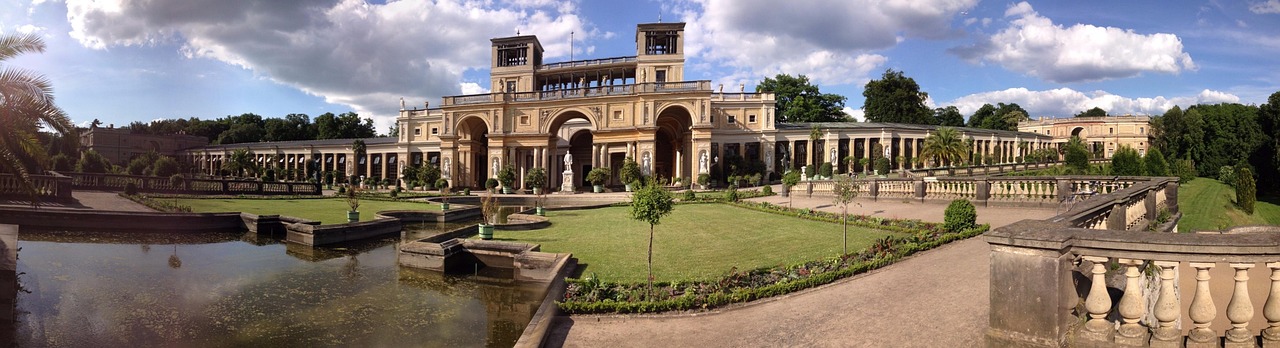
Take a tram or bus from Potsdam Hauptbahnhof to Schloss Sanssouci. The moment the yellow Rococo façade comes into view, framed by vineyards and fountains, you understand why this is considered the Versailles of Germany. Frederick the Great wanted a place “without worries” — that’s literally what “Sans souci” means.
I usually book a timed ticket online in advance, especially in summer. Inside, the palace is surprisingly intimate: low‑ceilinged galleries, oval salons, and that famous rococo music room. Give yourself an hour inside, plus at least another hour just to wander the terraced gardens and take in the view back down to the fountain.
Late Morning: Stroll Through Sanssouci Park
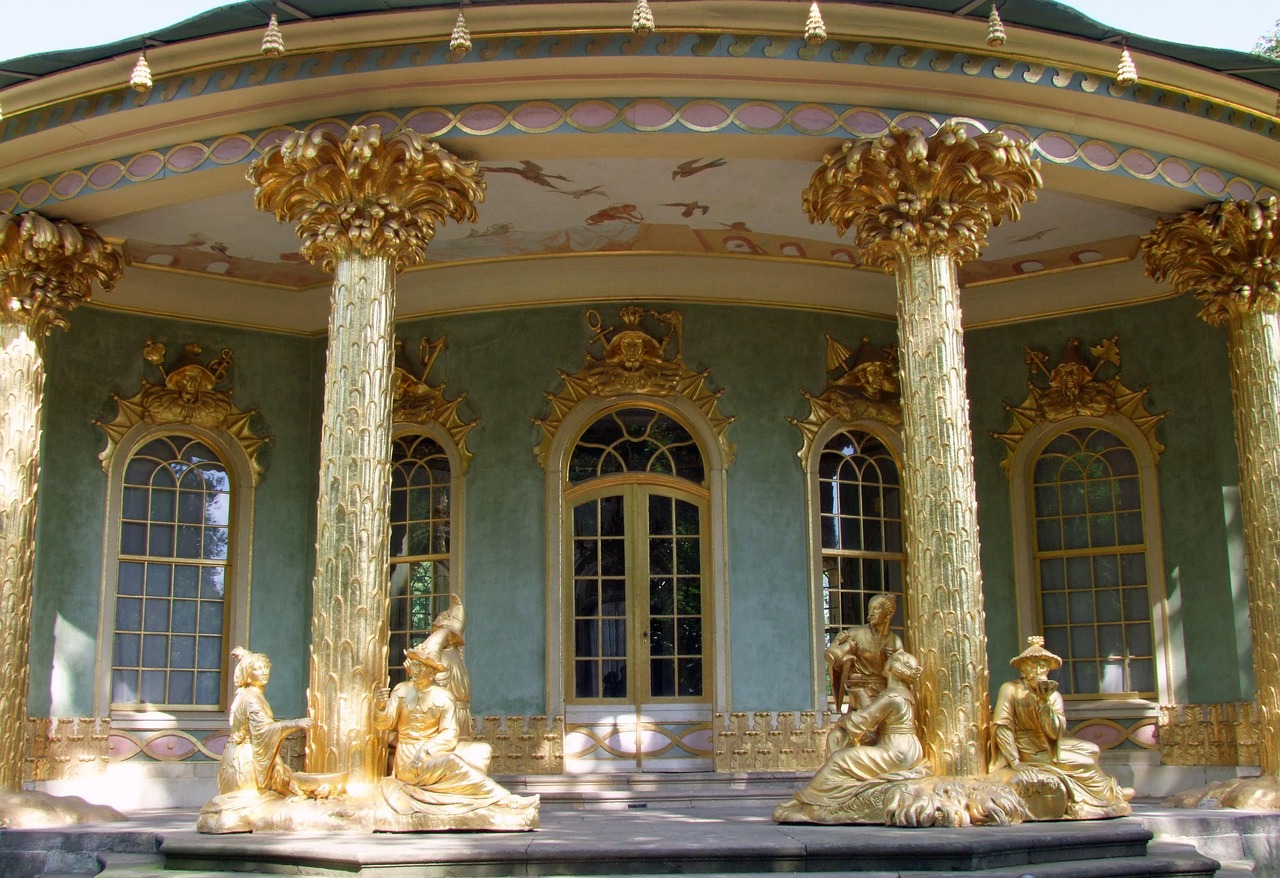
From the palace, follow the main avenue through Sanssouci Park. This park is enormous and full of surprises: the Neuer Palais, the Chinese Tea House, the Orangerieschloss, and hidden corners with quiet benches where I’ve spent many afternoons with a book. Don’t rush — the joy is in the wandering.
Lunch: Café in the Park or Nearby
For lunch, you can either grab something simple from a park kiosk (sausages, pretzels, ice cream) or head to a café just outside the park gates. On colder days I like to duck into a cozy spot near the Historische Windmühle (historic windmill) for soup and cake.
Afternoon: Neues Palais (New Palace)
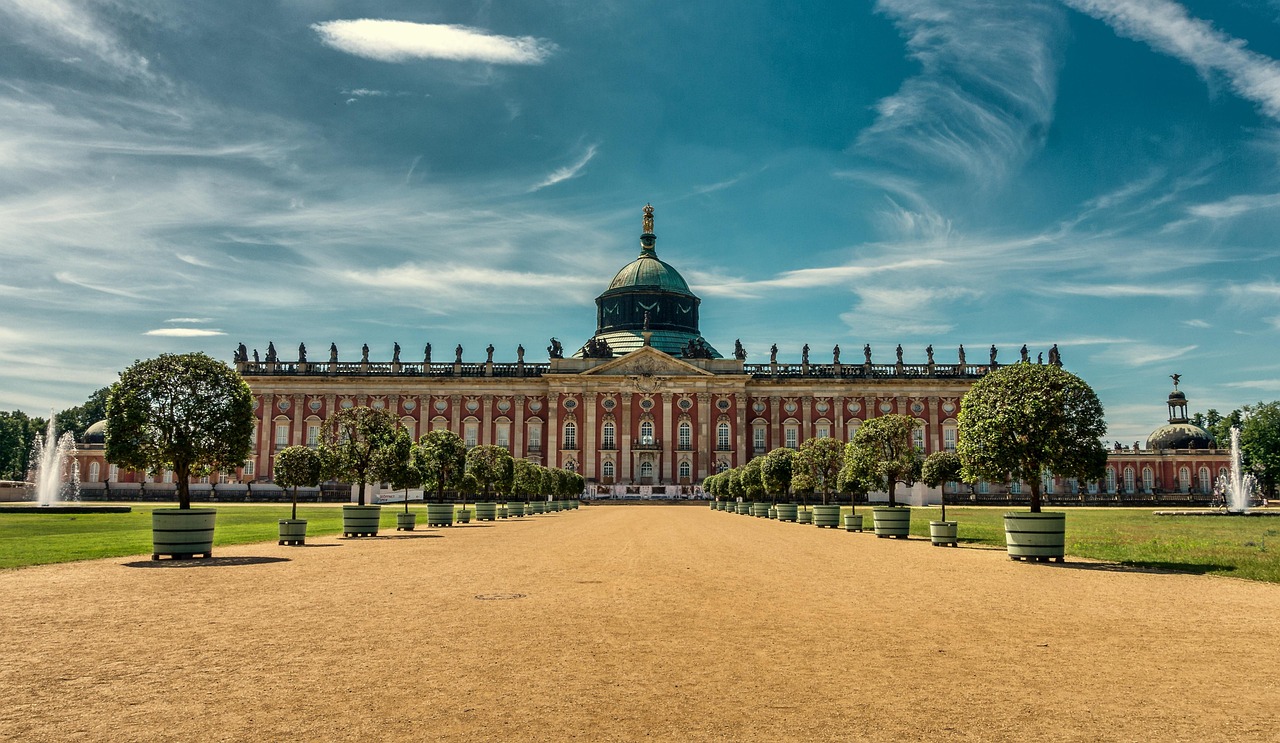
Walk (or hop on the park bus, if available) to the far edge of the park to reach the Neues Palais. This massive red‑brick palace was Frederick’s showpiece for visiting dignitaries. The scale is breathtaking: ornate façades, dramatic domes, and endless rooms of stucco and marble.
Last time I brought my parents here in autumn, we practically had the side gardens to ourselves, golden leaves blowing around the colonnades. The palace tour itself takes about 90 minutes; wear comfortable shoes, because it’s a lot of standing and walking.
Evening: Old Town & Dinner in the Dutch Quarter
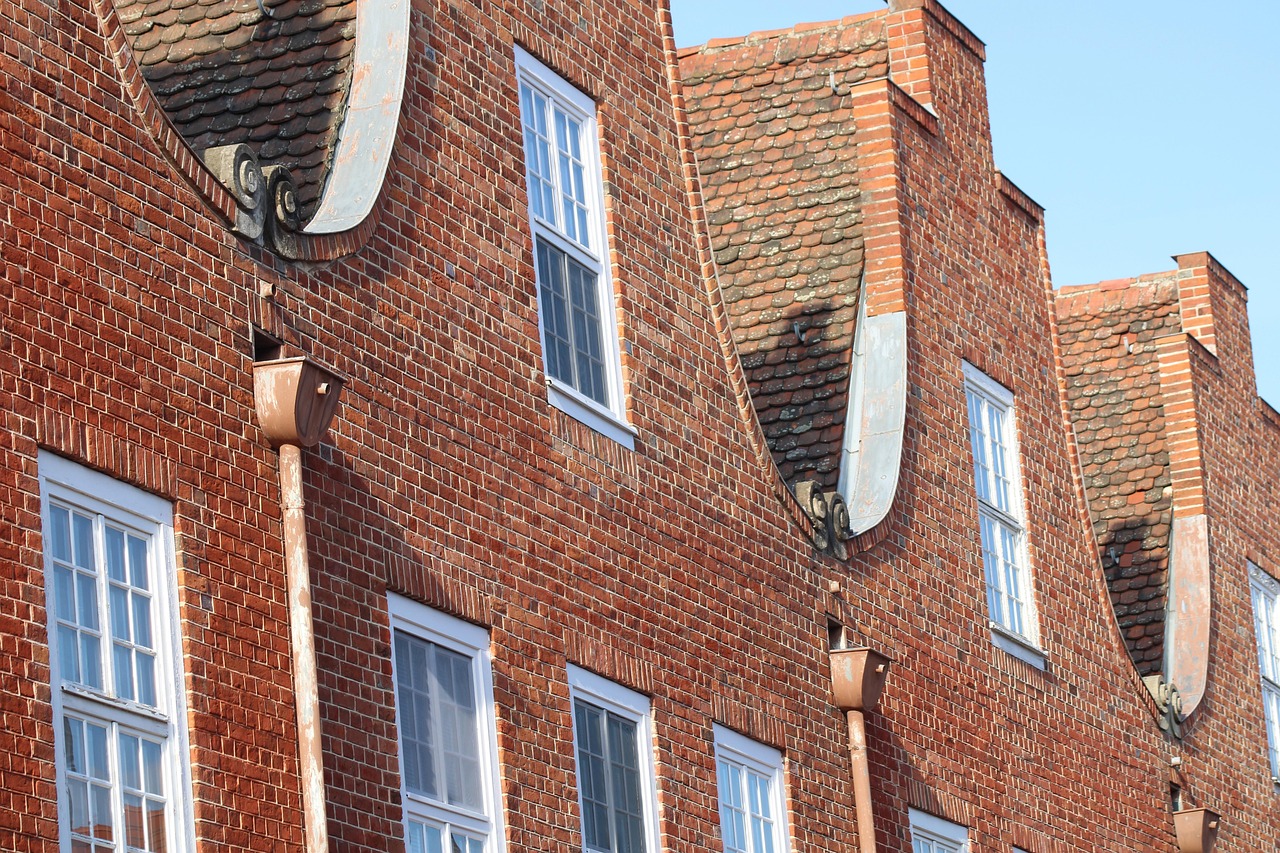
Head back towards the city center and wander through the Holländisches Viertel (Dutch Quarter). This brick‑gabled neighborhood is one of the best places to visit in Potsdam for atmosphere alone — especially in the blue hour. Pick a restaurant with outdoor seating if the weather allows. The mix of tourists and locals here feels just right.
After dinner, stroll towards the Nauener Tor (city gate) and grab a nightcap at a nearby wine bar. For a romantic trip, this first evening in the Dutch Quarter, lit by warm window light, is a perfect start.
Day 2: Lakes, Palaces & the Glienicke Bridge
Morning: Cecilienhof Palace & Neuer Garten
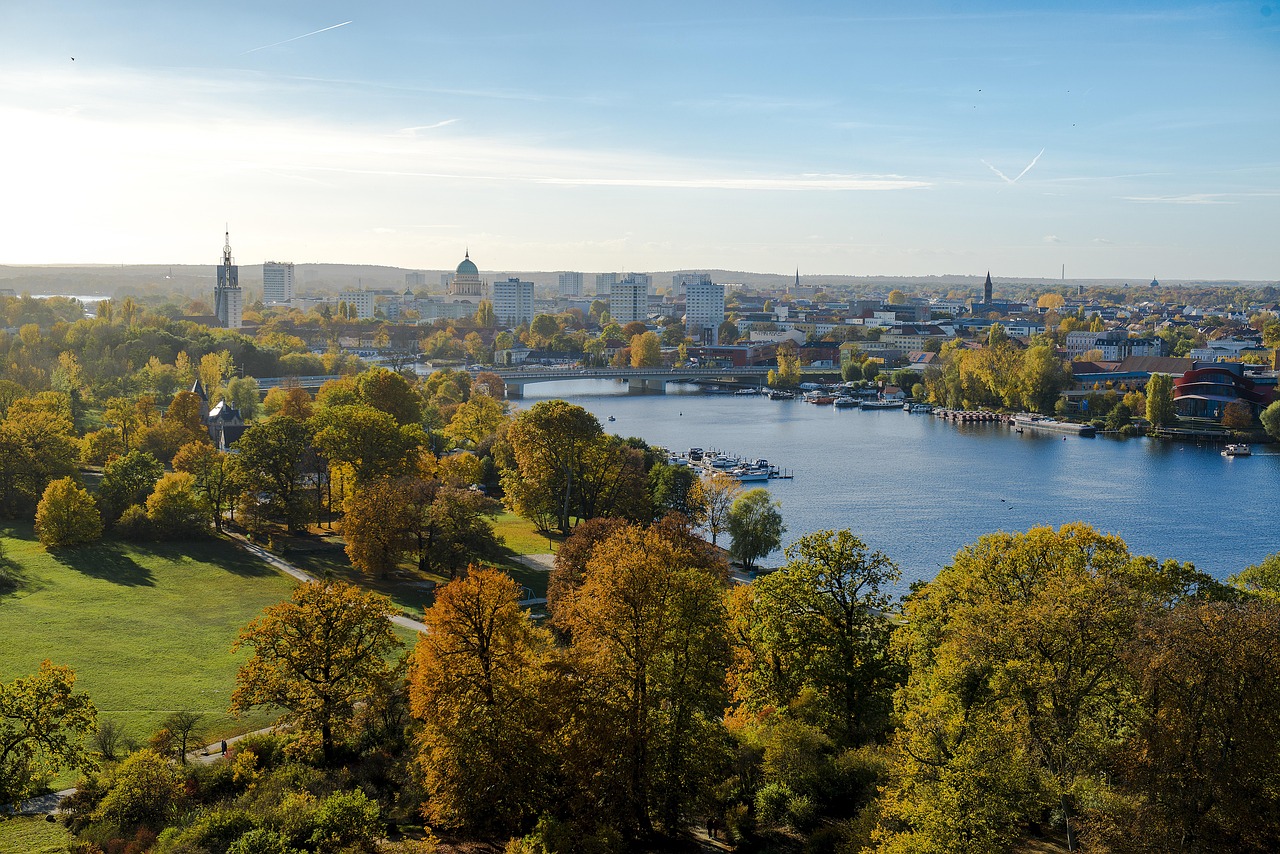
Start your second day with Schloss Cecilienhof in the Neuer Garten. This English Tudor‑style palace is where the 1945 Potsdam Conference took place. The first time I walked into the conference room and saw the flags of the Allied powers over the round table, it hit me that decisions made right here reshaped Europe.
The surrounding park is one of my favorite places to walk in any season — especially along the shore of the Heiliger See (Holy Lake). In summer, locals sunbathe on the banks; in winter, the bare trees and quiet paths have a calm, almost melancholic beauty.
Lunch: Lakeside Picnic or Café
Grab picnic supplies at a bakery on the way (I like stopping near the tram line) and eat by the water, or choose one of the small cafés near the park edges. On one summer visit, my friend and I simply lay on the grass with sandwiches and watched rowers glide across the lake for an hour. Zero regrets.
Afternoon: Glienicke Bridge & Babelsberg Park
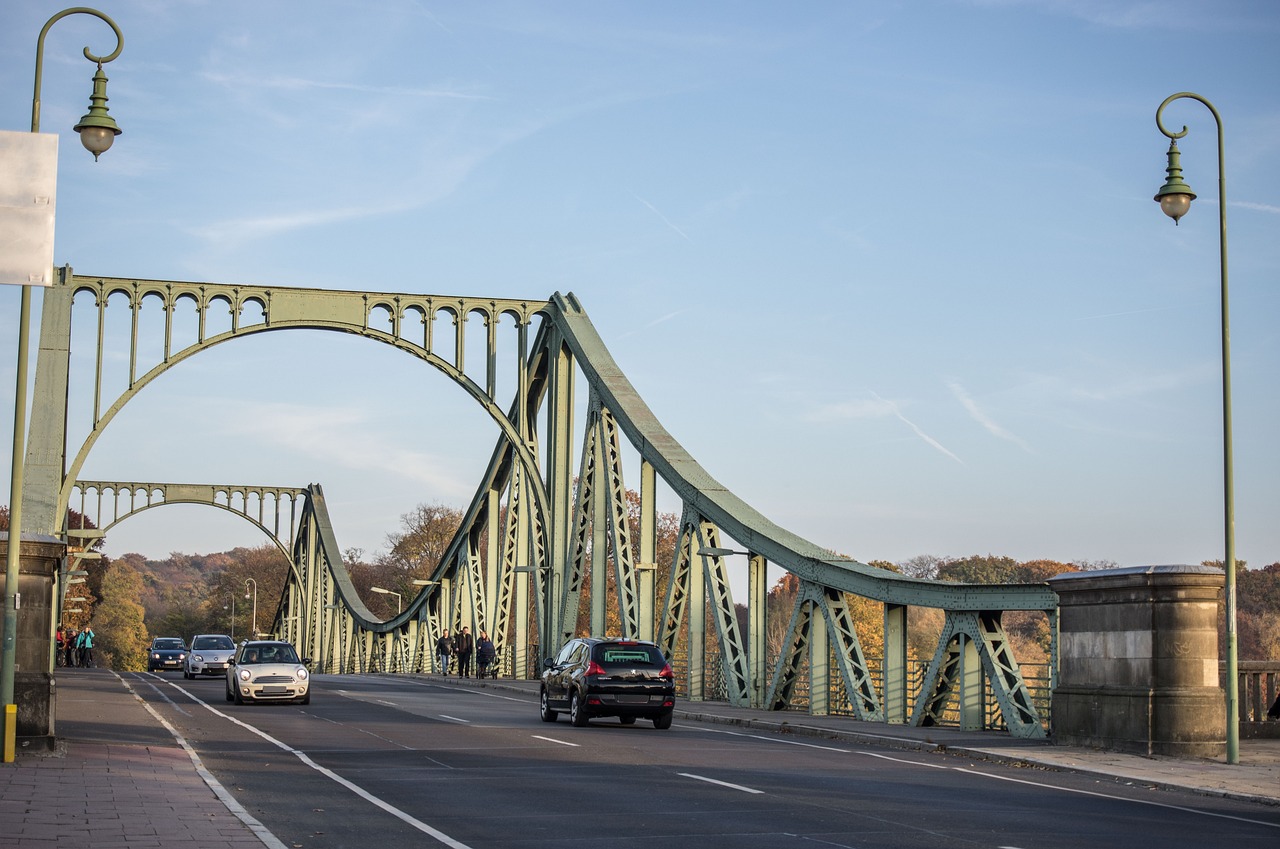
From Neuer Garten, it’s a lovely walk or short bus ride to the Glienicke Bridge — the “Bridge of Spies,” where the US and USSR exchanged captured agents during the Cold War. Today it’s peaceful, with great views in both directions.
Cross the bridge and either continue on foot or catch transport to Park Babelsberg. This is where Potsdam feels almost like a film set: neo‑Gothic castles, sweeping lawns above the river, and views back towards the city skyline and lakes.
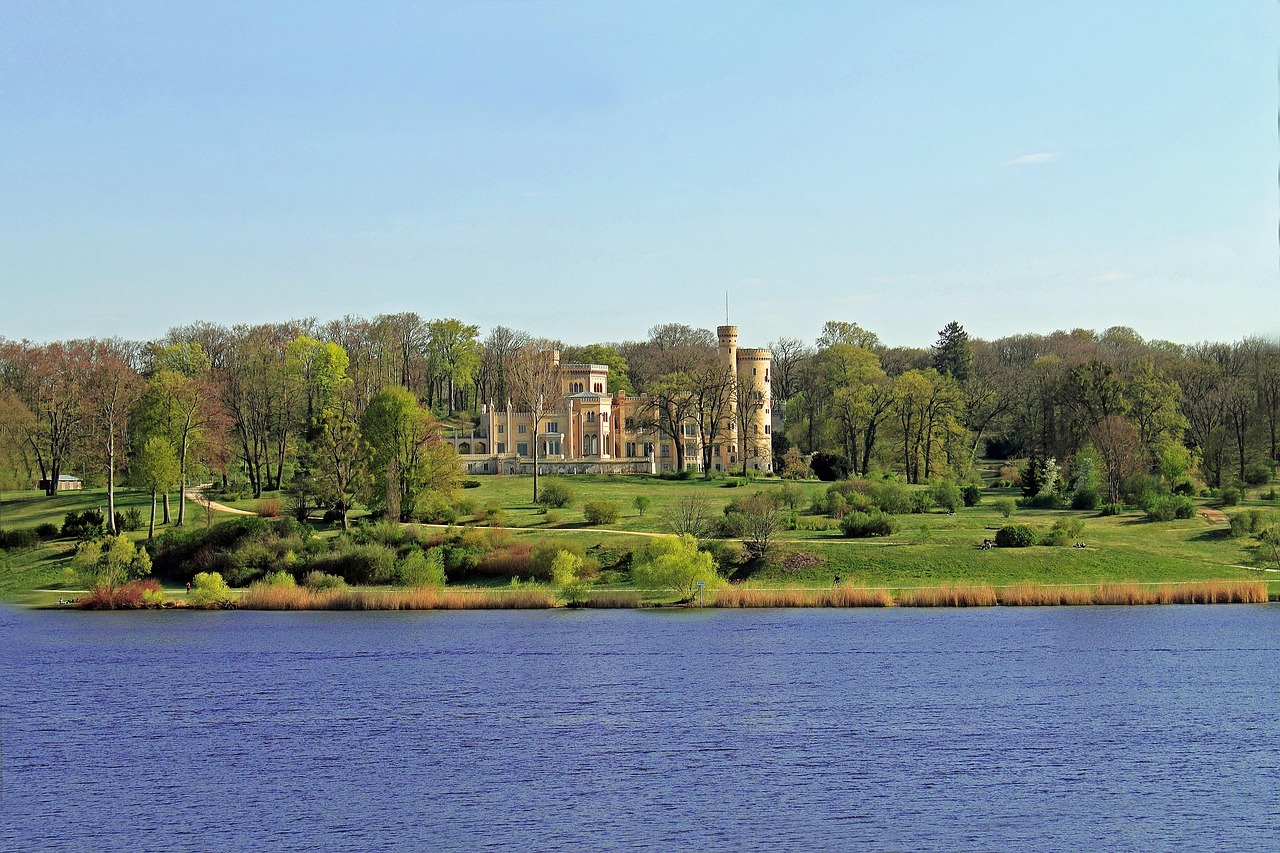
The Babelsberg Palace itself has gone through long restoration phases; by 2026, more areas are accessible again, and new interpretive displays explain its 19th‑century royal summer life. I love coming here in late afternoon when the light turns the towers golden.
Evening: Dinner in Babelsberg & Sunset Over the Havel
The Babelsberg district has a slightly different feel from central Potsdam — younger, more residential, with a strong film‑industry vibe thanks to nearby studios. Dine at a local restaurant around Weberplatz, then walk down to the water for sunset. Families will appreciate the playgrounds and open spaces; couples will love the quiet, lantern‑lit streets.
Day 3: Dutch Quarter, Russian Colony & Film Heritage
Morning: Brandenburger Straße & Old Market Square
On your final day, slow down a bit. Start with coffee and breakfast on Brandenburger Straße, the main pedestrian street. I like sitting outside near the Brandenburger Tor Potsdam (not to be confused with Berlin’s!) and watching the city wake up.
Continue to the Alter Markt (Old Market Square), dominated by the St. Nicholas Church and the reconstructed city palace, which now houses the Brandenburg state parliament. The dome and steps are great for photos and people‑watching.
Late Morning: Russian Colony Alexandrowka
Walk or take a bus to Alexandrowka, the Russian Colony. This little cluster of dark wooden houses with ornamental gardens feels like you’ve slipped out of Germany entirely. Built for Russian singers in the 19th century, it’s now a UNESCO‑protected area.
I love coming here in early spring when the gardens are just waking up. Stop by the small museum and then sit in the garden café for tea and cake — it’s a peaceful break from the palace circuit.
Afternoon: Filmmuseum Potsdam &/or Filmpark Babelsberg
In the afternoon, choose between the Filmmuseum Potsdam near the city center, or the more family‑oriented Filmpark Babelsberg near the studios. Filmpark is ideal if you’re traveling with kids — there are stunt shows, sets, and interactive exhibits. The Filmmuseum is better if you’re interested in the history of German cinema (and want something more low‑key).
By 2026, both are expanding exhibitions related to early UFA films and modern streaming productions, making this a fascinating time to visit. I still remember standing in front of original props from expressionist classics and realizing how deeply Potsdam is woven into film history.
Evening: Final Dinner & Walk Along the Havel
End your 3 days in Potsdam with a relaxed dinner back in the Dutch Quarter or near the Havel waterfront. If you have the energy, walk along the river promenade as the city lights reflect in the water — a gentle goodbye to a surprisingly rich city.
4 Day Itinerary for Potsdam: Deeper Exploration
With 4 days in Potsdam, you can follow the 3‑day itinerary above and add an extra day to explore more hidden gems and neighborhoods at a slower pace. This is close to my ideal pace for first‑time visitors.
Day 4: Science, Parks & Local Life
Morning: Einstein Tower & Telegrafenberg
Head up to Telegrafenberg, a hill just south of the center that’s home to several scientific institutes. The star here is the Einstein Tower, a futuristic solar observatory designed by Erich Mendelsohn in the 1920s. It looks like something out of a sci‑fi film, and walking around the campus you’ll see a mix of 19th‑century observatories and modern research buildings.
On one misty November morning, I came up here almost alone and watched the fog drift between the domes — it felt like stepping into a different world. Guided tours are limited, so check schedules in advance if you want to go inside certain buildings, but even just walking the grounds is worth it.
Lunch: Local Spot Near Hauptbahnhof
Head back down towards the main station and grab lunch at a local café or one of the smaller places clustered near the river. This area isn’t flashy, but it’s where you’ll see office workers and students on their breaks, giving you a different slice of the city.
Afternoon: Volkspark & Biosphäre Potsdam
In the afternoon, make your way to the Volkspark Potsdam in the north of the city. This large park is perfect for families: there are playgrounds, open lawns, and the impressive Biosphäre Potsdam, a tropical greenhouse with waterfalls, butterflies, and lush vegetation.
I brought friends with children here on a rainy spring day, and it was a lifesaver — the kids were completely absorbed by the rainforest atmosphere while the adults got to thaw out and relax with coffee.
Evening: Craft Beer & Student Bars
For your fourth evening, explore a more local side of Potsdam’s nightlife. Around the university areas and some quieter streets off Brandenburger Straße, you’ll find student bars, craft‑beer spots, and casual eateries. It’s not loud or wild, but it’s friendly and affordable — perfect if you like to people‑watch and chat.
5 Day Itinerary for Potsdam: Slow & Immersive
A 5 day itinerary for Potsdam is for those who really want to sink into the city’s rhythm. You can follow the 4‑day plan above and then add either a relaxed local day or a dedicated day trip. When I have five days free, this is the tempo I choose: one “big” day, one “light” day, repeated.
Day 5 Option 1: Slow Local Day in Potsdam
Morning: Farmers’ Market & Coffee
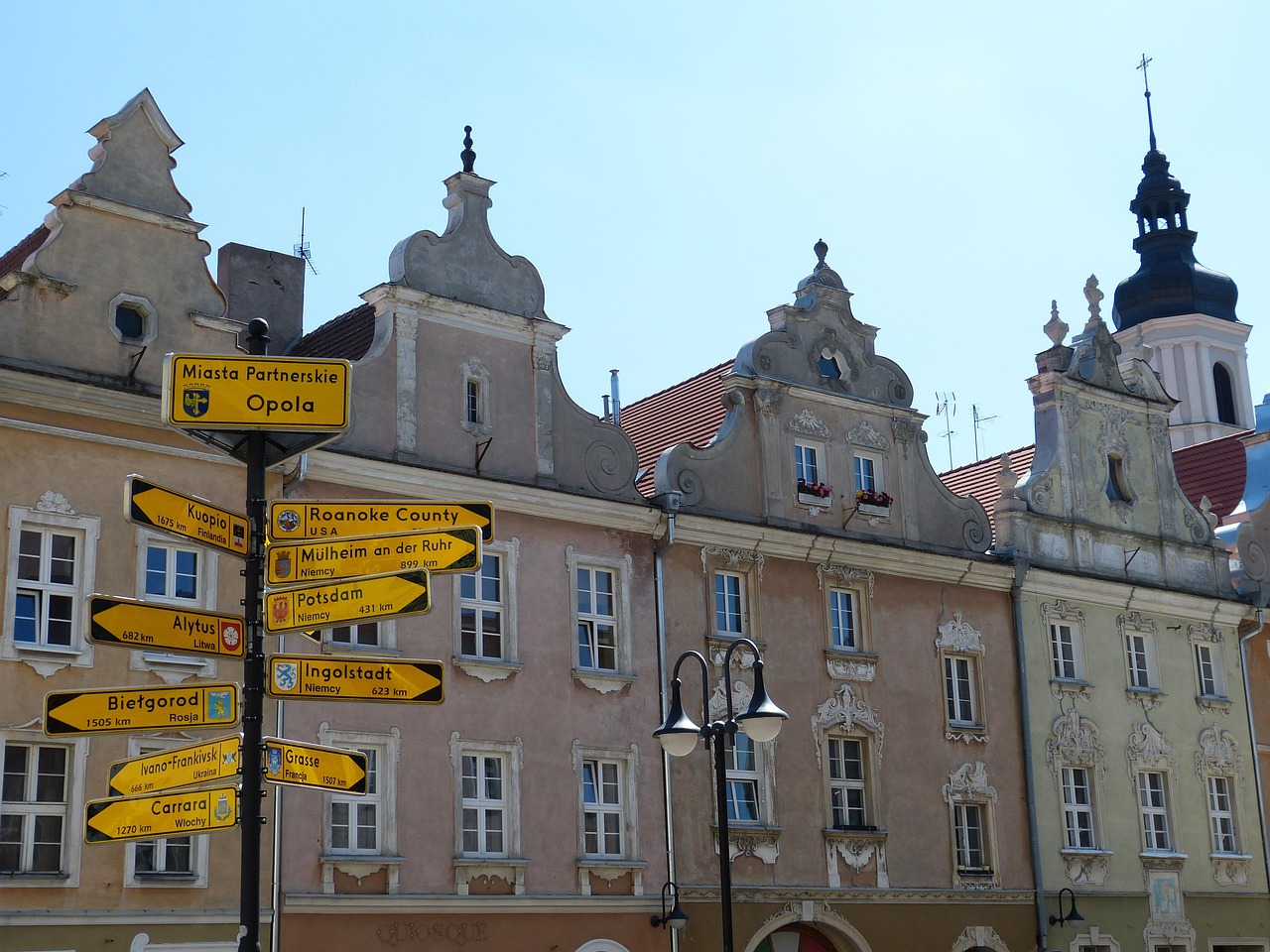
Start with a visit to the Bassinplatz or Wochenmarkt (weekly market) if it’s a market day. Browse stalls of regional cheeses, breads, cured meats, and flowers. I love grabbing a fresh pretzel, a piece of smoked fish, and some fruit, then assembling an impromptu picnic.
Follow it up with a long coffee in a neighborhood café — this is what living here feels like.
Afternoon: Explore a Favorite Park or Neighborhood Again
Use the afternoon to return to whichever place stole your heart: a quiet corner of Sanssouci, the Russian Colony, or a lakeside path in Babelsberg. One of the biggest luxuries of 5 days in Potsdam is getting to revisit places at different times of day.
Evening: Cultural Performance
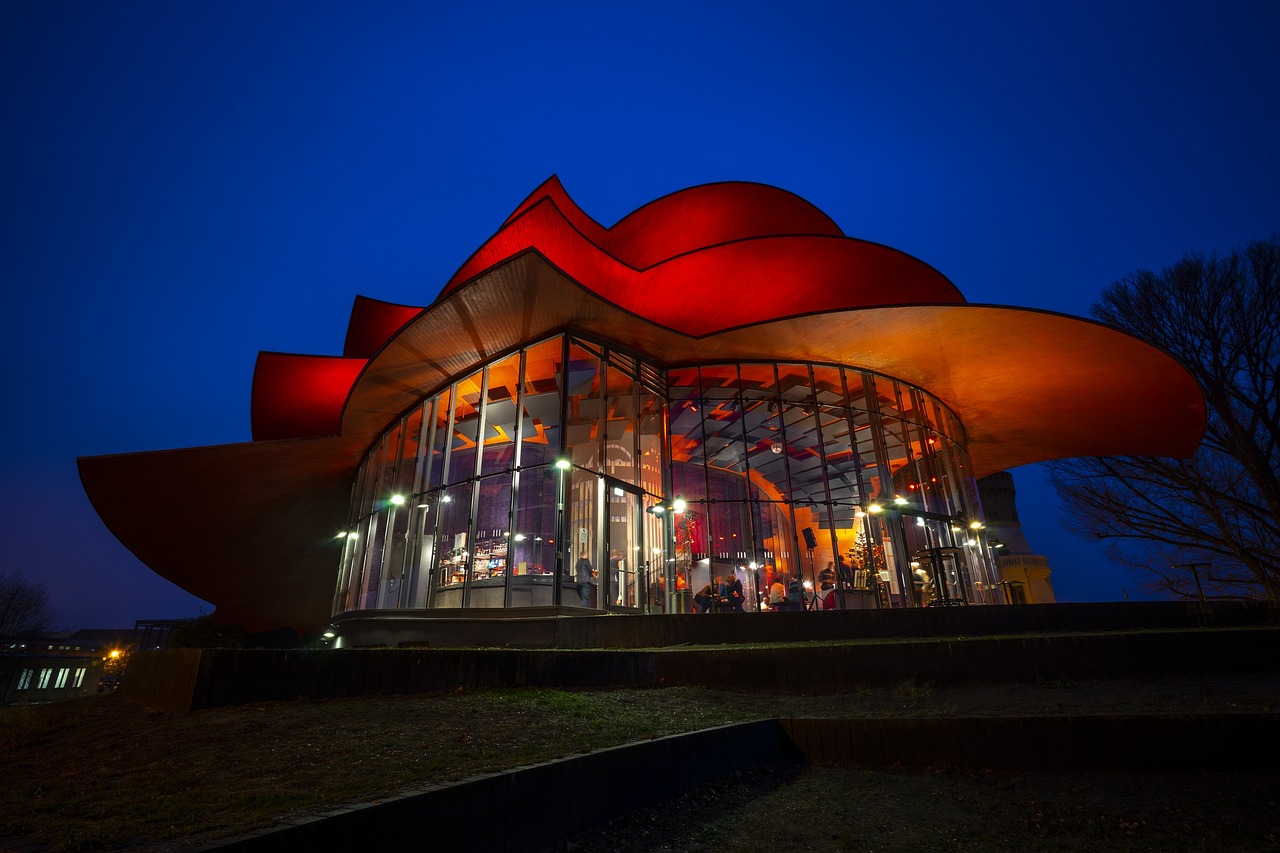
Finish with a classical concert, theater performance, or film screening. Keep an eye on the program of the Nikolaisaal concert hall and local theaters — 2026–2027 programming includes special events tied to both Prussian heritage and modern German culture.
Day 5 Option 2: Day Trip from Potsdam
Alternatively, use your fifth day for a day trip (see the Day Trips section below). Berlin is the obvious choice, but many travelers underestimate how easy it is to reach lakes like Wannsee or small Brandenburg towns from here.
20 Must-See Attractions in Potsdam (In Depth)
Now let’s dive deeper into the best places to visit in Potsdam. These are the spots I return to again and again, each with its own character, history, and little practical quirks. I’ll weave in personal experiences and tips so you can plan like a local.
1. Sanssouci Palace & Terraced Gardens
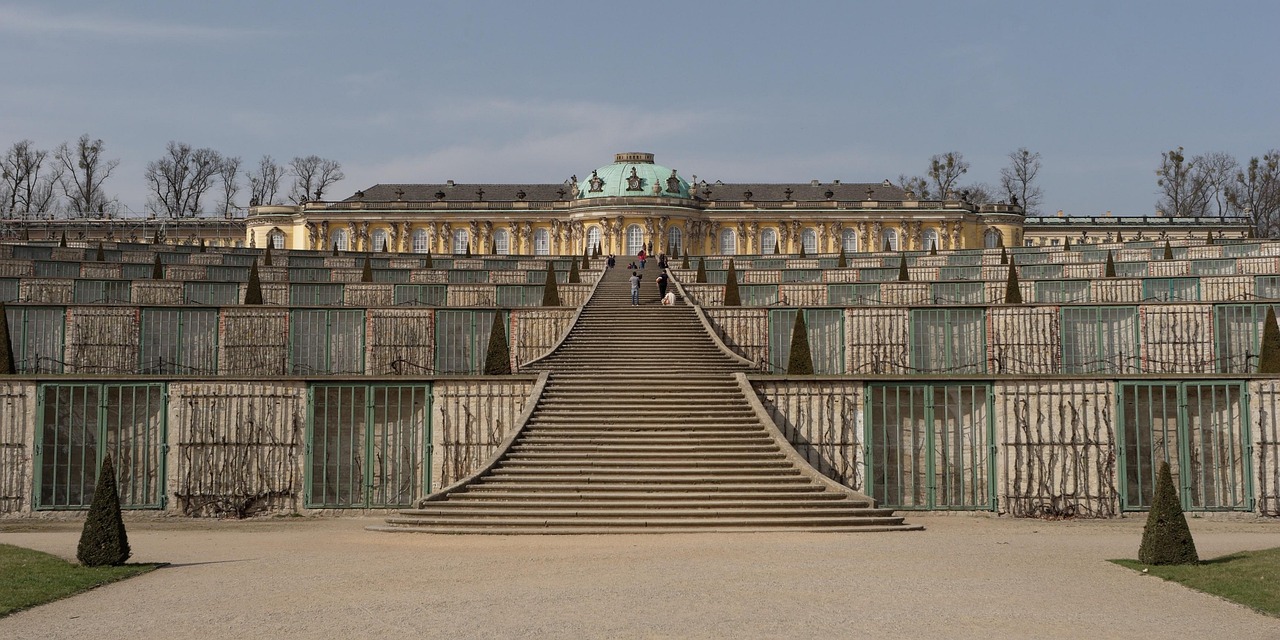
Why go: The crown jewel of Potsdam and the heart of any travel guide for Potsdam. Sanssouci is Frederick the Great’s intimate pleasure palace, set above dramatic terraced vineyards.
History & significance: Built between 1745 and 1747, Sanssouci was intended as a retreat from Berlin’s formal court life. Unlike the sprawling Versailles, its single‑story layout feels surprisingly human. Here, Frederick played music, discussed philosophy with Voltaire, and tried to escape the pressures of rule.
My experience: My favorite visit was a misty March morning when the fountain basin was still empty for winter maintenance, and the bare vines traced delicate lines up the terraces. I climbed slowly, stopping at each level to turn and look back towards the park — there were maybe five other people around. Inside, the guided audio tour painted such a vivid picture of Frederick’s quirks that I left feeling like I’d met him.
Tips for visitors:
- Book timed tickets online in peak season; same‑day slots can sell out.
- Photos: The classic shot is from the lower fountain looking up at the terraces; for a quieter angle, go around to the rear of the palace where fewer people linger.
- Combine with: A full wander through Sanssouci Park and a visit to the nearby windmill.
2. Sanssouci Park
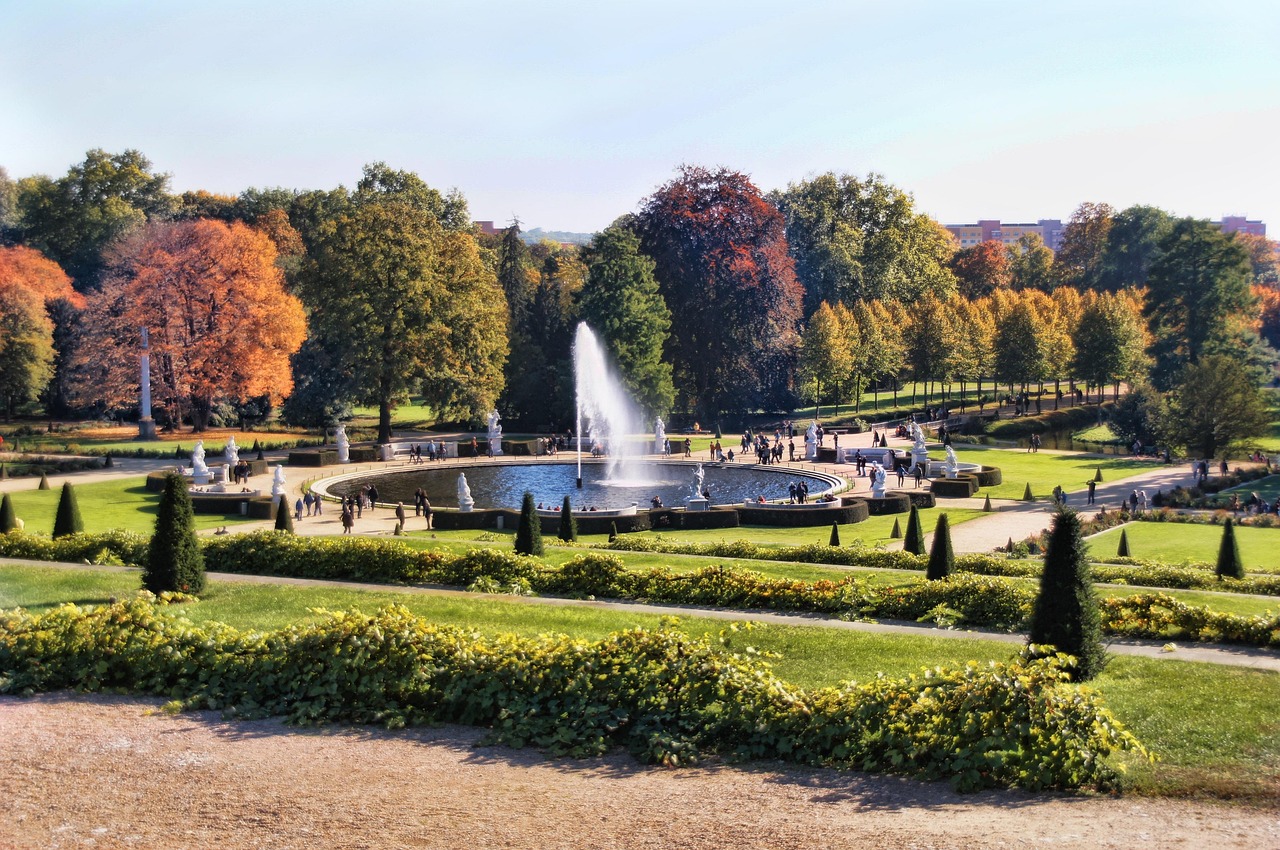
Why go: More than just a palace garden, Sanssouci Park is an enormous landscape of palaces, follies, vineyards, and views — the ultimate place to walk, bike, or picnic.
Highlights: The Chinese House with its gilded figures, the Orangerieschloss, the Roman Baths, countless sculptures, and wide avenues shaded by massive trees. Every season has its charm: cherry blossoms in spring, lush lawns in summer, golden leaves in autumn, and quiet, stark beauty in winter.
Personal note: Whenever a Berlin summer heatwave hits, I escape here with a bike. There’s nothing like coasting under the trees and then collapsing with a book near a fountain. One late July afternoon, I ended up sharing a bench with an elderly local who told me stories of visiting the park secretly during the GDR era — a reminder that these landscapes have seen many political systems come and go.
Tips:
- Allow at least half a day if you want to see more than just Sanssouci Palace.
- Wear comfortable shoes; the distances between palaces are longer than they look on the map.
- Consider renting a bike for maximum freedom.
3. Neues Palais (New Palace)
Why go: The showiest of Potsdam’s palaces, built to impress foreign visitors and demonstrate Prussia’s power after the Seven Years’ War.
History: Completed in 1769, the Neues Palais is a statement piece: over 200 rooms, a theater, guest apartments, and lavish decoration. It later served as a residence for Kaiser Wilhelm II.
My visit: On a cool October afternoon, I joined a guided tour (German, with English audio guide) that wound through shell‑encrusted grottoes, marble halls, and endless enfilades of rooms. What struck me most was the shift from Frederick’s relatively modest Sanssouci to this bombastic palace — a reminder of changing tastes and politics.
Visitor tips:
- Time your visit: Late afternoon light on the façade is beautiful and less crowded.
- Check restoration updates: Sections occasionally close for conservation; in 2026 most main areas are open, but it’s wise to confirm.
- Family friendly? Yes, but younger kids may tire of the long indoor tour; balance with outdoor play in the adjacent park.
4. Cecilienhof Palace
Why go: A unique mix of English country house charm and heavyweight 20th‑century history — this is where the Potsdam Conference took place in 1945.
History: Built for Crown Prince Wilhelm and his wife Cecilie in the early 20th century, the palace’s half‑timbered style is intentionally cozy. In July–August 1945, it hosted Truman, Churchill/Attlee, and Stalin as they negotiated the post‑war order. The conference room is still arranged as it was then.
My experience: Standing in front of the round table, I found myself imagining the cigarette smoke, translators’ whispers, and the sheer weight of decisions made there. Outside, though, the gardens were full of families picnicking. That contrast — between global politics and everyday life — is part of what I love about Potsdam.
Tips:
- Audio guide: Highly recommended; it brings the conference to life.
- Combine with: A long walk around Neuer Garten and the lakeshore.
- Accessibility: Some areas have steps and uneven surfaces; check details if mobility is a concern.
5. Neuer Garten & Heiliger See
Why go: One of the most romantic and serene landscapes in Potsdam, perfect for long walks, picnics, and swimming spots used by locals.
Highlights: Besides Cecilienhof, you’ll find the Gothic Library, the Marble Palace, and various smaller buildings scattered around the park. The Heiliger See is a beloved place for a summer dip (officially and unofficially).
Personal note: On a hot August evening, I joined friends here for an after‑work swim. We changed discreetly under trees, swam out into the golden water, and watched the sky turn pink behind the skyline of Potsdam. It felt like being on vacation, even though we’d all be on the S‑Bahn back to Berlin in an hour.
Tips:
- Bring a blanket: There are plenty of lawns with lake views.
- Respect swimming rules: Stick to areas where locals are clearly entering; some banks are private or fragile.
- Great for couples: Come near sunset with a bottle of wine and some snacks.
6. Glienicke Bridge
Why go: Iconic “Bridge of Spies” connecting Potsdam and Berlin over the Havel River, with sweeping views and layers of Cold War history.
History: During the Cold War, this bridge marked the border between West Berlin and East Germany. It became famous for high‑profile prisoner exchanges between East and West intelligence agencies. Today you can walk freely across, with only a subtle line marking the former division.
My visit: The first time I crossed, I stopped halfway and looked down at the faint line on the asphalt marking the old border. A local guide told me how, as a kid in the GDR, he would ride his bike as close as possible to the restricted zone just to peer at the “other side.” Now tourists take selfies where nervous guards once stood — it’s humbling.
Tips:
- Best time: Late afternoon or sunset for beautiful light on the water.
- Combine with: Walks in Park Babelsberg or along the shore toward Neuer Garten.
- Photography: Capture the bridge with Potsdam’s skyline in the background from the Babelsberg side.
7. Park Babelsberg & Babelsberg Palace
Why go: A romantic, English‑style landscape park with castle views and some of the best panoramas over the Havel and Potsdam.
History: Designed in the 19th century for Prince Wilhelm (later Kaiser Wilhelm I) and his English wife Augusta, the park blends neo‑Gothic architecture with rolling lawns, strategic viewpoints, and whimsical features like the Flatow Tower.
My experience: I’ve come here alone, with friends, and once on a very memorable date. My favorite memory is sitting on the hill beneath the palace in May, watching sailboats move slowly along the river below while someone nearby quietly played guitar. It felt like a movie scene — fitting, given Babelsberg’s film heritage.
Tips:
- Wear layers: The park is more exposed to wind than Sanssouci.
- Picnic heaven: Bring snacks; food options inside the park are limited.
- Great for families: Lots of open space for kids to run and small hills to roll down.
8. Filmpark Babelsberg
Why go: A fun, film‑themed park built around the historic Babelsberg film studios — ideal for families and movie lovers.
History: Babelsberg Studios, founded in 1912, are among the oldest large‑scale film studios in the world. Expressionist classics, Weimar‑era films, and many modern productions were and are made here. The Filmpark offers shows, sets, and behind‑the‑scenes insights.
My visit: I initially wrote it off as “just for kids,” but after finally going with friends (including some very enthusiastic adults), I had to eat my words. The stunt shows were genuinely impressive, and seeing how they create certain effects made me watch films differently afterwards.
Tips:
- Plan a half or full day: There’s more here than you might expect.
- Check show times: Stunt and special‑effects shows run on schedules; plan your route accordingly.
- 2026–2027 updates: New exhibits focusing on streaming series and international co‑productions are being added.
9. Filmmuseum Potsdam
Why go: Germany’s oldest film museum, housed in a former baroque stable, telling the story of film in Potsdam and beyond.
My experience: I ducked in here on a rainy November day and ended up spending three hours wandering through early cameras, set models, and interactive exhibits. A highlight was an installation that let you play with light and shadow like a silent‑era director.
Tips:
- Great bad‑weather option close to the city center.
- Check for screenings: The museum often hosts film evenings and festivals.
- Combine with: A walk along the nearby Havel waterfront and Old Market Square.
10. Dutch Quarter (Holländisches Viertel)
Why go: Potsdam’s most atmospheric neighborhood, with rows of red‑brick, Dutch‑style townhouses, boutiques, and cafés.
History: Built in the 18th century for Dutch artisans invited by Frederick William I, the quarter was considered quite exotic at the time. Today it’s one of the city’s liveliest and most photographed areas.
My experience: I’ve lost track of how many coffees, beers, and lazy afternoons I’ve spent here. In winter, when fairy lights string across the streets and you can see warm interiors glowing behind the windows, it feels like stepping into a postcard.
Tips:
- Best time: Late afternoon into evening for the best atmosphere.
- Shopping: Browse small design shops and local crafts; good for unique souvenirs.
- Events: Seasonal street festivals and markets often pop up here.
11. Russian Colony Alexandrowka
Why go: A peaceful, slightly surreal enclave of Russian‑style wooden houses and orchards, tucked within Potsdam.
History: Built in the 1820s for a group of Russian military singers, Alexandrowka symbolized the friendship between Prussia and Russia (at that time). The colony is laid out in a cross pattern and surrounded by fruit trees.
My visit: I remember sitting in the garden of the small café here, eating apple cake under blossoming branches, and feeling like I’d left the city entirely. The wooden houses, with their decorative carvings, are incredibly photogenic — but remember that many are still private residences.
Tips:
- Respect privacy: Don’t peer into windows or enter yards marked as private.
- Museum house: Visit at least one interior to understand the colony’s history.
- Combine with: A walk back to the center via viewpoints over the city.
12. Brandenburger Straße & Brandenburger Tor Potsdam
Why go: Potsdam’s main pedestrian artery, lined with shops, cafés, and historic façades, ending at the city’s own Brandenburg Gate.
History: The Brandenburger Tor in Potsdam predates Berlin’s more famous gate; it was built in 1770 to celebrate victory in the Seven Years’ War. Today, the gate marks one end of Brandenburger Straße.
My experience: This is where I usually start or end my days in Potsdam. I grab ice cream in summer, mulled wine in winter, and take in the view of the gate framing the street. On one December evening, snow began to fall as I walked — within minutes, the baroque façades and shop windows were dusted white. It was ridiculously picturesque.
Tips:
- Street performers often appear on weekends.
- Budget food: Look down side streets for cheaper, more local restaurants.
- Family friendly: Car‑free and flat, good for strollers.
13. Alter Markt & St. Nicholas Church
Why go: The classical heart of Potsdam, dominated by the green dome of St. Nicholas Church and the reconstructed city palace.
History: Much of the square was destroyed in World War II and reconstructed in the late 20th and early 21st centuries. The city palace façade now fronts the Brandenburg state parliament, while the church continues as a place of worship and music.
My experience: I love climbing up to the viewing platform of St. Nicholas Church (check opening times) — it offers one of the best 360‑degree views of Potsdam’s skyline, with palaces, lakes, and church towers stretching out in every direction.
Tips:
- Check concert listings: The church hosts organ and choral performances.
- Photography: Come early in the day to avoid harsh shadows on façades.
- History buffs: Look for plaques explaining the reconstruction process.
14. Biosphäre Potsdam
Why go: An indoor tropical world with waterfalls, birds, and butterflies — a surprising contrast to Potsdam’s baroque streets.
My experience: On a gray February day when I couldn’t face another hour of drizzle, I retreated here. Within minutes, I was surrounded by lush greenery and warm, humid air. It’s a bit kitschy in parts, but in the best way. Kids were absolutely enthralled, and I have to admit, so was I.
Tips:
- Bring a camera: The light and plants make for great photos.
- Family favorite: Very popular with children; consider weekday mornings for fewer crowds.
- Combine with: Volkspark for outdoor playtime.
15. Einstein Tower & Telegrafenberg
Why go: A pilgrimage site for architecture and science fans — one of the most iconic examples of expressionist architecture, designed for astrophysical research.
History: Completed in 1924, the Einstein Tower was built to test Einstein’s theory of general relativity. Its organic, flowing forms were revolutionary at the time.
My experience: The first time I saw it in person, I had to circle it several times, just taking in the curves and unusual proportions. The entire Telegrafenberg campus feels like a scientific village, with observatories tucked among trees.
Tips:
- Tours: Access inside is limited and often by guided tour; check the schedule well ahead.
- Quiet area: Don’t expect cafés on the hill; bring water.
- Combine with: A walk back into town via forest paths.
16. Volkspark Potsdam
Why go: A large, modern park in northern Potsdam, great for sports, picnics, and family days out.
My experience: I’ve come here for picnics, frisbee games, and even a small local festival once. It’s less formal than Sanssouci and less touristed, which makes it a good place to see everyday life — kids learning to ride bikes, friends practicing slackline, impromptu barbecues.
Tips:
- Bring sports gear: Lots of open fields and courts.
- Pair with Biosphäre: Easy to combine in one visit.
- Budget friendly: Free, with plenty of space to spread out.
17. Heiliger See
Why go: One of Potsdam’s most beloved lakes, ringed by villas, parks, and quiet paths — perfect for swimming and strolling.
My experience: I’ve walked the full circuit more than once, stopping to watch rowers cut smooth lines through the water and to admire the way Cecilienhof and the Marble Palace peek through the trees. In summer, it’s my favorite place to recommend for a refreshing dip after a long day of sightseeing.
Tips:
- Bring swimwear & towel in warm months.
- Respect nature: Don’t leave trash, and stay on established paths where possible.
- Romantic: Evening walks here are quiet and atmospheric.
18. Babelsberg District & Parks
Why go: A lively, slightly bohemian district with beautiful old houses, local shops, and easy access to parks and the river.
My experience: If I ever moved fully to Potsdam, Babelsberg is where I’d want to live. It has that perfect mix of “real life” (schools, bakeries, corner shops) and charm (tree‑lined streets, cafés with outdoor seating, small cinemas). On warm evenings, terraces fill with locals, and the mood is relaxed and neighborly.
Tips:
- Great for food: Several excellent, less touristy restaurants.
- Stay here: Consider booking accommodation in Babelsberg for a quieter, local feel.
- Walk to the water: From the district center, it’s a short stroll to riverside paths.
19. Boat Tours on the Havel & Lakes
Why go: To see Potsdam’s palaces, villas, and parks from the water — arguably the most relaxing way to appreciate the landscape.
My experience: One of my standout memories is a late‑summer evening cruise, sitting on the upper deck with a light jacket, watching the sky slowly change over Glienicke Bridge and the Babelsberg slopes. Audio commentary filled in history, but I mostly just soaked up the view.
Tips:
- Book in advance in peak season, especially for sunset cruises.
- Family friendly: Kids love being on the boat; bring snacks and layers.
- Photography: Bring a strap for your camera or phone; it can get breezy.
20. Belvedere Pfingstberg
Why go: One of the best viewpoints over Potsdam and its lakes, set in an Italianate villa perched on a wooded hill.
History: Built in the mid‑19th century as a viewing palace, the Belvedere was heavily damaged and neglected during the GDR period. After reunification, extensive restoration brought it back to life.
My experience: Climbing the towers on a clear day, I could see far beyond Potsdam into the surrounding Brandenburg countryside. The mix of treetops, palace domes, church spires, and glittering water summed up why I love this city so much.
Tips:
- Check opening times: Hours vary by season.
- Bring water: It’s a bit of a climb uphill, especially in summer.
- Combine with: A walk through the nearby residential areas to see 19th‑century villas.
Neighborhoods & Areas to Explore in Potsdam
Beyond its individual attractions, Potsdam is a city of distinct districts, each with a different mood. Exploring neighborhoods is one of my favorite ways to get to know a place — and in Potsdam, it’s easy to do on foot or by bike.
Innenstadt (City Center)
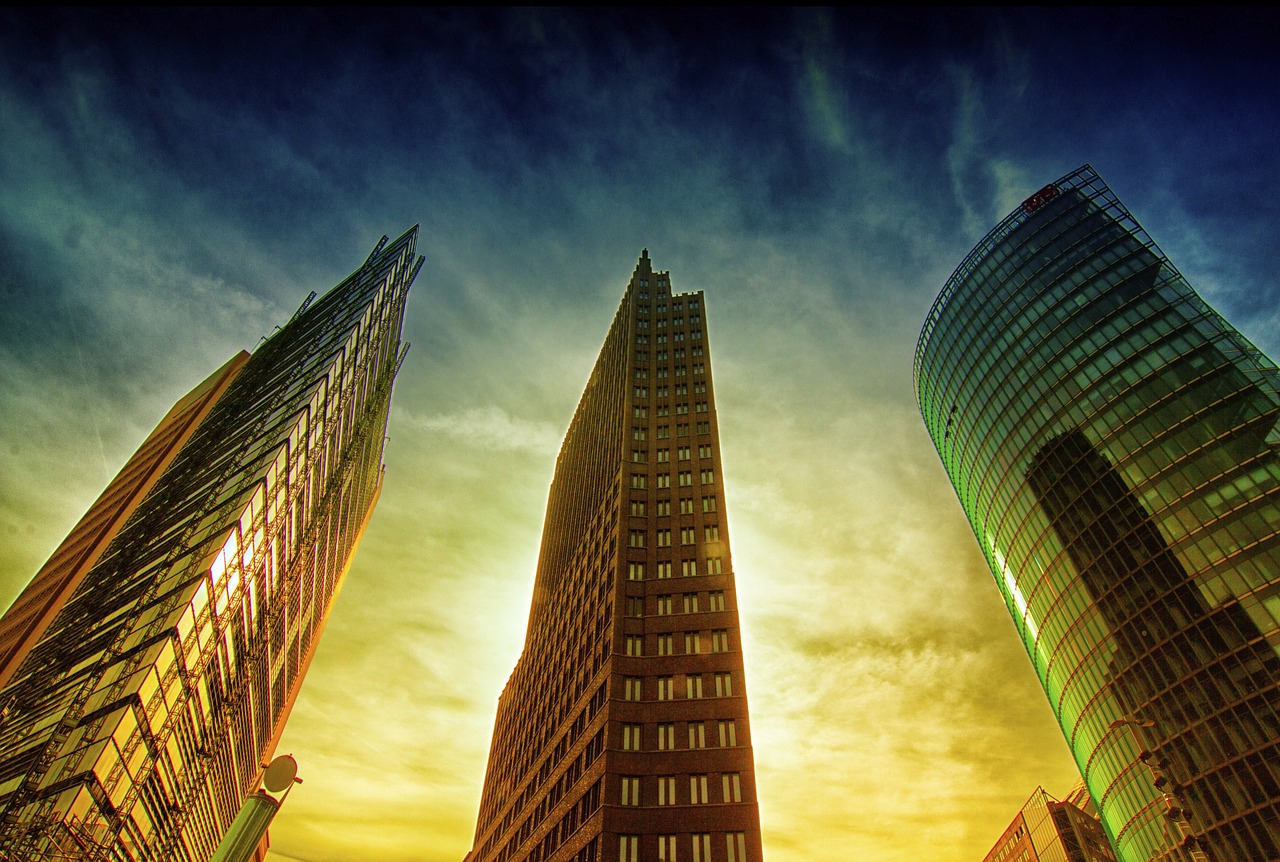
The compact center around Brandenburger Straße and Alter Markt is where most visitors naturally gravitate. You’ll find shopping, major churches, the parliament building, and lots of cafés with outdoor seating.
Good for: First‑time orientation, shopping, short stays, evening strolls.
Holländisches Viertel (Dutch Quarter)
More than just a tourist photo stop, the Dutch Quarter is a lived‑in neighborhood with a strong sense of place. The red‑brick houses, small squares, and creative shops make it feel cozy and slightly bohemian.
Good for: Dining, boutique shopping, atmospheric evenings.
Babelsberg
Babelsberg feels like a small town within the city — complete with its own center, parks, and film studios nearby. Students, young families, and film workers give it a lively but down‑to‑earth vibe.
Good for: Longer stays, local food, relaxed nights out.
Bornstedt & Pfingstberg
North of Sanssouci, Bornstedt and the Pfingstberg area are full of villas, quiet streets, and green spaces. It’s a beautiful, slightly more residential side of Potsdam where you can imagine what 19th‑century life here must have been like.
Good for: Walks, viewpoints, escaping the crowds.
Nördliche Vorstadt & Volkspark Area
Less touristy but increasingly popular with young families and students, the northern districts around Volkspark show everyday Potsdam life: supermarkets, playgrounds, modern housing mixed with older buildings.
Good for: Seeing the “real city” beyond the palaces, budget accommodation.
Local Food in Potsdam & Where to Eat
Potsdam’s food scene blends traditional Brandenburg dishes, broader German classics, and international influences. While it’s not as experimental as Berlin, you’ll eat very well here — especially if you like hearty plates, cakes, and lakeside beer gardens.
What to Eat in Potsdam
- Königsberger Klopse: Meatballs in a creamy caper sauce, common on local menus.
- Brandenburger Wild: Game dishes (like venison) in autumn and winter.
- Fischbrötchen: Fish sandwiches, especially near lakes and rivers.
- Asparagus (Spargel): In spring (April–June), white asparagus is everywhere, served with potatoes and hollandaise.
- German cakes: Don’t miss afternoon coffee and cake — apple cake, plum cake, Black Forest, and more.
Favorite Eating Areas
Dutch Quarter: My go‑to for dinner and drinks. You’ll find everything from traditional German to Mediterranean and vegetarian spots. Prices are mid‑range, but you can save by going for lunch specials.
Babelsberg: Great for slightly cheaper, more local‑feeling places. I’ve had excellent Italian and Turkish meals here at student‑friendly prices.
Old Town & Around Brandenburger Straße: Plenty of cafés and restaurants, ideal for lunch during sightseeing.
Saving Money on Food
- Lunch specials: Many places offer a cheaper Mittagstisch (lunch menu) on weekdays.
- Bakeries: Grab sandwiches, pastries, and coffee from local bakeries for a budget‑friendly breakfast or picnic.
- Supermarkets: REWE, Edeka, and others near the station are perfect for stocking up on snacks and drinks.
- Street food: Keep an eye out for döner kebab shops and Imbiss stands — filling and inexpensive.
Nightlife, Entertainment & Cultural Experiences in Potsdam
Potsdam’s nightlife is gentler than Berlin’s, but that’s part of its charm. Think wine bars, cozy pubs, student hangouts, and cultural events rather than mega‑clubs.
Evening & Nightlife Options
- Wine & cocktail bars: Concentrated around the Dutch Quarter and side streets off Brandenburger Straße.
- Pubs & beer gardens: Great in summer along the Havel and in Babelsberg.
- Student bars: Near university areas; cheap drinks, casual vibes.
Cultural Experiences
- Concerts: Check the program of Nikolaisaal and churches for classical and jazz.
- Theater & opera: Potsdam’s stages host a mix of local productions and guest performances.
- Film events: The Filmmuseum and independent cinemas often host retrospectives, festivals, and themed screenings.
One of my favorite memories is stumbling into a small jazz concert advertised on a handwritten sign near the Dutch Quarter. We sat at candlelit tables, listened to a trio play standards and originals, and walked back to the station through quiet streets afterwards. That’s Potsdam nightlife at its best: intimate, relaxed, unexpectedly sophisticated.
Major Events & Festivals in Potsdam (2026–2027)
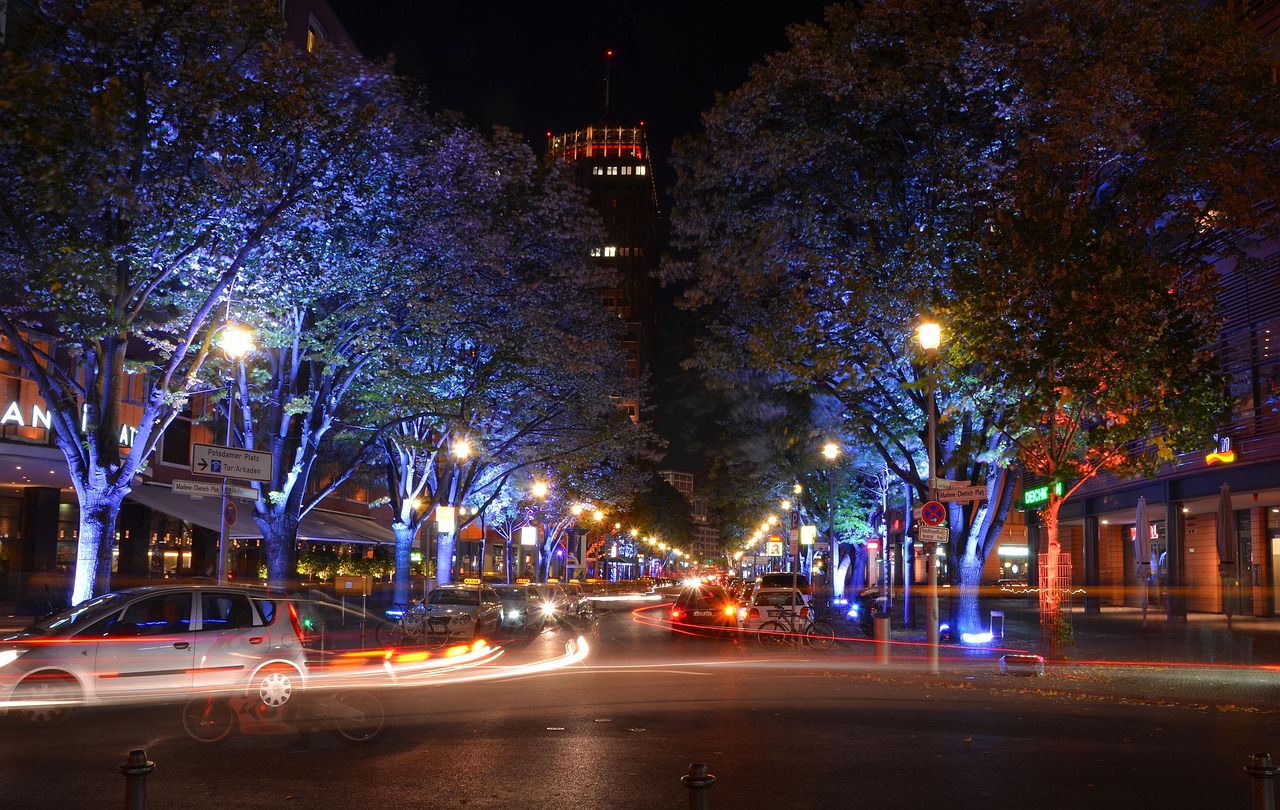
Dates and details can shift, so always double‑check closer to your trip, but here are recurring and special events to watch in 2026–2027:
- Potsdamer Schlössernacht (Palace Night): Usually held in late summer, this magical evening opens Sanssouci Park and palaces for illuminated walks, concerts, and performances. In 2026, expect expanded programming around Prussian cultural anniversaries.
- Musikfestspiele Potsdam Sanssouci: A renowned early‑music festival each June, with concerts in palaces, churches, and gardens.
- Sehsüchte Film Festival: One of Europe’s largest student film festivals, held annually in spring in cooperation with the Film University Babelsberg.
- Christmas Markets: From late November through December, markets pop up at Alter Markt, the Dutch Quarter, and other squares. Potsdam’s markets are cozy and less crowded than Berlin’s, with beautiful backdrops.
- 2026–2027 Special Exhibitions: Look for exhibitions related to 250‑year anniversaries of key architectural projects in Sanssouci and the Neues Palais — museums and parks are planning special displays and tours.
Day Trips & Nearby Attractions from Potsdam
Potsdam itself can easily fill 3–5 days, but if you’re staying longer or coming back often (as I do), there are excellent day trip options nearby.
Berlin
Travel time: 25–40 minutes by S‑Bahn or regional train.
Obvious but essential. Spend a day in Berlin’s museums, neighborhoods, and historic sites, then retreat to Potsdam’s calmer streets in the evening.
Wannsee & Peacock Island (Pfaueninsel)
Travel time: Around 30–45 minutes via regional train and ferry.
Combine a visit to the lakeside area of Wannsee with a ferry trip to Pfaueninsel, a romantic island dotted with peacocks, follies, and forest paths. It’s like stepping into a 19th‑century painting.
Brandenburg an der Havel
Travel time: ~40 minutes by regional train.
An older, smaller city west of Potsdam with medieval churches, river views, and a quieter feel. Great if you want non‑royal history and fewer visitors.
Havelland Lakes & Nature
The entire region around Potsdam is rich in lakes, forests, and small towns. If you’re into cycling, kayaking, or just wandering, consider renting a bike and exploring one of the signed routes out of the city.
Cultural Etiquette & Local Customs in Potsdam
Understanding a few local customs will make your time in Potsdam smoother and more enjoyable. Brandenburgers (and Germans in general) can seem reserved at first, but they’re usually very friendly once you break the ice.
Basic Etiquette
- Greetings: A simple “Guten Tag” (good day), “Hallo,” or “Guten Abend” is appreciated when entering shops or restaurants.
- Quiet in residential areas: Keep noise down late at night, especially in courtyards and stairwells.
- Punctuality: Being on time for tours, reservations, and meetups is considered respectful.
Dining Customs
- Seat yourself vs. wait to be seated: In many casual places, you can choose a table yourself; in more formal restaurants, wait to be shown to a seat.
- Water: Tap water is safe but often not offered automatically; ask for “Leitungswasser” if you want tap, or expect to pay for bottled water.
- Tipping: Round up or add about 5–10% in restaurants and cafés. Tell the server how much you’d like to pay total when they bring the bill (e.g., “zwanzig Euro, bitte” for a €18.50 bill).
Public Spaces & Nature
- Stay on paths where requested: Many parks and lakeside areas have protected zones.
- Trash: Use bins; Potsdam is generally very clean, and people notice littering.
- Nudity: FKK (nudist) areas do exist at some lakes in Brandenburg; they’re clearly marked. If you stumble across one accidentally, just act normal and keep moving.
Language
Many younger people and those in the tourism industry speak English, but older generations may be less confident. A few German phrases go a long way:
- Bitte: Please / you’re welcome
- Danke: Thank you
- Entschuldigung: Excuse me / sorry
- Sprechen Sie Englisch? Do you speak English?
Practical Travel Advice for Potsdam
How to Get to Potsdam
- From Berlin: Take S‑Bahn lines S7 or regional trains (RE1, RB21, RB22) to Potsdam Hauptbahnhof. Regional trains are faster but may be more crowded at rush hours.
- From Berlin Brandenburg Airport (BER): Regional trains connect BER to Potsdam with a change in Berlin; allow around 60–75 minutes door‑to‑door.
Getting Around Potsdam
- On foot: The center and major sights like Sanssouci are walkable if you enjoy walking.
- Trams & buses: An efficient network covers the city. Buy tickets from machines, apps, or some tram stops; validate them before use.
- Bikes: Highly recommended. Potsdam is mostly flat with many bike paths. Several rental shops operate near the station and city center.
- Car: Not needed for the city itself and can be a hassle for parking; useful only if you plan wider exploration of Brandenburg.
Saving Money in Potsdam
- Day passes: Consider a day transport ticket that covers Berlin AB + Potsdam (zone C), especially if you’re going back and forth.
- Combination tickets: Some palaces and museums offer combined entry passes that save money if you’re visiting multiple sites.
- Picnics: Eating one meal a day as a picnic from supermarket/bakery supplies helps balance your budget.
- Free sights: Parks like Sanssouci Park (excluding palace interiors), Neuer Garten, and many lakeside paths are free to enter.
SIM Cards & Connectivity
- Prepaid SIMs: Available from major providers like Telekom, Vodafone, and O2 in electronics shops, supermarkets, and dedicated stores in Berlin and Potsdam.
- Registration: You’ll need ID (passport) to register a SIM due to German regulations.
- eSIM: Many international travelers find it easiest to buy an eSIM online before arrival.
- Wi‑Fi: Available at many cafés, hotels, and some public spaces; coverage is good but not universal.
Visa Requirements & Entry
Potsdam follows German and Schengen Area rules:
- EU/EEA/Swiss citizens: No visa needed; enter with ID card or passport.
- Many other nationalities: Can enter visa‑free for short stays (up to 90 days) — check current Schengen lists before travel.
- Others: May require a Schengen visa obtained in advance from a German consulate or embassy.
Always check up‑to‑date information from official government sources before traveling, as rules can change.
Driving & Foreign Licenses
- Short stays: Many foreign driver’s licenses are accepted for temporary visits; an International Driving Permit (IDP) can be useful alongside your home license.
- Road rules: Drive on the right, seatbelts mandatory, strict drink‑driving laws.
- Parking: Limited and often paid in central Potsdam; park‑and‑ride or using public transport is usually easier.
Best Seasons for Different Activities
- Spring (April–June): Perfect for gardens and parks; blossoms and mild temperatures. Great for walking itineraries and outdoor cafés.
- Summer (July–August): Ideal for lake swimming, boat tours, and long evenings in beer gardens. Also the busiest and warmest time; book accommodation early.
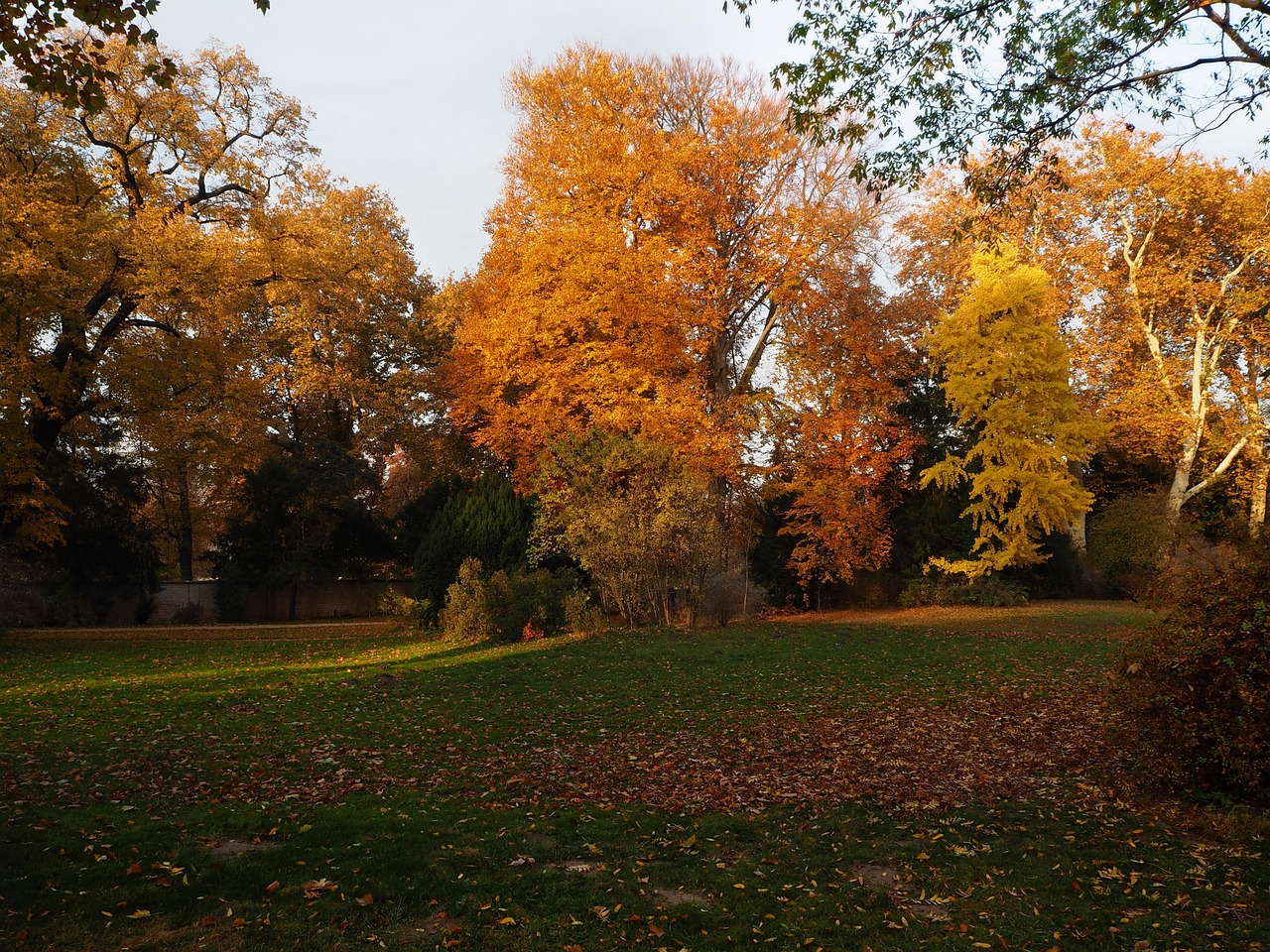
- Autumn (September–October): My personal favorite: golden leaves in Sanssouci, fewer crowds, crisp air. Lovely for photography and romantic trips.
- Winter (November–February): Quiet and atmospheric. Christmas markets, occasional snow, cozy cafés, and almost empty palaces. Some outdoor attractions feel less lively, but museum‑goers will be happy.
Hidden Tips for Travelers
- Start early: Palaces like Sanssouci feel completely different at 9:00 than at 11:00.
- Bring a reusable water bottle: Refill at your hotel or fountains; tap water is safe.
- Check for construction: Potsdam is constantly restoring and renovating; a quick check of official sites before your trip will help avoid surprises.
- Layer up: Even in summer, evenings by the water can be cool; in winter, multiple layers are essential for long walks in parks.
- Use bikes wisely: They’re fantastic, but remember to lock them securely and never ride in pedestrian‑only zones like some central streets.
Summary & Final Recommendations for Visiting Potsdam
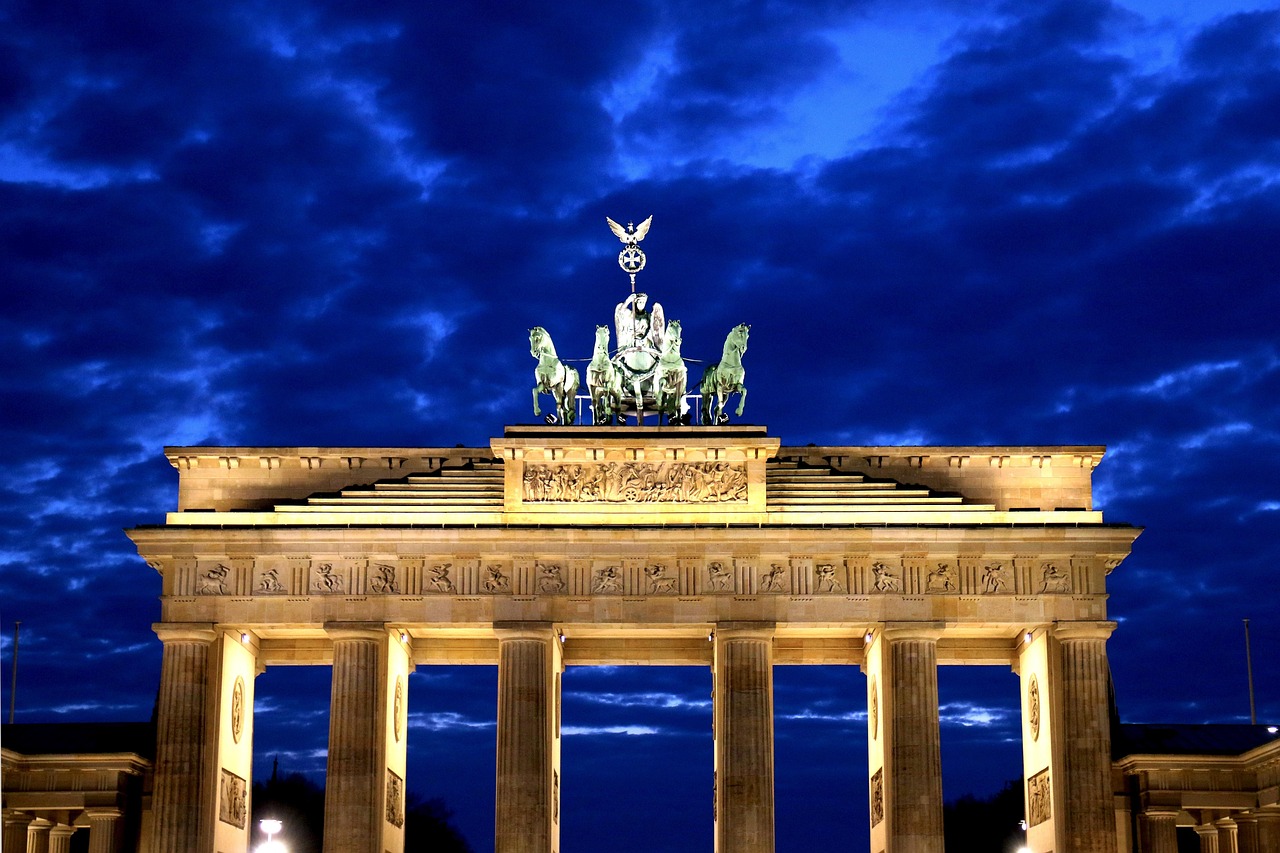
Potsdam is one of those cities that reveals more layers the longer you stay. At first glance, it’s a day‑trip destination from Berlin with impressive palaces. But give yourself 3 days in Potsdam or more, and it becomes something richer: a place where you can wander between centuries, from Prussian courts to Cold War borderlines, from silent‑film studios to modern research labs — and still end each day with your feet in the grass by a lake.
For a quick trip: A 3 day itinerary for Potsdam will let you see Sanssouci, Cecilienhof, the Dutch Quarter, Babelsberg, and at least one film‑related site.
For a deeper experience: A 4 day itinerary for Potsdam or 5 days in Potsdam adds time for neighborhoods, viewpoints like Belvedere Pfingstberg, and lazy afternoons in parks and cafés.
Best time to visit: If you can choose, aim for late spring (May–June) or early autumn (September–early October). You’ll get comfortable weather, lush or golden parks, and fewer crowds than in peak summer. Winter, though quieter, has its own charm with Christmas markets and empty museum halls.
Whether you’re coming for royal architecture, film history, lakeside relaxation, or all of the above, Potsdam rewards curiosity and a slightly slower pace. Walk a little further, sit a little longer on that park bench, take that side street in Babelsberg — that’s where the city’s true character reveals itself.