Why Visit Regensburg? What Makes This City So Special
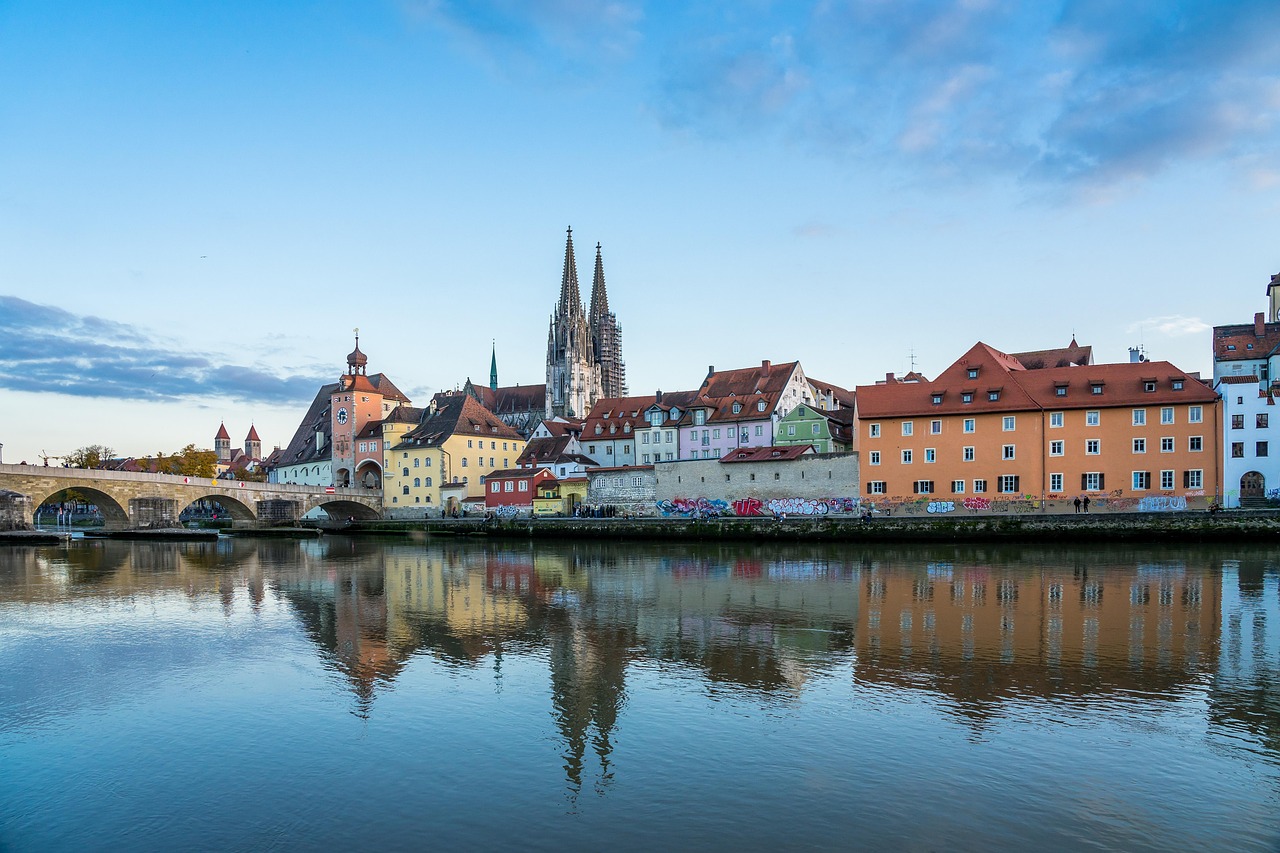
Regensburg is one of those places that hooks you quietly. It doesn’t shout like Berlin or Munich. Instead, it whispers stories from 2,000 years of history through narrow cobblestone lanes, pastel townhouses, and a skyline pierced by Gothic spires and medieval towers.
I’ve been coming here regularly for more than a decade—weekend escapes from Munich, slow winter visits, sticky summer days along the Danube—and every single trip reveals another hidden courtyard, another quirky café, another river view I hadn’t noticed before.
What sets Regensburg apart?
- UNESCO World Heritage Old Town: One of the best-preserved medieval city centers in Europe, barely touched by WWII bombing.
- Compact, walkable, and relaxed: You can cross the core of the city in 15–20 minutes on foot, but you’ll keep getting sidetracked by cafés, churches, and river views.
- Real, lived-in atmosphere: This is a university town with a strong local community, not a museum city. Students, families, and visitors share the same bars and bakeries.
- Danube-side setting: Sunsets over the Danube and the Stone Bridge are reason enough to spend at least 3 days in Regensburg.
- Beer and Bavarian comfort food: Biergartens on the river, smoky sausages from a 900-year-old kitchen, and cozy Wirtshäuser serving dumplings and roast pork.
- Easy base for day trips: Forests, monasteries, castles, and the Danube valley are all within an hour.
Whether you’re planning a 3 day itinerary for Regensburg or stretching to a full 5 days in Regensburg, this guide will walk you through the must-see attractions, hidden gems, and practical travel tips for Regensburg so you can experience the city the way locals do.
Table of Contents
- How Many Days in Regensburg? 3–5 Day Itineraries
- 20 Must-See Attractions in Regensburg (Deep Dive)
- Best Neighborhoods and Areas to Explore
- Local Food in Regensburg: What and Where to Eat
- Nightlife, Entertainment & Cultural Experiences
- Best Day Trips from Regensburg
- What’s New in 2026–2027: Events & Festivals
- Cultural Etiquette & Local Customs
- Practical Travel Advice for Regensburg
- Summary & Best Time to Visit Regensburg
How Many Days in Regensburg? Crafting Your 3–5 Day Itinerary
If you’re wondering how long to stay, here’s my honest take after many visits:
- 3 days in Regensburg: Perfect for first-timers. You’ll cover the main sights, taste the local food, and get a feel for the city’s rhythm.
- 4 days in Regensburg: Add slower mornings, a river cruise, and some neighborhood wandering.
- 5 days in Regensburg: You can really live like a local, explore hidden gems, do a day trip, and dip into the nearby nature.
3 Day Itinerary for Regensburg: Essentials & Iconic Views
This is the 3 day itinerary for Regensburg I usually recommend when friends visit for the first time. It’s walkable, food-focused, and hits all the big landmarks.
Day 1 – First Impressions: Stone Bridge, Old Town, and the Danube
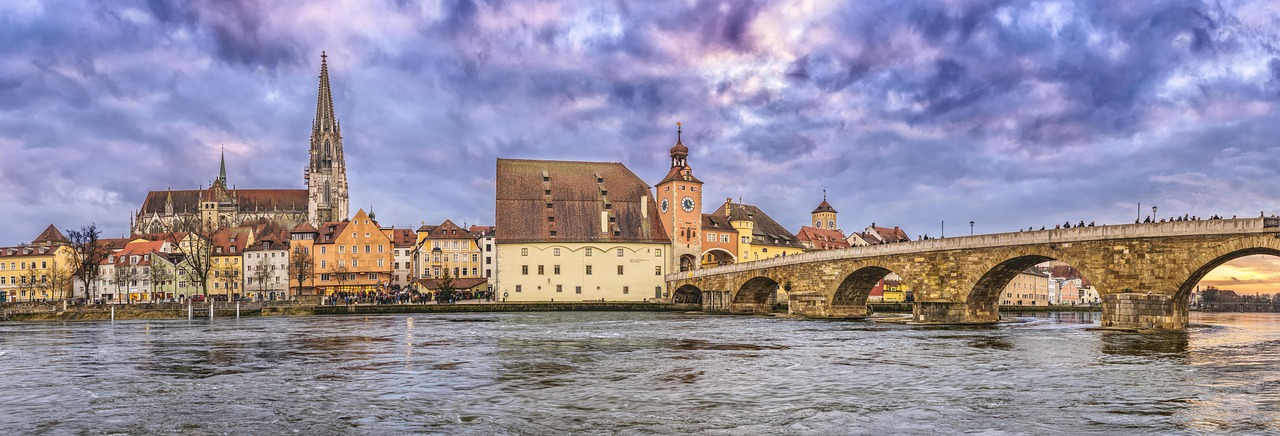
I usually start every new visit the same way: crossing the Stone Bridge just after breakfast, before the tour groups arrive.
- Morning:
- Walk across the Steinerne Brücke (Stone Bridge) and up to the viewing point on the north bank.
- Loop back into the Old Town via the Brückturm and wander aimlessly through the alleys around Haidplatz and Kohlenmarkt.
- Lunch:
- Grab sausages at the Historische Wurstkuchl by the bridge (details in the attractions section below).
- Afternoon:
- Visit Regensburg Cathedral (Dom St. Peter) and climb a tower if open.
- Explore Domplatz and nearby lanes like Kramgasse.
- Evening:
- Sunset stroll along the Danube promenade and dinner in a traditional Wirtshaus in the Old Town.
Day 2 – Towers, Courtyards, and the Danube Culture
On my second day, I like to dig deeper into Regensburg’s trading history and hidden courtyards.
- Morning:
- Explore Goliathhaus, medieval patrician towers, and the Altes Rathaus (Old Town Hall).
- Join a guided tour of the Old Town Hall’s Reichssaal if available.
- Lunch:
- Try a casual spot around Kohlenmarkt or a café near Bismarckplatz.
- Afternoon:
- Visit the Document Neupfarrplatz to see Roman ruins under the square.
- Optional: Danube river cruise for another view of the city.
- Evening:
- Craft beer or a relaxed wine bar in the Old Town, then a night walk past the illuminated Stone Bridge.
Day 3 – Green Escape & Local Vibes
By day three, I’m usually ready for greenery and slower moments.
- Morning:
- Walk or cycle to Herzogspark and the Danube banks west of the city.
- Visit the Thurn und Taxis Palace and gardens.
- Lunch:
- Picnic supplies from a local bakery and supermarket, or a café in the New Town area.
- Afternoon:
- Explore Stadtamhof, the island district across the Stone Bridge.
- Evening:
- Biergarten by the river (in season) and a final evening wandering the Old Town.
This 3 day itinerary for Regensburg hits the highlights while leaving space for wandering—exactly how the city is best enjoyed.
4 Day Itinerary for Regensburg: Slower Pace & Deeper Dives
For a 4 day itinerary for Regensburg, add:
- Day 4 Option A (Culture Focus):
- Visit the Historisches Museum (History Museum) for Roman and medieval artifacts.
- Spend time in art galleries or catch a performance at the Stadttheater Regensburg in the evening.
- Day 4 Option B (Nature Focus):
- Cycle out to Walhalla (the hilltop temple overlooking the Danube) or take a boat + bus combination.
- Dinner back in town with a nightcap along the river.
Four days gives you enough time to blend the classic things to do in Regensburg with more relaxed, local-style exploration.
5 Day Itinerary for Regensburg: Live Like a Local
If you’re lucky enough to have 5 days in Regensburg, you can slow down and add a day trip.
- Day 5 – Day Trip Ideas:
- Walhalla & Donaustauf (if not done already): easy half-day.
- Kelheim & Weltenburg Abbey: boat ride through the Danube Gorge and beers in the monastery brewery.
- Or stay local with a full day of cafés, bookstores, and riverside relaxation.
A 5 day itinerary for Regensburg transforms the city from a sightseeing stop into a temporary home base, perfect for slow travelers, couples, and families.
20 Must-See Attractions in Regensburg (With Local Insights)
Below are 20 of the best places to visit in Regensburg. I’ve organized them from the most iconic to more hidden gems, with personal notes and practical tips for each. Think of this as the heart of your travel guide for Regensburg.
1. Regensburg Cathedral (Dom St. Peter)
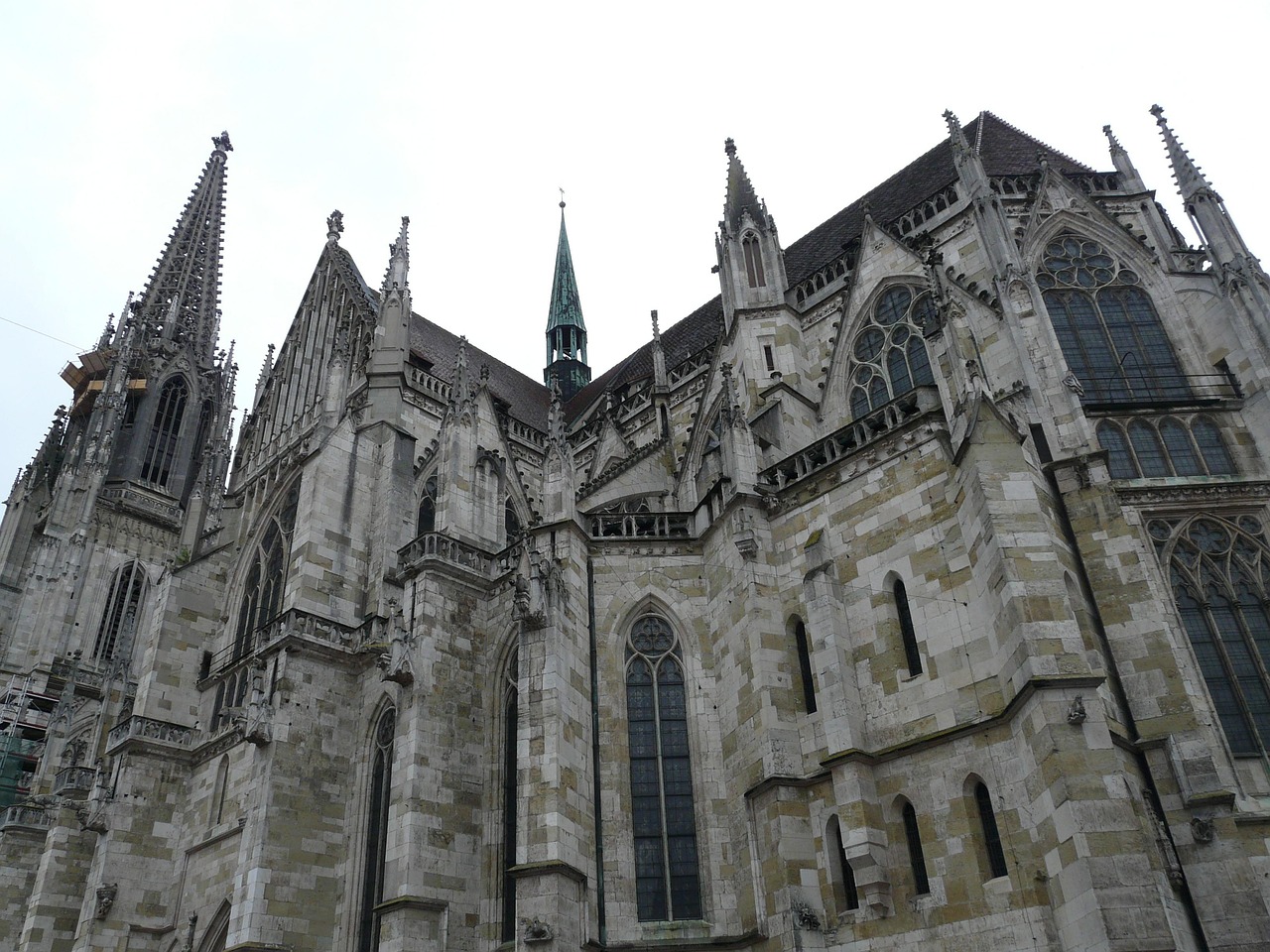
The first time I saw the Cathedral spires was on a misty autumn morning. The fog clung to the narrow streets, and suddenly the Gothic towers just rose out of nowhere, dark and intricate against the pale sky. It still catches me off guard years later.
Why it’s special: Dom St. Peter is one of the finest examples of Gothic architecture in southern Germany. Construction began in the 13th century and continued for centuries. The façade is a forest of stone carvings, with saints, gargoyles, and delicate tracery that rewards slow looking.
Inside the Cathedral, light filters through stained glass windows that date back to the 14th century. I like to slip into a side pew and just watch the colors slowly move along the floor as the sun shifts.
Don’t miss:
- The stained glass in the choir area.
- The Regensburger Domspatzen (Cathedral boys’ choir) when they perform—check schedules in advance.
- The view from the towers when open: you’ll see the entire Old Town, the Danube, and even out to Walhalla on clear days.
Practical tips:
- Getting there: Right in the heart of the Old Town at Domplatz; you’ll almost inevitably end up here on your first walk.
- Best time to visit: Early morning for quiet reflection, or late afternoon when the sun hits the stained glass.
- Dress & etiquette: Shoulders covered, hats off, quiet voices—remember it’s an active place of worship.
2. Stone Bridge (Steinerne Brücke)
This 12th-century stone bridge is Regensburg’s most iconic sight—and still my favorite place for sunrise and sunset. I’ve walked across it in blazing heat, icy wind, and thick snow; it never loses its charm.
History & significance: Completed around 1146, the Stone Bridge was an engineering marvel of its time and helped turn Regensburg into a major medieval trading hub. For centuries, it was the only reliable crossing of the Danube between Ulm and Vienna.
How to experience it:
- Walk from the Old Town across to Stadtamhof for an evolving skyline view.
- Pause at the middle arches to watch boats and river life below.
- In winter, feel the icy wind whip off the water—then reward yourself with hot chocolate nearby.
Photo tip: Early morning from the north bank captures the bridge, Old Town, and Cathedral in one frame. Sunset can be spectacular, but it’s busier.
3. Historic Sausage Kitchen (Historische Wurstkuchl)
The Wurstkuchl is basically an institution—a tiny, smoky sausage stand that’s been feeding workers, merchants, and travelers for roughly 900 years. I try to swing by at least once per visit, usually on a chilly day when the smell of grilled sausage is impossible to resist.
What to order:
- “6 auf Kraut”: six small Regensburger sausages on sauerkraut, with a side of bread.
- Don’t skip the sweet mustard—it’s almost as famous as the sausages themselves.
- Pair it with a local beer or a “Spezi” (cola-orange soda mix) if you’re keeping it alcohol-free.
My tip: The riverside seating is wonderful on sunny days, but in peak season it gets crowded. If the line is long, consider coming slightly off-hours (late morning or mid-afternoon) or getting it to go and finding your own spot by the river.
4. Regensburg Old Town (Altstadt)
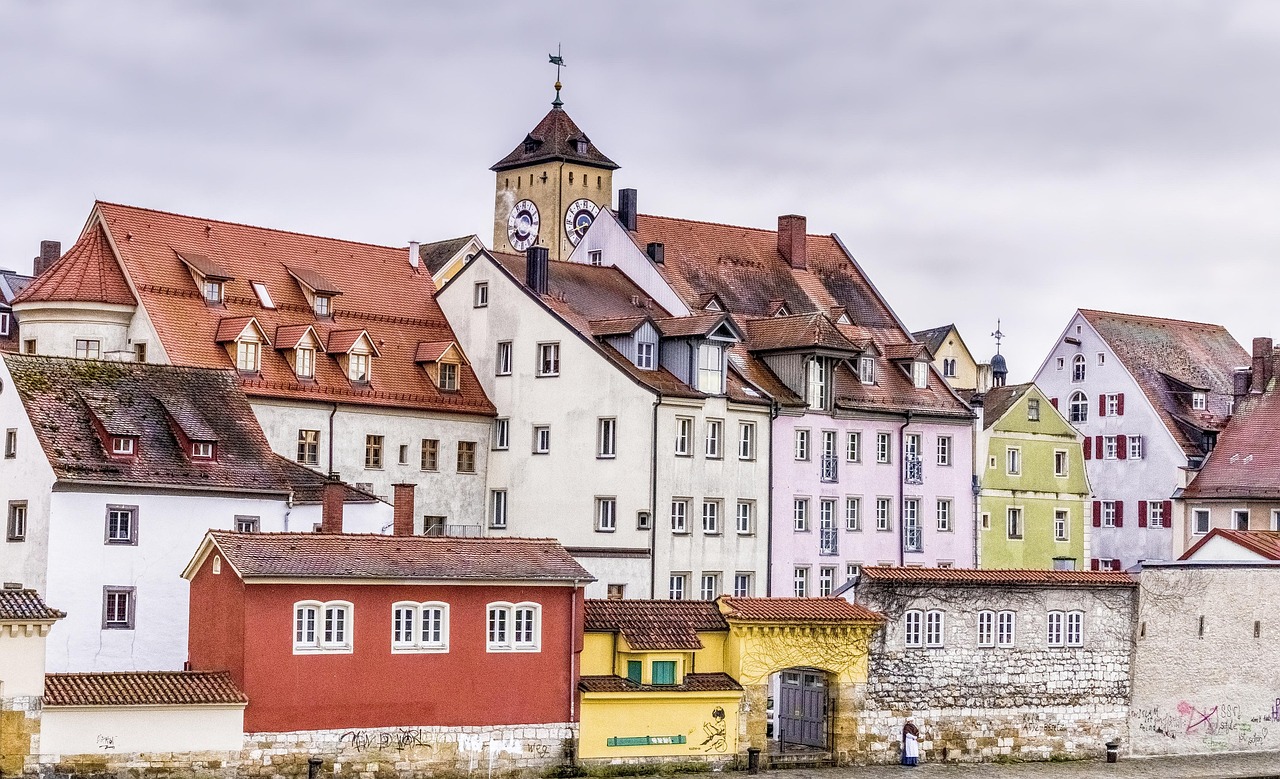
Regensburg’s Old Town is the city. If you only had time for one thing, wandering these streets would be it. It’s a UNESCO World Heritage Site not because of any single building, but because the whole place is such a well-preserved snapshot of a medieval trading city.
Highlights:
- Haidplatz: a lively square with cafés and colorful townhouses, great for people-watching.
- Kohlenmarkt: atmospheric, especially at dusk when lights glow in the windows.
- Neupfarrplatz: built over the remains of Regensburg’s former Jewish quarter; now a busy square with underground archaeological remains.
- Schloss Thurn und Taxis surroundings: more on that below.
How I like to explore: I usually skip the map at first and just follow whatever alley looks intriguing. I’ve stumbled into impromptu street concerts, tiny bookstores, and quiet courtyards this way.
Family-friendly? Very. The car-free lanes, frequent ice cream stops, and frequent street musicians make it great with kids, as long as you don’t plan on racing through a checklist.
5. Stadtamhof
Stadtamhof feels like a small village that just happens to be a few minutes’ walk from the Old Town. Cross the Stone Bridge, and you’re in a quieter, more residential world of colorful houses, little bars, and river views.
Why I love it: When the Old Town feels a bit overwhelming in summer, I escape to Stadtamhof. I’ve spent lazy afternoons here on café terraces, writing or reading while watching cyclists roll by.
What to do:
- Wander the main street and side lanes.
- Pop into a small bakery or café for coffee and cake.
- Walk further along the river paths for quieter viewpoints back towards the city.
Tip: It’s a lovely area for a romantic stroll in the evening or a family-friendly walk during the day—flat, pleasant, and safe.
6. Thurn und Taxis Palace (Schloss St. Emmeram)
The first time I toured the Thurn und Taxis Palace, I remember thinking: “So this is what old postal money buys.” The Thurn und Taxis family built a fortune running postal services across Europe and turned the former St. Emmeram monastery into a sprawling palace complex.
What to see:
- The palace interiors on a guided tour—lavish rooms, libraries, and reception halls.
- The courtyards and gardens, especially pleasant from late spring to early autumn.
- In winter, the Romantic Christmas Market (one of the most atmospheric in Germany) usually takes place here, with torchlight and stalls tucked into the courtyards.
My experience: I’ve visited in both summer (green, tranquil, birdsong) and in December during the Christmas market (glowing lights, mulled wine, and a fairy-tale feel). Both are worth it, but the market is genuinely special—even if it’s pricier than the city’s public markets.
Practical tips:
- Location: A 10–15 minute walk southwest of Domplatz.
- Tickets: Tours run at set times, and English tours may be less frequent—check in advance, especially in shoulder seasons.
7. Old Town Hall (Altes Rathaus) & Reichssaal
At first glance, the Altes Rathaus is another handsome medieval building on a pretty square. But step inside, and you’re walking into the political heart of the Holy Roman Empire.
History: The Old Town Hall’s Reichssaal (Imperial Hall) hosted sessions of the Perpetual Diet of Regensburg, where representatives from across the Empire met from the 17th to early 19th centuries. The room still has that hushed, heavy sense of importance.
What I enjoyed most: The guided tour includes stories about imperial politics, as well as a peek into the darker side—the old city prison and torture chamber in the basement. It’s not too graphic, but sensitive visitors may prefer to skip that part.
Tip: Combine a visit here with a coffee on the square outside. It’s one of my favorite spots to watch the city go about its business.
8. Neupfarrplatz & Document Neupfarrplatz
On the surface, Neupfarrplatz is a busy modern square with shops, a church, and kids running through fountains. But underneath lies a layered history of Roman buildings and the former Jewish quarter.
Document Neupfarrplatz is a small but powerful underground museum where you can walk through excavated cellars and see remnants of Roman and medieval life. The first time I went, I was struck by how quiet it felt compared to the bustle above.
Why it matters: It’s a tangible reminder that Regensburg’s beauty sits on complex, sometimes painful history, including the destruction of the medieval synagogue and Jewish quarter in the 16th century.
Good to know: It doesn’t take long to visit—allow 45–60 minutes—but adds a lot of depth to your understanding of the city.
9. Goliathhaus
The giant mural of David and Goliath on this 13th-century patrician house is one of Regensburg’s most photographed façades. But I like it best in the early morning when the alley is still quiet.
History & feel: The painting dates back to the 16th century and symbolized the wealth and status of the family who lived here. Today, the building houses restaurants and apartments, a reminder that Regensburg’s grand history is tightly woven into daily life.
Tip: Look up as you walk around this area—many of the surrounding buildings have interesting details, from oriel windows to carved stone doorways.
10. Porta Praetoria
Tucked into a side street near the Cathedral, the Porta Praetoria is a fragment of Regensburg’s Roman past. It was part of the northern gate of the Roman fort Castra Regina, built around 179 AD.
Why I like it: You don’t need a ticket, and there’s no big fanfare—you just suddenly find yourself face to face with weathered Roman stone. It gives you a sense of how long people have been living and working on this patch of ground.
Tip for families: Kids often love the idea that Roman soldiers once walked through this gate. It’s a quick but memorable stop on a family-friendly walk.
11. Herzogspark & Danube Promenade
When I need a break from cobblestones, I head to Herzogspark. It’s a small, shady park overlooking the Danube, with flower beds, old trees, and benches perfect for reading or just watching the river flow.
What to do:
- Stroll the paths and sit at one of the viewpoints.
- Combine with a longer Danube riverside walk towards the west.
- Bring a snack or take-away coffee for an inexpensive, peaceful break.
Best time: Late afternoon in spring or summer is especially lovely, with warm light on the water and locals walking dogs or jogging.
12. Historisches Museum Regensburg
On a rainy autumn day, I ducked into the Historisches Museum almost by accident—and ended up staying far longer than planned. The museum traces Regensburg’s history from Roman times through the Middle Ages and into modernity.
Highlights:
- Roman artifacts and models of Castra Regina.
- Medieval art, including religious sculptures and altarpieces.
- Exhibits on Regensburg’s role in the Holy Roman Empire and as a trading city.
Tip: It’s a great option if you have 4–5 days in Regensburg and want deeper context, or if you hit a rainy day on your itinerary.
13. Walhalla
Strictly speaking, Walhalla lies just outside Regensburg, but it’s such a classic excursion that it belongs in any travel guide for Regensburg. This neoclassical temple sits high above the Danube, filled with busts of “great Germans” (in the broad historical sense).
My visits: I’ve been up here on a clear summer day when the view stretched forever and on a moody November afternoon when clouds rolled dramatically over the valley. Both were worth the trip.
What to expect:
- Climb the broad staircase for panoramic views over the Danube and surrounding countryside.
- Inside, rows of marble busts and plaques honor figures from German-speaking history and culture.
Getting there:
- By bus or car to Donaustauf, then walk up.
- Or combine a Danube boat trip (seasonal) with a bus/taxi up the hill.
Tip: Go in the morning or late afternoon to avoid midday heat in summer; the stairs are exposed.
14. St. Emmeram Abbey & Basilica
Before it became part of the Thurn und Taxis complex, St. Emmeram was a powerful Benedictine abbey. Today, the basilica is one of the city’s quieter religious spaces—less visited than the Cathedral but richly decorated.
Why visit: For ornate baroque interiors, quiet contemplation, and a sense of continuity between monastic and aristocratic Regensburg.
My tip: Pair a quick visit to the basilica with a longer stroll through the palace grounds. It’s an easy way to fold more history into a relaxed afternoon.
15. Scots Monastery (Schottenkirche St. Jakob)
The Schottenkirche is a little off the main tourist route, which is exactly why I love it. Founded by Irish-Scottish monks in the 12th century, the church is known for its stunning Romanesque portal.
What to look for: The north portal, with its intricate stone carvings of biblical scenes, fantastical creatures, and symbolic figures. You can stand there for ages picking out details.
Atmosphere: It’s usually calm and uncrowded, making it a good stop if you’re feeling overloaded by the busier sights in the Old Town.
16. Ostentor & Eastern Old Town
The Ostentor is one of the remaining medieval city gates, marking the eastern edge of the historic center. The area around it feels a bit more local and less curated than the postcard-perfect core.
Why go:
- For a sense of the city’s former fortifications.
- For cafés and bars frequented more by locals and students.
- To extend your walking loop beyond the standard Old Town circuit.
My routine: On longer stays, I often rent an apartment a bit closer to this side of town; it’s quieter at night but still within walking distance of everything.
17. Danube River Cruises
Seeing Regensburg from the water adds a completely different perspective. The Old Town unfolds in layers—bridges, towers, church spires, and then trees and cliffs as you move away from the center.
Options:
- Short sightseeing cruises around Regensburg.
- Longer trips to Walhalla, Kelheim, or Weltenburg Abbey.
Tip: In high season, book popular routes (like to Weltenburg) a bit in advance, especially on weekends. Families often love these trips—kids can roam a bit on deck, and there’s usually food and drink on board.
18. Bismarckplatz & Theater District
Bismarckplatz is the hinge between the historic core and the more modern parts of Regensburg. It’s a busy square anchored by the city theater, with trams and buses converging and a constant flow of students and locals.
Why I like it: It has a lived-in, everyday energy—street musicians, kids with ice cream, theatergoers in the evening. I often pass through here multiple times a day on my way to different parts of town.
Nearby: The Stadttheater often has opera, drama, and concerts—check listings if you’re interested in a cultural night out.
19. Spitalgarten Biergarten
If you asked me for one place that captures summer in Regensburg, I’d say Spitalgarten. This riverside beer garden sits on the north bank near Stadtamhof, under big trees with perfect views of the Old Town and Stone Bridge.
What to expect:
- Self-service beer and food counters.
- Classic Bavarian dishes (sausages, Obatzda cheese spread, pretzels) and simple snacks.
- Communal tables where you might end up chatting with locals.
My ritual: I like to come in the late afternoon, claim a spot with a view, and nurse a beer as the light changes. It’s great for couples, groups of friends, and even families—kids can wander a bit while adults relax.
Neighborhoods & Districts: Where to Wander in Regensburg
Altstadt (Old Town)
Vibe: Medieval, atmospheric, busy but still authentic.
This is where almost all visitors spend the bulk of their time—and with good reason. It’s packed with must-see attractions in Regensburg, plus most of the restaurants, cafés, and bars.
Best for: First-time visitors, short stays, couples, and anyone who wants to step out their door into history.
Stadtamhof
Vibe: Village-like, colorful, relaxed.
Across the Stone Bridge, Stadtamhof is perfect if you want Old Town charm with a slightly quieter pace. Some great small guesthouses and apartments hide here.
Best for: Romantic stays, slower travelers, and those who love riverside walks.
University Quarter & Western Districts
Vibe: Student-heavy, casual, more local.
Southwest of the core, you’ll find the university and surrounding residential neighborhoods—fewer tourists, more supermarkets, cheaper eats.
Best for: Longer stays, budget travelers, and those who like to see daily life beyond the postcard center.
Eastern Old Town & Ostentor
Vibe: Historic but lived-in, with a slight edge of grit around the edges.
East of the Cathedral and towards the Ostentor, the streets are less polished but full of character: small bars, international eateries, and older residential buildings.
Best for: Travelers who enjoy a mix of history and everyday life, plus a more low-key nightlife scene.
Local Food in Regensburg: What & Where to Eat
Food is a big part of any travel guide for Regensburg. This is Bavaria, after all—expect hearty portions, lots of pork, dumplings, and excellent beer. But Regensburg also has lighter, modern options and plenty of cafés.
Must-Try Local Dishes
- Regensburger Würstchen: The city’s famous small sausages, best at the Historische Wurstkuchl.
- Schweinebraten: Roast pork, usually with a dark beer gravy and Knödel (dumplings).
- Knödel: Bread or potato dumplings—try them plain with gravy if you’re curious.
- Obatzda: A creamy, seasoned cheese spread, classic biergarten food.
- Apfelstrudel & Kuchen: Apple strudel and cakes—perfect for afternoon coffee breaks.
Where I Like to Eat
(Names can vary and change, but these are the types of places and areas I consistently return to.)
- Traditional Wirtshäuser in the Altstadt: For roast pork, dumplings, and beer in wood-paneled rooms. Great for first nights and cold-weather comfort food.
- Wurstkuchl by the Stone Bridge: For an iconic, quick meal by the river.
- Bakeries around Neupfarrplatz & Haidplatz: For breakfast sandwiches, pastries, and inexpensive snacks.
- Stadtamhof cafés: For quieter coffee and cake with a neighborhood feel.
- Student-friendly spots near Bismarckplatz: For cheaper eats, international food, and vegetarian/vegan options.
Saving Money on Food
On longer stays, I often rent an apartment and:
- Buy breakfast items and snacks at supermarkets like REWE or Edeka.
- Have a picnic by the Danube with bakery bread, cheese, fruit, and drinks.
- Eat my main meal at lunch when some restaurants have slightly lower prices, then go lighter in the evening.
You can easily keep food costs reasonable without feeling deprived, especially if you mix restaurant meals with picnics and bakeries.
Nightlife, Entertainment & Cultural Experiences in Regensburg
Evenings in the Old Town
Regensburg’s nightlife is more cozy than wild—think pub-hopping through vaulted cellars, outdoor tables in summer, and a student buzz around Bismarckplatz and the eastern Old Town.
- Bierkellers & Pubs: Old vaulted bars serve local beers and simple food. Many are clustered in the Altstadt.
- Wine Bars: Great for a quieter, romantic evening with local and international wines.
- Live Music: Smaller venues and pubs sometimes host live bands—especially student-oriented places.
Cultural Experiences
- Stadttheater Regensburg: Opera, drama, ballet, and concerts in a classic theater setting.
- Cathedral Concerts: Organ recitals or choir performances (check schedules).
- Festivals & Fairs: Seasonal events (see the 2026–2027 section below) bring open-air stages, street food, and music.
Family-Friendly Evenings
- Early dinners in Wirtshäuser (they’re used to families).
- Ice cream walks around Neupfarrplatz and Haidplatz.
- Summer evenings along the Danube, watching boats and feeding ducks.
Day Trips from Regensburg
With 4 or 5 days in Regensburg, it’s worth heading out of town for at least one day. Here are some of my favorites:
Walhalla & Donaustauf
Distance: About 10 km east. Easy half-day trip.
What to do:
- Climb to Walhalla for the view and the temple itself.
- Explore the small town of Donaustauf, maybe with lunch or coffee.
Kelheim & Weltenburg Abbey
Distance: About 35–40 km west.
Why go: One of the best day trips from Regensburg, combining nature, river scenery, and monastic beer.
What to do:
- Boat trip through the Danube Gorge from Kelheim to Weltenburg Abbey.
- Visit the abbey church and brewery—try the dark beer in the courtyard.
- Walk short trails around the gorge if you have time.
Bavarian Forest Edge
If you’re craving more nature, trains and buses can get you to the edge of the Bavarian Forest region. It’s particularly appealing for hikers and families who want easy forest walks.
What’s New in 2026–2027: Events, Festivals & Travel Scene
Regensburg’s calendar is full year-round, but a few highlights stand out for 2026–2027. Exact dates can shift, so always confirm closer to your trip.
Major Annual Events
- Regensburg Dult (Spring & Autumn): Traditional Bavarian fairs with rides, beer tents, and food—like a smaller, more local Oktoberfest. Family-friendly during the day, rowdier at night.
- Regensburg Bürgerfest (usually every two years): When it occurs, the Old Town turns into one big street festival with music stages, food stalls, and performances.
- Christmas Markets (late Nov–Dec): Multiple markets, including:
- Cathedral market.
- Neupfarrplatz market.
- Romantic Christmas Market at Thurn und Taxis Palace (ticketed, especially atmospheric).
- Classical & Jazz Festivals: Look out for summer music series and the occasional jazz festival, often with open-air concerts.
2026–2027 Travel Scene Notes
- Infrastructure: Ongoing refinements to bike paths and pedestrian zones continue to make the city even more walkable and cycle-friendly.
- Sustainability: More hotels and guesthouses in 2026 are emphasizing eco-friendly practices; check for green certifications if that matters to you.
- Booking: Weekends in peak seasons (May–September and December) are increasingly busy—reserve accommodation and popular tours in advance.
Cultural Etiquette & Local Customs in Regensburg
Everyday Behavior
- Greetings: A simple “Grüß Gott” or “Hallo” works in shops and cafés. “Bitte” (please) and “Danke” (thank you) go a long way.
- Punctuality: Germans value being on time. If you have a tour or reservation, aim to arrive a bit early.
- Quiet in Churches: Speak softly, dress modestly, and avoid taking flash photos during services.
Dining Etiquette
- Seating: In biergartens, it’s common to share tables with strangers—just ask if a place is free (“Ist hier noch frei?”).
- Payment: Many places now accept cards, but some smaller or more traditional spots prefer cash; always have some euros on hand.
- Tipping: Round up or add about 5–10% in restaurants and bars; tell the server the total you’d like to pay when they bring the bill.
Local Customs
- Recycling: Separate trash where indicated—glass, paper, and packaging have their own bins.
- Sunday Quiet: Many shops are closed on Sundays. It’s a day for walks, cafés, and family time; plan accordingly.
Practical Travel Advice for Regensburg
Getting To & Around Regensburg
By Train: Direct connections from Munich, Nuremberg, and other major cities. The station is a 10–15 minute walk from the Old Town.
Public Transport: Buses cover the city and suburbs. For most visitors staying in or near the Old Town, you’ll walk almost everywhere.
On Foot: Regensburg is ideal for walking—compact and mostly flat in the center.
By Bike: Numerous bike paths along the Danube and through the city. Many hotels or rental shops offer bikes—great for exploring beyond the core.
Car Rental & Driving
- You don’t need a car inside Regensburg; parking is limited and often paid.
- For day trips into the countryside, a car can be handy, but trains and buses will cover many options.
- Foreign licenses: EU/EEA licenses are generally accepted. Many non-EU visitors can drive with their home license for a limited time, but an International Driving Permit is strongly recommended—check current rules before travel.
SIM Cards & Connectivity
- eSIM & Roaming: Many travelers now use eSIMs or EU roaming plans (for EU residents).
- Local SIMs: Available from providers like Telekom, Vodafone, O2 at electronics shops or phone stores in the city or at major train stations/airports.
- Free Wi-Fi is common in hotels and many cafés, plus some public hotspots in the center.
Money & Costs
- Currency: Euro (€).
- Cards vs. Cash: Card acceptance is improving, but always carry some cash, especially for smaller cafés, kiosks, and markets.
- Budgeting: Regensburg is generally cheaper than Munich, but more expensive than very small towns. With smart choices, you can keep daily costs moderate.
Visa Requirements
Regensburg follows Germany’s and the Schengen Area’s visa rules. In general:
- EU/EEA and Swiss citizens can enter freely.
- Many other nationalities can visit visa-free for short stays (up to 90 days in 180) but may need ETIAS or similar authorization in future.
- Others require a Schengen visa obtained in advance.
Always check the latest official information from your local German embassy or consulate before traveling; rules can change.
Best Seasons to Visit & What They’re Good For
- Spring (April–June):
- Mild temperatures, blooming parks, fewer crowds than summer.
- Great for walking, cycling, and first-time visitors.
- Summer (July–August):
- Warm to hot weather, lively riverside scene, festivals and open-air events.
- Best for biergartens, Danube cruises, and families—just expect more visitors.
- Autumn (September–October):
- Cooler, often clear days; golden light on the stone buildings.
- Perfect for slow travel, photography, and combining city with nearby nature.
- Winter (November–March):
- Quiet except during Christmas markets, when the city glows.
- Best for cozy Wirtshaus dinners, museums, and festive atmosphere in December.
Hidden Tips for Travelers
- Start early: The Old Town feels like a different city before 9 a.m.—empty lanes, soft light, and locals heading to work.
- Pack layers: Even in summer, evenings by the Danube can be cool; old stone buildings also hold damp in spring and autumn.
- Use supermarkets: For water, fruit, and snacks—much cheaper than kiosks near main sights.
- Explore side streets: If a lane looks interesting, follow it. Many of my favorite finds—from tiny courtyards to family-run cafés—came from ditching the map.
Summary: Key Takeaways & Final Recommendations
Regensburg is one of Europe’s most rewarding small cities: compact but layered, beautiful without being over-manicured, and deeply shaped by its 2,000-year history.
- How long to stay:
- 3 days in Regensburg – essential highlights, river time, and a feel for the Old Town.
- 4 days in Regensburg – add museums, Walhalla or a river cruise, and slower mornings.
- 5 days in Regensburg – live like a local, with a day trip to Kelheim or Weltenburg Abbey.
- Best time to visit:
- May–June & September for best overall mix of weather and crowds.
- December if you love Christmas markets and winter atmosphere.
- Don’t miss:
- Dom St. Peter, Stone Bridge, and the Old Town lanes.
- Stadtamhof and a riverside biergarten in good weather.
- At least one deeper dive—Thurn und Taxis, a museum, or a day trip.
Whether you’re crafting a 3 day itinerary for Regensburg or planning a leisurely 5 day itinerary for Regensburg, let yourself wander, linger along the Danube, and look up at the towers. That’s where the city really reveals itself.