Why Visit the Rhine Gorge in 2026
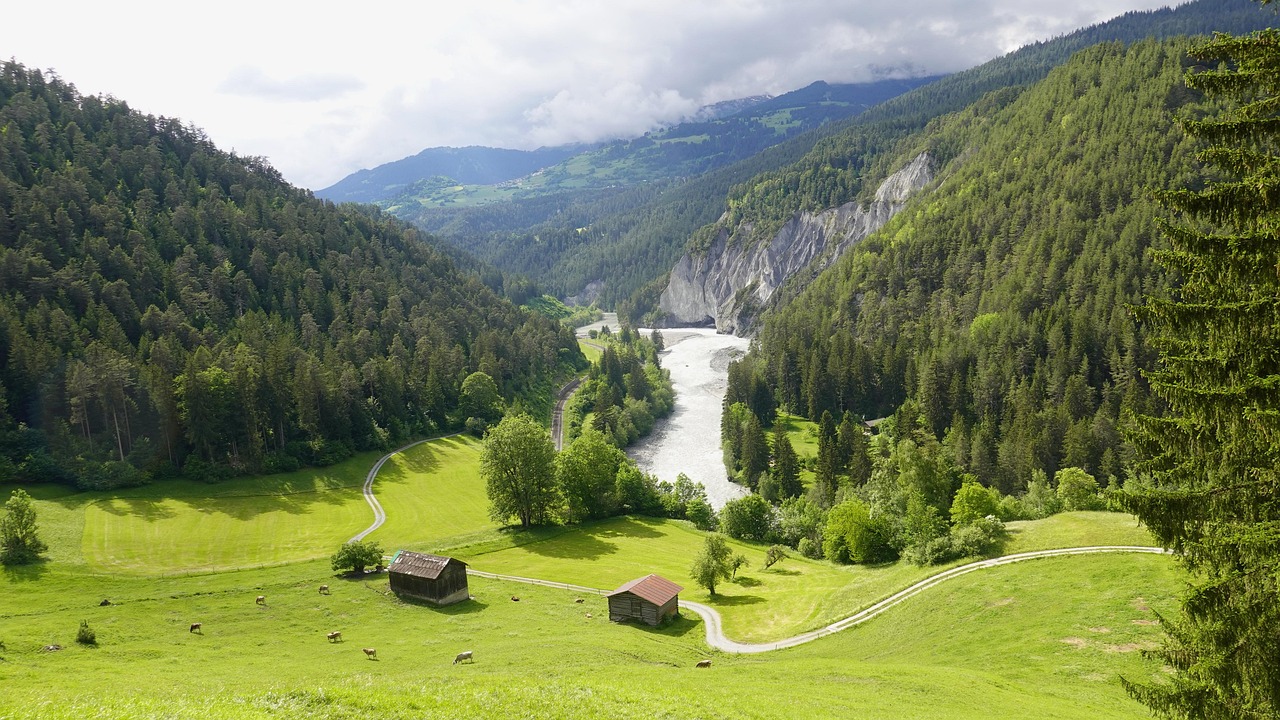
The Rhine Gorge (Mittelrheintal) is one of Europe’s classic river landscapes: steep, vineyard-clad slopes, slate cliffs, more than 40 castles and palaces, and villages that still look like 19th‑century engravings. In 2026, it’s also an area in quiet transition: new wine bars run by young winemakers, car‑free initiatives, revamped hiking routes, and a slightly more adventurous outdoor scene with via ferrata, e‑MTB trails, and night‑time castle events.
It’s an easy region to love but a tricky one to understand in a hurry. The Rhine flows north, trains and roads hug both banks, and ferries knit everything together. You can treat it as a simple day trip from Frankfurt or Cologne – cruise, castle, home – but the real magic appears when you slow down: walk between hilltop viewpoints, linger over Riesling at a Strausswirtschaft (seasonal wine tavern), or watch barges work their way around the Lorelei rock at dusk.
This 2026 travel guide is written as if we’re planning your trip together over a glass of wine in Bacharach. I’ll give you opinionated recommendations, detailed 4–7 day itineraries, and a close look at 15 of the region’s standout peaks, valleys, passes, and villages as I’ve experienced them over multiple visits.
Table of Contents
- Rhine Gorge Overview & Geography
- 15 Key Peaks, Valleys, Passes & Villages
- 4–7 Day Itineraries (4, 5, 6, and 7 Days in the Rhine Gorge)
- Mountain & Valley Dining: Wine Taverns, Inns & Refuges
- Evenings in the Rhine Gorge: Aprés‑Hike, Wine & Night Views
- Cultural Etiquette & Local Customs
- Major Events & Festivals 2026–2027
- Day Trips & Nearby Attractions
- Practical Travel Tips & Logistics
- Mountain & Valley Logistics: Seasons, Safety, Gear
- Summary & Final Recommendations
Rhine Gorge Overview & Geography
The UNESCO‑listed Upper Middle Rhine Valley stretches about 65 km from Bingen/Rüdesheim in the south to Koblenz in the north. Here the Rhine has cut a deep gorge through the Rhenish Slate Mountains – think steep slopes rather than jagged Alpine peaks, with vineyards clinging to every possible ledge.
Altitudes range from around 60–70 m at river level to roughly 250–350 m on the plateau above the valley, with a few hills pushing 400 m. They are “peaks” in the local sense: modest in height but dramatic because they rise almost straight from the water. The most famous vantage points – like the Lorelei rock and the viewpoints above Boppard – feel surprisingly “alpine” when you’re standing on a cliff edge looking down at tiny trains and barges.
Access is excellent: hourly trains on both banks, regular ferries for foot passengers and cars, and a web of signed hiking and cycling routes. You can base yourself in a romantic riverside town (Bacharach, St. Goar, Boppard), a quieter wine village (Oberwesel, Kaub), or a city hub (Koblenz) and fan out daily.
15 Key Peaks, Valleys, Passes & Villages in the Rhine Gorge
Below are 15 of the most important and interesting spots I return to again and again – a mix of villages, ridges, viewpoints, and “passes” (the saddle-like crossings between valley and plateau). Each has its own personality, best season, and ideal base for different types of travelers.
1. Boppard & the Bopparder Hamm Heights
Boppard sits on one of the Rhine’s great loops, surrounded by the Bopparder Hamm – a huge south‑facing amphitheater of vineyards. At river level, you have a classic promenade, boat piers, and half‑timbered houses. Above, the plateau offers wide, almost Alpine views.
Altitude & Access: River at ~70 m; viewpoints between 200–300 m. A chairlift carries you from Boppard up to the Gedeonseck (great for families), and a network of trails links the higher ridge paths.
Best for: Family‑friendly walking, panoramic viewpoints, wine tasting, easy access by train, and a gentle intro to Rhine hiking.
On a warm evening in September 2025, I walked the Boppard chairlift descent trail at golden hour, watching the river loop glitter between rows of vines. The view from Gedeonseck never gets old: the Rhine curves like a broad ribbon, with barges tracing slow S‑shapes under you.
Base yourself in Boppard if you want a mid‑size town with plenty of restaurants, a bit of nightlife, and easy rail connections. In summer 2026, the town is expanding its riverside car‑free zone and adding more outdoor terraces.
Tips: Do the “Rheinsteig” variant on the east bank and the “RheinBurgenWeg” on the west for two very different perspectives; buy a bottle from a Bopparder Hamm producer and picnic at one of the signed panorama benches.
2. Lorelei Rock & Plateau
The Lorelei is the most myth‑drenched feature of the Rhine Gorge: a steep slate cliff where, legend says, a siren lured sailors to their doom with her song. In reality, it’s a narrowing of the river with strong currents and dramatic scenery.
Altitude & Access: River ~70 m, plateau ~193 m. A road climbs up from St. Goarshausen; there’s bus access and a parking area near the Loreley Visitor Center. A network of trails links the cliff‑edge viewpoints.
Best for: Iconic photos, dramatic river views, short cliff‑top walks, and sunset picnics. Romantic, especially out of high season.
My favourite time here was a chilly March afternoon in 2024, when low sun hit the slate faces and everything turned copper and blue. The viewpoint platforms can be busy in summer, but walk five minutes along the ridge paths and you’ll have quiet corners to yourself.
In 2026 the Loreley plateau’s cultural park continues to evolve, with more emphasis on open‑air concerts and a reworked visitor center focusing on geology and river navigation.
Tip: Combine a morning hike along the Rheinsteig from Kaub or St. Goarshausen with a picnic at Loreley, then descend by bus or on foot to catch an afternoon boat back to your base.
3. Bacharach & Steeg Valley
Bacharach is the fairytale town of the Middle Rhine: towers, walls, half‑timbered houses leaning over cobblestones. Above it, the Steeg side valley runs quietly back into the hills, a shady, green contrast to the sun‑blasted river slopes.
Altitude & Access: Town at ~80 m; hillside paths 150–250 m. Easy by train or boat; local buses head into the Steeg valley.
Best for: Romantic stays, first‑time visitors, families who want a small safe village feel, and anyone who loves storybook streets.
I often stay here when I want to slow down: waking up to church bells, walking the vineyard path around the town walls before breakfast, then dropping into a café for Rieslingkuchen (yes, Riesling cake). The Steeg valley is where I go when the riverfront feels too busy; a gentle path follows the brook, with forested slopes and scattered farmsteads.
Tip: Hike the link path from Bacharach up to the RheinBurgenWeg for wide views, then loop back via the Steeg valley – a half‑day circuit that feels surprisingly wild given how close you are to town.
4. St. Goar & St. Goarshausen – The Castle Gate
St. Goar (west bank) and St. Goarshausen (east bank) face each other across one of the most dramatic narrows of the Rhine. Between them and the Lorelei, the river is at its most theatrical.
Altitude & Access: Towns at ~70–80 m; Rheinfels castle at ~160 m. Ferries run between banks, trains on both sides. Steep paths climb to castles and plateau.
Best for: Castle exploring, kids (Rheinfels is an enormous fortress playground), photographers, and history buffs.
I’ve lost track of how many times I’ve wandered the tunnels of Burg Rheinfels with a torch, emerging on bastions that feel oversized for such a narrow valley. In 2025, I took my nephew here and watched him disappear excitedly down every dark stairway; it’s that kind of place.
Tip: Stay a night in one of the castle hotels or guesthouses above the town for quieter evenings and unbeatable dawn views of the river mist burning off below.
5. Kaub & Pfalzgrafenstein Island Fortress
Kaub is a small wine town that feels more workaday than touristy. Off its riverfront sits Pfalzgrafenstein, a white‑walled toll station castle perched on a tiny island like something from a model railway.
Altitude & Access: Town ~80 m; hills above 200–300 m. A tiny boat shuttles to the island fortress; Rheinsteig climbs up behind the town.
Best for: Travelers who want a quieter base, serious hikers (Rheinsteig stages in both directions are excellent), and castle architecture fans.
I like Kaub in winter, when the river fog wraps around the island castle and the streets feel almost empty. In 2023, I spent a long, cold afternoon exploring Pfalzgrafenstein’s stubby towers, imagining medieval tax collectors watching barges creep by.
Tip: Bring layers; the island can be windy even on warm days. For a great half‑day, hike the Rheinsteig north to Lorch, then train back.
6. Oberwesel & the Schönburg Heights
Oberwesel is often overshadowed by Bacharach, but if you like a more local mood, this is your town. It’s ringed by remarkably intact medieval walls, with Schönburg castle perched above like a guardian.
Altitude & Access: Town ~80 m; Schönburg ~160 m; plateau paths 200–300 m. Easy train access; steep but short paths up to the castle and walls.
Best for: Wall walks, sunsets, and one of the most atmospheric castle hotels in the region.
I once stayed two nights in Schönburg in mid‑October. The view from my room – vineyards turning amber, barges moving silently at dusk – was worth every euro. Dinner in the castle dining room feels like a film set: vaulted ceilings, candlelight, impeccable local cuisine.
Tip: Walk the full length of the town walls around golden hour, then climb to a vineyard bench with a takeaway Flammkuchen or cheese plate from town.
7. Bingen & Rüdesheim – Southern Gateway & Niederwald Heights
At the southern end of the gorge, Bingen (west bank) and Rüdesheim (east bank) form a busy gateway. Rüdesheim is unabashedly touristic – wine taverns, music, the infamous Drosselgasse – but the hills above are genuinely beautiful.
Altitude & Access: Towns ~80 m; Niederwald monument ~225 m. A cable car runs from Rüdesheim up through vineyards; ferries connect both banks.
Best for: First‑time visitors, groups, easy access from Frankfurt, and big‑view cable‑car rides.
My ritual: take the Rüdesheim cable car up in late afternoon, walk the clifftop path past the Niederwald monument, then descend on foot or by chairlift to Assmannshausen for dinner. The mix of river and vineyard views feels like the Rhine Gorge in miniature.
Tip: If you dislike crowds, stay in Bingen or Assmannshausen and visit Rüdesheim as a quick detour rather than a base.
8. Hunsrück Plateau above Boppard – Forest Ridges & Quiet Trails
The Hunsrück is the high, forested plateau west of the Rhine Gorge. It’s not dramatic in the Alpine sense, but it offers cool woods, quiet villages, and a different perspective on the valley.
Altitude & Access: 300–500 m. Access via winding roads or footpaths from Boppard, St. Goar, Oberwesel and others.
Best for: Heat‑escape in summer, trail running, gravel biking, and anyone who wants space and silence after busy river days.
On a hot July day in 2022, I bailed on a planned riverside hike and instead took a bus up to the Hunsrück, spending the afternoon wandering shady beech forests and farm tracks. Returning to Boppard that evening, the valley felt like a different climate zone.
Tip: Combine one forest day into any 5–7 day itinerary to give your senses a reset from the constant sight of the river.
9. Koblenz & Ehrenbreitstein Fortress
Koblenz sits at the northern mouth of the gorge, where the Mosel meets the Rhine at Deutsches Eck. It’s a proper city with a romantic old town core and a spectacular fortress, Ehrenbreitstein, towering above the confluence.
Altitude & Access: City ~70–80 m; fortress ~180 m. A cable car crosses the Rhine to the fortress (one of the best urban cable cars in Europe), plus road and footpath access.
Best for: Urban comforts, museums, rainy‑day options, and big views without serious hiking.
I like to finish longer Rhine hikes here, spending a “civilised” last night with good cocktails and a soft bed. One July evening in 2023, I rode the cable car at sunset as a thunderstorm drifted down the valley – lightning flickering over the silhouetted hills, the city lights coming on below.
Tip: Make Ehrenbreitstein your base for a night (there’s accommodation within the fortress complex) if you want silence, history, and morning views over the confluence from your breakfast table.
10. Bopparder Hamm Vineyard Ridge
While technically part of Boppard, the Bopparder Hamm deserves its own mention as one of the great vineyard landscapes of Germany. Terraces sweep in broad arcs above the river bend, with narrow lanes between plots.
Altitude & Access: 100–250 m. Access from Boppard on foot or by local roads; farm tracks wind through the vines.
Best for: Wine education, sunrise/sunset walks, photography, and low‑stress hiking with minimal altitude gain.
I once joined a harvest day here, clipping Riesling grapes in the early sun while barges pushed upstream below – the contrast between intense manual labour and the lazy river motion was striking.
Tip: Many estates offer informal tastings if you call ahead. Pack sturdy shoes; the slate soils can be slippery when dusty or wet.
11. Lorelei Side Valleys – Urbachtal & Wispertal
Away from the river, several side valleys cut deep into the plateau. The Wispertal, in particular, is a lush, narrow valley with a wild feel – tumbling streams, mossy rocks, and quiet hamlets.
Altitude & Access: Valley floors 150–200 m; surrounding ridges 300–400 m. Access by car or bus from Lorch, Kaub, or St. Goarshausen; a network of marked “Traumschleifen” (dream loops) hiking trails.
Best for: Cooler summer hikes, shade, and a change of scenery from vineyards to forest.
The first time I hiked the Wisper Trail, I didn’t see another person for three hours – a rare thing in such a famous region. Deer tracks, birdsong, and the smack of my boots on wooden bridges were my entire soundtrack.
Tip: Good mid‑season option when vineyard slopes are too hot or exposed; bring insect repellent in high summer.
12. Assmannshausen – Red Wine Village & Ridge Pass
Assmannshausen is tucked into a tight curve on the east bank, known for its red wine (Spätburgunder) rather than Riesling. Above it, a chairlift climbs to the Niederwald ridge, effectively a “pass” between river and plateau.
Altitude & Access: Village ~80 m; ridge ~220–240 m. Chairlift, footpaths, and road access.
Best for: Wine lovers, scenic chairlift rides, and those who prefer somewhere more low‑key than Rüdesheim.
I have a soft spot for Assmannshausen’s slightly faded grandeur – vine‑covered hotels, quiet lanes, and the sense that life revolves around harvest and hospitality rather than mass tourism. The ridge path from the chairlift top is one of my favourite short evening strolls.
Tip: Try the local red with roast game in autumn; book ahead on weekends as small restaurants fill quickly.
13. Braubach & Marksburg Castle
Braubach is a compact riverside town, but its fame comes from Marksburg – the only hilltop castle on the Middle Rhine never destroyed. It still looks and feels like a working medieval fortress.
Altitude & Access: Town ~70 m; castle ~160 m. Short but steep walk; shuttle bus options in season.
Best for: History purists, families (guided tours are engaging), and anyone wanting to see an “original” castle interior.
The armoury and kitchen here make history tangible; I remember a 2021 winter tour where our breath steamed in the cold halls while the guide described siege tactics – it felt very immediate.
Tip: Tours are mandatory; check language and times in advance. The hill path can be slick in rain; wear decent shoes.
14. St. Goarshausen Heights & Katz/Maus Castles
Above St. Goarshausen rise the whimsically named Katz (Cat) and Maus (Mouse) castles on spurs overlooking the river. They frame some of the best short ridge hikes in the central gorge.
Altitude & Access: Town ~70 m; ridges 180–250 m. Steep switchback trails and minor roads.
Best for: Photographers, sunrise/sunset walks, and moderately fit hikers wanting quick rewards.
On a May morning in 2025, I climbed before breakfast to watch first light catch the towers of Katz and spill down onto the town roofs. The view north towards the Lorelei narrows is one I keep recommending for photographers.
Tip: Bring a headlamp if you go up for dawn/dusk; the forest paths are dark. A telephoto lens is handy for framing castles and barges together.
15. Linz & Remagen – Northern Colour & Bridges
Just north of the strict UNESCO gorge, Linz am Rhein and Remagen make excellent day‑trip extensions. Linz is “Die bunte Stadt” (the colourful town), all painted facades and lively squares; Remagen is known for its WWII bridge remains and peace museum.
Altitude & Access: Towns ~70–80 m; nearby hills 150–250 m. Easy rail access from Koblenz.
Best for: Breaking up a longer stay with a dash of colour and modern history.
I often suggest Linz for families: the old town is compact, flat, and full of ice‑cream stops, with short hikes into the low hills behind. Remagen’s peace museum, in the surviving bridge towers, is sobering but important context for the Rhine’s 20th‑century story.
Tip: Combine Linz and Remagen on a single day by train or boat from Koblenz; return for dinner in the gorge proper.
4–7 Day Itineraries for the Rhine Gorge (2026)
Below are flexible itineraries for 4, 5, 6, and 7 days in the Rhine Gorge. They’re built from how I actually move through the valley on recent trips. Distances assume you’re reasonably active but not racing; you can always trim hikes or swap boat legs for trains.
4 Day Itinerary for Rhine Gorge – Classic Highlights
This 4 day itinerary for Rhine Gorge hits the must‑see attractions: castles, Lorelei, vineyard walks, and key villages. It’s ideal for a first visit or a short romantic break.
Day 1 – Arrival, Bacharach & First Vineyard Walk
I like to start in Bacharach for a 4 day trip. Arrive by midday if you can – regional trains from Frankfurt, Cologne, or Mainz make it easy.
Afternoon: Check into a guesthouse in the old town. Drop your bags and immediately head uphill: follow signs to the town wall and the Postenturm tower, then continue on the vineyard path that traverses above the town. The idea is to reset your travel brain with space and views, not dive into sightseeing lists.
Last September, I did exactly this after a long flight: slowly working my way along the sloping path, listening to harvest crews chat in the terraces, letting the mix of river and slate and vine rows re‑orient me to local time.
Evening: Dinner in Bacharach – look for a traditional inn serving Spundekäs (a spiced cheese dip), Flammkuchen (tarte flambée), and local Riesling by the glass. Walk the cobbled lanes by night; the town is softly lit and feels like a stage set.
Day 2 – Castles of St. Goar & Lorelei Rock
Morning: Take a morning train or boat to St. Goar. Climb up to Burg Rheinfels (15–20 minutes on foot, or a shuttle in season). Spend a solid two hours exploring – don’t rush. The mix of crumbling bastions, preserved rooms, and dark tunnels is unique along the valley.
I always bring a small flashlight; kids love the darker side passages, and phone lights are awkward here.
Lunch: Either eat at the castle café (great view) or picnic on the grassy outer walls; in 2025 I brought bread, cheese, and local sausages from a Bacharach deli and had one of my favourite lunches of the trip here.
Afternoon: Descend to St. Goar and take the ferry across to St. Goarshausen. From here, catch a bus or hike up to the Lorelei plateau. If you have the energy, walk a section of the Rheinsteig either north or south along the cliffs.
Evening: Watch the light change on the slate cliffs, then bus or hike back down to St. Goarshausen and train/boat back to Bacharach.
Day 3 – Boppard, Chairlift & Rhine Loop Views
Morning: Head to Boppard (train from Bacharach takes around 30–40 minutes). Stroll the riverside promenade with a coffee, then ride the chairlift up to Gedeonseck.
At the top, pause at the restaurant terrace for that classic Rhine loop view – this is one of the must-see attractions in Rhine Gorge for any itinerary. Then walk along the ridge path towards Vierseenblick (“Four Lakes View”), where the river’s curves create the illusion of separate lakes.
Lunch: Picnic along the ridge or eat at one of the simple inns at the viewpoints. In 2024 I had a plate of Bratkartoffeln (fried potatoes) with fried eggs here that tasted much better than it looked, simply because of the view.
Afternoon: Either descend by chairlift or follow one of the forest paths back to town. Spend an hour wandering Boppard’s old streets and church, then sample a glass of Bopparder Hamm Riesling at a riverside wine bar.
Evening: Return to Bacharach; grab something simple for dinner, as you’ll likely be pleasantly tired.
Day 4 – Rüdesheim, Niederwald & Departure
Morning: Check out and take a train south to Bingen, then ferry across to Rüdesheim. Yes, it’s busy and a little kitsch, but as a finale it works well.
Ride the cable car up over the vineyards to the Niederwald monument; the broad view over the southern entrance to the gorge gives you a sense of where you’ve been these past days.
Afternoon: Walk the forested clifftop path to Assmannshausen, stopping at viewpoints over the river. Descend by chairlift or footpath, enjoy a last late lunch with a glass of local Spätburgunder, then catch a train from Assmannshausen or Rüdesheim onwards.
This 4 days in Rhine Gorge plan balances castles, villages, and ridge views without feeling rushed; if you want more hiking and fewer boats, swap some boat legs for longer trail sections.
5 Day Itinerary for Rhine Gorge – Adding Side Valleys & Wine Time
With 5 days in Rhine Gorge, you can slow the pace and add a side valley hike and more wine experiences.
Base plan: Use the 4 day itinerary above and add:
Day 5 – Wispertal Side Valley Hike from Lorch
Morning: Move your base to Lorch or Kaub for one night, or day‑trip from Bacharach/Boppard. Take the train to Lorch, then follow one of the signed Wisper Trails into the Wispertal.
The Wispertrail I walked in 2023 began in vineyards and quickly dropped into a shaded ravine – wooden bridges, small waterfalls, and mossy rocks. It felt worlds away from the sunny river slopes.
Afternoon: Loop back to Lorch, taste at a local winery (call ahead if you can), and linger in a wine tavern for dinner before returning to your base.
This 5 day itinerary for Rhine Gorge works well for couples and solo travelers who want a mix of social village evenings and quieter nature days.
6 Day Itinerary for Rhine Gorge – Forest Plateau & Koblenz Finale
Six days in Rhine Gorge lets you add a Hunsrück forest day and a city finish in Koblenz.
Day 5 – Hunsrück Forest Day above Boppard
Morning: From Boppard, take a bus or taxi up into a Hunsrück village (Buchholz, for example), then follow one of the signed “Traumschleifen” loop trails. Expect beech forests, farm fields, and occasional surprise views back to the Rhine.
Afternoon: Late lunch in a country inn – I still remember a plate of venison with chanterelles I had in a village above Boppard in 2022: rich, local, and far from the tourist menus of the riverfront.
Evening: Drop back down to Boppard or your river base for a quiet night.
Day 6 – Koblenz & Ehrenbreitstein
Morning: Take a mid‑morning train or boat to Koblenz. Store bags at your hotel and head straight to the cable car to Ehrenbreitstein fortress.
Spend several hours exploring the vast fortress complex and taking in views over the Rhine/Mosel confluence. The exhibitions mix military history, art, and architecture; I find something new every visit.
Afternoon: Explore Koblenz’s old town – café time, a peek at the churches, maybe a bit of shopping for wine and regional specialties.
Evening: Dinner at a wine bar or modern bistro. For a memorable finale, ride the cable car again at dusk and walk the fortress ramparts as city lights flicker on.
This 6 day itinerary for Rhine Gorge is ideal if you want a stronger cultural and urban finish rather than purely romantic/rural vibes.
7 Day Itinerary for Rhine Gorge – Deep Dive & Slow Travel
Seven days in Rhine Gorge is my sweet spot: time to revisit favourite viewpoints, linger in wine taverns, and add a couple of “extra” villages without feeling rushed.
Base idea: Start with the 6 day itinerary, then add:
Day 7 – Marksburg & Linz/Remagen
Morning: From Koblenz, take a short train to Braubach and hike or bus up to Marksburg castle. Join an English‑language tour if needed; immerse yourself in one of the best-preserved medieval strongholds on the Rhine.
Afternoon: Continue by train to Linz or Remagen. Explore colourful Linz’s old town or visit the Remagen Bridge Peace Museum, then have a late lunch or early dinner before heading back to Koblenz.
This 7 days in Rhine Gorge plan gives you the classic highlights, several alternative landscapes (forest plateau, side valley), and a meaningful dose of history and city life.
Mountain & Valley Dining in the Rhine Gorge
Dining here is rooted in wine and in hearty, riverside appetites. Think of it as “alpine‑adjacent”: robust dishes designed for people who work and walk on steep slopes, with a strong wine culture.
Wine Taverns & Strausswirtschaften
Many small wineries open seasonal Strausswirtschaften – informal wine taverns, often in courtyards or gardens, serving a simple menu alongside their own wines. I still remember my first evening in a Bacharach courtyard, under strings of lights, with plates of cold cuts and potato salad passing between tables of locals; I barely heard any English that night.
What to try: Riesling in all sweetness levels, local Spätburgunder reds, Federweißer (cloudy new wine) in early autumn, and simple dishes like Handkäs mit Musik, Spundekäs, and Flammkuchen.
Alpine‑Style Inns & Ridge Refuges
On ridge paths and plateau edges you’ll find inns that feel a bit like Alpine refuges: wooden terraces, big views, simple but filling food. Above Boppard, for example, the viewpoints at Gedeonseck and Vierseenblick both have inns where you can sit with a beer and Bratwurst and watch the valley spread beneath you.
These are the places I gravitate to on long hike days – not necessarily culinary revelations, but deeply satisfying after a few hours on the trail.
Local Specialties & Coffee Culture
Coffee and cake is serious business in Germany, and the Rhine Gorge is no exception. Most villages have at least one café with a good selection of homemade cakes. A slice of apple cake or cheesecake and a cappuccino on a Bacharach or Boppard terrace is one of my favourite afternoon rituals between hikes.
Other regional bites: River fish (trout, sometimes salmon), game in autumn, Sauerbraten (marinated roast), and seasonal asparagus in late spring.
Where to Stay: Village vs. Slope‑Side vs. Castle
Villages (Bacharach, Boppard, Oberwesel): Best balance of atmosphere, dining options, and transport. Great for most travelers.
Slope‑side / Ridge: Inns or guesthouses above towns (e.g., near Schönburg) offer silence and views but require more planning for dinners and transport.
Castles (Schönburg, Rheinfels hotels, Ehrenbreitstein lodgings): Splurge nights. I like to book one castle night as a trip highlight, then use simpler guesthouses the rest of the time.
Saving Money on Food & Drink
- Eat your main meal at lunch when many restaurants offer cheaper menus.
- Use bakeries (Bäckerei) for picnic supplies – fresh bread, pretzels, sandwiches, pastries.
- Buy wine by the bottle from wineries and enjoy it on your balcony rather than always by the glass in bars.
- Take advantage of guest cards: many accommodations provide discounts for cable cars or attractions.
Evenings in the Rhine Gorge
Nightlife in the Rhine Gorge is subtle. You’re here for wine terraces, castle silhouettes, and starlit walks, not clubs.
Aprés‑Hike Traditions
After a long day on the Rheinsteig or RheinBurgenWeg, the local version of aprés‑ski is a shower followed by a glass of Riesling at a riverside bar. In Bacharach and Boppard, I often see small clusters of hikers still in their boots, comparing routes over shared plates of sausage and cheese.
Village Bars & Fondue Nights
A few spots channel a more Alpine feel with fondue or raclette evenings, particularly in winter and around Christmas markets. I’ve had fondue in a timbered cellar in St. Goar while snow flurries drifted past the windows – not Switzerland, but the vibe wasn’t far off.
Stargazing & Night Views
The higher you sleep, the better your stars. From Schönburg above Oberwesel or a guesthouse near Lorelei, you can step out after dinner into a darkness that’s rare in western Europe, with the river a faint silver band below.
Many castles and bridges are illuminated at night – walking the riverfront in Boppard or St. Goar around 10 pm is a calm, romantic way to end the day.
Seasonal Festivals & Fireworks
The traditional “Rhein in Flammen” (Rhine in Flames) events light up sections of the valley with coordinated fireworks and illuminated ship parades. They’re magical but busy – book well ahead if you want to be here for one of the 2026 dates (see events section below).
Cultural Etiquette & Local Customs
The Rhine Gorge is relaxed but quietly traditional. A few simple habits will make your stay smoother.
Greetings & Politeness
- Use a simple “Guten Tag” or “Hallo” when entering shops, cafés, or small wine taverns.
- “Tschüss” or “Auf Wiedersehen” when leaving is appreciated.
- Cash is still useful in small places, though cards are increasingly accepted.
In Wine Taverns
- Don’t swirl and sniff theatrically; locals take wine seriously but without performative fuss.
- If unsure, ask for a recommendation in your price range; staff are usually proud to help.
- Tip around 5–10% by rounding up the bill; hand cash directly to the server when paying.
On Trails & in Nature
- Stick to marked paths – vineyards and forests are working landscapes.
- Greet fellow hikers with a nod or a “Hallo”/“Moin” (you’ll hear this more towards Koblenz and north).
- Take rubbish with you; bins can be rare on higher routes.
Sunday Quiet & Opening Hours
Sundays are still relatively quiet; many shops close, though restaurants and tourist services stay open. Plan grocery shopping accordingly.
Major Events & Festivals in 2026–2027
Event dates can shift slightly each year; always confirm closer to travel, but here’s what to expect for 2026–2027.
Rhine in Flames (Rhein in Flammen)
- Koblenz edition: Usually mid‑August 2026 & 2027 – fireworks, illuminated ships, and castle light shows.
- Bingen/Rüdesheim edition: Typically early July – focuses on the southern gorge with a flotilla of decorated boats.
Wine Festivals
- Boppard Wine Festival: Late September/early October 2026 & 2027 – multiple weekends of open‑air wine stalls under chestnut trees.
- Oberwesel Wine Market: September – paired with illuminated castle nights.
- Assmannshausen Red Wine Festival: Early summer – celebrates local Spätburgunder.
Christmas Markets
From late November through December, Koblenz, Boppard, and Rüdesheim host atmospheric Christmas markets – mulled wine, lights, and craft stalls. I particularly like Koblenz for its mix of historic setting and varied food options.
Extras: Day Trips & Nearby Attractions
The Rhine Gorge is well‑placed for short hops to other classic German landscapes.
Mosel Valley (Cochem, Beilstein)
From Koblenz, take a train along the Mosel to Cochem (about 1 hour). Explore the town, visit Reichsburg castle, and sample Mosel Riesling – leaner and often racier than many Rhine wines.
Heidelberg
From Bingen or Rüdesheim, multiple trains via Mainz reach Heidelberg in 2–2.5 hours. It’s a longer day trip, but the combination of castle ruins, old bridge, and student bars makes it worthwhile if you’re craving a different city vibe.
Mainz & Frankfurt
Mainz, with its cathedral, Roman history, and wine bars, is a natural stop on your way to or from the Rhine Gorge. Frankfurt offers museums and international cuisine if you want a city contrast.
Practical Travel Advice for the Rhine Gorge (2026)
Getting There & Around
By train: Excellent connections from Frankfurt, Cologne, and Mainz. Regional trains run roughly hourly on both sides of the Rhine.
By boat: KD and other companies operate scheduled services between Bingen/Rüdesheim and Koblenz in season (roughly April–October). Use them as scenic transport rather than a separate “cruise.”
By car: Useful for accessing higher plateau villages and side valleys, but not essential. Parking in smaller towns can be tight on sunny weekends.
SIM Cards & Connectivity
In 2026, eSIMs from major European providers (Vodafone, Telekom, O2) are easy to set up on arrival. Physical prepaid SIMs are sold at airports and larger city stations. Coverage along the valley is generally good, though some side valleys have patchy reception.
Public Transport Passes & Saving Money
- Check regional day tickets (Rheinland-Pfalz-Ticket, etc.) for unlimited local trains and some buses within a day.
- Many hotels offer a guest card with free bus/train use in a defined area – ask when booking.
- Boats: look at combination tickets (boat + cable car) around Koblenz and Rüdesheim.
Visas & Driving Licenses
Germany is in the Schengen Area. For non‑EU visitors, check current Schengen visa requirements for 2026. Most foreign driver’s licenses are accepted for short stays; an International Driving Permit can be useful but is not always mandatory for non‑EU licenses – verify with your rental agency.
Best Seasons & What They’re Good For
- March–April: Cool, often quiet; good for hiking and early wildflowers, some services still limited.
- May–June: Lush vineyards, long days; ideal for hiking, cycling, and boat trips.
- July–August: Warmest, busiest; great for families and river swimming spots (mostly side streams), but can be hot on exposed slopes.
- September–October: Harvest season, wine festivals, golden vineyards; my favourite time for a 4–7 day itinerary for Rhine Gorge.
- November–February: Quiet, atmospheric, limited boats; best for Christmas markets and introspective castle walks.
Mountain & Valley Logistics: Safety, Gear & Conditions
Altitude & Acclimatisation
Altitude isn’t a medical concern here; the highest points are under 500 m. The issue is steepness: many paths climb quickly from river to ridge. Take your time, especially in summer heat, and carry water.
Weather, Storms & Closures
Summer thunderstorms can roll down the valley; check forecasts before long ridge hikes and avoid exposed viewpoints during lightning. In winter, some castles, cable cars, and boats reduce hours or close; always confirm off‑season schedules.
Gear
- Sturdy walking shoes or light hiking boots with good grip (slate paths can be slippery when wet).
- Layers: even in summer, mornings can be cool on ridges and evenings cool by the river.
- Rain jacket or windproof shell; weather changes quickly.
- Small backpack, water bottle, and sun protection – many vineyard paths are very exposed.
Rescue & Insurance
Germany has efficient emergency services; dial 112 for emergencies. For standard hiking in the Rhine Gorge, no special rescue insurance is required, but good travel insurance covering medical costs is smart.
Cable‑Car & Lift Strategy
Use the Boppard chairlift, Rüdesheim cable car, Assmannshausen chairlift, and Koblenz cable car strategically to save your legs for scenic sections, especially on hot days or with kids.
Some offer combined tickets or discounts with guest cards; ask at your accommodation for current 2026 deals.
Best Times for Specific Activities
- Hiking: April–June & September–October.
- Wildflowers: Late April–June in meadows and forest edges.
- Autumn Colours: October – vineyards turn gold and red.
- River Cruises: May–September for full schedules; April & October for quieter trips.
Summary & Final Recommendations
The Rhine Gorge is less about ticking off summits and more about slipping into a landscape that’s been lived in and worked for centuries: vineyards on precarious slopes, watchful castles, and villages that still centre daily life around the river.
For first‑timers, I recommend at least a 4 day itinerary for Rhine Gorge, with Bacharach or Boppard as a base and day trips to Lorelei, Rheinfels, and the Boppard loop. If you can stretch to 6 or 7 days, add a side valley hike, a Hunsrück forest day, and a Koblenz finale – that’s when the region shifts from “pretty” to deeply memorable.
In 2026, the valley is investing in trails, gentle sustainable tourism, and cultural programming around its castles and wine. It’s an ideal moment to visit: well‑connected, well‑signposted, but not yet overwhelmed.
Come with good shoes, an open schedule, and a willingness to sit on a bench above the river doing nothing much at all – those unplanned pauses are when the Rhine really gets under your skin.