Why Visit the Rhine Valley in 2026
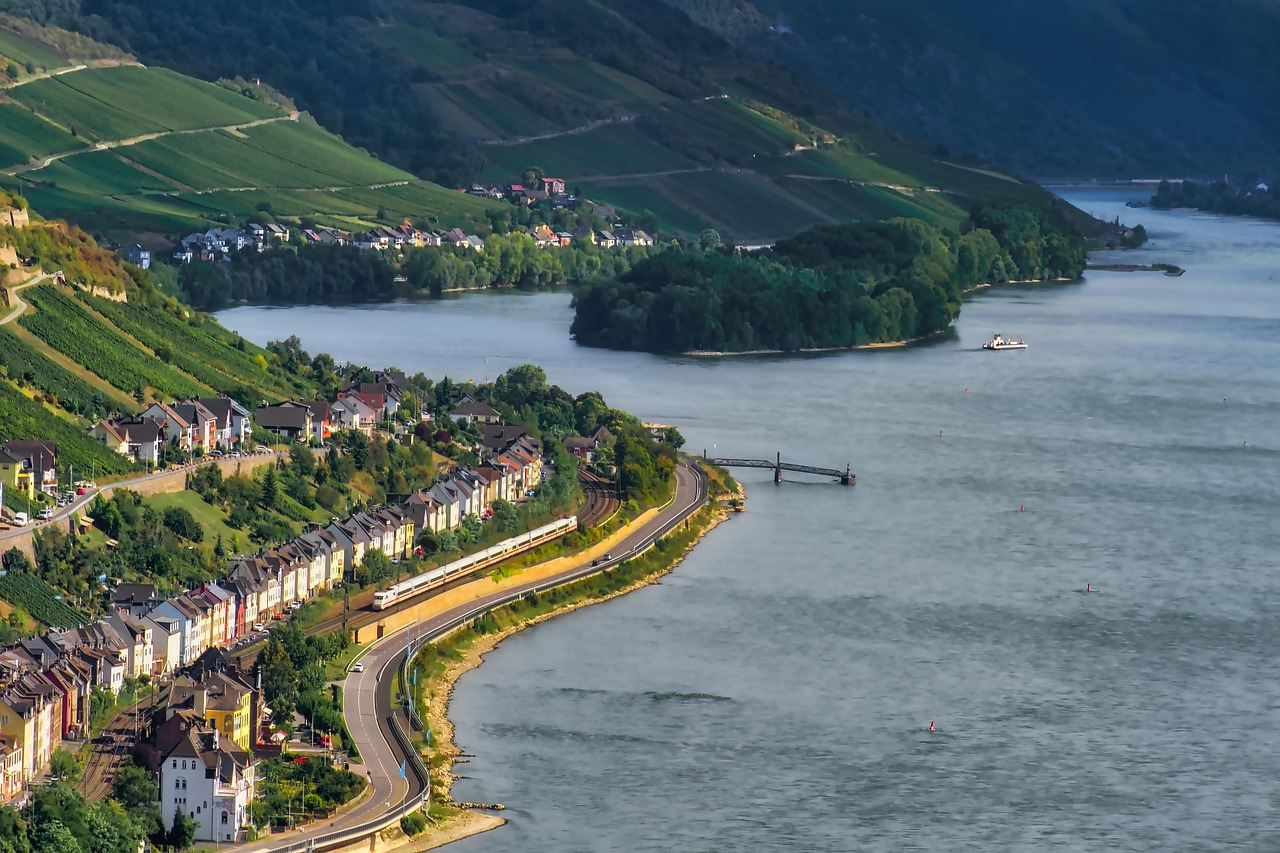
The Middle Rhine Valley, between roughly Bingen/Rüdesheim and Koblenz, is a UNESCO World Heritage landscape for good reason. Steep vineyards plunge to a slate-grey river. Medieval castles watch over barge traffic just as they did over merchant ships centuries ago. Trains still thread both banks like steel ribbons, and villages of crooked timbered houses seem set-decorated for a fairy tale.
What makes it special in 2026 is a convergence of tradition and quiet evolution:
- Wine culture is maturing: The once-modest Riesling reputation has exploded into a confident, experimental scene. Many younger winemakers are opening tasting rooms with food pairings, art, and music, without losing the gemütlich, family-run feel.
- Slow travel infrastructure is better than ever: New bike paths, upgraded train connections, and coordinated ferry timetables make car-free travel genuinely easy. For many itineraries, you can glide along the river by train or boat and let the castles come to you.
- Cultural festivals are bouncing back: After a few interrupted years, wine festivals, Rhine-in-Flames fireworks, and open-cellar weekends are firmly back on the calendar for 2026–2027, often with expanded programming.
- It’s remarkably versatile: Family-friendly boat rides and castle tours, romantic vineyard walks and candlelit wine taverns, serious hiking and cycling, or simply village-hopping and café-lingering. The Rhine Valley absorbs different travel styles surprisingly well.
If you’re planning 4, 5, 6, or 7 days in the Rhine Valley, this guide will help you choose where to base, how to pace your days, and what to prioritize so you leave feeling you’ve really met the river rather than just glimpsed it from a bus window.
Table of Contents
- Why Visit the Rhine Valley in 2026
- Rhine Valley Overview & How It Fits Together
- Where to Base: Best Towns for Different Travelers
- Recommended 4–7 Day Itineraries (With Personal Daily Stories)
- 18 Key Towns, Sub-Areas & Landscapes (In-Depth Profiles)
- Regional Cuisine & Where to Taste It
- Evenings in the Rhine Valley
- Major Events & Festivals 2026–2027
- Day Trips & Nearby Attractions
- Cultural Etiquette & Local Customs
- Practical Travel Advice & Money-Saving Tips
- Summary & Final Recommendations
Rhine Valley Overview & How It Fits Together
When travelers say “Rhine Valley,” they often mean the Middle Rhine (Mittelrhein) – the dramatic 65 km stretch between Bingen/Rüdesheim in the south and Koblenz in the north. That’s where most of the must-see attractions in Rhine Valley cluster: castle-topped hillsides, storybook villages, vineyard terraces, and the legendary Loreley rock.
But the valley conceptually extends further:
- Upper Middle Rhine: Around Boppard, St. Goar, Bacharach – peak castle-and-vineyard scenery.
- Rheingau (east of Rüdesheim): A wine region of monasteries, grand estates, and some of Germany’s finest Riesling.
- Side valleys: The Lahn and Moselle rivers, easily reached as day trips, echo the Rhine’s charms in miniature.
The beauty of the Rhine Valley is that everything is close: you can ride a train for 15 minutes and feel you’ve entered a new world, yet you’re never far from your base. That makes it ideal for flexible itineraries from 4 days in Rhine Valley (a concentrated introduction) up to 7 days in Rhine Valley (a thorough, layered exploration).
Where to Base in the Rhine Valley
Over several trips, I’ve stayed in almost every sort of base: riverside cities, tiny wine villages, hilltop hamlets. Each suits a different style of traveler.
- Koblenz – Best for first-timers and train-based travelers. A small city with good transport, restaurants, and the Deutsches Eck river confluence.
- Boppard – Best for scenery lovers and families. Central, relaxed, with an easy riverside promenade and great views from the chairlift.
- Bacharach – Best for romantics and photographers. Compact, impossibly pretty, with half-timbered lanes and a hilltop youth hostel in a castle.
- St. Goar / St. Goarshausen – Best for castle enthusiasts. Katz and Rheinfels castles face each other across the river.
- Rüdesheim – Best for wine bar-hoppers and night owls. Tourist-heavy but genuinely fun after dark.
- Oberwesel or Kaub – Best for quiet, authentic stays. Smaller, less touristy, but still beautifully placed.
For a 4 day itinerary for Rhine Valley, I usually recommend one base (Boppard or Bacharach). For 5–7 days in Rhine Valley, consider two bases – perhaps Bacharach (or Rüdesheim) plus Koblenz – to cut down on backtracking.
Recommended 4–7 Day Itineraries for the Rhine Valley
Below are flexible, story-driven itineraries based on my own visits. They’re structured so you can easily adapt them for 4 days, 5 days, 6 days, or 7 days in Rhine Valley.
4 Day Itinerary for Rhine Valley – “The Classic Middle Rhine”
This is for first-time visitors who want the must-see attractions in Rhine Valley – castles, cruises, vineyards, and village life – without rushing every moment.
Day 1 – Arrival, Boppard & the Rhine Bend
I like to arrive in Boppard late morning, especially if I’m coming by train from Frankfurt or Cologne. The approach alone – the river turning, vineyards climbing behind the town – sets the tone for the trip.
After checking into a small family-run hotel near the waterfront, I usually walk straight to the Rheinpromenade. The rhythm here is slow: locals strolling with ice cream, cyclists ringing past, river cruisers gliding by. For lunch, try a simple Flammkuchen (thin, crispy flatbread) and a glass of Riesling at a riverside café.
In the afternoon, take the chairlift to the Vierseenblick viewpoint, where the river’s curves make it appear as four separate lakes. The chairlift is gentle enough for kids and thrilling enough for adults. Up top, I often sit with a coffee and watch the barges navigate the bends.
On one late-September visit, I ended the day wandering the back lanes of Boppard, where grapevines literally drape over garage doors and cats sleep on windowsills. Dinner was at a modest wine tavern where the owner poured from his own barrels and insisted I try his Spätburgunder (Pinot Noir) “or we can’t be friends.” I recommend you say yes.
Tips:
- Getting there: Direct regional trains from Frankfurt Airport (about 1.5–2 hours) or Cologne (about 1.5 hours).
- Family-friendly: The chairlift, promenade, and ice cream stops make an easy first day with children.
- Budget: Skip the fancier waterfront hotels and choose a guesthouse a few streets back for lower prices.
Day 2 – Castles & Loreley: St. Goar, St. Goarshausen & Rheinfels
Day two is all about castles and legendary landscapes. From Boppard, hop on a morning train to St. Goar (about 15–20 minutes). The town is small, but don’t be fooled – it’s the gateway to one of the Rhine’s most atmospheric ruins: Burg Rheinfels.
The walk up to Rheinfels is steep but manageable (15–20 minutes), and I’ve done it in rain, shine, and one memorable fog that made the castle feel like something from a Brontë novel. Once inside, give yourself time to explore the maze of tunnels, towers, and ramparts. Kids adore the freedom to roam; romantic travelers will find quiet corners with sweeping views.
Afterward, I like a simple lunch in St. Goar – perhaps Bratwurst with mustard at a small Imbiss – before taking the ferry across to St. Goarshausen. From here, you can visit viewpoints above the famous Loreley rock, where for centuries sailors blamed a siren for shipwrecks in the narrow, treacherous channel below.
On a warm May afternoon in 2024, I sat at the Loreley plateau café with a slice of Apfelkuchen, listening to a busker play melancholic folk tunes. Below, long freighters crept around the bend. It’s both touristy and truly atmospheric, a rare combination.
Tips:
- Cruise option: In season, you can cruise one leg (Boppard–St. Goar or St. Goar–Boppard) by boat and return by train. It’s a lovely way to see the castle-studded riverbanks.
- Footwear: Wear sturdy shoes for Rheinfels – the stone steps and tunnels can be uneven and slippery.
- Romantic: Time your Loreley visit for late afternoon light; the cliffs glow and the river looks almost metallic.
Day 3 – Bacharach & Oberwesel: Half-Timbered Dreams
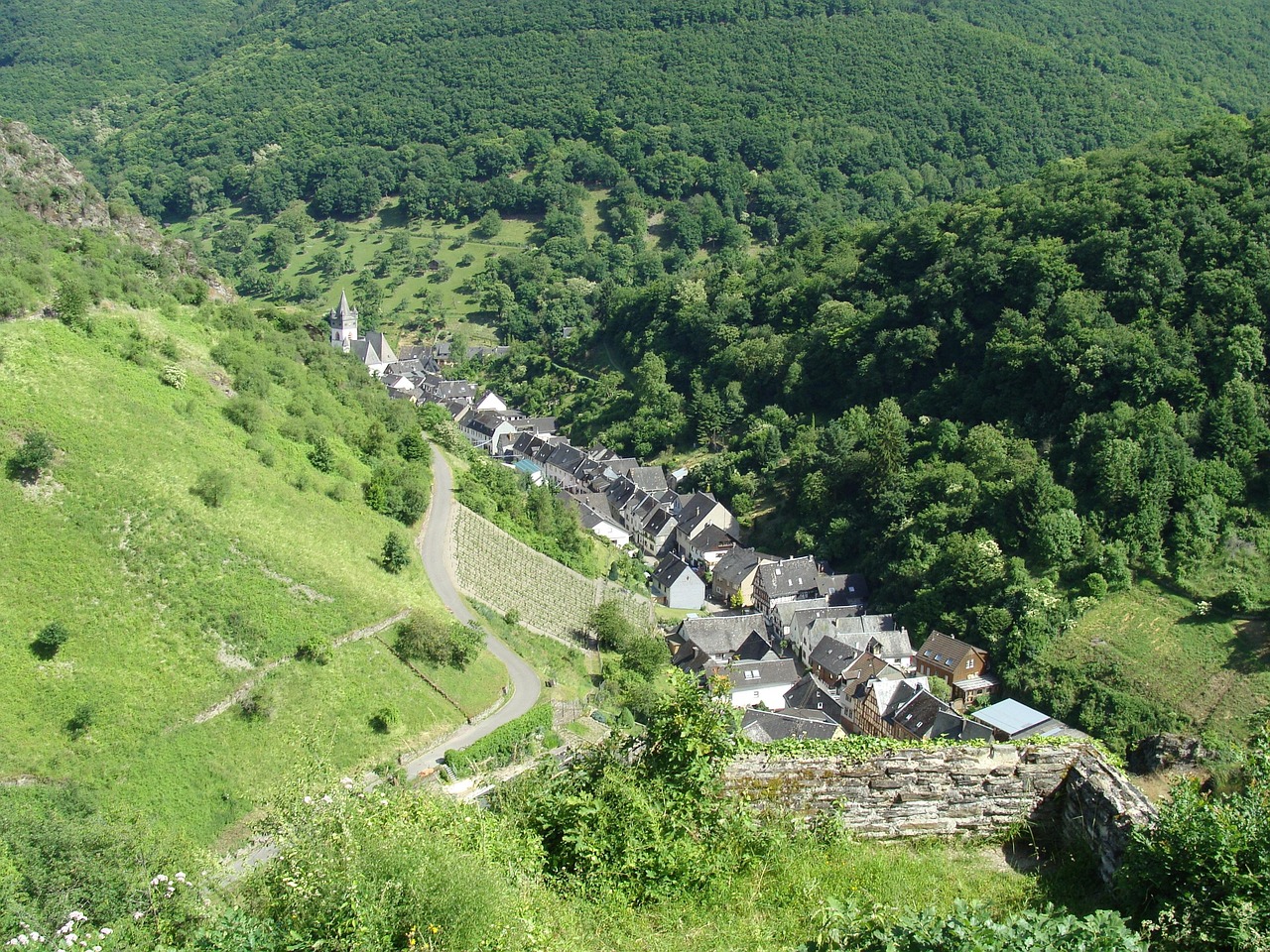
For me, Bacharach is the soul of the Rhine Valley – compact, gorgeously preserved, and yet still a living village. From Boppard, it’s about 30 minutes by train, and the ride itself is one of the best things to do in Rhine Valley: castles scattered on both sides like film set pieces.
I like to start with a slow wander through Bacharach’s old town. The Altes Haus, a 14th-century half-timbered building, never fails to make me stop for a photo, even though I have dozens already. Tucked lanes lead to tiny wine bars and courtyards where locals sit under vine trellises.
For lunch, I often head to a family-run Weinstube and order Spundekäs (a creamy, herbed cheese spread) with pretzels, plus a light Riesling Kabinett. This combination, eaten slowly at a wobbly wooden table, is my personal definition of Rhine Valley happiness.
In the afternoon, hike a short stretch of the Rheinsteig or Rheinburgenweg trail above the town. Even a modest 45–60 minute walk rewards you with views over the river, terraced vineyards, and Bacharach’s towers. If you have more time, consider walking to or from Oberwesel, another handsome town a short train ride away.
One October evening, I descended into Oberwesel just as the church bells were ringing and lights were flickering on in the old town. I joined locals at a tiny bar where the owner set down a carafe of house wine with no menu, just a grin and “Probieren Sie mal” – “give it a try.” These unscripted encounters are the real hidden gems in Rhine Valley.
Tips:
- Family-friendly: The towns are small and walkable, but young kids may tire on the uphill vineyard paths; bring snacks and make frequent photo stops.
- Photography: Morning light in Bacharach is soft and flattering; evenings are better in Oberwesel.
- Budget tip: Picnic lunches from bakeries and supermarkets (breads, cheeses, fruit) help offset restaurant dinners.
Day 4 – Rüdesheim & Rheingau Tasting
For your final day in this 4 day itinerary, head south to Rüdesheim, one of the best places to visit in Rhine Valley if you enjoy lively streets and wine bars. It’s undeniably touristy, but I’ve never failed to enjoy myself here – you just have to lean into the atmosphere.
Start with a stroll down the famous Drosselgasse, a narrow lane lined with wine taverns, live music, and flower boxes. Then escape the crowds by taking the cable car to the Niederwalddenkmal monument, floating silently over vineyards to a panoramic viewpoint.
Up top, you can walk through forest paths to other viewpoints or simply sit at the café terrace with a glass of Sekt (sparkling wine). On a spring visit in 2025, I watched a group of local retirees play cards at a nearby table, good-naturedly arguing about which vintage was better as the sun angled over the river.
In the afternoon, delve into the Rheingau wine region. Many estates between Rüdesheim and Eltville offer tastings without reservation, especially on weekends. If you don’t want to drive, join a short organized tasting tour from Rüdesheim or stick to wineries within walking distance and use the train for hops along the Rheingau.
Tips:
- Transport: Ferries cross between Rüdesheim (right bank) and Bingen (left bank), linking back to the Middle Rhine rail line.
- Romantic: Time the cable car for late afternoon; linger up top and descend as the valley lights twinkle on.
- Local food in Rhine Valley: Try Rüdesheimer Kaffee, coffee with Asbach brandy and whipped cream, flambéed at the table.
Extending to 5, 6, or 7 Days in Rhine Valley
With more time, you can sink deeper into the valley’s rhythms and explore side valleys and quieter towns. Below is a suggested structure:
- 5 days in Rhine Valley: Add a day in Koblenz & Ehrenbreitstein Fortress.
- 6 days in Rhine Valley: Add Koblenz plus a Moselle day trip (e.g., Cochem).
- 7 days in Rhine Valley: Add Koblenz, Moselle, and a Lahn Valley or Rheingau deep-dive day.
Day 5 – Koblenz & Ehrenbreitstein: City Life at the Confluence
Koblenz is where the Rhine and Moselle rivers meet at the Deutsches Eck. I like to shift base here for the second half of a longer trip, especially when traveling by train. The city is big enough for variety – museums, shopping, dining – but small enough to stay walkable.
Start at the Deutsches Eck, watch the two rivers merge, then take the cable car across the Rhine to the Ehrenbreitstein Fortress. The cable car ride itself is one of the must-see attractions in Rhine Valley, offering a bird’s-eye perspective of the confluence.
The fortress is vast; I’ve spent entire afternoons exploring exhibitions, walking the ramparts, and simply sitting on a bench watching trains curve along the rivers below. One July evening, I stayed for a small outdoor concert – part of Koblenz’s summer program – and watched the sky slowly turn violet as the music echoed off the stone walls.
Tips:
- Family-friendly: Kids love the cable car and the fortress’s open spaces; bring a frisbee or ball.
- Food: Koblenz has the widest choice of restaurants in the region, including good vegetarian and international options.
- Budget: If you’re watching costs, consider Koblenz as a base; accommodation can be better value than some tiny river villages in high season.
Day 6 – Moselle Day Trip: Cochem & Reichsburg
The Moselle is the Rhine’s more sinuous, slightly more whimsical cousin. From Koblenz, trains to Cochem take about 40–50 minutes, following the Moselle’s loops. I still remember my first Moselle day trip: I half-wished the train would go slower.
Cochem’s riverside promenade, lined with pastel houses, leads towards the steep climb or shuttle up to Reichsburg Cochem. The castle, perched high above the town, looks like something dreamed up by a 19th-century romantic (which, in part, it was). Guided tours are informative and surprisingly engaging for children.
After the castle, wander Cochem’s old town, taste Moselle wines (lighter and often fruitier than some Rhine counterparts), and sit by the river with a slice of Zwiebelkuchen (onion tart) in autumn or ice cream in summer.
Tips:
- Transport: Regional day passes often cover both Rhine and Moselle trains; check current offers in 2026.
- Romantic: Evening return trains along the Moselle can be beautifully moody as village lights reflect on the water.
- Alternative: If you’ve already done Cochem before, consider Bernkastel-Kues as another Moselle gem (requires a bus connection).
Day 7 – Lahn Valley or Rheingau Deep Dive
With a full 7 days in Rhine Valley, use your final day for something a little off the standard circuit:
- Lahn Valley (e.g., Bad Ems or Lahnstein): A quieter, greener river valley with spa history, belle époque architecture, and forest walks.
- Rheingau deep dive: Return towards Rüdesheim/Eltville for serious wine tasting and visits to monasteries like Kloster Eberbach.
On a chilly March day, I took a slow train and bus combination to Kloster Eberbach, arriving to find the cloisters misty and nearly empty. The monastery’s wine cellars, long rows of barrels under vaulted stone ceilings, feel like the spiritual heart of Rheingau wine culture. I joined a small German-language tour and understood maybe half of the jokes, but the passion was unmistakable.
However you spend this last day, let it be slower: a final picnic by the river, a gentle vineyard walk, one more glass of Riesling as barges pass by. The Rhine is best appreciated when you give it time to simply be your backdrop.
18 Key Towns, Sub-Areas & Landscapes in the Rhine Valley
Below are in-depth portraits of the main towns and landscapes that shape the Rhine Valley experience. Think of these as building blocks for your own travel guide for Rhine Valley – each with history, character, and personal notes.
1. Koblenz – Confluence City
Koblenz has Roman roots and a modern, lived-in feel. Much was rebuilt after WWII, but fragments of old streets and churches remain, stitched between contemporary squares. I like Koblenz as a base for 6 day itinerary for Rhine Valley or longer, especially if you enjoy both nature and urban comforts.
The Deutsches Eck is the iconic sight – a massive equestrian statue of Kaiser Wilhelm I presiding over the meeting of Rhine and Moselle. But my favorite parts of Koblenz are smaller: a tiny square where students spill out of cafés, a quiet stretch of riverfront where locals jog at dusk, the market stalls in spring piled with white asparagus and strawberries.
From Koblenz, trains radiate in all directions: up and down the Rhine, into the Moselle, out towards Bonn and Frankfurt. It’s logistically forgiving, which makes it ideal if you like to improvise day trips based on weather and mood.
2. Boppard – The Gentle Heart of the Middle Rhine
Boppard is both scenic and practical. Its Roman walls whisper of ancient history, but its cafés, shops, and riverside hotels make life easy. I’ve used Boppard as a base on two different trips – once with friends, once solo – and it worked beautifully both times.
The main attractions – the chairlift, the Rhine bend viewpoint, the old church – are worth a visit, but what really endeared Boppard to me were the evenings on the promenade. Locals of all ages come out: teenagers with Bluetooth speakers, grandparents sharing ice cream, couples in quiet conversation. This is where you feel the “quieter rhythm of regional life after dark” the valley is so good at.
3. St. Goar & St. Goarshausen – Twin Towns of the Loreley
Facing each other across the river, these towns share the Loreley’s orbit. St. Goar has the sprawling ruin of Rheinfels above; St. Goarshausen is the better jumping-off point for Loreley viewpoints and the Katz & Maus castles (mostly seen from outside).
I once stayed in a simple guesthouse in St. Goarshausen where the owner left my key on the windowsill with a note: “We’ll talk about breakfast when you wake up.” In the mornings, I watched early barges slide by through the mist, a reminder that the Rhine is still a working river, not just a pretty backdrop.
4. Bacharach – Fairy-Tale Village with Vineyard Backdrop
Bacharach’s history is written in its layers: medieval walls and towers, Gothic churches, 19th-century Romantic rediscovery. The Postenturm city wall tower offers a wonderful view over the orange rooftops and the Rhine, and the ruined Wernerkapelle is hauntingly beautiful in late afternoon light.
A personal favorite is to climb up to the Burg Stahleck youth hostel for a coffee or drink on the terrace even if I’m not staying there. From this vantage, trains, ships, and village life all feel like pieces on a model landscape.
5. Oberwesel – The Town of Towers
Oberwesel is sometimes called the “Town of Towers” for its remarkably intact medieval fortifications. It’s less on the typical tour bus circuit than Bacharach or Rüdesheim, which means evenings feel more local.
The first time I walked along Oberwesel’s walls at sunset, I kept stopping just to listen: a dog barking somewhere below, a church bell, a snatch of conversation from an open window. For travelers seeking hidden gems in Rhine Valley, Oberwesel is a quiet treasure.
6. Rüdesheim – Wine, Music & Lively Nights
Rüdesheim divides opinion. Some find it too touristy; others (myself included) enjoy its unapologetic festivity for a night or two. The Drosselgasse can be loud and crowded in high season evenings, but step off the main lane and you’ll find quieter wine taverns and courtyards.
Rüdesheim is also a gateway to the Rheingau’s more serious side: nearby Assmannshausen with its red wines, Eltville with its rose gardens, and hillside monasteries that anchor the region’s spiritual and viticultural history.
7. Bingen – Gateway to the Middle Rhine
On the left bank opposite Rüdesheim, Bingen has become one of my favorite underappreciated stops. It was once a heavily industrial town; now its riverside has been revitalized with parks, art installations, and a pleasant promenade.
Historically, Bingen was a strategic choke point for river trade. Today it’s a practical transit hub: trains, ferries, and boats converge here, making it a good starting or ending point for cruises through the UNESCO Middle Rhine.
8. Kaub & Pfalzgrafenstein – Toll Castle in the Stream
Kaub is a small, workaday town with one spectacular asset: Pfalzgrafenstein Castle, a white-and-ochre fortress marooned on a tiny island midstream. This was once a toll station, and ships had no choice but to pass under its watch.
I still remember my first boat ride out to the castle on a drizzly March afternoon. The river felt close and powerful, spray flicking up as we crossed. Inside, the castle is surprisingly intimate – narrow staircases, small rooms, and windows framing the river traffic like moving paintings.
9. The Boppard Hinterland – Forests & Quiet Villages
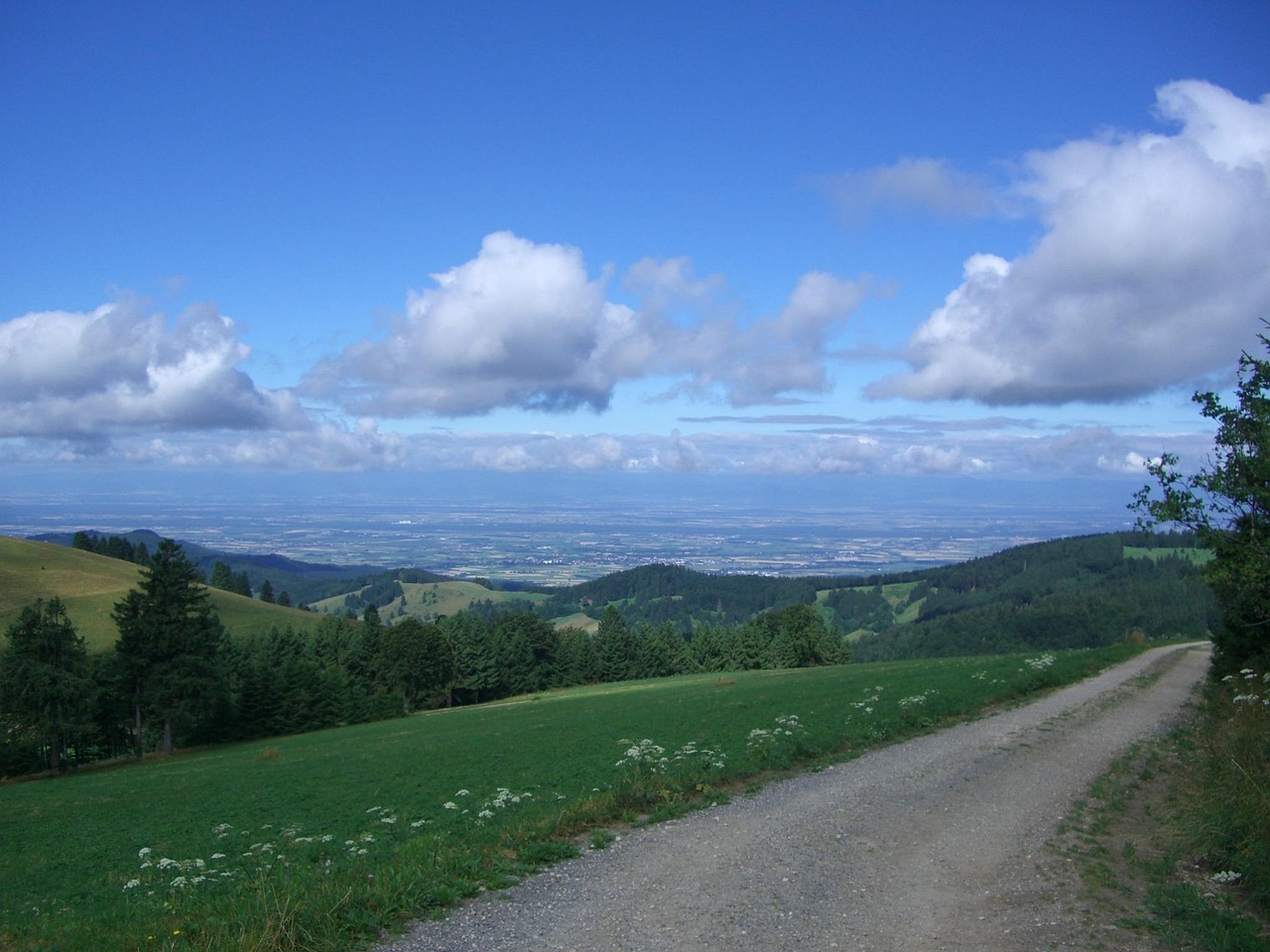
Climb just a little above the river and the landscape shifts: vineyards give way to mixed forests and small farming villages. Trails fan out from Boppard into this hinterland, offering the chance to escape the main tourist corridor entirely for a few hours.
On a hot August day, I walked a loop trail that left the Rhine behind within 15 minutes. I ended up in a shady beer garden in a tiny hamlet, nursing a Radler (beer with lemonade) as the only outsider among hikers and locals. No souvenir shops, no boat timetables – just the sound of leaves and distant church bells.
10. Rheinsteig & Rheinburgenweg – Long-Distance Trails
These two long-distance hiking routes trace opposite banks of the river:
- Rheinsteig: right bank (east); generally hillier, more forested, with frequent panoramic viewpoints.
- Rheinburgenweg: left bank (west); links many castles and villages with slightly gentler paths.
You don’t have to hike them end-to-end to enjoy them. I like to pick a section – say St. Goarshausen to Kaub or Bacharach to Oberwesel – and treat it as a day hike. The waymarking is excellent, and you can almost always bail out at the next village if rain or fatigue hits.
11. The Rhine Gorge – UNESCO Core Landscape
The stretch between Bingen/Rüdesheim and Koblenz is often called the Rhine Gorge. It’s the most dramatically sculpted section, with cliffs, tight bends, and a density of castles that still surprises me despite many trips.
If you only have one opportunity to take a longer boat cruise, make it through this core area. Sitting on the top deck, wind in your hair, watching castles slide by as the captain announces them in a soft, matter-of-fact voice – this is as iconic as it gets.
12. The Rheingau – Monasteries, Grand Estates & Riesling
East of Rüdesheim, the Rheingau is one of Germany’s premier wine regions. The Rhine widens here, the slopes are gentle, and the vibe is more “estate” than “fortified outpost.” Towns like Eltville, Oestrich-Winkel, and Geisenheim are dotted with stately homes and monasteries.
Exploring the Rheingau by bike is one of my favorite cultural experiences in Rhine Valley: stopping at a small winery for a tasting, then riding on to a riverside bench for a picnic, then up to a cloister for a dose of history.
13. Eltville am Rhein – The City of Roses
Eltville calls itself the “City of Wine, Sekt, and Roses,” and it lives up to the title. The riverside promenade is planted with roses that, in June, explode in color and fragrance. There’s a small castle with tower views and cobbled lanes that invite aimless wandering.
I once arrived in Eltville during a small local wine festival. Stalls were set up along the river, and I spent a lazy early evening sampling Riesling from different producers while a brass band played under chestnut trees. It felt less like an event for tourists and more like a neighborhood gathering – which, in essence, it was.
14. Assmannshausen – Red Wine on the Rhine
Famous for its Spätburgunder (Pinot Noir), Assmannshausen clings to a steep bank of the Rhine just upriver from Rüdesheim. The town is small but atmospheric, with narrow lanes and a riverside promenade that’s quieter than its big neighbor’s.
For wine lovers, this is where you shift your palate briefly from white to red. I’ve had some of my most memorable German Pinot tastings here, in low-ceilinged cellars where the winemaker pours generously and talks more about soil than marketing.
15. Braubach & Marksburg – Intact Medieval Fortress
Marksburg Castle above Braubach is unique in the region: it’s one of the few hilltop castles that was never destroyed. That makes it particularly interesting for history buffs; you’re walking through largely original structures rather than 19th-century romantic reconstructions.
The guided tours (mandatory for interior visits) cover everything from medieval toilets to weaponry, but what I remember most is the view from the ramparts – a long sweep of river in both directions, dotted with other castles that didn’t fare as well through the centuries.
16. Linz am Rhein – Colorful “Painted Town”
Further north, technically beyond the Middle Rhine UNESCO section but still within the broader valley, Linz am Rhein is known for its brightly painted half-timbered houses. It’s an easy day trip from Koblenz or Bonn and often overlooked by international visitors.
I spent a rainy April day here ducking between café awnings, photographing the saturated colors of the houses against a pewter sky. It’s a good place to experience a more everyday Rhine town that still treasures its historic core.
17. Lahnstein & the Lahn Valley
Lahnstein sits where the smaller Lahn River meets the Rhine. It’s a functional town more than a showpiece, but it opens the door to the Lahn Valley: a quieter, gentler landscape of wooded hills, meadows, and spa towns like Bad Ems.
For travelers who’ve done the main Rhine and Moselle circuits before, the Lahn offers that coveted feeling of discovery – castles in various states of romantic ruin, riverside campsites, and walking trails where you might not meet another tourist all afternoon.
18. Rhine Floodplains & Nature Reserves
Not all of the Rhine’s beauty is steep vineyards and castles. Along certain stretches, the river broadens into floodplains and protected wetlands, especially north of Koblenz and around Bingen. These areas support birdlife, wildflowers in spring, and peaceful walking or cycling paths away from traffic.
I once spent a misty morning in a riverside nature reserve near Bingen, watching herons stalk through shallow water as geese wheeled overhead. It was a good reminder that the Rhine is an ecosystem as much as a cultural corridor.
Regional Cuisine & Where to Taste It in the Rhine Valley
The local food in Rhine Valley is hearty, seasonal, and built to partner with wine. It’s not fussy, but when done well, it’s deeply satisfying. Some dishes and experiences to seek out:
- Riesling everything: Dry, off-dry, sweet, sparkling – Riesling is king here. Look for estate tastings (Weingüter) in Rheingau, Bacharach, and Boppard.
- Spätburgunder (Pinot Noir): Especially around Assmannshausen, where the reds are perfumed and elegant.
- Federweißer & Zwiebelkuchen (autumn): Partially fermented “young wine” paired with onion tart – a harvest-season ritual.
- Spundekäs: A creamy, garlicky cheese spread, typically served with pretzels; great with a crisp Riesling.
- Handkäse mit Musik: Sour milk cheese with onions and vinegar; more of an acquired taste but wonderfully regional.
- Game & forest dishes (autumn): Venison, wild boar, mushrooms – especially in restaurants a little up in the hills.
- Fish from the Rhine: Trout and other freshwater fish appear on many menus, often simply grilled.
For the most authentic meals, look for:
- Weinstuben (wine taverns): Family-run, often with simple but excellent regional plates. I’ve had some of my best meals in dim, wood-paneled rooms where the wine list is the owner’s pride.
- Straußwirtschaften / Gutsschänken: Seasonal wine taverns run by wineries, sometimes only a few weeks a year. Check local boards and tourism sites.
- Farm stays & guesthouses: In side valleys and the Rheingau, agritourism-style stays sometimes offer home-cooked dinners based on their own produce.
- Weekly markets: Koblenz, Boppard, and Rüdesheim host markets; perfect for picnic supplies and tasting regional sausages, cheeses, and fruits.
I still think about a dinner in a Rheingau Gutsschänke where the owner brought out a plate of cold cuts and cheeses “from our neighbors” and a flight of three vintages of his Riesling. We sat under lanterns in the courtyard, and at the next table a family celebrated a birthday, cake and all. It felt like being temporarily adopted into local life.
Evenings in the Rhine Valley
Evenings are when the Rhine Valley shows you its softer side. Day-trippers head back to cities, and the river quiets into a rhythm of passing barges, clinking glasses, and distant church bells.
Some of my favorite evening moments:
- Small-town squares: In Bacharach, Boppard, and Oberwesel, terrace tables spill into cobbled squares. You’ll see locals greeting each other by name, kids zipping around on scooters, and travelers exhaling after a day of sightseeing.
- Harvest festivals (late Aug–Oct): Wine fests pop up across the region. Expect brass bands, simple food stalls, long communal tables, and generous pours in reusable festival glasses.
- Local concerts: Look for posters advertising church recitals, castle concerts, or town band performances. I’ve stumbled into organ recitals in Koblenz and open-air choirs in Bingen that became trip highlights.
- Sunset viewpoints: Ride the chairlift in Boppard, the cable car in Rüdesheim or Koblenz, or simply hike up to a vineyard bench above Bacharach. Watching the sky change color over the river is a simple but deeply satisfying ritual.
Winter evenings are quieter but no less charming. In December, Christmas markets light up cities like Koblenz and towns like Rüdesheim, with Glühwein stalls and handmade crafts under twinkling lights.
Major Events & Festivals in the Rhine Valley (2026–2027)
Dates shift slightly each year, so always confirm closer to your trip, but as of 2026 planning, expect:
- Rhein in Flammen (Rhine in Flames): A series of spectacular fireworks and illuminated boat parades held on different Rhine stretches between May and September.
- Koblenz edition (likely Aug 2026 & Aug 2027): The sky lights up above the Deutsches Eck and Ehrenbreitstein, with musical accompaniment.
- St. Goar / St. Goarshausen edition (Sept 2026 & 2027): Particularly atmospheric around Loreley and Rheinfels.
- Wine festivals: Nearly every wine town hosts one between late August and October.
- Bopparder Weinfest: Two weekends usually in late September/early October; big, friendly, and boisterous.
- Rüdesheimer Weinfest: Summer wine fest with music in the lanes.
- Oberwesel & Bacharach: Smaller but very atmospheric local fests.
- Open cellars & “Tage der offenen Weinkeller”: Selected weekends when wineries open their cellars for tours and tastings. Check local tourism boards for 2026–2027 schedules.
- Christmas markets (late Nov–Dec): Koblenz’s market spreads across several squares; Rüdesheim’s Christmas market of nations is particularly charming.
If you’re building a 6 day itinerary for Rhine Valley around a wine fest or Rhine in Flames, book accommodation early – riverside rooms can sell out months in advance.
Extra Day Trips & Nearby Attractions from the Rhine Valley
Beyond the Moselle and Lahn destinations already mentioned, consider:
- Mainz: At the southern gateway to the Rhine Valley, Mainz offers a superb cathedral, the Gutenberg Museum, and a lively student-driven old town. Easy day trip from Bingen/Rüdesheim.
- Bonn: Former West German capital with excellent museums (Haus der Geschichte) and a pleasant Rhine promenade; reachable from Koblenz by train or boat.
- Frankfurt: For big-city energy, museums, and a major airport hub; an easy day trip from Rheingau or Bingen by train.
- Bad Ems: Historic spa town on the Lahn with thermal baths and belle époque architecture; a relaxing contrast to castle-hopping days.
Cultural Etiquette & Local Customs in the Rhine Valley
The Rhine Valley is relaxed, but a few cultural notes will make interactions smoother:
- Greetings: A simple “Guten Tag” or “Hallo” when entering shops, cafés, and especially small wine taverns goes a long way. Say “Tschüss” or “Auf Wiedersehen” when leaving.
- Language: Many people in tourism speak some English, but not all menus will be translated. A few German phrases and a willingness to point and smile are appreciated.
- Quiet hours: Residential areas, especially in small villages, value Ruhezeit (quiet time), typically late evening and early morning. Keep noise down on hotel balconies and in streets at night.
- Cash vs card: Card acceptance is improving, but some small taverns and guesthouses still prefer cash. It’s wise to carry some euros, especially in villages.
- Tipping: Round up the bill or add about 5–10% in restaurants if service was good, handing it directly to the server as you pay rather than leaving it on the table.
- Wine tasting etiquette: Tasting fees are increasingly common. If they’re waived with purchase, it’s polite to buy at least a bottle if you’ve tried several wines and enjoyed them.
- Hiking & nature: Stay on marked trails, close gates behind you, and greet fellow hikers with a friendly “Hallo” or “Moin” (the latter more common further north but heard here too).
In general, people in the Rhine Valley are proud of their region and happy to share it, especially when you show genuine interest and a bit of respect for local rhythms.
Practical Travel Advice for the Rhine Valley (2026)
Getting Around: Train, Boat, Car, or Bike?
One of the best travel tips for Rhine Valley is that you don’t need a car for most classic itineraries.
- Trains: Regional trains run along both banks of the Rhine between Koblenz and Bingen/Rüdesheim, stopping at most major towns. They’re frequent, scenic, and generally punctual.
- Boats: KD and other companies run regular cruises; you can hop on/off or do point-to-point trips. I like combining one boat leg with train returns to vary perspectives.
- Buses: Useful for certain side valleys and Rheingau villages, but not essential for the main Rhine strip.
- Bikes: Dedicated cycle paths follow much of the river. In 2026, bike rental options are expanding in Koblenz, Boppard, and Rüdesheim.
- Car: Helpful if you plan to explore deeply into side valleys, small Rheingau villages, or want total flexibility. But parking in historic centers can be limited and sometimes paid.
Driving Distances & Car Rental Tips
Approximate driving times (without traffic):
- Koblenz – Boppard: ~25 minutes
- Boppard – St. Goar: ~20 minutes
- St. Goar – Bacharach: ~20 minutes
- Bacharach – Bingen: ~20 minutes
- Bingen – Rüdesheim (via bridge or ferry): ~15–25 minutes
- Koblenz – Cochem (Moselle): ~40–50 minutes
Car rental: Easiest at major hubs like Frankfurt Airport, Cologne, or sometimes Koblenz. If you’re only visiting the core Rhine for 4–5 days, I’d personally skip a car and rely on trains and boats; for more spread-out 6–7 day itineraries with side valleys, a car becomes more attractive.
Parking: Many historic centers have designated edge-of-town lots; look for “Parkplatz Altstadt.” In tiny villages, parking can mean simply using a marked roadside bay near your guesthouse.
Seasonality: When to Visit the Rhine Valley
- Spring (April–May): Wildflowers, blossoming trees, cooler but pleasant temperatures. Good for hiking and quieter villages; some smaller seasonal businesses may open only from May.
- Summer (June–August): Warm to hot, long days, busiest season. Boats and festivals in full swing; great for families. Book ahead and expect higher prices.
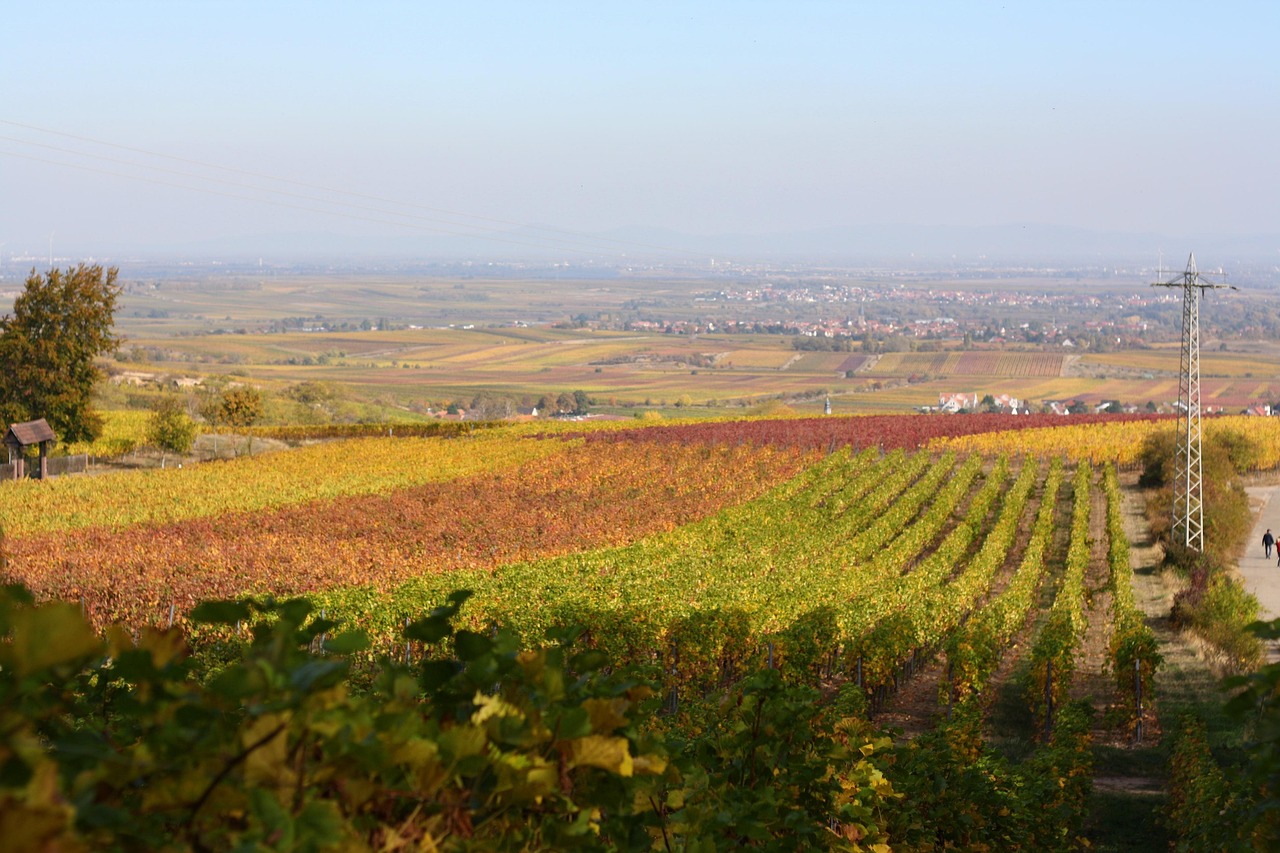
- Autumn (Sept–Oct): My personal favorite. Vines turn gold, harvest is in full swing, wine festivals abound, and temperatures are still mild. Ideal for 4–7 day itineraries in Rhine Valley.
- Winter (Nov–March): Quieter; some attractions have reduced hours or close. Christmas markets (late Nov–Dec) add charm, but river cruises are limited. Good for those who prefer introspective, crowd-free travel and don’t mind shorter days.
Money-Saving Tips
- Rail passes: Regional day tickets (e.g., Rhineland-Palatinate tickets) can significantly reduce costs if you’re doing multiple train trips in a day.
- Picnics: Alternate restaurant meals with picnics from bakeries and supermarkets. Riverside benches make stunning “dining rooms.”
- Free viewpoints: Many of the best views (like certain Rheinsteig sections) cost nothing but effort.
- Shoulder seasons: Late April–early June and September (excluding big festival weekends) can yield better lodging deals than peak July–August.
SIM Cards & Connectivity (2026)
In 2026, most European travelers will have EU-wide roaming included. For visitors from outside the EU:
- eSIMs: Widely available via online providers before arrival; easy to activate at the airport or your hotel.
- Physical SIMs: Available at airports, major train stations (e.g., Frankfurt, Cologne), and electronics shops in Koblenz/Mainz. Look for major carriers like Telekom, Vodafone, or O2.
- Coverage: Generally excellent along the Rhine, though very steep sections may have brief weak spots.
Visa & Entry Requirements (Overview)
Germany is part of the Schengen Area. Travelers from many countries can enter visa-free for short stays (typically up to 90 days in a 180-day period), while others require a Schengen visa. Requirements change, so check your country’s specific situation with official German or EU sources before booking.
Foreign Driving Licenses
Most visitors can drive in Germany with a valid foreign license for short stays. Some nationalities may also need an International Driving Permit (IDP) in addition to their home license. Car rental companies can advise on their own policies, but always check regulations for your nationality in advance.
Hidden Practical Tips from Repeated Visits
- Use both riverbanks: The left and right banks feel subtly different; use ferries or trains to hop across rather than sticking to one side.
- Check last boat & train times: Especially in shoulder season – don’t get stranded after a late dinner in a neighboring town.
- Pack layers: River breezes can make boat decks chilly even on warm days; evenings cool quickly in spring and autumn.
- Book castle stays early: A few castles operate as hotels or youth hostels (e.g., Burg Stahleck in Bacharach); these are memorable, but popular.
- Accept slower meals: Service in family-run places can be unhurried. Treat it as part of the experience rather than inefficiency.
Summary: Key Takeaways & Final Recommendations
The Rhine Valley is more than a string of photogenic villages; it’s a lived-in, working landscape where wine culture, river trade, and small-town life intersect. Over multiple trips, what’s stayed with me isn’t only the castles and viewpoints, but the humbler moments: the old man pruning vines at dawn above Bacharach, the friendly debate over Riesling sweetness levels in a Boppard tavern, the silence of the river at night from a guesthouse balcony.
For 4 days in Rhine Valley, focus on the core: Boppard, St. Goar/Loreley, Bacharach, and Rüdesheim/Rheingau. For 5–7 days in Rhine Valley, add Koblenz, Moselle and Lahn side trips, and deeper hikes along the Rheinsteig or Rheinburgenweg.
The best seasons for most travelers are:
- Late spring (May–June): Lush, green, and energetic, with long days and active river traffic.
- Early to mid-autumn (Sept–early Oct): Golden vineyards, wine festivals, and softer light.
Whether you come as a family seeking fun castle adventures, a couple looking for romantic riverfront evenings, or a solo traveler hungry for long walks and quiet villages, the Rhine Valley rewards those who slow down, look closely, and let the river set the pace.