Why Visit Rostock in 2026?
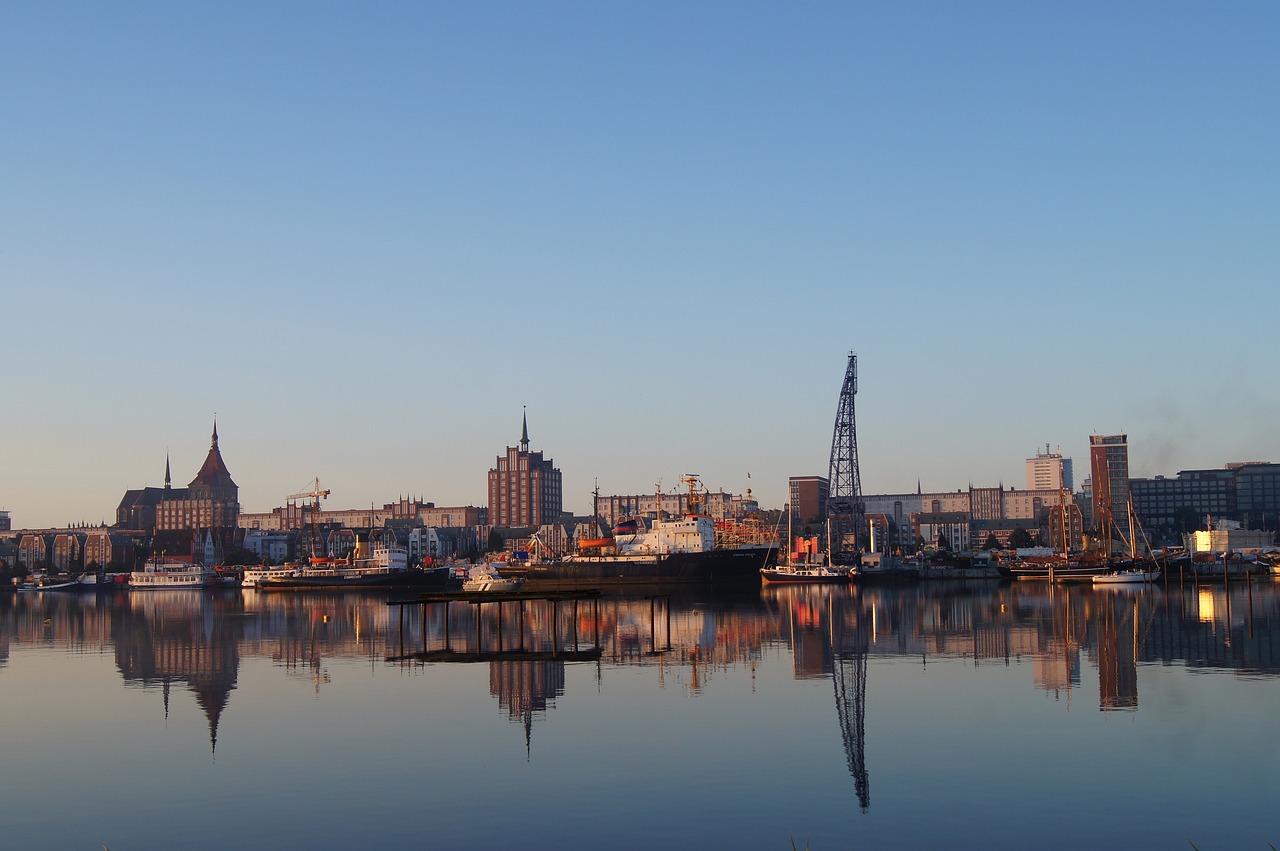
Rostock sits on the Warnow River, opening into the Baltic, and has the kind of layered history you can feel in its streets: former Hanseatic powerhouse, East German port city, and now a lively university town with a growing creative scene. It’s compact but not tiny, touristy in summer yet still very much lived-in and authentic.
- Medieval charm with real life attached: Rostock’s brick Gothic churches and city gates are impressive, but they’re not preserved as a museum city. Students bike to lectures past 600-year-old facades.
- Beach and city in one base: The seaside resort of Warnemünde is part of Rostock itself. You can spend the morning in a museum and the afternoon barefoot in the sand.
- Affordable compared to big-name German cities: Hotels, food, and activities are generally cheaper than in Berlin, Hamburg, or Munich.
- Laid-back Baltic vibe: Long evenings on the promenade, fresh fish, and a slightly rough-but-charming harbor mood.
- Easy gateway to the Baltic region: Ferries, trains, and buses connect you to Denmark, Sweden, and the rest of Mecklenburg-Vorpommern.
In 2026–2027, Rostock is quietly upgrading its waterfronts and public spaces, with new bike routes along the river, expanded Warnemünde promenade areas, and a renewed focus on sustainable tourism. It’s a good time to visit before it becomes a mainstream name on every German itinerary.
Table of Contents
- Why Visit Rostock in 2026?
- Rostock at a Glance
- Rostock Neighborhoods & Areas to Explore
- 20 Must-See Attractions & Hidden Gems in Rostock
- 3–5 Day Itineraries for Rostock
- Local Food in Rostock & Where to Eat
- Cultural Experiences & Local Customs
- Nightlife & Entertainment
- Day Trips from Rostock
- Events & Festivals 2026–2027
- Practical Travel Tips for Rostock
- Summary & Best Time to Visit
Rostock at a Glance
Population-wise, Rostock is big enough (around 210,000 people) to have all the amenities you need, but small enough to feel manageable even on a short visit. The university, founded in 1419, is one of the oldest in Northern Europe, and its presence keeps the city young, open-minded, and comparatively international.
Rostock’s heart is the Altstadt (Old Town) along the Kröpeliner Straße pedestrian zone, stretching from the western Kröpeliner Tor to the eastern Steintor and Stadthafen (city harbor). The Baltic beach town of Warnemünde, technically a district of Rostock, sits about 25 minutes away by S-Bahn on the coast.
Neighborhoods & Areas to Explore in Rostock
Altstadt (Old Town)
This is where you’ll spend a good chunk of your time: cobbled streets, red-brick churches, gabled merchant houses, and café-lined squares. I always end up walking the same loop: from Kröpeliner Tor through Universitätsplatz, past the town hall on the Neuer Markt, then down to the Stadthafen for sunset.
Stadthafen (City Harbor)
The old harbor warehouses have been repurposed into bars, restaurants, and creative spaces. On summer evenings, locals sit along the quay with ice cream or beers, watching sailboats and ferries glide by. It’s casual, slightly industrial, and very Rostock.
Kröpeliner-Tor-Vorstadt (KTV)
This is the student and creative district west of the old town. Think colorful facades, second-hand shops, record stores, indie cinemas, and relaxed cafés. If you want to feel the everyday life of the city and find cheaper eats, KTV is where you go.
Warnemünde
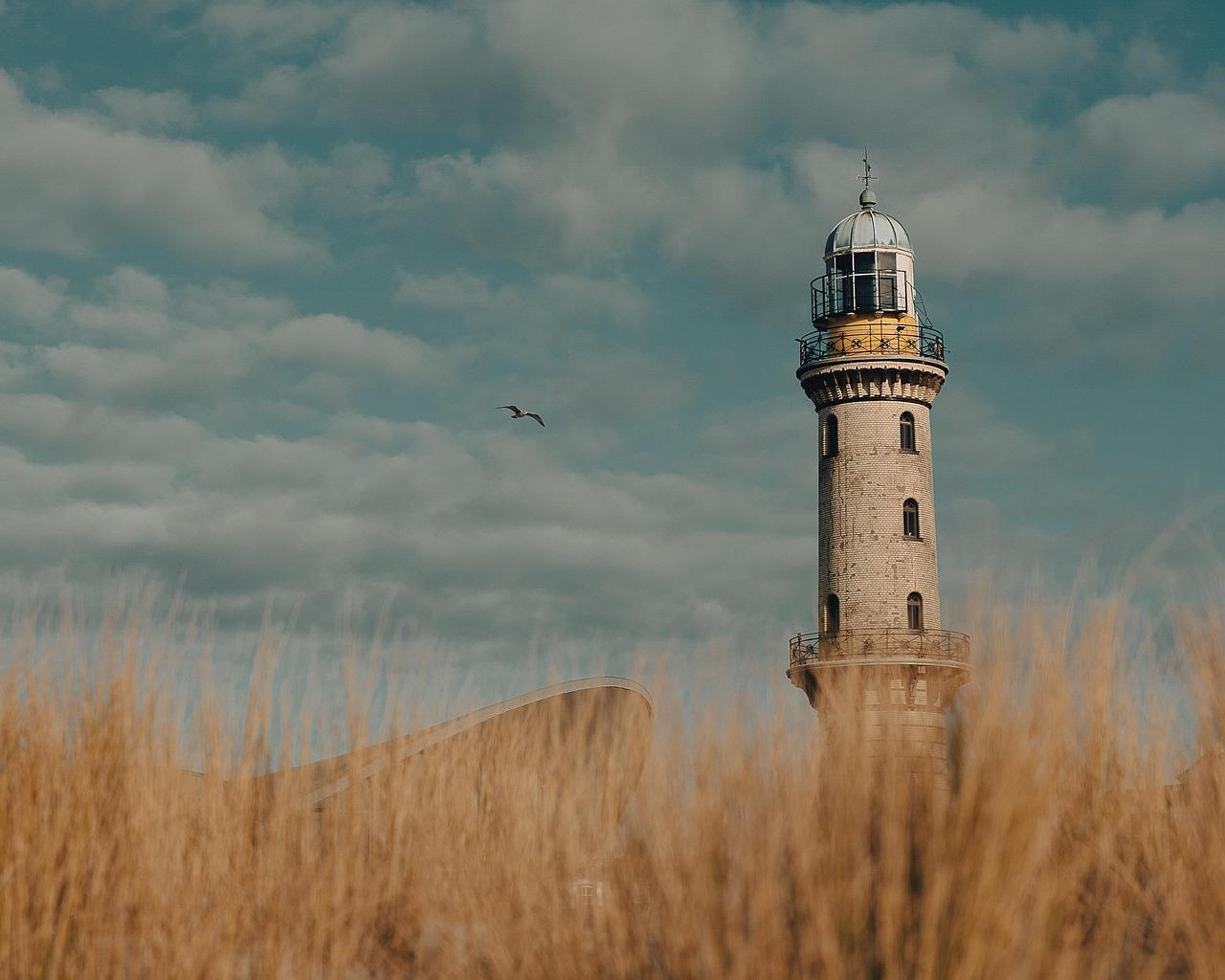
Warnemünde is Rostock’s beach resort, with a wide sandy shore, a lighthouse, and a river promenade where fishing boats sell fresh fish directly from the deck. In summer, it’s busy with families and cruise passengers, but you can still find quiet spots if you walk further along the beach.
Brinkmansdorf & Südstadt
These are primarily residential areas, less picturesque, but interesting if you’re curious about GDR-era architecture and everyday life outside the tourist core. The university’s main campus in Südstadt has a completely different look from the medieval center.
20 Must-See Attractions & Hidden Gems in Rostock
Below are 20 of the best places to visit in Rostock, from iconic sights to quieter corners. I’ll weave many of these into the 3–5 day itineraries later, but here you get the deeper backstory, personal impressions, and concrete tips.
1. St. Mary’s Church (Marienkirche)
Every time I step into Marienkirche, I’m surprised by its scale. From the outside, it’s a massive brick Gothic structure; inside, the soaring vaults and soft light make it feel like a ship turned upside down.
Built mainly in the 13th–15th centuries, St. Mary’s was the main parish church of the Hanseatic merchants. The highlight is the astronomical clock, a masterpiece from 1472 that still runs on its original mechanism. If you can, time your visit to just before noon or midnight to see the procession of apostles move across the clock face.
My tip: Climb the tower (check seasonal opening hours). The stairs are a workout, but the view over rooftops, harbor cranes, and the river is one of the best city views in Rostock. I usually go in late afternoon when the light is soft and the crowds have thinned.
How to get there: It’s a short walk from the Neuer Markt tram stop in the Old Town.
2. Kröpeliner Straße & Universitätsplatz
Kröpeliner Straße is Rostock’s main pedestrian spine, lined with shops, cafés, and street musicians. On my first visit, I walked this street three times in one day, just soaking in the mix of medieval facades and everyday bustle.
In the center lies Universitätsplatz, where the baroque main building of the University stands with its manicured lawn. Students sprawl on the grass between lectures, and pop-up events or markets are frequent in summer.
Tip: For a relaxed people-watching session, grab a coffee from a side-street café and sit on the low walls or benches at Universitätsplatz. In December, this is one of the main sites of the Rostock Christmas Market.
3. Warnemünde Beach & Lighthouse
Warnemünde is where I go to reset. The sandy beach stretches for kilometers, backed by dunes and classic Strandkörbe (beach baskets). The water is bracing but swimmable in summer, and even in winter the fresh sea air is worth the trip.
The white Warnemünde Lighthouse dates from 1898 and is open seasonally for climbs. The view over the Baltic and the Westmole breakwater is fantastic, especially at sunset.
Food tip: Don’t miss the fishing boats along the Alter Strom canal selling Fischbrötchen – rolls stuffed with herring, salmon, or Bismarckhering. My personal favorite stand changes, but I often end up at the one with the longest line; it’s usually worth the wait.
How to get there: Take the S-Bahn (S1 or S2) from Rostock Hbf or Rostock Holbeinplatz to Warnemünde (about 25 minutes). From the station, it’s a 5–10 minute walk to the beach.
4. Stadthafen (City Harbor)
The Stadthafen is my favorite place in Rostock to end a day. Old granaries and warehouses line the Warnow River, some converted into restaurants, others still slightly rough. Sailboats bob in the water; occasionally a tall ship visits.
On warm evenings, locals sit on the wooden quayside with drinks, students play guitar, and couples walk hand in hand under the orange glow of the setting sun. The annual Hanse Sail festival turns this area into a sea of masts, food stalls, and live music.
Tip: Walk the full stretch from Haedgehalbinsel up toward the Neptun Werft side for changing perspectives. Bring a light jacket even in summer; the river breeze can be chilly.
5. Kröpeliner Tor & City Walls
Kröpeliner Tor is one of the old city gates that once guarded Rostock’s medieval core. Today, it marks the western end of Kröpeliner Straße and houses a small museum about the city’s fortifications and history.
I like to start my Old Town walks here, imagining the merchants who once entered the city under this tower. Around the gate, you can still see segments of the old walls, giving a sense of Rostock’s former size and power.
Tip: Visit around golden hour; the brick glows warmly in the low sun. The museum is small but worth 30–45 minutes if you’re into history.
6. Steintor & Neuer Markt
On the eastern side of the Old Town, the Steintor (Stone Gate) and the Neuer Markt square form a picturesque ensemble: pastel-colored gabled houses, the ornate town hall with its pink facade and arcades, and the looming bulk of St. Mary’s nearby.
Neuer Markt hosts weekly markets and, in December, one of the centers of the Christmas market. I once spent a rainy morning here moving from stall to stall, trying every kind of smoked fish and regional sausage I could find.
Tip: Check the market schedule (usually several days a week) and come hungry. Prices are reasonable, and vendors are used to both locals and visitors.
7. University of Rostock & Botanical Garden
The University’s influence is everywhere in Rostock, but two spots are especially pleasant to visit: the historic main building at Universitätsplatz and the Botanischer Garten a bit further out.
The Botanical Garden is one of those hidden gems in Rostock that few short-term visitors reach. It’s a peaceful space with themed sections, greenhouses, and plant collections from around the world. I went on a hot July afternoon once, and it felt like stepping out of the city into a different climate.
How to get there: Take tram or bus to Botanischer Garten stop and follow the signs. Entry is usually free or very inexpensive.
8. Cultural History Museum (Kulturhistorisches Museum)
Housed in a former monastery, the Kulturhistorisches Museum is the place to get a sense of Rostock’s story: from Hanseatic heyday through the GDR period and beyond. The old cloister and refectory alone are atmospheric.
What I appreciate here is the balance: medieval altarpieces next to exhibits on everyday life in East Germany. It makes the city feel layered and complex, not just “pretty old town plus beach.”
Tip: Combine this with a stroll through the surrounding park and nearby streets of KTV. On rainy days, it’s an ideal escape.
9. Shipbuilding and Maritime Museum (Schifffahrtsmuseum) on the “Dresden”
Moored on the river, the Schifffahrtsmuseum is located on a former Type 22a missile frigate of the GDR navy, the “Dresden.” Walking through its narrow corridors and decks gives a vivid sense of maritime and military history.
I spent over two hours here on a windy autumn day, reading every plaque and peering into engine rooms. If you’re into ships, engineering, or Cold War history, it’s a must.
How to get there: Located a bit north of the Stadthafen; reachable by bus or a longer riverside walk. Check seasonal opening times.
10. IGA Park & Shipbuilding Tradition
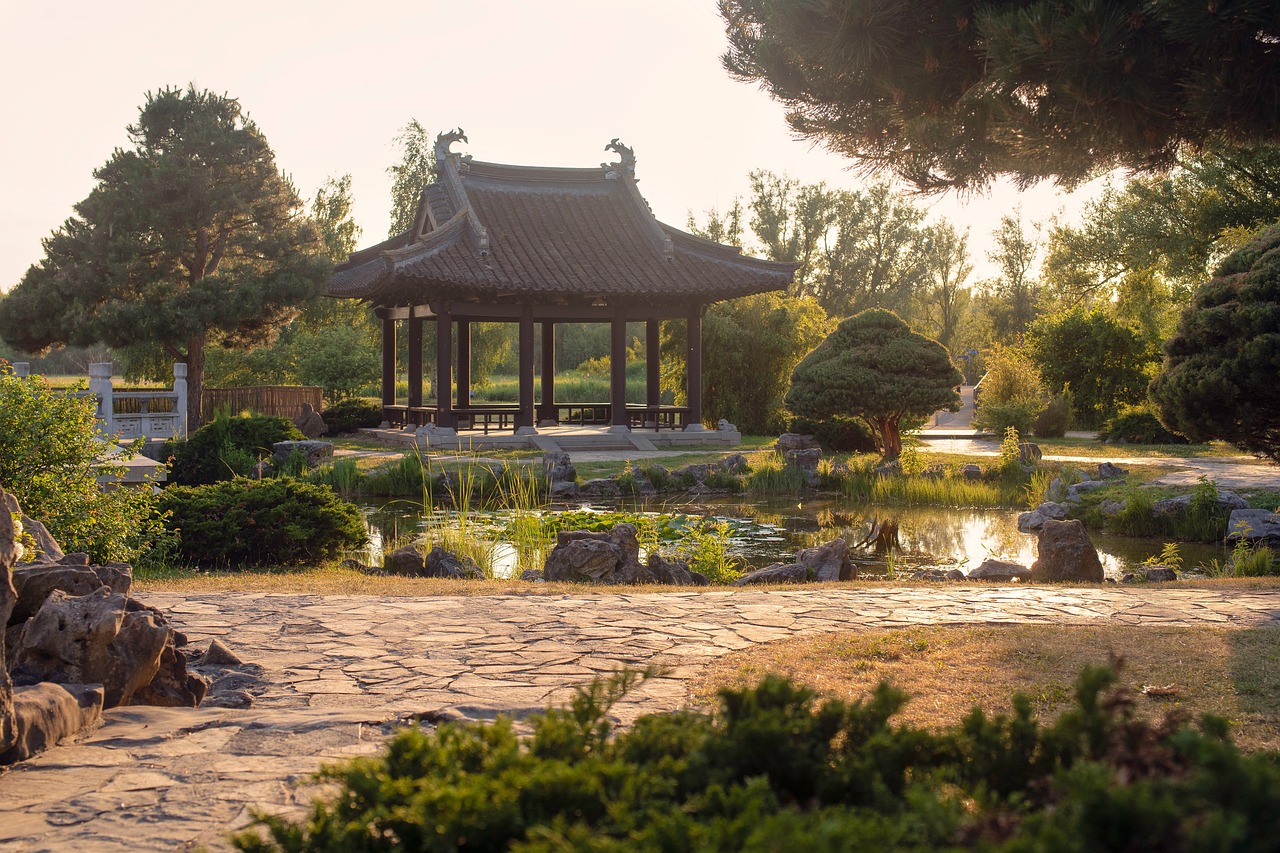
IGA Park was created for an international garden exhibition and has evolved into a spacious park with themed gardens, viewpoints over the Warnow, and family-friendly spaces. It’s also close to the large shipyards that remind you this city builds real ships, not just postcards.
I like to rent a bike and ride along the river paths through IGA Park, stopping at benches that look out over cranes and docks. It’s an interesting contrast to the polished beach image of Warnemünde.
Tip: Great for picnics on sunny days, especially if you’re traveling with kids who need to run around.
11. Alter Strom & Fishing Boats in Warnemünde
The Alter Strom canal is Warnemünde’s postcard view: fishing boats with red nets, gabled houses, and rows of cafés and fish stalls. Yes, it can be crowded, but if you come early in the morning, you’ll see local fishermen working and the light is beautiful.
On one trip, I stayed in Warnemünde and walked the Alter Strom at sunrise – the smell of the sea, clinking of rigging, and quiet chatter of crews preparing for the day is still one of my favorite memories from Rostock.
12. Teepott & Modern Seaside Architecture
Next to the lighthouse in Warnemünde stands the Teepott, a curved modernist building from the 1960s (rebuilt after reunification) that has become an icon of the Baltic seaside. Inside, you’ll find restaurants and cafés, but the real attraction is the way it frames the lighthouse and beach.
Tip: Walk up to the observation deck area for photos of the beach, lighthouse, and Teepott together. It’s a classic shot for your Rostock album.
13. Monastery of the Holy Cross (Kloster zum Heiligen Kreuz)
This former Cistercian nunnery is one of the most peaceful corners of central Rostock. The cloister’s brick arcades enclose a quiet courtyard; stepping inside feels like leaving the modern city behind.
Some of the Cultural History Museum exhibits are housed here, but I often come just to walk the cloister and sit in the courtyard for a few minutes. It’s a reminder of the city’s deep medieval roots.
14. Rostock Zoo

Rostock Zoo is regularly ranked among Germany’s best zoos, especially praised for its spacious enclosures and educational focus. The Darwineum and Polarium are modern complexes exploring evolution, climate, and polar ecosystems.
I visited with friends who had kids, and we ended up staying almost a full day. The children loved the apes and polar bears; I appreciated the thoughtful signage and comfortable paths. It’s an excellent family-friendly activity, particularly if the beach is too windy.
How to get there: Tram/bus to Trotzenburger Weg or Zoo stop. Allow at least 3–4 hours.
15. Lichtspieltheater Wundervoll (LiWu) Cinema
For a taste of local cultural life, head to the LiWu arthouse cinema in KTV. They show a mix of international films, often in original language with German subtitles, plus retrospectives and festivals.
I once ducked in on a rainy evening and ended up watching a small Scandinavian indie film with a half-full room of students and film buffs. It felt more like being part of a community than a commercial cinema experience.
16. Artists’ Spaces & Galleries in KTV
KTV hides dozens of small galleries, studios, and artist-run spaces. They come and go, but wandering streets like Doberaner Straße and neighboring side streets regularly leads to windows filled with paintings, prints, or ceramics.
On one of my walks, I stumbled into a tiny printmaking studio and ended up chatting with the artist over coffee about how Rostock’s harbor light influences her work. If you like art, allow yourself some unscripted time in KTV to explore.
17. Shipyard Cranes Panorama
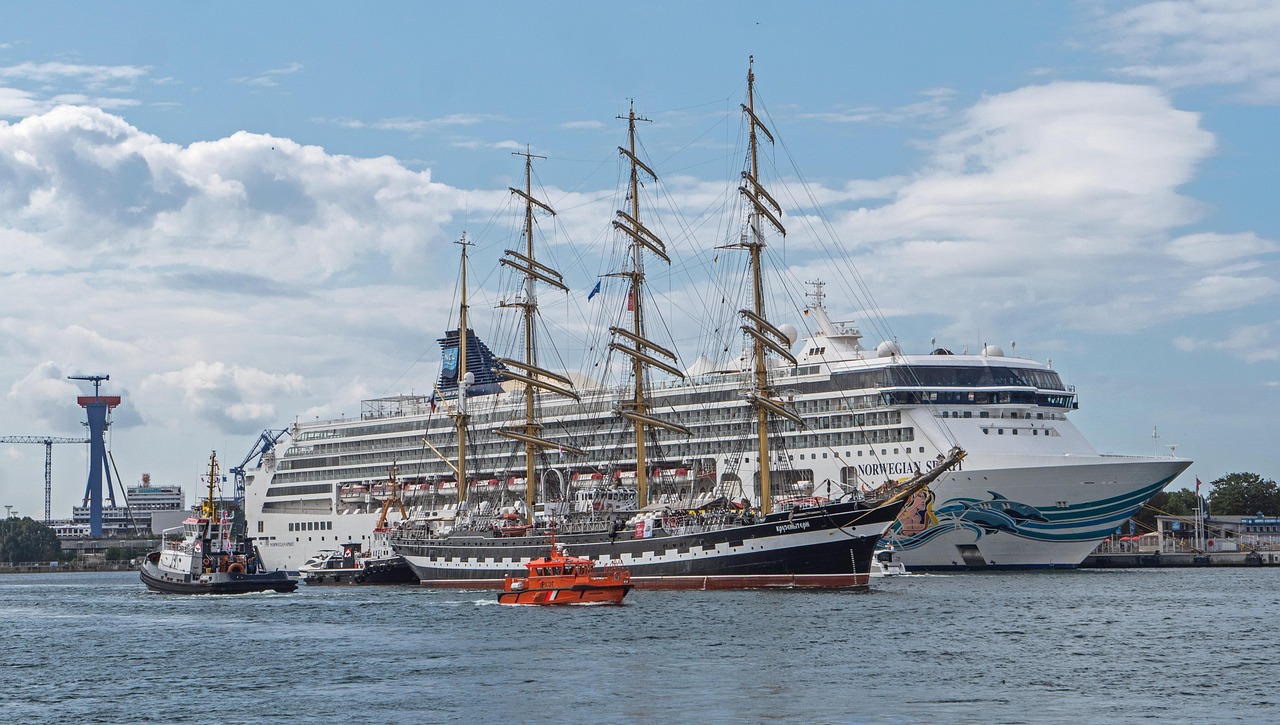
Rostock’s skyline is defined as much by church towers as by shipyard cranes. From certain points along the river – especially north of Stadthafen or from across the Warnow – you can frame the cranes against sunset or stormy skies, creating dramatic photos.
I like to bike along the riverside paths until I find a spot where the cranes line up in a row. It’s an industrial beauty that balances the postcard-pretty old town.
18. Stoltera Cliffs Coastal Walk
Just west of Warnemünde, the Stoltera nature reserve offers a beautiful cliffside walk along the Baltic. The path alternates between forest and open viewpoints over the sea, with steep drops to the beach below.
I once spent a blustery April afternoon here, with whitecaps on the water and hardly another person in sight. It’s a wonderful contrast to the busy Warnemünde promenade.
How to get there: Bus from Rostock/Warnemünde toward Diedrichshagen or walk along the beach from Warnemünde (long but lovely).
19. Brick Gothic & Gabled Houses Architecture Trail
Rostock is a textbook of North German brick Gothic and Hanseatic architecture. Simply walking through the Old Town, you’ll see stepped gables, decorative brick patterns, and restored merchant houses.
The tourist office provides maps for self-guided architecture walks, but I prefer following my nose: every time I think I’ve seen all the pretty streets, I find another lane with colorful facades or a hidden courtyard.
Tip: Bring a camera and look up – many of the best details are above eye level.
20. Rostock Christmas Market (Weihnachtsmarkt)
If you visit in late November or December, the Rostocker Weihnachtsmarkt transforms the city with lights, stalls, and rides. It’s considered one of the largest and most atmospheric in Northern Germany, stretching from the Stadthafen to Neuer Markt and Kröpeliner Straße.
I’ve been twice, and both times ended up drinking more Glühwein (mulled wine) than planned while snacking on roasted almonds and smoked fish. Compared to markets in big cities, it feels more local, with plenty of families and friends meeting after work.
Recommended 3–5 Day Itineraries for Rostock
To help you plan your 3 days in Rostock (or 4–5 days if you have more time), here are flexible itineraries based on how I usually structure visits when friends come to stay. Each day blends must-see attractions, local food, and hidden gems, with notes on pacing and options.
3 Day Itinerary for Rostock
Day 1: Old Town, Harbor, and Brick Gothic Highlights
Morning – Orientation in the Altstadt
I like to start a 3 day itinerary for Rostock with a slow wander through the Old Town. Begin at Kröpeliner Tor, standing under the gate and looking east down Kröpeliner Straße – that’s your main axis for the day.
- Walk slowly along Kröpeliner Straße, popping into side alleys when something catches your eye. This is where you’ll feel the mix of students, locals doing errands, and visitors.
- Pause at Universitätsplatz. Take a short look inside the main university building if open; there are often small exhibitions in the lobby.
- Continue toward Neuer Markt, admiring the Rathaus (town hall) with its pastel facade and arcades.
Late Morning – St. Mary’s Church
Head to Marienkirche. Give yourself at least an hour here:
- Circle the nave, noting the huge altar and organ.
- Spend time in front of the astronomical clock. If you’re near the top of the hour around noon, stay for the apostle procession.
- If the tower is open and the weather clear, climb up for a first overview of the city layout – river, harbor, and sea in the distance.
Lunch – Local Flavors in the Old Town
For lunch, I often recommend a small bistro around Neuer Markt or one of the slightly hidden restaurants a block off Kröpeliner Straße. Look for menus offering:
- Matjes (young herring) dishes
- Labskaus – a traditional sailor’s dish of corned beef, potatoes, beetroot, topped with a fried egg and rollmops (pickled herring). It looks odd but tastes comforting.
Afternoon – Monastery & Cultural History Museum
Make your way to the Kloster zum Heiligen Kreuz and the Kulturhistorisches Museum. Even if you’re not usually a museum person, give this at least 90 minutes:
- Wander the cloister and courtyard; absorb the quiet and brickwork.
- Visit the exhibitions on Hanseatic Rostock and everyday life in the GDR. It gives context to everything you’ll see later.
Late Afternoon – Stadthafen Stroll
Head down to the Stadthafen as the light softens:
- Walk along the river, checking out the ships moored there.
- Find a bench or a spot on the quay to sit and watch the boats. This is where Rostock’s working harbor character really shows.
Dinner – Harbor Restaurant
Choose one of the restaurants along the harbor – there are options from casual to slightly upscale. I tend to favor places that do fresh fish with simple sides and a view of the water. Ask for the catch of the day.
Evening – Drinks in KTV
If you still have energy, cross into KTV for a drink. There are cozy bars and pubs where students and locals mix; prices are gentle, and the vibe is relaxed rather than flashy.
Day 2: Warnemünde Beach, Lighthouse & Coastal Walks
Morning – S-Bahn to Warnemünde & Beach Time
On your second of 3 days in Rostock, dedicate most of the day to Warnemünde. Take the S-Bahn after breakfast; if you go early (before 10:00), you’ll avoid the bigger crowds in high season.
- From the station, walk along the Alter Strom. Take your time with the fishing boats and small shops.
- Grab a first Fischbrötchen as a snack – consider it breakfast, Baltic-style.
- Head to the main beach, spreading out your towel or renting a Strandkorb if you’ll stay longer.
On warm days, I alternate between swimming, reading, and simply watching the ferries and ships entering and leaving the Warnow estuary.
Midday – Lighthouse & Teepott
When the sun is high, and you’re ready for a walk:
- Climb the Warnemünde Lighthouse (check opening hours; usually small fee).
- Walk around the Teepott and its promenade, taking in the 1960s modernist curves.
- Stroll out onto the Westmole breakwater for sea views and a good breeze.
Lunch – Fish on the Promenade
For lunch, either sit down at one of the seafront restaurants (great for a longer break) or assemble a picnic from takeaway fish stalls, eaten on the sand. I often opt for a smoked fish plate and a cold drink under a simple canopy rather than a fancy meal.
Afternoon Options – More Beach or Stoltera Cliffs
You have two main choices for the afternoon:
- Option A: Stay on the beach – Perfect for families, couples, or anyone who wants a classic seaside day.
- Option B: Walk to the Stoltera Cliffs – If you’re feeling more active, follow the beach westwards or take a bus toward Diedrichshagen and hike along the cliffside trail.
Evening – Sunset & Return to Rostock
Try to stay in Warnemünde for sunset if the weather is decent; the sky over the Baltic can be spectacular. Afterward, catch the S-Bahn back to Rostock. If you still have energy, a light dinner or drink in KTV or the Old Town wraps up the day.
Day 3: Zoo, KTV, and Alternative Rostock
Morning – Rostock Zoo
On your last day of this 3 day itinerary for Rostock, visit the Rostock Zoo. Even adults without kids tend to enjoy it because of the well-designed Darwineum and Polarium.
- Arrive early to see the animals active.
- Follow the main loop through large enclosures; allow at least 3 hours, 4–5 if visiting with children.
Lunch – Café near Zoo or in KTV
Grab a simple lunch either at the zoo café or hop a tram to KTV, where you’ll find student-friendly eateries with daily specials and vegetarian/vegan options.
Afternoon – KTV & Hidden Courtyards
Spend your afternoon wandering KTV:
- Explore Doberaner Straße and side streets, ducking into small shops, galleries, and bakeries.
- Stop at an indie café for cake and coffee; this is where the city’s creative energy is most visible.
- If you like cinema, check the schedule at LiWu and maybe plan an early evening screening.
Evening – Harbor or Old Town Farewell
For your last evening, choose between a relaxed harbor walk or a last loop through the Old Town. I often do both: harbor at sunset, then a final stroll up Kröpeliner Straße, saying a quiet goodbye to the city.
4 Day Itinerary for Rostock
If you have 4 days in Rostock, follow the 3 day itinerary above and add:
Day 4: IGA Park, Shipbuilding, and River Perspectives
Morning – IGA Park & Gardens
Head to IGA Park for a calmer, greener day:
- Wander the themed gardens and riverfront paths.
- Find viewpoints where you can see both nature and the industrial shipyards across the water.
Lunch – Picnic or Park Café
Bring a picnic (there are plenty of supermarkets in Rostock where you can stock up) or eat at a simple park café. On sunny days, I love spreading a blanket and watching the clouds and passing boats.
Afternoon – Maritime Museum on the “Dresden”
Combine IGA Park with the Schifffahrtsmuseum on the “Dresden”:
- Explore the decks, cabins, and engine rooms of the former frigate.
- Learn about Rostock’s maritime traditions and GDR navy history.
Evening – Alternative: Ferry Ride or Riverfront Dinner
Depending on the season and schedules, you may be able to take a small ferry along the river or simply head back to Stadthafen for dinner. Ending with another harbor sunset never gets old.
5 Day Itinerary for Rostock
With 5 days in Rostock, you can slow down and add a dedicated day trip, plus more varied cultural experiences.
Day 4: (As Above) IGA Park & Maritime Museum
Follow the Day 4 plan from the 4 day itinerary for Rostock.
Day 5: Day Trip to the Baltic Countryside or Another Seaside Town
For your fifth day, choose one of these options (I’ll go into more detail in the day trips section):
- Heiligendamm & Bad Doberan: Historic spa architecture, a Molli steam train, and a quieter beach atmosphere.
- Wismar: Another Hanseatic city with beautiful brick Gothic buildings and a UNESCO-listed old town.
- Mecklenburg countryside: Lakes, forests, and small villages reachable by regional train.
In the evening, return to Rostock for a final dinner at a restaurant you’ve been eyeing all week or a repeat visit to your favorite spot.
Local Food in Rostock & Where to Eat
The local food in Rostock is hearty, coastal, and unpretentious: fish, potatoes, cabbage, smoked meats, and plenty of cakes. Here are some things you shouldn’t miss:
- Fischbrötchen: The iconic Baltic snack. Try herring, salmon, or fish fillet with onions and pickles. Best eaten in Warnemünde or at harbor stands.
- Labskaus: A sailor’s mash of corned beef, potatoes, and beetroot – surprisingly tasty and filling.
- Räucherfisch (Smoked Fish): Eel, mackerel, or salmon bought from harbor or beach stands and eaten warm.
- Grünkohl (Kale) with Pinkel or Kassler: Winter dish, usually served November–February.
- Sanddorn (Sea Buckthorn) products: Juice, liqueur, jam – tangy and very North German.
- Rote Grütze: A red berry dessert served with vanilla sauce or cream.
Budget Tips:
- Look for Mittagstisch (lunch specials) in KTV and around the university – good meals for a lower price.
- Bakeries (Bäckerei) are great for breakfast and snacks: try Franzbrötchen or simple Brötchen with cheese.
- Supermarkets like Rewe, Edeka, Lidl, Aldi offer ready-made salads, sandwiches, and picnic supplies.
Drinks: Rostock has local and regional beers (look for brands from Mecklenburg-Vorpommern), as well as Sanddorn liqueurs and classic German wines from other regions. In KTV, you’ll find good craft beer and cocktail bars too.
Cultural Experiences & Local Customs in Rostock
Rostock is friendly but reserved in a typically North German way. People may not be overly chatty at first, but are usually helpful if you ask questions politely.
Local Customs & Etiquette:
- Greetings: A simple “Guten Tag” or “Moin” (common in the north) is appreciated. In shops, say “Hallo” when entering and “Tschüss” when leaving.
- Punctuality: Trains, appointments, and tours expect you on time. Being 5–10 minutes early is normal.
- Cash vs. Card: Card acceptance is good and improving, but some smaller places still prefer cash, especially market stalls and older pubs.
- Tipping: Round up the bill or add about 5–10%. Tell the server how much you want to pay in total when handing over cash or card (“Machen wir 20 Euro, bitte”).
- Quiet Hours: Residential areas expect reasonable quiet at night; loud street noise after 22:00 is frowned upon.
Cultural Experiences Not to Miss:
- A performance at a local theater or the Volkstheater (check for concerts, opera, or plays).
- An evening at LiWu cinema or a small gallery opening in KTV.
- A harbor or seaside festival in Warnemünde during summer.
Nightlife & Entertainment in Rostock
Rostock won’t compete with Berlin for clubbing, but it has a solid, down-to-earth nightlife scene.
Best Areas for Nightlife:
- KTV: Bars, pubs, and small music venues packed with students. Great for casual drinks and conversation.
- Stadthafen: Restaurants and bars with harbor views, more relaxed than wild.
- Warnemünde: Beach bars and promenade spots in summer, especially atmospheric at dusk.
Types of Venues:
- Pubs & Bars: For local beers, regional schnapps, and a laid-back vibe.
- Clubs: A few small clubs cater to students; music ranges from mainstream to techno and rock.
- Cultural Venues: Theaters, cinemas, and concert halls often have events, especially during festivals or university terms.
Nightlife generally starts later than in some countries; people often go out around 21:00–22:00, bars stay open until at least 1:00–2:00 on weekends.
Day Trips & Nearby Attractions from Rostock
Rostock makes a great base for exploring the Baltic coast and the wider Mecklenburg region.
Heiligendamm & Bad Doberan
Heiligendamm, the “white town by the sea,” is known for its neoclassical spa architecture. Nearby Bad Doberan has a stunning brick Gothic cathedral.
How to get there: Regional train from Rostock to Bad Doberan (around 20–30 minutes), then the historic Molli steam train to Heiligendamm. It’s half the fun of the trip.
Wismar
Wismar is another former Hanseatic city with a UNESCO-listed old town, impressive churches, and a charming harbor. It’s like a cousin of Rostock with its own character.
How to get there: Direct regional trains connect Rostock and Wismar (about 1.5 hours). Perfect for a full-day excursion.
Mecklenburg Lake District
Inland, the Mecklenburg Lake District offers calm waters, small towns, and plenty of nature.
How to get there: Regional trains to towns like Güstrow or further south; from there, buses or bikes help you explore. Ideal if you want a break from the coast.
Events & Festivals in Rostock 2026–2027
Exact dates can shift each year, but here are recurring events you can expect around 2026–2027:
- Hanse Sail (August): One of Europe’s largest gatherings of traditional sailing ships, with parades, harbor festivals, and fireworks. Stadthafen and Warnemünde are packed; book accommodation early.
- Warnemünder Woche (July): Sailing regatta and seaside festival, combining sports with music and beach events.
- Rostock Christmas Market (late Nov–Dec): Large Christmas market spanning the Old Town and harbor areas.
- University & Cultural Festivals: Throughout the academic year, Rostock’s university and cultural institutions host smaller festivals, concerts, and exhibitions; check local listings closer to your travel dates.
In 2026, Rostock is also continuing upgrades to public spaces and harbor areas with an emphasis on sustainable tourism and bike-friendly infrastructure, making it increasingly pleasant to explore on foot and two wheels.
Practical Travel Tips for Rostock
How to Get to Rostock
- By Train: Direct and semi-direct regional and long-distance trains connect Rostock with Berlin, Hamburg, and other major cities. Rostock Hauptbahnhof is the main hub.
- By Air: Rostock-Laage Airport has limited flights; most visitors fly into Berlin or Hamburg and then take the train (2–3.5 hours depending on route).
- By Ferry: Ferries from Scandinavia and other Baltic ports run to the region around Rostock (e.g., to nearby ports like Gedser or Trelleborg, with onward connections).
Getting Around Rostock
Public Transport:
- Trams, buses, and S-Bahn trains are integrated. Buy tickets at machines or via app; validate if required.
- The S-Bahn connects central Rostock to Warnemünde frequently throughout the day.
Bikes: Rostock is bike-friendly, especially along the river and between districts. Many hotels and shops rent bikes; it’s one of the nicest ways to explore.
Car Rental: Not necessary for the city itself but useful for exploring the countryside. Parking in central areas may require payment; look for park-and-ride options.
SIM Cards & Connectivity
- Germany has several prepaid options (e.g., from Telekom, Vodafone, O2 and discount brands). You can buy SIMs at supermarkets, electronics stores, or dedicated phone shops.
- EU visitors can use roaming under EU rules; non-EU travelers may save money with a local SIM or eSIM.
- Wi-Fi is common in hotels, many cafés, and some public areas.
Money & Costs
- Currency: Euro (€).
- Cards: Widely accepted, but keep some cash for smaller places and markets.
- Daily Budget (rough estimates):
- Budget travelers: €50–€80 per day (hostel/cheap guesthouse, public transport, simple meals).
- Mid-range: €80–€150 per day (hotel, restaurant meals, some paid attractions).
- Comfort: €150+ per day (nicer hotels, frequent restaurant dining, paid tours).
Visa Requirements & Foreign Driver’s License
- Visas: Germany is part of the Schengen Area. EU/EEA citizens can enter freely. Many other nationalities can enter visa-free for short stays (usually up to 90 days) but always check the latest requirements before travel.
- Driver’s License: EU/EEA licenses are valid. Many non-EU visitors can drive with their national license plus an International Driving Permit (IDP) – check current regulations and consider carrying both.
Best Seasons to Visit Rostock
- Summer (June–August): Best for beach time, festivals, and long evenings. Also the busiest and priciest, especially around Hanse Sail and Warnemünder Woche.
- Shoulder Seasons (May, September, early October): Wonderful compromise: milder weather, fewer crowds, good for city walks and coastal hikes.
- Winter (November–March): Cold, windy, and sometimes gray – but the Christmas market is magical, and the Baltic has a stark beauty. Great for lower prices and quiet museums.
- Spring (April–early May): Can be unpredictable weather-wise but increasingly pleasant; trees and parks come alive, and you’ll share the city mostly with locals and students.
Safety & Hidden Tips
- Rostock is generally safe, including at night in central areas. Use standard city precautions.
- At the beach, respect flags and lifeguard instructions; currents and weather can change quickly.
- For the Hanse Sail or major events, book accommodation several months in advance.
- On windy days, pack layers – the Baltic breeze can be colder than you expect, even in summer.
- For saving money on transport, consider day passes or regional tickets if you plan multiple trips (e.g., Rostock–Warnemünde and back plus trams).
Summary: Key Takeaways & Final Recommendations
Rostock is one of those places that quietly grows on you. It may not shout like bigger German cities, but the combination of medieval brick Gothic streets, a real working harbor, and a long sandy beach at Warnemünde makes it an excellent choice for a relaxed 3–5 day trip.
Key Takeaways:
- Spend at least 3 days in Rostock to cover the Old Town, harbor, and Warnemünde beach. Add a day or two for IGA Park, the zoo, and day trips.
- Don’t miss St. Mary’s Church, the Stadthafen, and Warnemünde with its lighthouse and Fischbrötchen stands.
- Explore beyond the main sights: KTV’s cafés and galleries, IGA Park’s green spaces, and the Stoltera cliffs show different faces of the city.
- Try local specialties like Fischbrötchen, Labskaus, smoked fish, and Sanddorn products; use lunch specials and bakeries to save money.
- For cultural experiences, check out theaters, LiWu cinema, and seasonal festivals; respect local customs of punctuality and polite greetings.
- Best time to visit: Late spring to early autumn for outdoor and beach activities; December if you want the Christmas market and cozy winter atmosphere.
Whether you come for a 3 day itinerary for Rostock, stretch it to 4 days, or settle in for 5 days or more, the city rewards those who slow down, walk its streets, and let the Baltic wind and harbor light work their quiet magic.