Why Visit Sankt Goar?
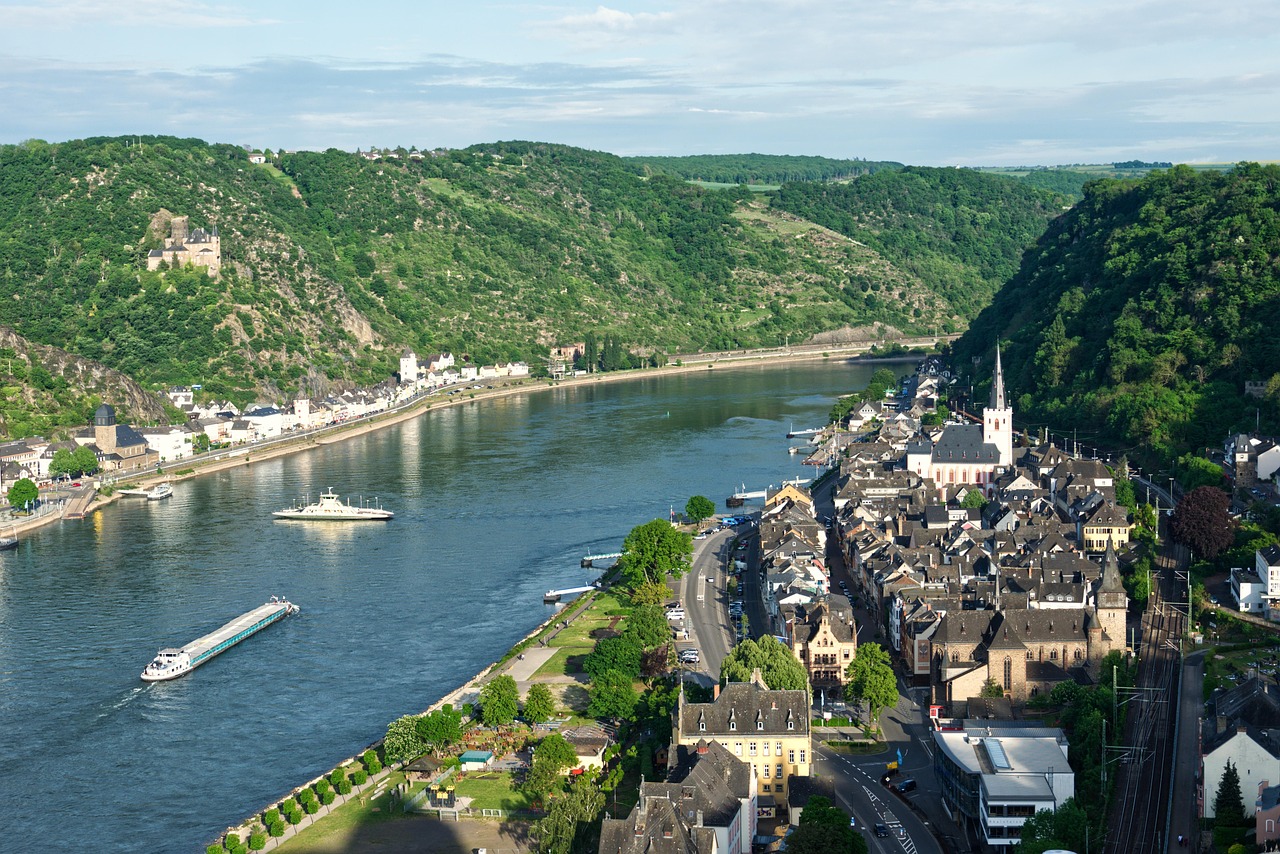
If you’re planning 3 days in Sankt Goar—or stretching it to a 4 or 5 day itinerary—you’re in for a surprisingly rich mix of history, nature, wine, and easy-going river life. Sankt Goar sits in the middle of the Upper Middle Rhine Valley UNESCO World Heritage Site, arguably the most scenic section of the entire Rhine.
- Iconic Rhine Gorge scenery: Steep slate cliffs, terraced vineyards, medieval castles on practically every hill.
- Compact and walkable: The old town is tiny, charming, and easy to explore—perfect if you dislike big cities.
- Castles you can actually feel: Rheinfels Castle is not just a postcard backdrop; you can climb its walls and wander its tunnels.
- Wine culture without pretense: Friendly family-run Weinstuben (wine taverns) serving local Rieslings and hearty Rhineland dishes.
- Perfect base for day trips: Koblenz, Boppard, Rüdesheim, Bacharach, Oberwesel, and the Loreley rock are all close.
- Family-friendly, romantic, and adventurous: Easy hikes, boat rides, ruined castles to climb, and quiet riverfront walks at sunset.
In 2026, Sankt Goar is also leaning more into sustainable and cultural tourism: improved hiking signage, more local wine and food festivals, and small-scale events that make a 3–5 day visit feel full without ever feeling rushed.
Table of Contents
- 1. Why Visit Sankt Goar?
- 2. Quick Overview & How to Use This Guide
- 3. 3–5 Day Itineraries for Sankt Goar
- 4. Neighborhoods & Areas to Explore
- 5. Top 20 Attractions & Experiences in Sankt Goar
- 6. Local Food & Wine in Sankt Goar
- 7. Nightlife, Entertainment & Cultural Experiences
- 8. Events & Festivals 2026–2027
- 9. Day Trips from Sankt Goar
- 10. Local Customs & Cultural Etiquette
- 11. Practical Travel Tips for Sankt Goar
- 12. Summary & Best Time to Visit
Quick Overview & How to Use This Travel Guide for Sankt Goar
This isn’t a checklist of things to do in Sankt Goar; it’s more like a long conversation with someone who loves the place and wants you to love it too. I’ll walk you through:
- Exactly how I’d plan 3 days in Sankt Goar, then extend that to 4 or 5 days.
- The must-see attractions (Rheinfels Castle, Loreley, Rhine cruises) and all the little in-between moments that make the town special.
- Hidden gems I’ve discovered by getting “pleasantly lost” along the river and in the side valleys.
- Where to find the best local food in Sankt Goar, including cheap, genuinely local spots.
- Travel advice for Sankt Goar—seasonality, SIM cards, tickets, and cultural etiquette.
If you’re short on time, jump straight to the 3 day itinerary for Sankt Goar. If you’re building a deeper 4–5 day itinerary, continue through the full guide and pick what resonates most.
3–5 Day Itineraries for Sankt Goar
3 Day Itinerary for Sankt Goar: The Essentials
When friends ask me how to spend 3 days in Sankt Goar, I always give them some version of this plan. It balances castles, wine, hiking, and slow riverfront time—enough to really feel the place without trying to do everything.
Day 1: First Impressions, Rheinfels Castle & Riverside Strolls
I still remember arriving in Sankt Goar for the first time by train—the Rhine flashed in and out of view, then suddenly the train slid into the tiny station and there it was: half-timbered houses, the river shimmering, and Rheinfels Castle perched high above the town.
Morning: Arrival & Old Town Orientation
No matter where you’re coming from, try to arrive by late morning. Sankt Goar’s station is right in town; within minutes you can be walking along the riverfront.
- Drop your bags: I often stay near the river—small guesthouses or family-run hotels. It makes sunrise and sunset walks effortless.
- First coffee: Head to a café near the ferry landing. I like sitting outside, watching barges and cruise ships pass, and listening to the mix of languages on the promenade.
- Short orientation walk: Start at the riverfront, walk past the KD and Bingen-Rüdesheimer docks, then weave back through the couple of main streets. You’ll quickly understand how compact Sankt Goar is.
Midday & Afternoon: Rheinfels Castle (Burg Rheinfels)
Rheinfels Castle is, to me, the single must-see attraction in Sankt Goar. It’s huge, atmospheric, and still feels like a real fortress rather than a polished museum piece.
- Getting there: From the town center, it’s about a 20–30 minute uphill walk. I usually take the footpath that winds up behind the houses. It’s steep, but you’re rewarded with ever-expanding views of the river. Taxis are available if you’d rather save your energy.
- What to do: Wander the ramparts, explore the courtyards, and follow the signs into the tunnels (bring a small flashlight or phone light). Kids tend to love the “adventure” of the dark passages; adults usually love the views from the walls.
- My ritual: I always walk to the far edges of the ruins facing upriver and downriver. On a clear day, you can see multiple castle silhouettes in both directions—it’s like flipping through pages of a medieval story.
I like to time my visit so I’m up at Rheinfels through the mid-afternoon, when the light softens and the river takes on a silvery glow. There’s a small museum inside if you’d like the historical context, but honestly, just being there, imagining the 13th-century fortress life, is enough for most people.
Evening: Riverfront Dinner & Quiet Streets
In the evenings, the town relaxes into itself. Day-trippers leave, and you start to recognize the same faces on the promenade.
- Dinner: Choose a traditional restaurant on or near the Rheinstrasse. Try a local fish dish (often Zander from the Rhine), or a plate of Schnitzel with a glass of Riesling. This is where you start to get a sense for local food in Sankt Goar.
- After-dinner stroll: Walk along the river, maybe as far as the southern end of town. Look up—Rheinfels is often softly lit at night, and the reflection of boats on the water is unexpectedly romantic.
Day 2: Loreley, Rhine Cruise & Wine
Day 2 is your full immersion into the Rhine Gorge: the Loreley cliffs, castle-studded shores, and wine culture.
Morning: Boat Trip Through the Rhine Gorge
A cruise is the easiest way to appreciate how dramatic the landscape really is. I usually recommend heading south toward Rüdesheim or Bacharach in the morning light.
- Tickets: KD or Bingen-Rüdesheimer offer regular cruises. In summer 2026, morning departures are usually between 9:00 and 11:00. Check schedules a day before, especially outside high season.
- Where to sit: If the weather cooperates, I always head straight to the top deck. Bring a light jacket; the wind off the river can be cooler than you expect.
- What you’ll see: You’ll pass castles like Katz and Maus, the Loreley rock, and vineyards clinging improbably to steep slopes. I like to have a simple paper map or offline map open to match names to what I’m seeing.
I often hop off in Bacharach for an hour or two to stroll its streets and grab lunch, but you can also do a round-trip just for the scenery if you want to keep this day centered on Sankt Goar itself.
Afternoon: Loreley Cliffs & Viewpoints
The Loreley isn’t just a rock; it’s a legend of a siren luring sailors to their doom, and a symbol of the Rhine’s mystery. The cliffs rise dramatically above a tight river bend where navigation is still tricky today.
- Getting there: From Sankt Goar, you can take a train or bus to St. Goarshausen across the river (or use the ferry), then continue up to the Loreley plateau by bus, car, or on foot if you’re feeling energetic.
- The viewpoint: I like walking to the main scenic platform and then wandering a bit off the most crowded spots. There are multiple angles where you can gaze straight down at the bend in the river and watch barges slowly maneuver.
- Family-friendly: The Loreley plateau has been improved over the years, with safer paths and places to sit. Kids usually enjoy spotting trains and boats way below.
Late Afternoon & Evening: Wine Tasting Back in Sankt Goar
Back in town, it’s time to lean into the wine culture. The Mittelrhein region is famous for its Riesling—crisp, mineral, and often surprisingly affordable.
- Weinstuben (wine taverns): Choose one of the intimate wine bars or taverns in the old town. I often ask for a Probierpaket (tasting flight) to sample different vineyard sites and sweetness levels.
- Food pairing: Try Flammkuchen (a thin, crispy flatbread with cream, onions, and bacon or vegetables) or a cheese plate with local varieties. This is one of the easiest ways to experience authentic local food in Sankt Goar on a budget.
- Tip: Don’t be shy about saying what you usually like—dry, off-dry, fruity. Local hosts are proud of their wines and usually enjoy helping you find your favorite.
Day 3: Hikes, Hidden Corners & Slow Time
Your third day depends a bit on your energy level. When I design a 3 day itinerary for Sankt Goar, I like to keep this final day flexible: either a hiking day, a castle and village wandering day, or a mix of both.
Morning: RheinBurgenWeg or Rheinsteig Hike
If you like walking, the trails along the Rhine are some of the most rewarding anywhere in Germany. My favorite sections near Sankt Goar are beautiful without being punishing.
- RheinBurgenWeg (left bank): This trail passes directly above Sankt Goar. You can follow segments toward Oberwesel or Boppard, with constant castle and river views.
- Rheinsteig (right bank): Across the river, you’ll find the Rheinsteig trail, often a little steeper and more rugged but very scenic.
- My go-to half-day loop: I like hiking from Sankt Goar up to Rheinfels and then continuing along the RheinBurgenWeg, looping back via vineyard paths. The exact route can change with your energy; local signage has improved by 2026 and usually makes it straightforward.
Afternoon: Exploring Side Streets & Church of St. Goar
After a hike, I usually slow things down. This is when Sankt Goar’s small details begin to stand out—old doorways, wine cellars, tiny shrines.
- Church of St. Goar: The town’s main church is simple but peaceful inside. I like sitting for a few minutes, listening to the echo of footsteps and the occasional organ practice.
- Back alleys: Wander off the main street and you’ll find narrow lanes, small courtyards, and glimpses of life behind the tourist façade.
- Souvenirs: Skip generic trinkets and look for local wine, regional jams, or handcrafts. They’re more meaningful and usually not much more expensive.
Evening: Last Look at the Rhine
I always end a 3-day stay with a slow, unhurried walk by the river. If you time it for sunset, the cliffs and castles often catch the last warm light while the river turns steel-blue.
If you’re leaving early the next day, pack up beforehand so this last evening can be just about being present. It’s the kind of town that rewards doing less rather than more.
4 Day Itinerary for Sankt Goar: Deeper into the Rhine Valley
With 4 days in Sankt Goar, you can keep the 3-day plan as your base and add a slower, more local-feeling day. This is where the town shifts from “pretty stop” to “place you start to know.”
Day 4: Oberwesel, Bacharach, or Boppard Side Trip
On your fourth day, I recommend a short side trip to one of the nearby Rhine towns. Each has its own character:
- Oberwesel: Quiet, with well-preserved town walls and a more local feel.
- Bacharach: Fairy-tale half-timbered houses and a slightly more polished tourist scene.
- Boppard: A bit larger, with a charming riverside promenade and a chairlift for panoramic views.
Trains run frequently along the Rhine, and in 2026 regional passes still make these short hops affordable.
My personal favorite from Sankt Goar is Oberwesel:
- Walk a section of the old city walls and look back at the Rhine framed by towers.
- Visit the Church of Our Lady (Liebfrauenkirche) with its tall, red sandstone tower.
- Grab a simple lunch at a local Gasthaus and then return to Sankt Goar by late afternoon.
Back in Sankt Goar that evening, I like to revisit a favorite restaurant from earlier in the trip, or finally try the place I kept walking past and making mental notes about. Four days gives you the luxury to do that.
5 Day Itinerary for Sankt Goar: Slow Travel & Hidden Gems
With 5 days in Sankt Goar, you can really embrace a slower rhythm: relaxed mornings, longer hikes, or simply sitting by the water with a book and a glass of wine.
Day 5: Valleys, Vineyards & Secret Viewpoints
On my fifth-day stays, I like to leave the main tourist routes and follow the smaller paths up the side valleys behind Sankt Goar. These paths lead through quiet vineyards, small patches of forest, and farm tracks where you might not meet another visitor for an hour.
- Pick a direction: Ask your host or a local for a favorite lookout. People here are often happy to share their “secret” benches and viewpoints.
- Pack a picnic: Grab bread, cheese, fruit, and a small bottle of local wine from a shop in town. Just remember to pack out any trash.
- Photography: If you’re into photography, this is the day to experiment: vines in the foreground, Rhine and castles behind, changing clouds overhead.
This extra day is also perfect if you want a “nothing day”: sleeping in, maybe a short walk, an afternoon nap, and then a leisurely dinner. Sankt Goar handles that kind of slow travel beautifully.
Neighborhoods & Areas of Sankt Goar
Sankt Goar is small enough that you won’t be juggling lots of districts, but there are a few distinct areas worth understanding when planning where to stay and what to do.
Old Town & Riverfront (Altstadt & Rheinpromenade)
This is where most visitors spend their time: narrow streets just behind the river, the main church, hotels, restaurants, and ferry piers. If you only have a short stay, this is the most convenient place to base yourself.
- Best for: First-time visitors, short stays, easy access to boats and trains.
- Atmosphere: Lively during the day, peaceful at night once day-trippers leave.
Hillside & Rheinfels Area
The streets that climb toward Rheinfels Castle have a more residential feel with great views. A few guesthouses and small hotels up here offer quieter nights and sweeping outlooks over the river.
- Best for: Travelers who don’t mind hills and want a more local, less touristy base.
- Tip: Check walking times to the station and river if you’re carrying heavy luggage.
Surrounding Vineyards & Side Valleys
Just a short walk out of town, you’ll find yourself between vineyards and in small side valleys. A few farm stays and vineyard guest rooms are scattered around; staying here makes your trip feel almost rural.
- Best for: Longer stays, wine lovers, hikers, anyone seeking quiet.
- Drawback: Limited evening dining options nearby—you’ll likely walk or drive back into town for dinner.
Top 20 Attractions & Experiences in and around Sankt Goar
These aren’t just names on a list. I’ve visited each of these multiple times over the years, and I’ll share what they feel like, along with practical tips and small anecdotes.
1. Rheinfels Castle (Burg Rheinfels)
Rheinfels is the beating heart of Sankt Goar. Built in the 13th century, it was once the mightiest fortress on the Rhine, controlling traffic and collecting tolls. Even in ruins, it commands the landscape.
The first time I climbed up here, I underestimated the hill and arrived a little breathless, but the payoff was immense: the entire town laid out below, the river bending gently, and vines marching in neat lines along the slopes.
- Highlights: Thick outer walls, tunnels and casemates, a modest museum, and dramatic views up and down the Rhine.
- Best time: Morning for smaller crowds, later afternoon for softer light and photography.
- Family tip: Kids love the “adventure” of the tunnels—bring a flashlight and wear shoes with grip, as some surfaces are uneven.
- Romantic angle: If you’re a couple, find a quiet corner on the walls, sit for a while, and watch boats sliding silently below.
2. Loreley Rock & Cliffs
The Loreley is part dramatic geology, part myth. At the tightest bend in the Rhine, a slate cliff rises almost vertically from the river, and for centuries this spot was dreaded by sailors.
Standing at the lookout platform, I always imagine how frightening this must have felt to someone navigating by sail and simple charts, long before GPS and loudspeakers.
- History: The legend of the Loreley siren was popularized in the 19th century, especially through the poem by Heinrich Heine.
- Experience: From the plateau you get one of the best panoramic views of the Rhine Gorge—barges, trains, castles, all in one frame.
- Tip: Combine the viewpoint with a short hike on the Rheinsteig for quieter angles and fewer people.
3. Rhine River Cruises (KD & Bingen-Rüdesheimer)
A Rhine cruise might sound cliché until you’re actually sitting on the deck, with castles sliding past on both sides and the low vibration of the engines in your bones. From Sankt Goar, you’re right in the middle of the best stretch.
- Short hops: Sankt Goar to Bacharach, Oberwesel, or Boppard—excellent for pairing with onshore exploration.
- Longer runs: All-day passes that let you ride up and down as you wish.
- My favorite time: Late morning or late afternoon, when the light is kind and the decks are less crowded.
- Budget tip: Sometimes regional train passes offer discounts on boat tickets—ask at the ticket counter or your accommodation.
4. Sankt Goar Old Town Lanes
The old town is tiny, but I’ve spent entire afternoons just wandering its few streets and side alleys. The charm is in the details: a crooked half-timbered façade, a vine curling over a doorway, an old painted sign fading on a wall.
- What to look for: Traditional timber framing, small shrines or religious statues tucked into niches, and old wine-cellar doors.
- When: Early morning and late evening are perfect for photography and for feeling the town without the day-trip bustle.
5. Church of St. Goar
Named after the town’s patron saint, the Church of St. Goar is a quiet anchor in the town center. I often step inside on hot summer days—it’s cool and still, a contrast to the bright riverfront.
- History: The church traces its roots back many centuries and has been rebuilt and altered over time.
- Experience: Take a few minutes to sit in silence. Sometimes you’ll catch a moment of organ practice or soft choir rehearsal.
6. Rheinfels Castle Museum
Tucked into a part of Rheinfels Castle, this small museum gives context to the ruins around you: models of the fortress in its prime, weapons, household items, and documents.
I usually pop in after wandering the walls—it’s a nice way to connect the physical ruins with the stories behind them.
7. Rhine Promenade (Rheinpromenade)
The promenade is Sankt Goar’s living room. Mornings are for joggers and dog walkers, afternoons for ice cream and boat-watching, evenings for slow, hand-in-hand strolls.
- Family-friendly: Kids enjoy watching trains and boats; there’s space to run without worrying about traffic.
- Romantic: Sit on a bench at dusk with a bottle of local wine (or just a soft drink) and watch the lights come on across the river.
8. Sankt Goar – St. Goarshausen Ferry
It’s just a short crossing, but I always count the ferry as an attraction in itself. Standing on deck, with the town receding behind you and the other bank drawing near, you feel the width and power of the Rhine.
- Practical use: Essential for reaching the Loreley side if you’re car-free.
- Photography: Great angle for capturing Sankt Goar’s riverfront and Rheinfels above.
9. RheinBurgenWeg Trail (Left Bank)
The RheinBurgenWeg (“Castle Trail”) strings together castles and viewpoints along the left bank of the Rhine. The segment around Sankt Goar is one of its most beautiful.
- Experience: Forest paths opening suddenly onto balcony-like viewpoints, with the river far below.
- Difficulty: Moderate, with some up-and-down; good shoes strongly recommended.
- Local tip: In 2026, signage is generally good, but I still carry an offline map app to feel confident about side paths and shortcuts.
10. Rheinsteig Trail (Right Bank)
On the opposite bank, the Rheinsteig offers a slightly wilder, more strenuous option. From certain viewpoints, Sankt Goar looks like a painted village, tiny and perfect across the water.
I like making a day of it: ferry over in the morning, hike a few hours, reward myself with cake and coffee in St. Goarshausen, then ferry back as evening falls.
11. Local Wine Taverns & Cellars
Wine isn’t a side note here; it’s a way of life. Several families have been making wine for generations, and stepping into their Weinstuben feels like being invited into living history.
- What to order: Start with a dry Riesling (Riesling trocken) and maybe an off-dry (feinherb) for comparison.
- Food: Hearty plates—Schnitzel, sausages, Flammkuchen, cheese and meat boards.
- Budget tip: A glass of excellent local wine often costs less than many beers in big cities.
12. Little River “Beaches” & Gravel Banks
You can’t really “swim” in the Rhine here—currents and boat traffic make it unsafe—but there are small gravelly spots along the riverbank where you can sit close to the water’s edge.
On warm summer evenings, I like to come down with a book, kick off my shoes, and feel the cool air rising from the water. Kids enjoy throwing stones and watching the circles ripple outward.
13. Local Festivals & Wine Events
Sankt Goar may be small, but its festivals pack in a lot of atmosphere. Expect tents, music, grilling smoke, and locals catching up over glasses of wine.
In 2026–2027, you’ll see wine-focused weekends, small markets, and, of course, the larger Rhine fireworks events (more on that in the events section).
14. Viewpoints Above Town
Beyond Rheinfels, there are a handful of unofficial viewpoints locals favor—simple benches or breaks in the trees where the view opens dramatically.
Ask around at your hotel or a wine tavern; people are usually happy to suggest a favorite spot for sunsets or quiet reflection.
15. St. Goarshausen Old Town
Just across the river, St. Goarshausen feels like Sankt Goar’s twin—similar yet subtly different. Its streets climb more steeply, and the shadow of the Loreley feels closer.
I often spend a half-day here: wander the lanes, have lunch, then ride back by ferry.
16. Katz Castle (Burg Katz) – View from Afar
Katz Castle isn’t open to the public (it’s privately owned), but it dominates the skyline above St. Goarshausen. From Sankt Goar’s riverfront, it’s one of the most photogenic silhouettes—especially in late afternoon light.
I like to zoom in with a camera or binoculars from the promenade, imagining what it must be like to wake up in a castle with that view every day.
17. Maus Castle (Burg Maus) – Nearby Landmark
North of St. Goarshausen, Burg Maus sits above the river like a watchful guardian. While smaller than some of its neighbors, it adds to the sense that you’re moving through a lived-in storybook landscape.
You’ll likely spot it during boat trips or from certain Rheinsteig segments.
18. Oberwesel Town Walls & Towers (Easy Day Trip)
Oberwesel, just a short train ride away, is ideal if you’re staying 4 or 5 days. The preserved sections of town wall give a hint of what Rhine towns once looked like when they needed to defend themselves.
I like walking the walls late in the day, when the light hits the towers at an angle and the town glows.
19. Boppard Chairlift & Vierseenblick (Four Lakes View)
A classic day-trip experience from Sankt Goar: ride the chairlift above Boppard to the famous “Four Lakes View,” where the bends in the Rhine make it look like four separate lakes from certain angles.
It’s family-friendly, scenic, and a gentle way to get up high without a strenuous hike.
20. Bacharach Old Town & Castle (Day Trip Favorite)
Bacharach is one of my favorite small towns in the Rhine Valley—a lacework of half-timbered houses, cobbled lanes, and a castle (now a youth hostel) looking down from the hill.
It’s an easy addition to any 4 or 5 day itinerary from Sankt Goar and pairs beautifully with a boat trip.
Local Food & Drink in Sankt Goar
Food in Sankt Goar is hearty, regional, and geared toward both locals and travelers. If you’re careful with your choices, it can also be very budget-friendly.
What to Eat: Classic Rhine & Rhineland Dishes
- Riesling (and other local wines): Crisp, mineral whites that pair perfectly with most local dishes.
- Flammkuchen: Thin, crispy dough topped with crème fraîche, onions, and bacon or vegetables.
- Bratwurst & Sausages: Served with mustard, sauerkraut, and bread or potatoes.
- Schnitzel: Pork or veal, breaded and pan-fried, often with mushroom or pepper sauce.
- Spätzle: Soft egg noodles, sometimes served with cheese (Käsespätzle).
- Fish from the Rhine: Check menus for Zander (pike-perch) or other freshwater fish.
- Cakes & pastries: Seasonal fruit cakes, apple strudel, and cream cakes in cafés.
Where to Eat: My Personal Go-Tos
Specific restaurant names and ownership can change, but here’s how I usually pick my spots:
- Follow the locals: If a place is busy with German-speaking guests, that’s a strong sign.
- Look at the daily specials: Chalkboards with seasonal dishes usually indicate fresher, more interesting options than a frozen-schnitzel menu.
- Ask about local wines: I always ask which wines are from nearby vineyards; it’s a simple way to ensure you’re tasting the region.
Saving Money on Food
- Hearty lunch, lighter dinner: Many restaurants offer good-value lunch menus. I often eat my main meal midday and then have a lighter evening snack or Flammkuchen.
- Supermarkets & bakeries: Grab sandwiches, fruit, and drinks for hikes or riverfront picnics.
- House wine: The local Hauswein is often excellent and cheaper than branded bottles.
Nightlife, Entertainment & Cultural Experiences
Sankt Goar isn’t a party town. Nightlife is subtle—more clinking glasses and soft conversation than loud clubs. That said, evenings here have their own, quieter kind of magic.
Evenings in Sankt Goar
- Wine taverns: My favorite way to spend an evening—sampling local wines, sharing a plate of food, chatting with owners.
- Riverside walks: Streetlights reflecting in the river, occasional trains rumbling by across the water.
- Cafés & bars: A handful of places stay open late enough for a final beer or digestif.
Cultural Experiences
- Church concerts: Check notice boards at the Church of St. Goar for occasional organ or choral concerts.
- Local festivals: Wine festivals and river events blend music, food, and community atmosphere (see events section).
- Castles by evening light: While not always open at night, castles like Rheinfels look especially evocative in twilight from below.
Events & Festivals in Sankt Goar (2026–2027)
Event dates can shift year to year, and exact 2026 calendars may update closer to the time, but here’s what to look out for around Sankt Goar:
- Rhine Fireworks Events: Large-scale fireworks displays over the Rhine, visible from multiple towns including Sankt Goar. These evenings are packed but unforgettable—book accommodation well in advance.
- Wine Festivals (Weinfeste): Summer and early autumn weekends with wine stalls, music, and local food.
- Advent & Christmas Markets: Nearby larger towns like Koblenz host atmospheric Christmas markets; Sankt Goar itself sometimes has small seasonal events or decorations.
- Local cultural days: Occasional open-cellar days or themed weekends focusing on wine, history, or hiking.
For 2026–2027, check Sankt Goar’s official tourism website or the Upper Middle Rhine Valley (Mittelrheintal) event calendars a few months before your trip.
Day Trips from Sankt Goar
One of the biggest advantages of using Sankt Goar as a base is how many must-see attractions in the Rhine Valley are just a short train ride or boat hop away.
Koblenz
About 30–40 minutes north by train, Koblenz is where the Rhine meets the Moselle. Highlights include the Deutsches Eck (German Corner) and the cable car up to Ehrenbreitstein Fortress.
Boppard
A charming town with a long riverfront promenade, Roman ruins, and the chairlift to the Vierseenblick. Easy half or full-day trip.
Bacharach & Oberwesel
South of Sankt Goar, both are classic Rhine stops with well-preserved old towns and excellent walking possibilities.
Rüdesheim
More touristy and lively, with narrow lanes full of wine taverns. Fun if you like a bit more buzz and don’t mind the crowds.
Local Customs & Cultural Etiquette in Sankt Goar
Sankt Goar is friendly and used to visitors, but a few small gestures go a long way in showing respect for local customs.
Basic Etiquette
- Greetings: A simple “Guten Tag” (good day) when entering shops or restaurants is appreciated. “Hallo” is fine in casual contexts.
- Quiet hours: Residential areas tend to be quiet after about 10 p.m.; keep noise down when walking back to your hotel.
- Cash vs. card: Card acceptance has improved by 2026, but some small places still prefer cash. It’s wise to carry some euros.
Restaurant & Wine Culture
- Seating: In smaller places, it’s polite to wait to be seated or ask “Ist hier frei?” before joining a table.
- Tipping: Around 5–10% is common if service is good; you usually tell the server the total you want to pay when handing over cash or card.
- Wine ordering: Don’t worry about expert vocabulary—saying you want something dry (trocken) or slightly sweet (feinherb) is enough.
Hiking & Nature
- Stay on paths: Vineyards are working farms; stick to marked trails and don’t walk between rows unless signs say it’s allowed.
- Leave no trace: Take all trash with you; bins are usually at trailheads or in town.
Practical Travel Tips for Sankt Goar (2026)
How to Get There
- By train: Sankt Goar lies on the left-bank Rhine line between Koblenz and Mainz. Regional trains are frequent and easy to use.
- By car: The B9 road follows the Rhine; parking is available in and around town, but can be tighter during major events.
- By boat: Seasonal riverboats stop at Sankt Goar; a scenic way to arrive if timing works.
Getting Around
Sankt Goar itself is walkable; you won’t need a car in town. For farther excursions:
- Trains: Efficient for hopping between Rhine towns.
- Ferries: Essential for crossing the river to St. Goarshausen and the Rheinsteig side.
- Car rental: More useful if you’re combining Sankt Goar with rural Moselle or Hunsrück explorations.
SIM Cards & Connectivity
In 2026, EU roaming is generally straightforward for EU SIMs. For non-EU visitors:
- Local SIMs: Major providers like Telekom, Vodafone, and O2 offer prepaid SIMs. Buy at larger city shops before arriving, or at airports.
- eSIM: Many travelers now use eSIM packages, which can be activated before arrival and work across Germany.
Visa Requirements & Driving Licenses
Requirements change, so always check official sources, but as a rough guideline:
- Visas: Many travelers (e.g., from EU, UK, US, Canada, Australia) can enter Germany visa-free for short stays; others need a Schengen visa.
- Foreign driving licenses: For short stays, many foreign licenses are accepted; an International Driving Permit can be helpful alongside your home license if you plan to rent a car.
Money-Saving Tips
- Regional train passes: Look at day or multi-day passes covering the Rhine area; they can cut costs if you’re making several trips.
- Picnics: Use supermarkets and bakeries for some meals—especially for hikes and boat excursions.
- Shoulder season: Visiting in late spring or early autumn often means lower prices and fewer crowds.
Best Seasons & What They’re Good For
- Spring (April–May): Fresh green vineyards, blooming trees, moderate temperatures—ideal for hiking and first outdoor café days.
- Summer (June–August): Long days, boat schedules in full swing, festivals and events. Also the busiest and sometimes warmest period.
- Autumn (September–October): Harvest season; vineyards turn golden; wine festivals abound. My favorite time for 3–5 days in Sankt Goar.
- Winter (November–March): Quiet, atmospheric, with limited boat schedules. Day trips to larger cities for Christmas markets work well.
Summary: Key Takeaways for Your Sankt Goar Trip
Sankt Goar is small, but it rewards time. Three days are enough to see the essentials—Rheinfels Castle, a Rhine cruise, the Loreley, and the old town. Four or five days let you breathe: hike more, linger in wine taverns, and wander into the side valleys where the tourist trail fades.
- Best for: Travelers who value scenery, history, wine, and a slower pace over big-city buzz.
- Must-do experiences: Climb Rheinfels, cruise the Rhine Gorge, visit the Loreley viewpoint, taste local Rieslings, walk at least a short section of the RheinBurgenWeg or Rheinsteig.
- Best seasons: Late spring and early autumn for comfortable weather, good hiking, and vibrant vineyard colors. Summer for festivals and full boat schedules.
- Itinerary ideas: A 3 day itinerary for Sankt Goar covers the highlights; 4–5 days in Sankt Goar transform it into a deeper, more personal journey.
Come with comfortable shoes, an open schedule, and a willingness to slow down. The Rhine will do the rest.