Why Visit Saxon Switzerland?
If you’ve ever looked at a fantasy book cover and wished you could walk straight into it, Saxon Switzerland (Sächsische Schweiz) is the closest thing I’ve found in real life. Jagged sandstone towers, mist clinging to forested ravines, the Elbe River carving a grand canyon through the hills, and villages where the church bells set the pace of the day — all of it less than an hour from Dresden.
I’ve been coming here since my early twenties: first as a slightly lost backpacker with a paper map and a cheap guesthouse in Bad Schandau, later as a hiking-obsessed travel writer who keeps inventing excuses to “research one more trail.” I’ve hiked in winter when the rocks wear a dusting of snow and in midsummer when rock-climbers hang like birds from the cliffs. The magic is that it never feels finished; even after a dozen visits, I still uncover new ravines, tiny inns, and half-forgotten viewpoints.
Why you should consider Saxon Switzerland for your next trip:
- World-class scenery without Alpine crowds: Dramatic rock formations, deep gorges, and panoramic ridges that feel wild but remain surprisingly accessible.
- Perfect for 3–5 day itineraries: Easy to reach from Dresden, Berlin, or Prague, with enough trails and viewpoints to fill a week.
- Family-friendly and adventurous: Gentle riverside walks, stroller-friendly paths, via ferrata-style iron stairways, and serious climbing routes if you want them.
- Rich culture and history: Romantic painters, secret WWII stories, 19th-century spa culture, and villages that still feel resolutely local.
- Affordable Europe: Compared to the Alps or popular national parks elsewhere, food, lodging, and transport in Saxon Switzerland are still reasonably priced.
This 2026 travel guide focuses on how to actually structure 3, 4, or 5 days in Saxon Switzerland, with detailed itineraries, personal anecdotes from my own recent trips, and the kind of practical details you need on the ground — from where to find the best Eierschecke cake, to how early to arrive at the Bastei Bridge, to what to pack for foggy autumn mornings.
Table of Contents
- 1. Overview: Landscapes, Zones & Gateway Towns
- 2. Must-See Attractions & Classic Viewpoints
- 3. 15 Key Trails, Viewpoints & Zones (Deep-Dive Sub Articles)
- 4. Sample Itineraries: 3, 4 & 5 Days in Saxon Switzerland
- 5. Where to Eat & Drink: Local Food in Saxon Switzerland
- 6. Where to Stay: Villages, Lodges, Camping & Cabins
- 7. Getting Around: Trains, Buses, Ferries & Cars
- 8. After Dark: Stargazing, Quiet Evenings & Night Hikes
- 9. Cultural Experiences, Local Customs & Etiquette
- 10. What’s New in 2026–2027: Events & Changes
- 11. Day Trips from Saxon Switzerland
- 12. Practical Travel Advice & Money-Saving Tips
- 13. Park Logistics, Safety & Seasons
- 14. Summary & Final Recommendations
1. Overview: Landscapes, Zones & Gateway Towns
Saxon Switzerland is the German half of the Elbe Sandstone Mountains, sharing the border with Bohemian Switzerland in the Czech Republic. The national park is relatively compact, but the landscape folds into such a dense maze of canyons and rock towers that it can feel much larger when you’re on foot.
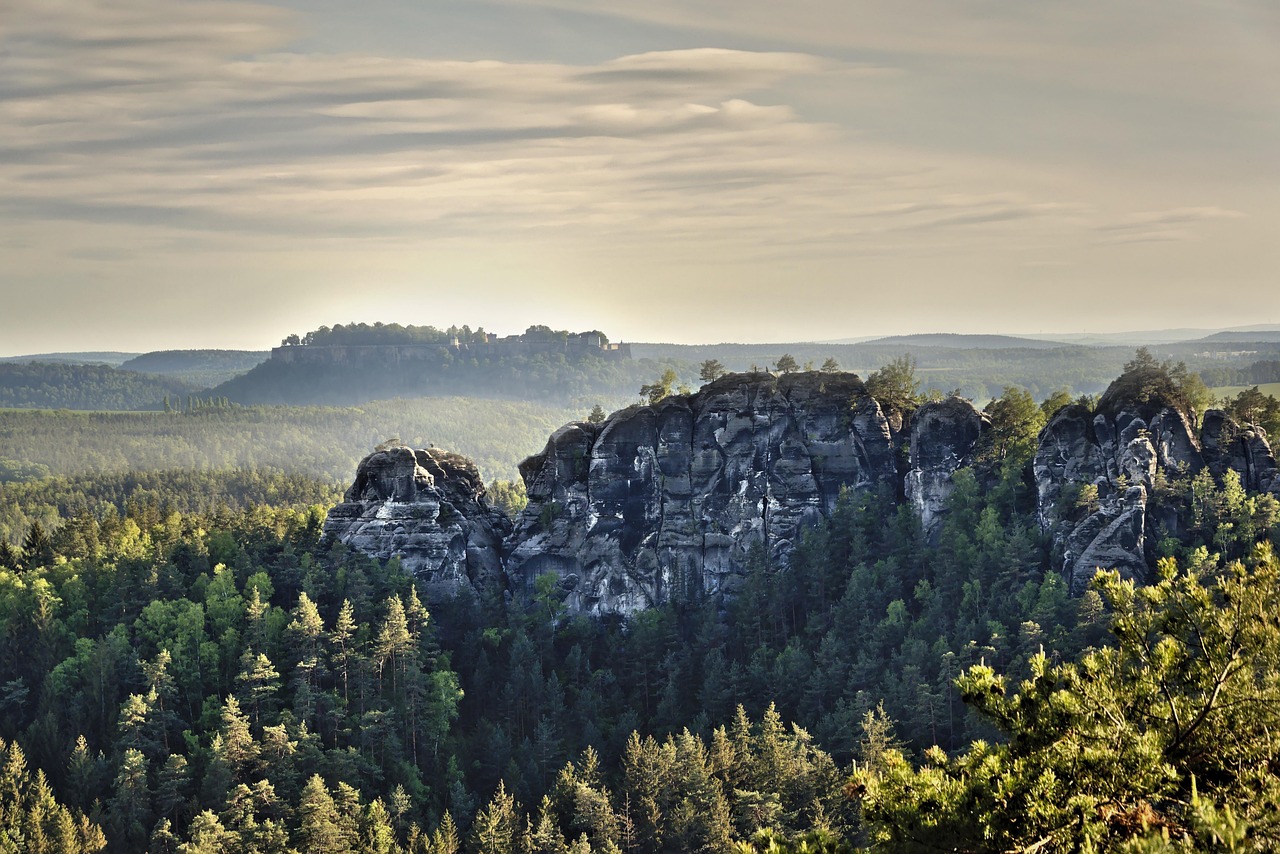
Main Landscape Zones
- Elbe Canyon & Riverbanks: The Elbe carves a broad valley with steep sandstone walls. This is where you’ll find Königstein Fortress, Rathen, and classic postcard views from river cruises.
- Bastei & Rathen Area: The most famous rock bridge and lookout, with a jumble of pinnacles and relatively easy access — the “must-see attraction in Saxon Switzerland” even if you only have half a day.
- Schrammsteine & Affensteine Massifs: Dramatic ridges and deep ravines east of Bad Schandau. This is where I go when I want a longer, more adventurous day out.
- Kirnitzschtal & Hinterhermsdorf: A quieter world of forests, mills, and gorges, including the Obere Schleuse (upper lock) boat trip.
- Bad Schandau Basin: A spa town turned hiking hub at the heart of the region, with direct access to many trailheads.
Gateway Towns
- Bad Schandau: My usual base. On the Elbe, with train connections, ferries, a thermal spa, and bus/tram links deep into the park.
- Kurort Rathen: Tiny, car-free village at the foot of the Bastei cliffs. Ideal if you want to wake up under the rocks.
- Königstein: Small riverside town dominated by its fortress, good if you want quick access by car and quieter evenings.
- Pirna: A charming Renaissance town just outside the core, often cheaper with a very local feel.
- Dresden: Not a gateway in the strictest sense, but the main urban base many travelers use for day trips or as a pre/post stop.
2. Must-See Attractions & Classic Viewpoints
If it’s your first time, there are a few must-see attractions in Saxon Switzerland that define the region. I’ll go into deep detail in the later trail sections, but here’s a quick orientation with image placeholders you can mentally pin to your map.
Bastei Bridge & Basteifelsen
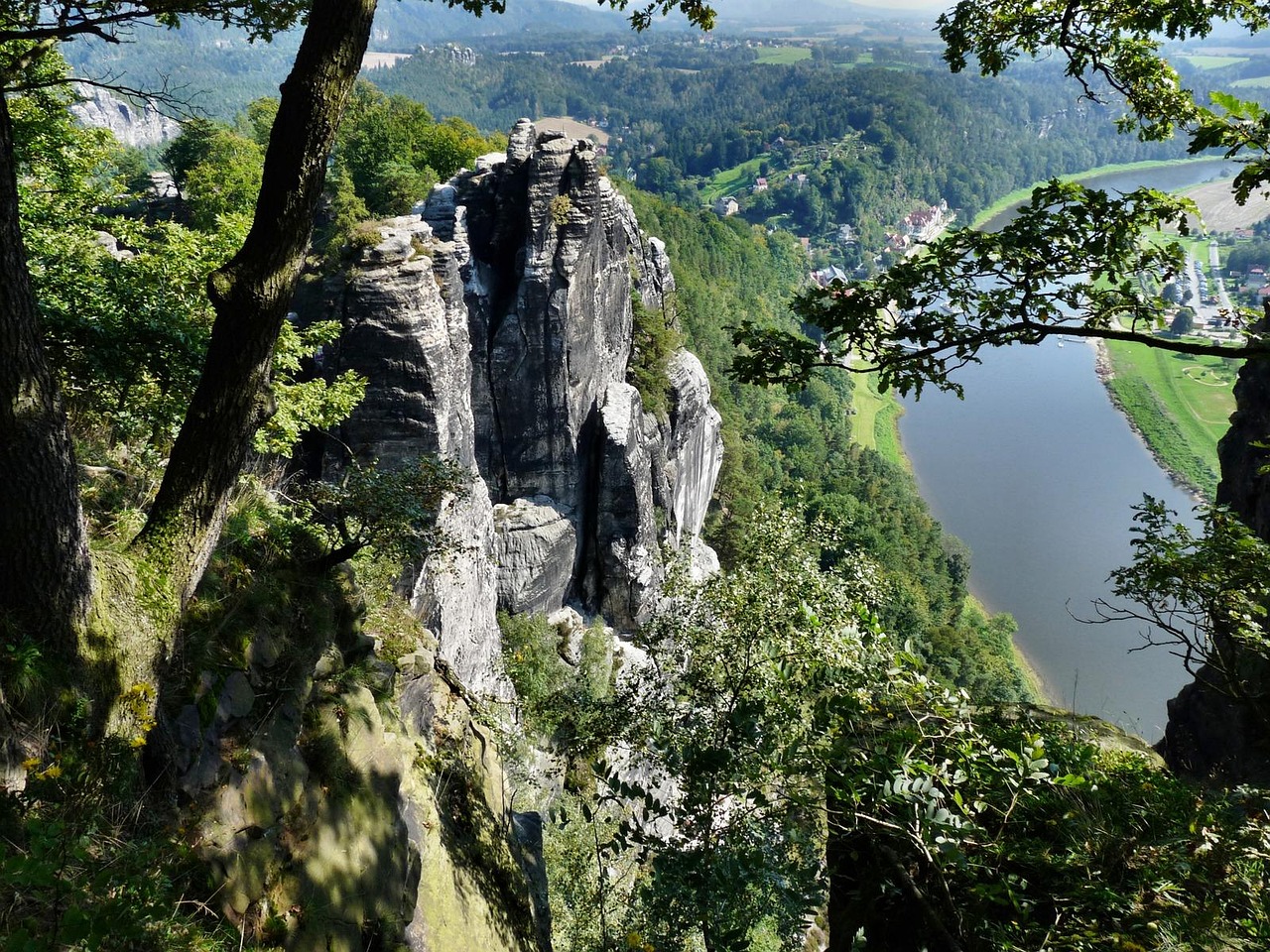
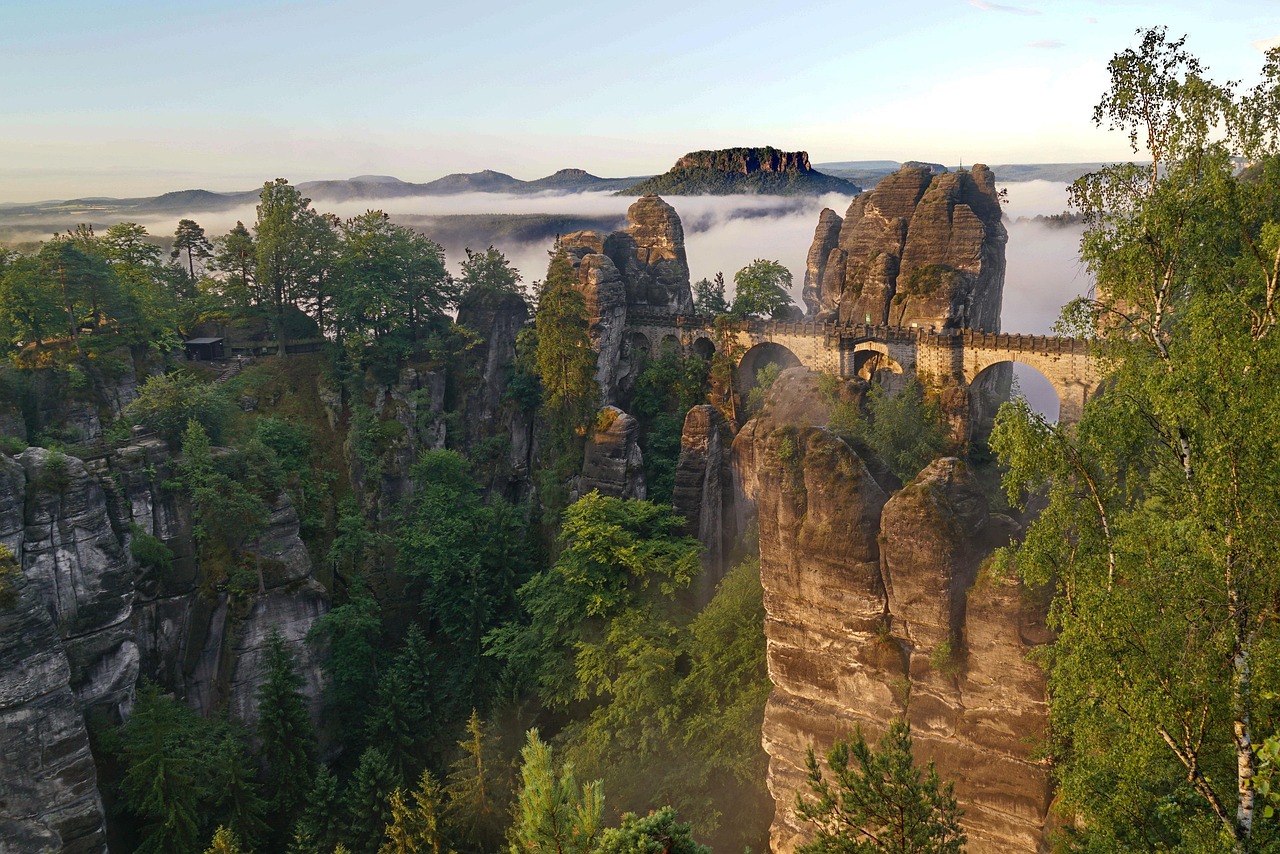
The stone bridge leaping between sandstone towers above the Elbe is the signature image of Saxon Switzerland. It is busy, yes. It is still utterly worth it, especially at sunrise when the river valley is full of mist.
Königstein Fortress
A vast clifftop citadel with 360° views, military history, and surprisingly peaceful corners. I like to combine it with a river cruise or a hike along the Elbe canyon.
Schrammsteine Ridge
The best ridgeline hike in the park, if you ask me. Narrow stairs, iron ladders, and a reward of sweeping vistas over a forest of rock towers.
Affensteine & Idagrotte
A wild labyrinth of cliffs and caves, including the evocative Idagrotte cave viewpoint. Fewer crowds than Bastei, more of a sense of adventure.
Lilienstein Table Mountain
A solitary table mountain rising above the Elbe. I’m fond of climbing it in the late afternoon and staying for sunset.
Kirnitzschtal Valley & Historic Tram
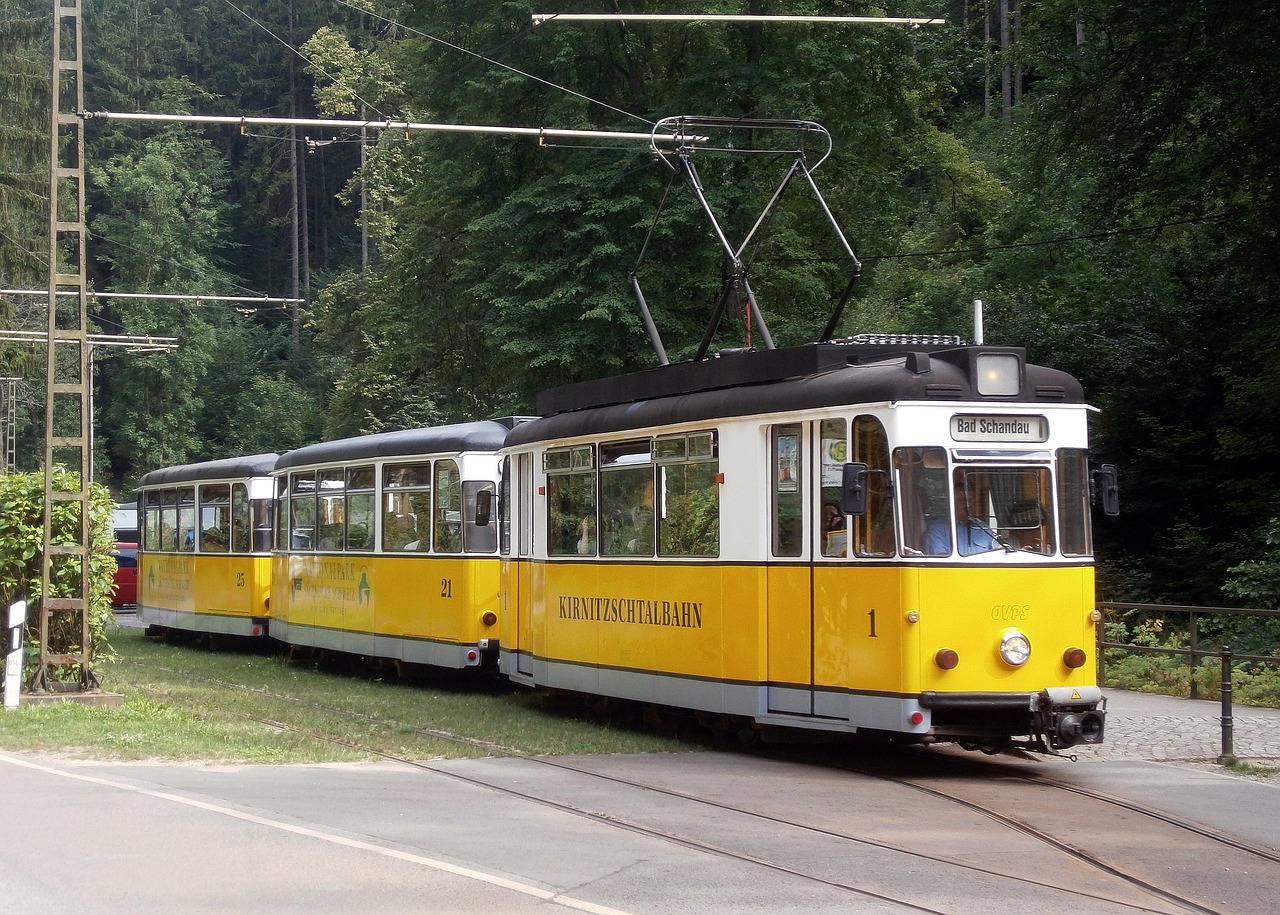
A romantic wooded valley with a vintage tram rattling beside the river. Great for combining short hikes and easy sightseeing.
Obere Schleuse Boat Gorge
A quiet, almost mystical gorge near Hinterhermsdorf where boats are silently poled through green water between towering rock walls.
3. Fifteen Key Trails, Viewpoints & Zones – Deep-Dive Sub Articles
Below are fifteen of the best places to visit in Saxon Switzerland, each described as I’ve personally hiked them in the last few years. Treat this as your core menu when planning a 3 day itinerary for Saxon Switzerland or extending to 4 or 5 days in Saxon Switzerland.
3.1 Bastei & Schwedenlöcher: Iconic, Busy, and Still Magical
I still remember my first sunrise at the Bastei, sometime around 2014. I’d taken the early train from Dresden, walked up from Kurort Rathen in the half-dark, and arrived just as the mist began to lift off the Elbe. Tour buses wouldn’t arrive for another couple of hours; for a brief window, it felt like I had the whole rock bridge to myself.
Why it’s special: The Bastei is the archetypal must-see attraction in Saxon Switzerland. A series of viewpoints strung along a dramatic rock spine, with the famous stone bridge linking several towers. Below, the Elbe snakes through the valley, and tiny Rathen clings to the riverbank.
Trail overview: My favorite loop starts and ends in Kurort Rathen:
- Take the ferry across the Elbe from Rathen station.
- Climb via the forest path towards Bastei (well signposted).
- Explore viewpoints around the bridge and the Felsenburg (rock castle) ruins.
- Descend via the Schwedenlöcher gorge: a narrow ravine with stairways, ladders, and dripping rock walls.
- Return to Rathen through the Amselgrund valley, passing Amselsee lake.
Difficulty: Moderate. Plenty of stairs, but doable for most reasonably fit visitors, including families with school-age kids. Not great for strollers.
Best time: Sunrise or late afternoon in shoulder seasons (April–May, September–October). In high summer, arrive before 8:00 or after 17:00 if you want any sense of tranquility.
Food & drink: I usually reward myself afterward with cake at Gasthof Sonniges Eck in Rathen or a simple riverside beer. The area around Bastei itself has snack stands, but they’re pricey and generic; better to bring a picnic or eat in Rathen.
Personal tip: On my last visit in 2025, I brought a thermos of coffee and a pastry from Pirna, hiked up in the blue hour, and sat on a side viewpoint (slightly away from the main bridge) to watch the sky change color. If you’re into photography, this is absolutely worth the early wake-up.
3.2 Schrammsteine Ridge: The Classic Adventure Traverse
Whenever friends ask me for a 4 day itinerary for Saxon Switzerland and want “one big hike,” I send them to the Schrammsteine ridge. It’s an exhilarating mix of narrow staircases, iron railings, and big, cinematic views.
Route I recommend: From Bad Schandau, take the bus or the historic Kirnitzschtalbahn tram to Ostrau or Beuthenfall, then:
- Climb via Schrammsteintor into the heart of the rock massif.
- Follow signs to Schrammsteinaussicht, the main viewpoint, reached via metal stairways attached to the rock.
- Continue along the ridge (if you’re comfortable with exposure), or loop back via the Großer Schrammturm area and down towards Schrammsteinbaude.
Difficulty: Moderate to challenging. There are steps, railings, and some airy sections. No technical climbing, but not suitable for very small children or anyone with severe vertigo.
What it feels like: The first time I brought my parents here, my mother clung to the railing on the last staircase, then laughed when she stepped onto the viewpoint terrace and saw the sea of rocks stretching to the horizon. On a clear day, you can see as far as the Czech side and spot Lilienstein in the distance.
Food & drink: Back in Bad Schandau, I like to stop by Café & Restaurant Elbwarte for something hearty — their seasonal mushroom dishes in autumn are particularly good.
Tip: This is a wonderful sunrise spot if you’re comfortable hiking the first portion in the dark with a headlamp. Otherwise, start early to beat the crowds and the midday heat in summer.
3.3 Affensteine & Idagrotte: Into the Labyrinth
The Affensteine always feel a bit wilder and more secretive than Schrammsteine. The rock formations are intricate, with hidden caves and arches. The Idagrotte, a cave-like opening with a view to the valley, is one of the most atmospheric spots I’ve found.
Route outline:
- Start from Bad Schandau or Ostrau, heading towards Kleiner Winterberg and the Affensteine massif.
- Follow signposted trails toward Idagrotte (look for local signage; routes vary).
- Explore side paths to viewpoints like Carolafelsen (more on that below).
- Loop back via the Wilde Hölle (“wild hell”) or Heilige Stiege if you enjoy more adventurous scrambles.
Difficulty: Moderate with occasional challenging sections. Some routes involve scrambling over boulders and steep stairways. Good footwear is essential, and it can be slippery after rain.
Personal note: I prefer this area in early autumn when the forests start to turn and the air is cool. On my last visit, I spent a long, quiet hour inside Idagrotte while light filtered in from the side, making the moss glow. It felt like a cathedral where the organist had stepped out for a smoke break and never come back.
3.4 Carolafelsen: One of the Best Panoramic Viewpoints
If the Bastei is the region’s most famous viewpoint, Carolafelsen is its connoisseur’s choice. Set in the Affensteine area, it delivers a sweeping 360° panorama over the rock labyrinth, with fewer people and more space to sit quietly.
How I hike it: I usually combine Carolafelsen with the Affensteine or Kleiner Winterberg, starting from Neumannmühle or Schmilka and doing a long loop. The ascent is steady but not brutal; the final approach winds through sandstone corridors before depositing you onto a relatively open summit area.
When to go: Late afternoon and sunset are glorious here. In 2023 I watched a thunderstorm roll past in the distance, lightning flickering above the Bohemian side, while the sun cast a strange pink light over the rocks. It felt like standing on a ship in a stone ocean.
Tip: Bring a small sit pad or jacket to sit on; the rock can be surprisingly cold even in summer once the sun dips.
3.5 Lilienstein: The Iconic Table Mountain
Lilienstein is the lonely sentinel of the Elbe valley. From afar, it looks like a giant stone ship. Up close, it’s a family-friendly hike that rewards you with big views for relatively little effort.
Trail notes:
- Most people start at the car park on the saddle west of Lilienstein (reachable by bus or car from Königstein).
- Two main paths wind up either side of the mountain, both with stairs but no technical difficulties.
- On top, a network of paths leads to several viewpoints, a small restaurant, and a lookout tower.
Difficulty: Easy to moderate. Good for families; I’ve seen everything from toddlers in carriers to older hikers with walking poles.
Best experience: I like arriving about an hour before sunset. In summer 2022, I shared the summit with a handful of locals who’d brought simple picnics and a bottle of wine. As the light faded, the Elbe turned silver and the silhouettes of the surrounding hills layered into the distance.
Food: The small restaurant on the summit offers basic fare (soups, sausages, drinks). It’s fine if you’re hungry, but the real charm is bringing your own picnic.
3.6 Königstein Fortress & Surrounding Trails
Perched on a large plateau above the Elbe, Festung Königstein is one of Europe’s largest hilltop fortresses. Even if you’re not a history buff, the sheer scale and the views make it a highlight.
Why it matters: The fortress has been a military stronghold, a state prison, and a symbol of Saxon power. Its walls have seen Napoleonic troops, Prussian sieges, and East German border guards. Today, it’s a peaceful complex of museums, courtyards, and lookouts.
How I visit:
- Take the train to Königstein, then ride the shuttle bus or walk up one of the footpaths (30–45 minutes, some elevation gain).
- Spend 2–3 hours exploring the ramparts, deep well, casemates, and exhibitions. Don’t miss the far viewpoints over the Elbe canyon.
- Optionally, descend by foot and follow a section of the Malerweg (Painter’s Way) along the river.
Food & drink: There are cafés inside the fortress; I usually grab a coffee and sit on the walls looking towards Lilienstein. Back in town, Gasthaus zur Burg does very solid regional cooking.
Tip: Combine Königstein with a short riverside hike or a boat trip; it’s an excellent, more relaxed day in a 5 day itinerary if your legs need a break from big ascents.
3.7 The Malerweg (Painter’s Way): Saxon Switzerland’s Signature Long-Distance Trail
The Malerweg is a 116 km long-distance route circling through the heart of Saxon Switzerland in eight stages. You don’t need to hike all of it to enjoy its best bits; many of the most beloved day hikes (Bastei, Schrammsteine, Königstein, etc.) are sections of this trail.
My experience: I’ve never had the luxury to walk the full eight days in a single go, but over years of visits I’ve pieced together almost every stage. There’s something satisfying about recognizing a bend in the path or a small bench from a painting reproduction in the visitor center.
Why it’s special: The name “Painter’s Way” comes from the 18th and 19th-century Romantic painters who came here — Caspar David Friedrich being the most famous. Many viewpoints on the Malerweg correspond to specific paintings or sketching spots, which adds a layer of cultural resonance to the landscape.
For short stays: If you have 3 days in Saxon Switzerland, you’ll naturally walk some Malerweg sections anyway. Think of it as a hidden thread rather than an extra commitment.
3.8 Kirnitzschtal Valley & Historic Tramway
The Kirnitzschtal valley is where I go when I want a slower, more nostalgic day. The valley road and the historic tram run side by side along the Kirnitzsch stream, passing trailheads, mills, and guesthouses.
How to spend a day here:
- From Bad Schandau, ride the yellow tram to its end at Lichtenhainer Wasserfall.
- Walk short trails to viewpoints like Kuhstall (a rock arch) or simply meander along the river.
- Have lunch at a rustic inn like Gasthaus Lichtenhainer Wasserfall, where the menu hasn’t changed much in decades (in a good way).
Family-friendly: This is a great area for families and less experienced hikers — lots of short, rewarding walks without brutal climbs.
Personal memory: In 2021, on a drizzly day when the higher rocks were socked in with fog, I spent the afternoon riding the tram back and forth, hopping off at different stops for short forest walks. The rain seemed to sharpen the greens; the whole valley smelled of wet moss and woodsmoke.
3.9 Obere Schleuse Gorge & Hinterhermsdorf
Far in the eastern part of the region, near the Czech border, lies Hinterhermsdorf, a quiet village that feels like a step back in time. From here, a path leads down into the Obere Schleuse gorge, where wooden boats are poled through a narrow canyon.
What to expect:
- A forest walk down into the gorge (about 45 minutes), passing viewpoints and information boards.
- A peaceful boat ride (about 20 minutes) along glassy water between high rock walls covered in ferns.
- The option to continue walking through the gorge or loop back via different paths.
Why I love it: It’s quiet. Even in August, it never feels as frantic as Bastei. The boatmen share little stories and jokes (mostly in German, but the atmosphere transcends language). On a hot summer day, the gorge feels several degrees cooler than the rest of the park.
Tip: Check operating dates for the boat in advance; it’s usually open from spring to late autumn, but weather can affect schedules.
3.10 Schmilka & Border Trails to Bohemian Switzerland
Schmilka is a tiny, almost fairy-tale village at the Czech border, reachable by ferry from the train station on the opposite bank. In recent years it has reinvented itself as a somewhat bohemian eco-village, with an organic bakery, craft beer, and a historic watermill.
Why visit:
- It’s a great starting point for hikes into both Saxon and Bohemian Switzerland.
- The village itself is charming, with half-timbered houses and narrow lanes.
- The bakery’s still-warm bread and pastries make a perfect trail breakfast.
My routine: I like to arrive early, grab coffee and a cinnamon roll, and then head up towards the Schrammsteine/Affensteine area or cross into the Czech side for a longer border hike. Returning in the afternoon, I’ll often end the day with a beer at the riverside before catching the train back to Bad Schandau.
3.11 Elbe Riverside Paths & Pirna Old Town
Not every day has to be about climbing; some of my most relaxing days here have been spent simply walking along the Elbe and exploring the historic town of Pirna, the traditional “gateway to Saxon Switzerland.”
Why it’s worth your time:
- Pirna’s old town is beautifully preserved, with Renaissance facades, a market square, and quiet side streets.
- The riverside path makes for easy, flat walking or cycling, connecting several small towns.
- It offers more insight into everyday life in the region than the purely touristic villages.
Personal highlight: On a hot day in 2023, after several long hikes, I spent a lazy afternoon café-hopping in Pirna, writing notes for this very guide. I watched teenagers practicing skateboard tricks on the square, older couples sharing ice cream sundaes, and cyclists loading their panniers for the next stage of the Elbe Cycle Route.
3.12 Bad Schandau & the Toskana Therme Spa
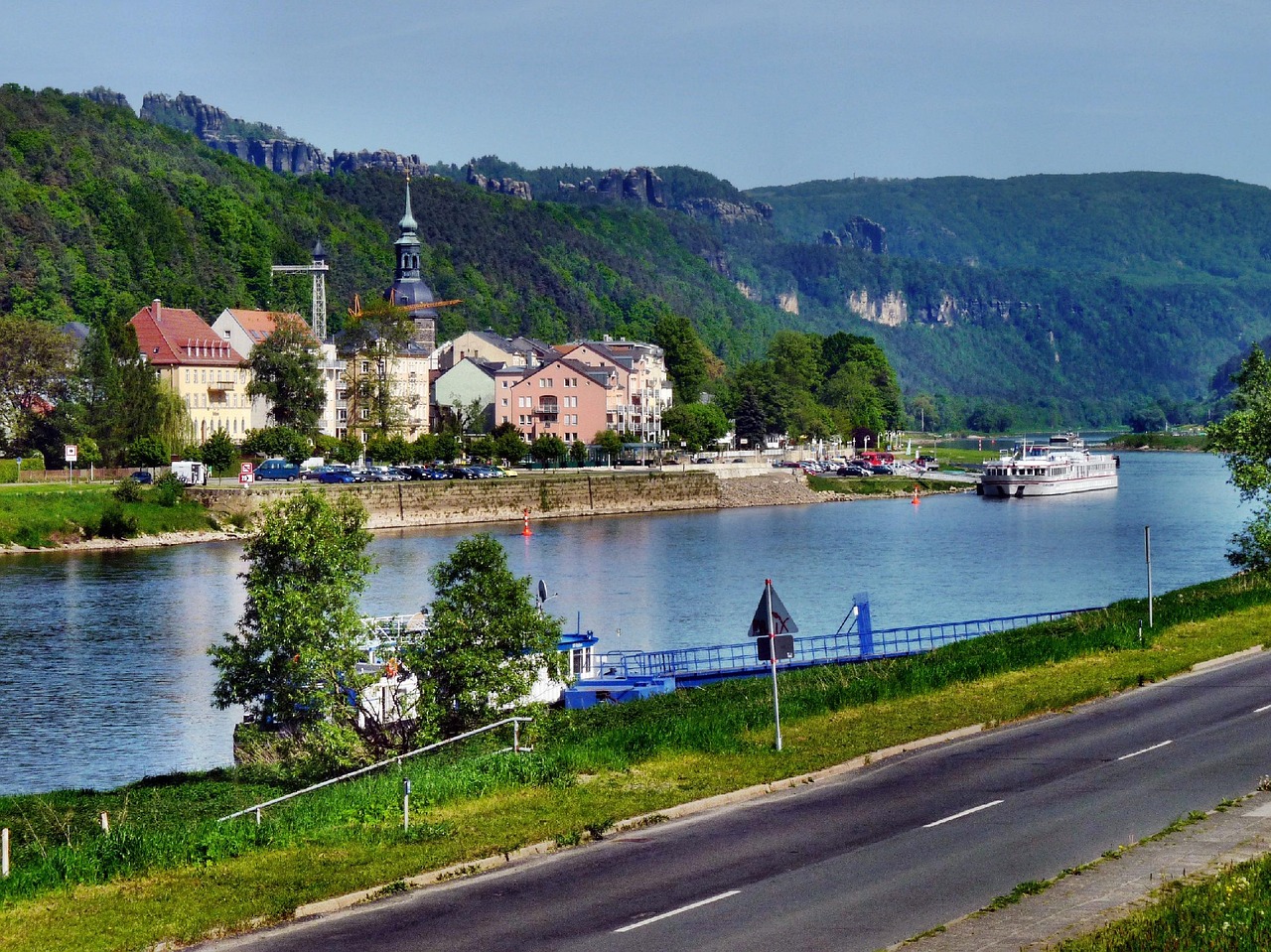
Bad Schandau is both a practical base and a place to actually enjoy being off the trail. The town has a long spa tradition, and its modern Toskana Therme is a welcome indulgence after a few days of serious hiking.
What I like to do here:
- Evening soak at Toskana Therme: warm pools, saunas, and sometimes underwater music events.
- Stroll along the riverside promenade at sunset.
- Ride the small elevator (Personenaufzug) up to the Ostrau plateau for quick views.
Tip: Build an easier “spa and stroll” day into a 5 day itinerary for Saxon Switzerland. Your legs will thank you.
3.13 Falkenstein & the Climbing Culture
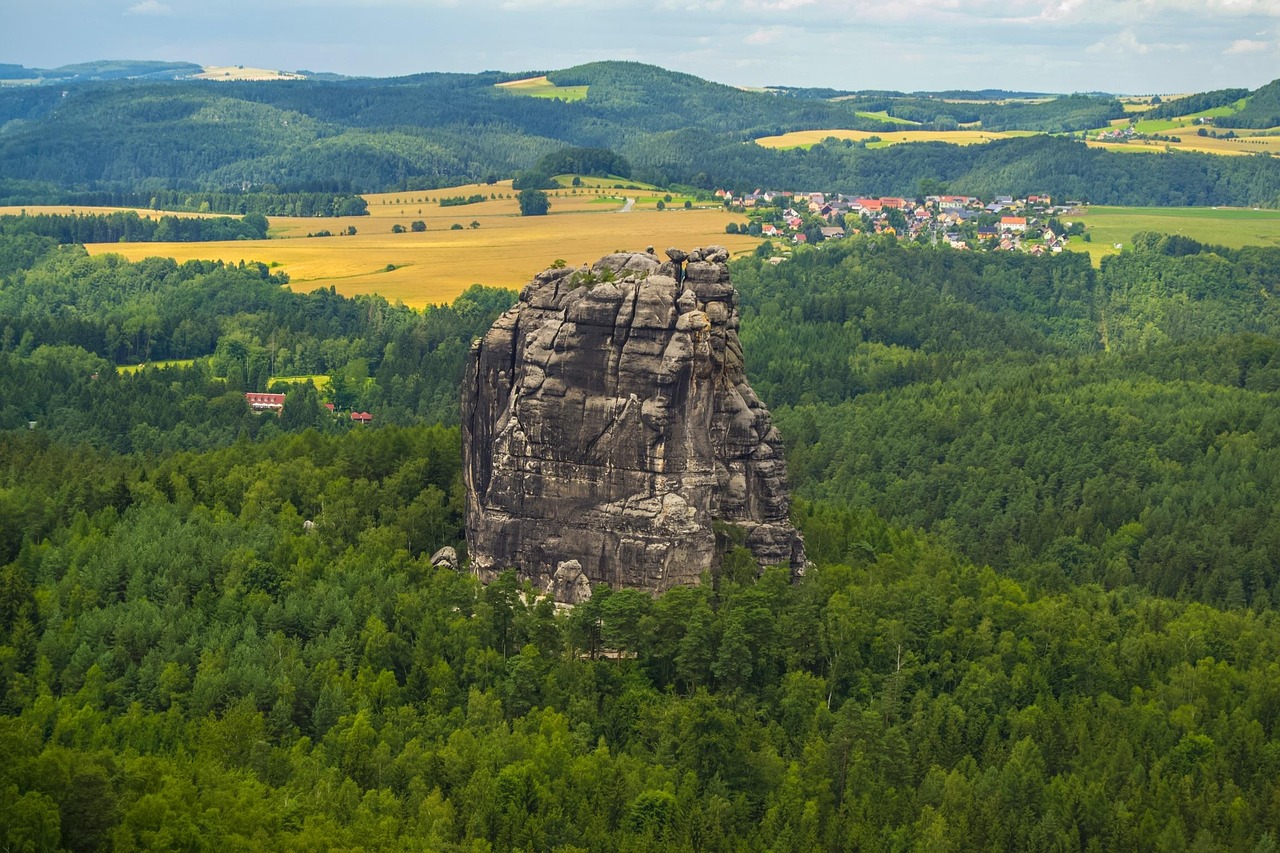
Saxon Switzerland is considered the birthplace of modern free climbing. The Falkenstein tower near Rathen is one of the most famous climbing objectives in the area, and watching climbers here is a cultural experience in itself.
Why it’s interesting even if you don’t climb:
- The strict local climbing ethics (no metal protection, use of knotted slings) are unique.
- On a good day you can watch climbers silhouetted against the sky from nearby viewpoints.
- It gives context to why some trails feel like they’re woven through an outdoor gym.
Personal anecdote: I’m not a serious climber, but a local friend took me to a beginner’s crag near Rathen one spring. As we packed up, an older man in his 70s arrived with a coiled rope, greeting everyone by name. He’d been climbing here since before the Wall came down, he told us, and the rocks were his “second home.” That sense of continuity is part of the region’s soul.
3.14 Gohrisch & Pfaffenstein: Quieter Table Mountains
While Lilienstein draws much of the attention, the Gohrisch and Pfaffenstein table mountains offer quieter, equally beautiful hikes and views. They’re ideal when you want a slightly off-the-beaten-path day.
Why I recommend them:
- Short, steepish ascents with excellent summit plateaus.
- Great views over the entire Elbe Sandstone region, including Königstein Fortress.
- Less crowded than Bastei and Lilienstein, especially on weekdays.
Personal note: On a hazy spring day in 2024, I hiked Gohrisch and Pfaffenstein back-to-back, picnicking on each summit. The air was full of birdsong, and I ran into the same local couple on both peaks; we ended up trading recommendations for favorite bakeries in Pirna.
3.15 Lesser-Known Ravines & Viewpoints (A Local’s Shortlist)
Once you’ve seen the big names, start playing with the smaller side-trails. A few I’ve grown fond of:
- Rauschengrund & Zschirnstein: The highest peak in Saxon Switzerland, with a broad summit plateau and fewer visitors.
- Großer Winterberg: Forested and moody, with access to viewpoints over the Kirnitzschtal.
- Quiet ravines off the Kirnitzschtal: Short, unassuming paths that suddenly plunge into cool, mossy gorges.
These are the places where I’ve most often walked for an hour without seeing another person — just the chuckle of water and the occasional rustle of deer in the undergrowth.
4. Sample Itineraries: 3, 4 & 5 Days in Saxon Switzerland
This section is designed to help you turn all of the above into actual days on the ground. I’ll outline practical, story-like itineraries for 3, 4, and 5 days in Saxon Switzerland, mixing big-name sights with quieter corners.
4.1 3 Day Itinerary for Saxon Switzerland – “First-Time Highlights”
This 3 day itinerary is what I suggest to friends visiting for the first time. It combines the most iconic views (Bastei, Königstein, Schrammsteine) with just enough downtime to actually enjoy being here.
Day 1 – Bastei, Schwedenlöcher & Rathen
I usually tell people to arrive the night before and stay in Bad Schandau or Rathen so they can start early. Assume you’ve woken up to the sound of church bells and the faint buzz of the first train along the Elbe.
Morning: Catch the train to Kurort Rathen if you’re not already there. Cross the river by ferry, and begin the ascent to the Bastei. The path starts gently through forest before steepening into stairs.
If you’re early (before 8:30), the bridge is blissfully quiet. I like to walk slowly along the viewpoints, pausing to imagine the 19th-century painters who lugged sketchbooks and easels up here long before there were guardrails.
Late morning: Detour through the Felsenburg rock castle area (small entrance fee), then descend via the Schwedenlöcher gorge. Here, the mood shifts: steps and ladders twist between dripping rock walls, and the sound of voices fades quickly behind you.
At the bottom, follow the path to Amselsee, a small artificial lake where you can rent rowboats in summer. I’ve spent more time than I’d like to admit drifting in circles here, eating sandwiches and watching ducks.
Lunch: Picnic by the lake, or continue back to Rathen for lunch at a local inn. I often opt for something simple like Bauernfrühstück (a hearty potato-and-egg dish) or Sauerbraten if I’m particularly hungry.
Afternoon: Keep the afternoon gentle. Walk along the riverside in Rathen, or take the train back to Bad Schandau and explore the town. If you’re feeling energetic, you can hike up to a nearby viewpoint like Schwedenlöcher’s upper edges again for a different angle of the rocks.
Evening: Dinner in Bad Schandau — I like Restaurant Elbterrasse for its river views — then an early night. If it’s still light, stroll the promenade and watch the lights of the passing riverboats.
Day 2 – Schrammsteine Ridge Adventure
Morning: After breakfast, catch the bus or tram into the Kirnitzschtal. I usually get off at Ostrau or Beuthenfall and follow signs towards the Schrammsteine.
The climb starts through forest, then the landscape begins to close in as towering sandstone walls rise around you. Eventually you reach the metal stairways and railings that lead up onto the ridge. It’s not technically difficult, but it feels adventurous.
Midday: On the ridge, take your time. There are multiple viewpoints; some are signed, others simply small breaks in the trees where a side path leads to a rock balcony. I usually stop at one of the quieter spots for lunch: bread, cheese, apples, and whatever pastry I snagged in town that morning.
Afternoon: You can either continue the ridge traverse (longer and more demanding) or loop back more quickly via a descent path. Both bring you back to trailheads with access to the tram or buses.
By mid-afternoon, I’m typically back in Bad Schandau, ready for an ice cream or cake. If my legs are feeling it, I’ll spend late afternoon at the Toskana Therme spa, soaking in warm pools while mentally replaying the day’s views.
Evening: Dinner in town. If the sky is clear, wander down to the river after dark to see the stars reflected in the water. The light pollution is low enough that the Milky Way is often visible, especially outside of high summer.
Day 3 – Königstein Fortress & Lilienstein
Morning: Take the train to Königstein and head up to the fortress, either on foot or via shuttle bus. Spend a relaxed morning exploring the ramparts, exhibitions, and gardens. It’s a good day to give your legs a partial break, and there’s enough historical detail to keep even museum-skeptics interested.
I like to walk the full circuit of the walls, pausing at each angle to trace my previous day’s routes along the far ridges.
Lunch: Eat at the fortress café or pack a picnic to enjoy on a bench with a view.
Afternoon: From Königstein, catch a bus or drive to the Lilienstein trailhead. Climb one of the two main routes up the mountain (I prefer to ascend on the shadier side if it’s hot), then explore the summit plateau.
The views back towards Königstein Fortress, the Elbe, and the rolling hills make this one of my favorite afternoon climbs. If the timing works, stay for sunset; just remember to bring a headlamp for the descent.
Evening: Return to your base town. For a final night, I often treat myself to a slightly nicer dinner — regional fish if it’s on the menu, or a plate of Schupfnudeln (potato dumplings) with sauerkraut and bacon.
4.2 4 Day Itinerary for Saxon Switzerland – “Add the Affensteine & Spa Time”
If you have 4 days in Saxon Switzerland, follow the 3-day plan above and add:
Day 4 – Affensteine, Carolafelsen & Bad Schandau Evening
Morning: Start early from Bad Schandau or Schmilka, heading into the Affensteine massif. Aim to reach Carolafelsen by late morning, before the light becomes too harsh for photography.
The ascent is more gradual than the Schrammsteine in places, but the landscape is more labyrinthine. I often feel like I’m walking through the ruins of some ancient, overgrown city.
Midday: Rest at Carolafelsen, then choose whether to add the Idagrotte cave viewpoint to your route. It adds some effort but is well worth it if you have the energy.
Afternoon: Descend via a different route for variety, perhaps exploring a section of the Wilde Hölle if conditions are dry and you’re comfortable with a bit of scrambling.
By late afternoon, you’ll likely be ready for another spa session or simply a long, lazy coffee in Bad Schandau.
Evening: End your 4 day itinerary with a proper farewell dinner and, if you’re up for it, a short riverside stroll to soak in the final views of the Elbe canyon.
4.3 5 Day Itinerary for Saxon Switzerland – “Deep Dive & Hidden Corners”
With 5 days in Saxon Switzerland, you can really relax into the rhythm of the region. I’d keep the first four days as above and add:
Day 5 – Kirnitzschtal & Obere Schleuse Gorge
Morning: Head into the Kirnitzschtal by tram or bus, but instead of tackling a major ascent, enjoy the valley itself. Walk parts of the riverside path, explore small side ravines, and stop for coffee at a traditional inn.
Midday: Continue by bus or car towards Hinterhermsdorf. From the village, hike down to the Obere Schleuse gorge and take the boat trip. It’s deliberately slow; that’s the point. Listen to the creak of the wooden boat and the soft splash of the pole in the water.
Afternoon: Climb back to the village, perhaps stop at a lookout above the gorge, then return to your base. This is a quieter, more contemplative day that balances the adrenaline of the ridge hikes.
Evening: For your final night, consider a simple ritual: walk to the nearest viewpoint above town, sit on a bench, and mentally trace the week’s routes across the landscape. It’s a nice way to say goodbye — or rather, “see you again.”
5. Where to Eat & Drink: Local Food in Saxon Switzerland
The food scene in Saxon Switzerland leans hearty and traditional, with a slow but steady influx of more modern, seasonal cooking. Expect generous portions, meat-heavy menus, and an almost religious devotion to cake and coffee in the afternoon.
Classic Dishes to Try
- Sächsischer Sauerbraten: Marinated roast beef in a sweet-sour sauce, often with red cabbage and dumplings.
- Quarkkeulchen: Fried potato-quark pancakes, sweet, often served with applesauce.
- Soljanka: A tangy Eastern European soup that’s oddly ubiquitous in Saxony.
- Eierschecke: The regional cake — layers of pastry, quark, and custard. Don’t leave without trying it at least once.
In-Park & Trailhead Eating
- Rathen & Bastei: Small restaurants and snack stands. Better value in Rathen village than at the top near the bridge.
- Kirnitzschtal: Traditional inns like Gasthaus Lichtenhainer Wasserfall serving simple, filling meals.
- Schmilka: The organic bakery and brewery are worth a detour; their sourdough bread is fantastic trail food.
Gateway Town Favorites
- Bad Schandau: A mix of hotel restaurants, cafés, and a few more innovative spots. The riverside places are great for evening drinks.
- Pirna: A better selection of more creative kitchens; this is where I go when I want something beyond schnitzel.
- Dresden (for pre/post stays): Excellent food scene, from traditional Saxon to modern German and international.
Saving Money on Food
Groceries are your friend if you’re on a budget. I often stock up at supermarkets in Pirna or Bad Schandau — bread, cheese, fruit, nuts — and only eat one restaurant meal per day. Picnic lunches at viewpoints are part of the joy of hiking here.
6. Where to Stay in & Around Saxon Switzerland
Accommodation ranges from riverside hotels to simple guesthouses and a few campgrounds. Booking ahead is wise in summer and during autumn foliage season.
Best Bases
- Bad Schandau: My default recommendation — great access to transport and trails, plus spa facilities.
- Rathen: For a more immersive rock-and-river feel, especially if you’re focusing on Bastei and nearby hikes.
- Königstein & Gohrisch: Good for quieter evenings and quick access by car to a variety of trailheads.
- Pirna: Cheaper, more local; you’ll commute slightly longer to major hikes but gain city amenities.
Types of Lodging
- Hotels & Spa Resorts: Concentrated in Bad Schandau and some table-mountain villages.
- Pensions & Guesthouses: Family-run, often including breakfast. My personal favorite style of stay here.
- Holiday Apartments: Good for families or longer stays; you can cook your own meals.
- Campgrounds: Several along the Elbe and in nearby valleys. Wild camping is not allowed in the national park.
Money-Saving Tips
- Stay slightly outside the most famous villages (e.g., in a small town near Pirna) and commute by train.
- Look for Ferienwohnungen (holiday apartments) if traveling as a couple or group; per-person costs drop quickly.
- Travel in shoulder seasons (April–May, late September–October) for better rates and fewer crowds.
7. Getting Around: Public Transport, Car Rental & Ferries
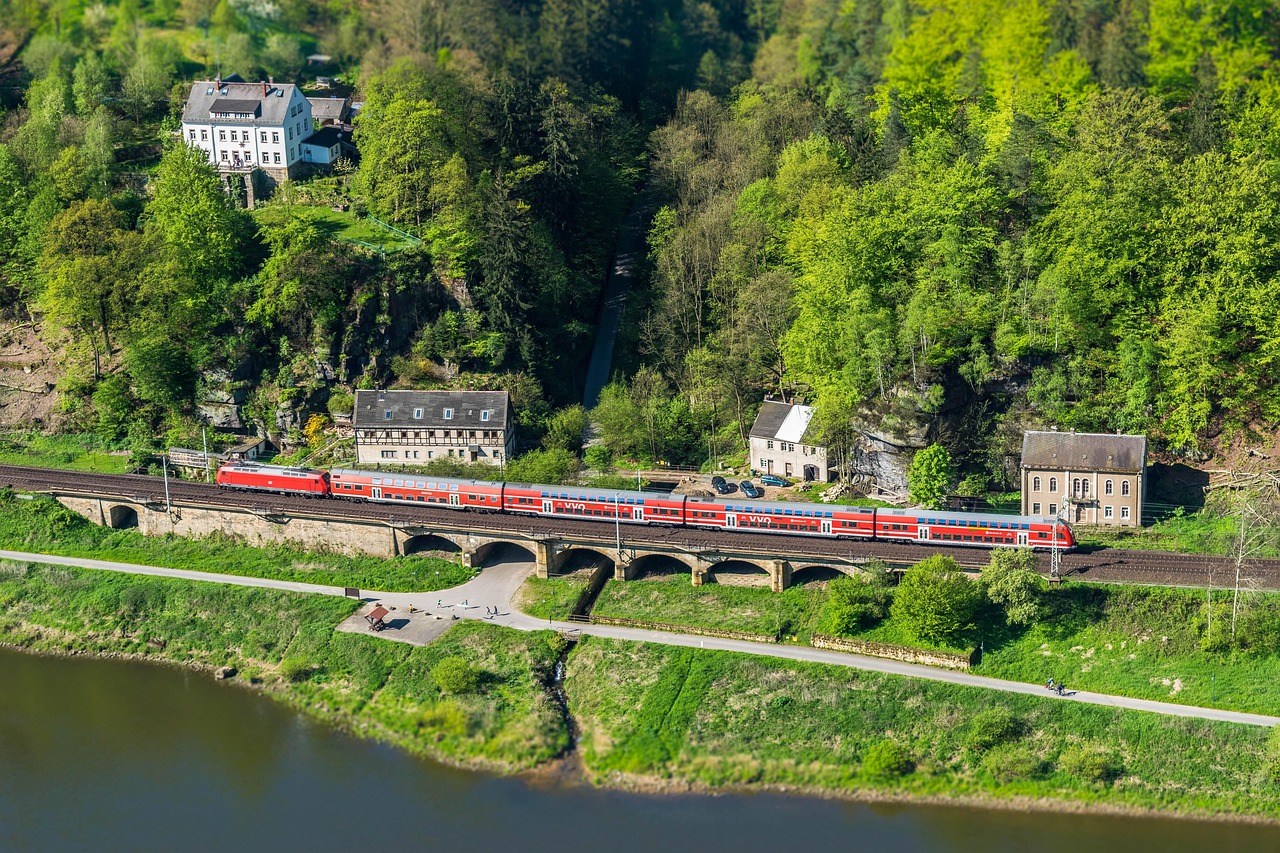
One of the reasons I keep recommending Saxon Switzerland is how easy it is to navigate without a car.
Public Transport
- Trains: Frequent regional trains run along the Elbe between Dresden, Pirna, Königstein, Bad Schandau, Schmilka, and into the Czech Republic.
- Buses: Connect smaller villages and trailheads; schedules are more limited on weekends and evenings.
- Kirnitzschtalbahn tram: Historic tram running from Bad Schandau into the Kirnitzschtal valley.
- Ferries: Small ferries cross the Elbe at several points (Rathen, Schmilka, etc.). They’re part of the fun.
Cars & Parking Strategy
A car can be convenient for reaching more remote trailheads like Hinterhermsdorf, but parking lots at popular spots fill quickly on weekends. I tend to:
- Arrive early (before 9:00) at major car parks (Bastei area, Lilienstein, Kirnitzschtal).
- Use park-and-ride schemes where available in high season.
- Combine driving with public transport to avoid backtracking.
Foreign Driver’s Licenses
For most visitors from the EU, UK, US, Canada, Australia, and many other countries, a national driver’s license is accepted in Germany for short tourist stays. An International Driving Permit is recommended but not strictly required if your license is in a non-EU language; check current regulations before traveling in 2026.
8. After Dark & Quieter Experiences
Evenings in Saxon Switzerland are calmer than in big cities; nightlife here means stargazing, spa visits, and quiet walks.
Stargazing
- Lilienstein summit: Excellent sky visibility if you’re comfortable descending in the dark.
- Open meadows near Gohrisch/Pfaffenstein: Wide horizons and little light pollution.
- Elbe riverbanks: Reflections on the water add to the atmosphere.
Ranger Talks & Programs
The national park occasionally offers evening talks (primarily in German) and guided walks. Check visitor centers in Bad Schandau and at main gateways for current programs in 2026.
Full-Moon & Sunrise Hikes
Several local hiking clubs organize full-moon walks or sunrise outings to viewpoints like Bastei or Carolafelsen. Joining one is a safe way to experience the trails in low light; ask at tourist information offices for schedules.
9. Cultural Experiences, Local Customs & Etiquette
Saxon Switzerland is in the state of Saxony, with its own distinct accent, humor, and traditions. People can seem reserved at first but are often warm once you break the ice.
Basic Etiquette
- Greetings: A simple “Guten Tag” or “Hallo” when entering small shops, cafés, or passing people on quiet trails is appreciated.
- Quiet hours: Many guesthouses and villages observe informal quiet times after 22:00; keep noise down outdoors.
- Cash: Card acceptance is improving, but some smaller establishments still prefer cash; carry some euros.
Trail & Nature Customs
- Stay on marked trails; off-trail wandering can damage fragile sandstone and protected vegetation.
- Respect climbing ethics: don’t place metal gear or bolts, and don’t attempt climbs without proper experience.
- Leash dogs where requested and always around livestock or wildlife.
Cultural Experiences
- Local festivals: Summer village festivals with brass bands, grilled sausages, and beer tents are common; posters in villages list dates.
- Christmas season: Nearby Dresden and Pirna host excellent Christmas markets, worth combining with a winter visit.
- Art & history: Exhibits in Pirna and Dresden contextualize the Romantic painters and the area’s role in regional history.
10. What’s New in 2026–2027: Events & Changes
While specific dates can shift, the following recurring events and trends are expected in 2026–2027:
- Malerweg Anniversary Programs: The long-distance trail continues to be promoted with guided sections, particularly in spring and autumn.
- Climbing Festivals: Small regional climbing meet-ups in the Schrammsteine and Rathen areas, usually late spring and early autumn.
- Dark-Sky & Astronomy Nights: Occasional star-gazing events organized by local astronomy clubs and national park rangers.
- Ongoing Conservation Measures: Expect occasional temporary closures of specific paths or viewpoints to allow for habitat restoration; always check the park’s official website before your trip in 2026–2027.
11. Day Trips from Saxon Switzerland
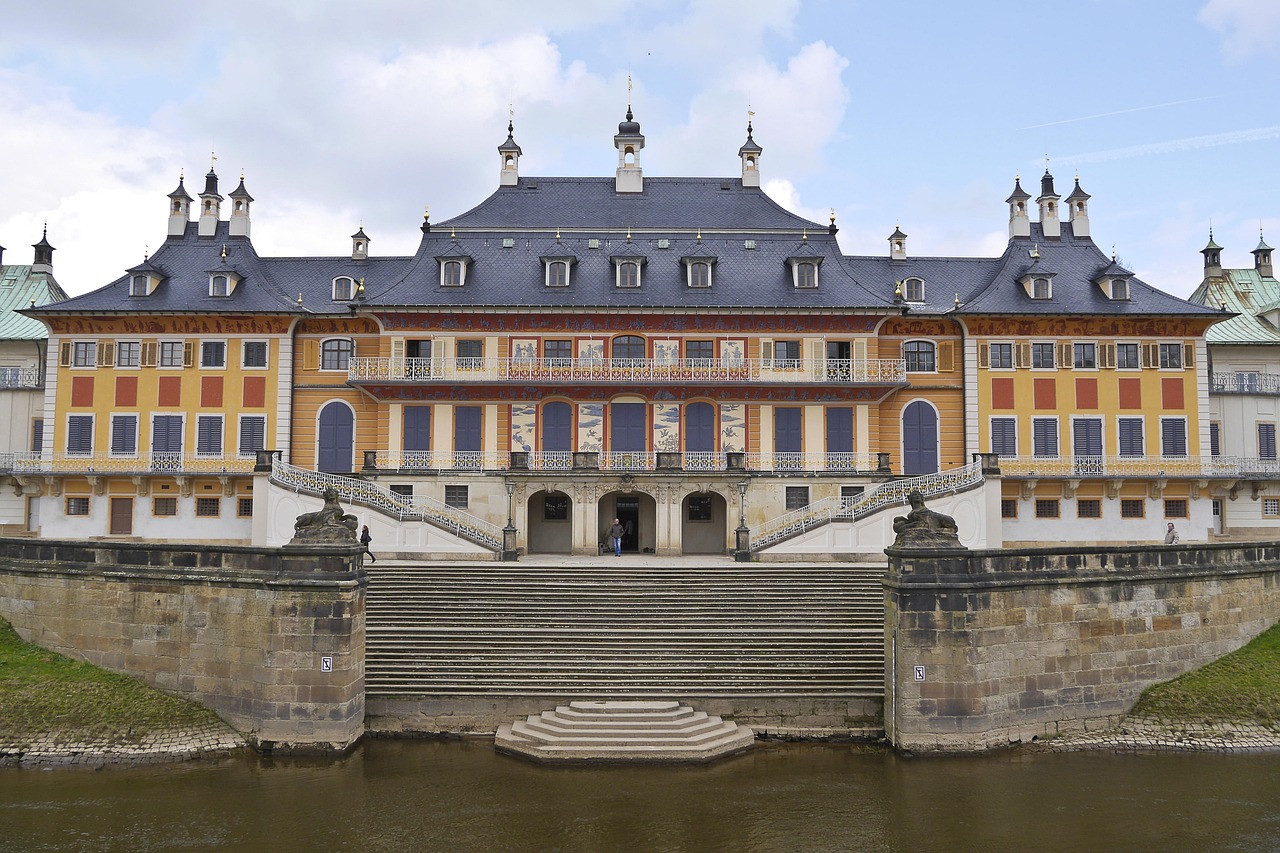
One of the advantages of basing yourself in Saxon Switzerland is the ease of day trips to historically and culturally rich cities nearby.
Dresden
Just 40–50 minutes by train from Bad Schandau or Königstein, Dresden is a must if you haven’t seen it before:
- Visit the rebuilt Frauenkirche, stroll the Brühlsche Terrasse, and explore world-class museums like the Grünes Gewölbe.
- Enjoy a very different Elbe riverfront, with baroque skylines instead of sandstone cliffs.
Bohemian Switzerland (Czech Republic)
Across the border lies Bohemian Switzerland National Park, home to the famous Pravčická brána rock arch and the Kamenice River gorges.
From Schmilka or Bad Schandau, cross into the Czech Republic by train or car. Remember to check border regulations and carry an ID; both countries are in Schengen, but you should still have identification.
Meißen & the Wine Region
Upstream from Dresden, Meißen offers a pretty old town, a hilltop castle, and the famous porcelain factory. The surrounding Elbe valley is dotted with vineyards, making for a pleasant, low-intensity day trip after serious hiking.
12. Practical Travel Advice & Money-Saving Tips
Visas & Entry Requirements
Germany is part of the Schengen Area. In 2026:
- EU/EEA and Swiss citizens can enter with an ID card or passport.
- Many non-EU travelers (e.g., from the US, Canada, UK, Australia) can visit visa-free for short stays but may need to complete an ETIAS travel authorization; check up-to-date rules before traveling.
- Others may require a Schengen visa; apply well in advance.
SIM Cards & Connectivity
Coverage is generally good in towns and along the Elbe, spottier in deep gorges and remote ravines.
- Buy a local SIM (e.g., Telekom, Vodafone, O2) at airports, major train stations, or in Dresden.
- EU roaming rules mean EU SIMs work at domestic rates across Germany.
- Offline maps (e.g., downloaded segments in your favorite mapping app) are invaluable; I always download the region before arriving.
Costs & Money-Saving Tips
- Use regional transport day passes if planning multiple train/bus rides; they often undercut single tickets.
- Pack a refillable water bottle; tap water is safe and good.
- Shop at supermarkets for snacks and some meals; restaurant dinners every night add up quickly.
13. Park Logistics, Safety & Seasons
Entrance Fees & Permits
No general entrance fee is charged for Saxon Switzerland National Park itself. However:
- Parking at trailheads and viewpoints is usually paid (machines or attendants).
- Some specific attractions (e.g., Königstein Fortress, Obere Schleuse boats) have their own admission fees.
As of 2026, there is no timed-entry reservation system for the park, but extremely busy days can lead to temporary parking closures around key sites like Bastei.
Seasonal Considerations
- Spring (April–May): Wildflowers, fresh green leaves, cooler temps, some muddy trails. Great for hiking, fewer crowds.
- Summer (June–August): Warmest weather, longest days, and the most visitors. Ideal for river activities and gorge boat trips; start hikes early.
- Autumn (September–October): My favorite: stable weather, colorful forests, misty mornings, great light for photography.
- Winter (November–March): Quiet, some facilities closed, trails can be snowy or icy. Magical if you’re prepared and flexible.
Weather, Altitude & Safety
Altitudes are modest (generally 100–600 meters), so altitude sickness is not an issue. Weather can change quickly, especially in shoulder seasons; pack layers and waterproofs.
- Wildlife: No bears or large predators to worry about; typical central European forest fauna (deer, boar, foxes). Ticks can be present in warmer months — consider tick protection and check yourself after hikes.
- Trail safety: Stay behind railings at viewpoints. Sandstone can be slick when wet; good shoes with grip are essential.
- Front-country vs. backcountry: Most classic hikes are front-country — well-marked, with relatively quick access to roads or villages. Some deeper ravines and border areas feel more remote; carry a small first-aid kit, map, and enough water.
What to Pack
- Sturdy hiking shoes or boots with good traction.
- Light rain jacket and a warm layer, even in summer evenings.
- Daypack, water bottle, snacks, and sun protection.
- Headlamp if you plan sunrise/sunset hikes.
- Offline maps and a power bank for your phone.
14. Summary & Final Recommendations
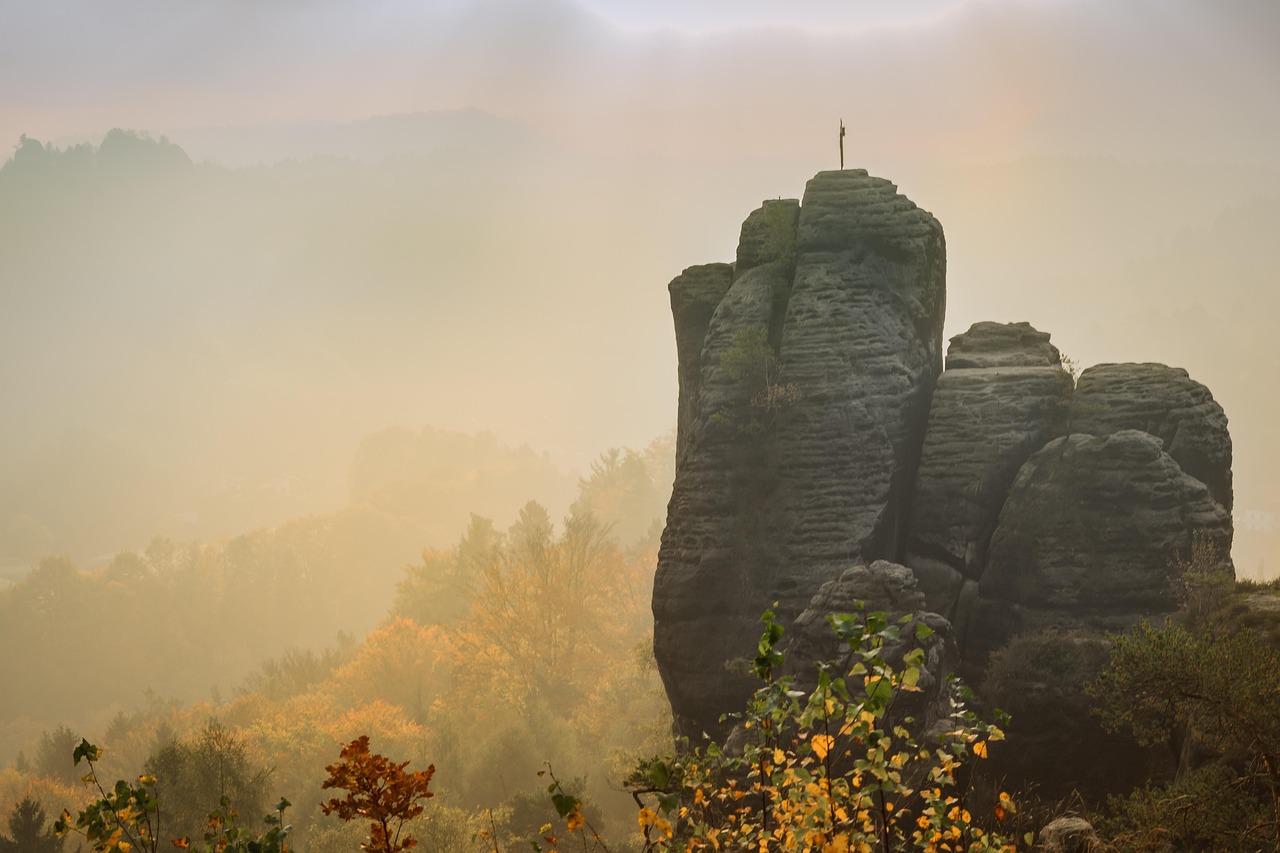
Saxon Switzerland is one of those places that quietly reshapes your sense of what a “mountain” landscape can be. No jagged alpine peaks, no glaciers — just layers of sandstone towers, forested ravines, and a river that has seen centuries of artists, soldiers, traders, and, more recently, hikers with trekking poles.
If you’re planning a short escape, a 3 day itinerary for Saxon Switzerland will give you Bastei, Schrammsteine, and Königstein — a perfect crash course. With 4 days in Saxon Switzerland, add the Affensteine and Carolafelsen. With 5 days in Saxon Switzerland, slow down: ride the Kirnitzschtal tram, drift through the Obere Schleuse gorge, and let the rhythm of the villages sink in.
Best seasons:
- Autumn (late September–October): Top choice for color, light, and comfortable hiking.
- Late spring (May–early June): Lush forests, wildflowers, and longer days, before peak summer crowds.
- Summer (July–August): Best for families, river activities, and long days, but plan around crowds and heat.
- Winter: For experienced, flexible travelers who want solitude and don’t mind closures or variable trail conditions.
Each time I leave, I find myself glancing back from the train window as the last rock towers slip behind the hills, already plotting which ravine or ridge I’ll explore next. That, more than anything, is why I recommend Saxon Switzerland so often: it’s a landscape generous enough to welcome first-timers and deep enough to keep rewarding repeat visits.