Why Visit Timmendorfer Strand in 2026
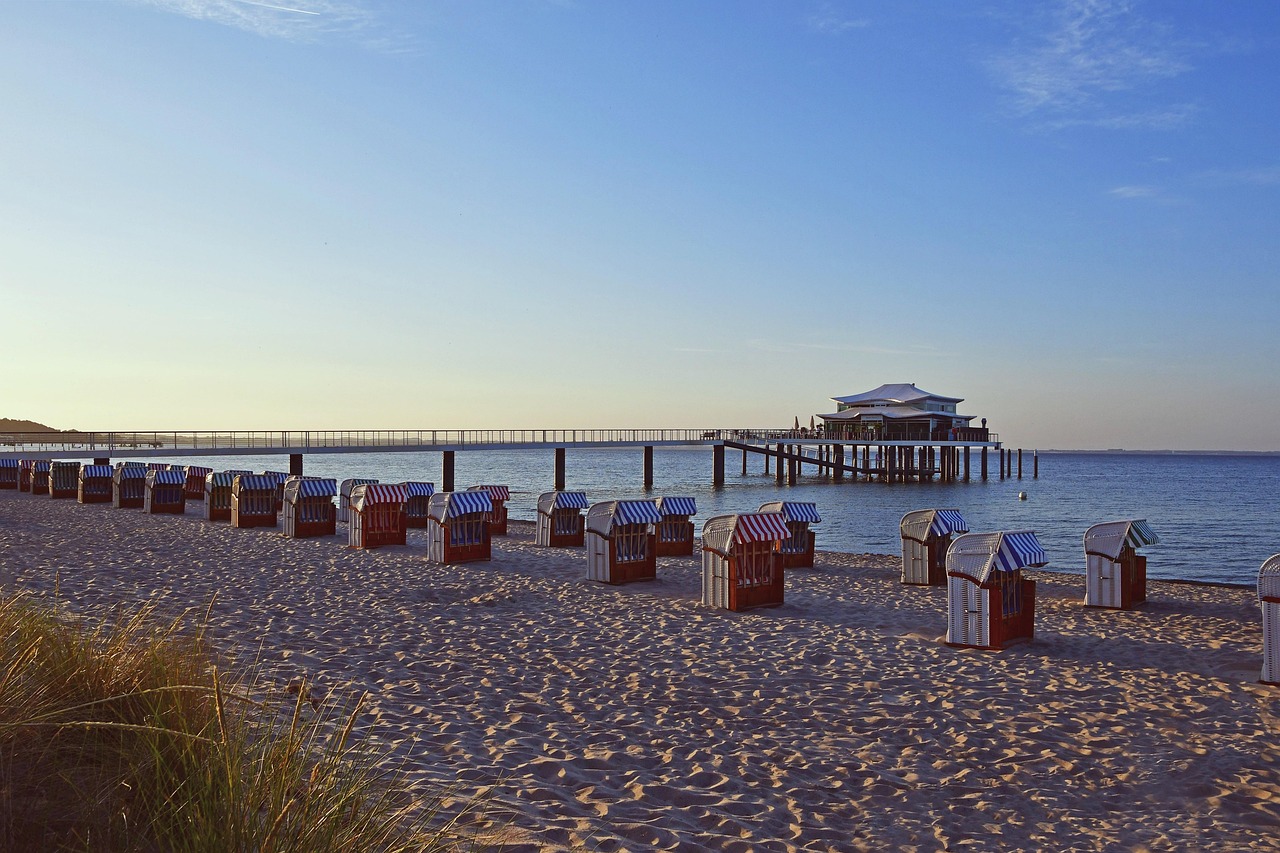
Timmendorfer Strand is where northern Germany drops its serious face and slips into flip‑flops. It’s a stretch of Baltic Sea coastline that somehow manages to be polished and easygoing at the same time: elegant villas and sleek beach clubs sitting right beside old‑school Strandkörbe (hooded wicker beach chairs) and barefoot children chasing gulls.
I’ve been coming here since my university days—first for cheap camping weekends, later for long, stormy winter walks and lazy, seafood‑heavy summers. What keeps surprising me, even after so many returns, is how many different versions of a holiday you can have here. In three, four, or five days you can piece together a completely different story each time: a family‑friendly beach escape, a romantic long‑weekend with spa time and sunset cocktails, or an active break with windsurfing, SUP, bike rides and day trips along the Bay of Lübeck.
In 2026, Timmendorfer Strand is having a moment. The promenade has been quietly refreshed, a couple of new chef‑driven spots have opened around the Kurpark, and the town is leaning more into outdoor culture: more yoga on the beach, more live music, more pop‑up art on the sand in shoulder seasons. Yet it hasn’t lost its small‑town rhythm—locals still nod “Moin” on morning walks, families still bring thermos coffee to the sand at sunrise, and by 23:00 away from the bars it’s mostly just waves and wind.
If you’re deciding between Baltic Sea towns, here’s what makes Timmendorfer Strand special:
- Long, soft sandy beach: This isn’t a tiny cove; it’s a generous, walkable ribbon that shifts subtly in character every few hundred meters.
- Easy access: A straightforward rail and road connection from Hamburg and Lübeck makes it perfect for a 3–5 day coastal escape.
- Balance of buzz and calm: You get stylish beach clubs and low‑key sections where you can hear yourself think.
- Family‑friendly infrastructure: Lifeguards, playgrounds, shallow water areas, and lots of kid‑approved activities.
- Year‑round appeal: Peak summer for swimming, spring and autumn for walking and spa, winter for moody seascapes and empty sands.
- Great base for day trips: Niendorf, Travemünde, Lübeck’s UNESCO old town, and countryside bike routes are all within easy reach.
This travel guide for Timmendorfer Strand is built around how people actually travel: detailed 3, 4, and 5 day itineraries, deep dives into each major beach section and nearby coastal spot, and a lot of very practical travel tips for Timmendorfer Strand—things like where to park when it’s busy, how to save money in a place where a sea view is always a premium, and which months are genuinely best for swimming vs. surfing.
Table of Contents
- 1. Overview of Timmendorfer Strand
- 2. Suggested Itineraries (3–5 Days)
- 3. Beach Sections, Coves & Nearby Coastal Spots
- 3.1 Hauptstrand Timmendorfer Strand
- 3.2 Niendorf Strand
- 3.3 Ostsee-Therme & Kurpark Section
- 3.4 Seeschlösschenbrücke & Surf Corner
- 3.5 Hemmelsdorfer See Shore
- 3.6 Brodtener Steilufer Cliffs
- 3.7 Travemünde Beach & Priwall
- 3.8 Scharbeutz & Haffkrug Beaches
- 3.9 Quiet Coves Near Niendorf Harbor
- 3.10 The Winter Strand & Off‑Season Coastline
- 4. Seafood, Beach Bars & Boardwalk Eating
- 5. Evenings at Timmendorfer Strand
- 6. Cultural Experiences, Local Customs & Etiquette
- 7. Events & What’s New in 2026–2027
- 8. Best Day Trips from Timmendorfer Strand
- 9. Practical Travel Advice for Timmendorfer Strand
- 10. Beach Logistics: Safety, Seasons & Sea Conditions
- 11. Summary & Final Recommendations
1. Overview of Timmendorfer Strand
Timmendorfer Strand sits on the Bay of Lübeck, just north of Lübeck city and about an hour and a bit from Hamburg by train. It’s technically a municipality made up of several districts: Timmendorfer Strand proper, Niendorf, and a few scattered hamlets and lakeside corners like Hemmelsdorf. But in daily speech, locals use “Timmendorfer Strand” for the entire seaside ribbon.
At its heart is the Hauptstrand, the main beach fronting a tidy promenade lined with hotels, cafés, ice‑cream stands, and shops. Move north and south and the character shifts: to the east you reach Niendorf with its working fishing harbor and smaller beach; to the south and west, the shoreline bends into neighboring Scharbeutz and the rougher cliffs of Brodten. Inland, the calm waters of Hemmelsdorfer See feel like another world—reed beds, bird calls, and farm tracks replacing surf noise.
Unlike some Mediterranean beach towns, Timmendorfer Strand doesn’t rely on a single “must‑see attraction.” The must‑see is the coast itself: walking, swimming, sitting in a Strandkorb as the light changes. The real “things to do in Timmendorfer Strand” are experiences: renting a bike and riding along the coast, eating smoked fish at Niendorf harbor, watching container ships glide past Travemünde from a beach bar, or taking the kids to Sea Life on a windy day.
For a first visit, I recommend planning at least a 3 day itinerary for Timmendorfer Strand, with 4–5 days if you want to add day trips and slower mornings. This guide lays out what 3 days in Timmendorfer Strand, 4 days in Timmendorfer Strand, or a full 5 day itinerary for Timmendorfer Strand can look like in detail, then dives into specific coastal sections so you can mix and match.
2. Suggested Itineraries for 3–5 Days
All of the itineraries below assume you’re staying within walking distance of the main beach, somewhere between Seeschlösschenbrücke and the Kurpark. That’s the sweet spot if you want to step out of your door and onto the sand. I’ll mention variations if you’re based in Niendorf or a quieter inland guesthouse.
2.1 3 Day Itinerary for Timmendorfer Strand: First‑Timer’s Coastal Hit
Three days in Timmendorfer Strand is the classic long weekend: enough to properly settle into the rhythm of the sea, but compact enough to feel like a concentrated coastal hit. When I host friends who are new to the Baltic, this is usually the structure we end up following.
Day 1 – Arrival, Promenade & Hauptstrand
I like to arrive around late morning. If you’re coming from Hamburg, that usually means an early train, a quick change in Lübeck, and a short walk from Timmendorfer Strand station down to the sea. As you crest the last little rise and the Baltic suddenly appears ahead, you’ll understand why people keep coming back.
Drop your bags at your hotel or guesthouse—even if your room isn’t ready, most places will store luggage—and walk straight to the Hauptstrand. This is the iconic section of Timmendorfer Strand: wide, soft sand, rows of blue‑and‑white Strandkörbe, families building sandcastles, couples sharing fries from the nearest Imbiss.
My arrival ritual, honed over too many trips:
- Kick off shoes and walk the waterline from Seeschlösschenbrücke (the pier with the Asian‑inspired restaurant) toward the Kurpark, just feeling the temperature of the water and the mood of the day.
- Grab a Strandkorb for the afternoon. You can rent them by the day or half‑day from little huts on the promenade. In high season, I book one ahead via my accommodation, especially for weekends.
- Snag a simple lunch—Fischbrötchen (fish sandwich) from a stand near the Kurpark is my go‑to first meal. Matjes (young herring) with onions or Backfisch (fried fish) with remoulade are both solid choices.
After lunch, settle into a lazy afternoon on the sand. The main strand here is very family‑friendly: lifeguards cover broad stretches in summer, the water stays shallow for a while, and there are playgrounds just behind the promenade.
By late afternoon, walk the promenade end‑to‑end. I like to turn it into a slow reconnaissance mission: peeking at menus, spotting which cafés are full of locals (good sign), which beach bars look promising for sunset, and which sections of sand are busier vs calmer. This is also the moment to book any activities you’re keen on for the next days—SUP rentals, sailing, or spa slots at the Ostsee‑Therme.
For your first evening, keep it simple:
- Dinner: Choose a seafront restaurant near the Kurpark. I personally like places that do uncomplicated grilled fish with local potatoes and a glass of Riesling. Ask what’s freshest that day.
- Sunset: Take your drink down to the sand or sit on the promenade steps near the pier. On calm evenings the sky turns cotton‑candy pastel, and ferries glide along the horizon.
- Evening stroll: Walk north along the waterline, away from the busiest bars, and back along the quiet streets behind the promenade. It’s a gentle way to map the town in your head.
Day 2 – Niendorf, Harbor Life & Coastal Walk
On your first full day, head east along the coast to Niendorf. I like to leave right after breakfast while the air is still fresh.
You can either:
- Walk along the beach (about 30–40 minutes, depending on your pace and stops), or
- Bike the promenade on a rental bicycle, which cuts the trip to around 15 minutes and feels wonderfully breezy on a summer morning.
Niendorf feels smaller and more lived‑in than the main strip. The harbor is still very much a working fishing port, and you’ll see boats unloading and locals queuing for fresh catch. This is one of my favorite places for a late morning snack:
- Grab a smoked fish roll or a simple Fischbrötchen straight from one of the harbor shacks.
- Carry it to the edge of the quay and watch the mild chaos of boats, gulls, and holidaymakers.
If you’re traveling with kids, Niendorf is gold: there’s usually something happening around the harbor, and the smaller Niendorf Strand nearby is quieter and shallower.
After exploring the harbor, I usually choose between two options:
- Option 1: Nature & quiet cove time – Continue east on the coastal path to the quieter little coves beyond Niendorf, where the beach narrows and the trees come closer. In summer, these spots have a relaxed, slightly bohemian feel—more locals, fewer day‑trippers.
- Option 2: Sea Life & promenade loop – Head back toward Timmendorfer Strand, detouring to Sea Life if the weather is iffy or you want an educational stop. It’s not enormous, but the Baltic Sea focus is well done and kids love the touch pools and underwater tunnel.
Have a relaxed lunch back in Timmendorfer Strand—try one of the places slightly inland from the promenade for better value and more locals.
In the afternoon, pick one of these:
- Beach time at a quieter section: Walk a bit south of the main crowd toward the Ostsee‑Therme section, where the sand thins and the vibe calms.
- Spa session: Head into the Ostsee‑Therme for a couple of hours of warm pools, saunas and Baltic views, especially if the weather has turned grey or breezy.
Evening: this is a good night to sample Timmendorfer Strand’s beach bar scene. There are a few spots right on the sand with lounge chairs and low music. My personal routine is an early dinner, then a slow drink at a beach bar, and finally a barefoot walk home along the waterline, letting the day rinse out of my head.
Day 3 – Brodtener Steilufer or Lübeck, Then One Last Dip
On your final day, you can either keep it coastal or add a city taste.
Option A: Brodtener Steilufer & Travemünde
Take a bus or bike west toward Brodtener Steilufer, the low cliffs between Niendorf and Travemünde. This is one of my favorite walks in the region. The path runs along the top of the cliff, with open Baltic views and fields inland. You can drop down to small beaches via steep paths, but be mindful of erosion and any closure signs.
Continue to Travemünde, a classic Baltic resort with a broader waterfront, big ships sliding into Lübeck’s port, and a handsome promenade. Have lunch at one of the many fish restaurants, then amble around the old town streets or take a short ferry across to the Priwall peninsula for more beach time.
Return to Timmendorfer Strand by late afternoon for one last swim or a quick lie in a Strandkorb before departure.
Option B: Lübeck Old Town Day Trip
If you’re more in the mood for bricks and spires than surf and sand, hop on a train to Lübeck (about 20–25 minutes). The UNESCO‑listed old town is gorgeous: red‑brick Gothic churches, merchant houses, and cobbled lanes. It’s a delicious contrast to the beach. Return by late afternoon for a final hour on the sand and an early dinner overlooking the sea.
Whichever option you choose, end your 3 days in Timmendorfer Strand with one last slow walk on the Hauptstrand. I like to do a mental inventory: the taste of smoked fish, the feel of the cold Baltic on my ankles, the particular color of the sky that day. It’s the kind of place that seeps under your skin.
2.2 4 Day Itinerary for Timmendorfer Strand: Slow‑Down & Explore
With four days in Timmendorfer Strand, you can slow down. This 4 day itinerary for Timmendorfer Strand builds on the three‑day version above but adds breathing space and a bit more depth—especially inland at Hemmelsdorfer See and around the quieter coves.
Day 1 – Settle In & Read the Sea
Follow the Day 1 plan from the 3‑day itinerary: arrival, Hauptstrand, promenade walk, simple dinner. But because you have an extra day, resist the urge to rush. Spend more time simply watching the water change tone through the afternoon. In 2024 and 2025 I started the habit of doing a short “weather journal” on arrival: noting wind direction, wave height, cloud shapes. It sounds odd, but it connects you quickly to the sea’s mood.
Day 2 – Niendorf, Harbor & Hidden Coves
Again, start with the Niendorf walk or bike ride. This time, after a harbor snack, continue on to the quiet coves beyond Niendorf. Bring a picnic, a book, and maybe a light blanket in case the wind picks up. These small bays are my favorite on summer weekdays; you’ll often find local families and couples who’ve been coming to the same patch of sand for years.
Swim if the water is calm (it’s usually a little cooler than the Mediterranean, but on a hot Baltic day it’s wonderfully refreshing). Look out for jellyfish in late summer—most are harmless moon jellies, but if you see lots of reddish ones, ask locals about recent stings before jumping in.
Head back to Timmendorfer Strand in the late afternoon, stopping for an ice cream at one of the small stands along the way. I tend to choose unusual flavors (sea buckthorn, black sesame) just to keep a mental map of good gelato in the region.
Evening: dine slightly inland at a place like a gasthof or bistro on a side street, away from the seafront markup. The atmosphere is usually calmer, and you’ll hear more German than tourist languages at the next table.
Day 3 – Hemmelsdorfer See & Rural Side of Timmendorfer Strand
On my third trip to Timmendorfer Strand, a local café owner insisted I visit Hemmelsdorfer See. “Same municipality, totally different world,” he promised. He was right.
Rent a bike or take a bus inland to the lake. Here, reeds whisper, birds call, and the water is mirror‑calm. There are walking paths along the shore and small jetties where you can sit and dangle your feet. In some spots, you can swim—but check signage, as not all areas are designated for bathing.
Pack a picnic or eat at a lakeside restaurant if open—menus tend to skew toward hearty regional fare: fish, schnitzel, potatoes, seasonal vegetables. I like to spend a lazy half‑day here, reading in the shade and watching the light change on the water. It’s an antidote to any Timmendorfer bustle.
In the late afternoon, bike back via small lanes, maybe stopping at a farm shop for fresh strawberries or local cheese if it’s summer. There’s a particular moment, cresting a small rise and suddenly glimpsing the Baltic again, that always makes me smile.
Evening: consider a slightly later dinner and then a night stroll. By the third evening you’ll start recognizing faces on the promenade, especially outside of peak July–August season.
Day 4 – Choose Your Own Finale: Cliffs, City, or Pure Beach
With 4 days in Timmendorfer Strand, your final day can bend to your mood:
- Feeling active? Do the Brodtener Steilufer – Travemünde walk and return by bus or boat (in season).
- Craving culture? Spend the day in Lübeck’s old town and come back for an evening sea dip.
- Just want more sand? Claim a Strandkorb near Seeschlösschenbrücke and devote the day to swimming, napping, and café‑hopping.
Whatever you choose, end with a swim if weather allows. One of the reasons I keep returning is the closing ritual: that last, slightly salty hug from the Baltic before trains and highways pull you inland again.
2.3 5 Day Itinerary for Timmendorfer Strand: Deep Coastal Immersion
A 5 day itinerary for Timmendorfer Strand lets you move beyond “holiday” into something more like “temporary local.” You’ll have time for slow mornings, side trips, and days that aren’t fully scheduled. This 5 days in Timmendorfer Strand outline adds in Scharbeutz, more time for spa and sports, and some evening variety.
Day 1 – Arrival, Orientation & Gentle Beach Afternoon
Same as the Day 1 plan above—don’t rush. With five days, your main job on arrival day is to orient yourself and exhale. If you get in early enough and the weather is right, consider an evening dip before dinner; the water often feels warmer at the end of a sunny day.
Day 2 – Niendorf Deep Dive & Harbor Evening
Instead of a quick jaunt, devote most of Day 2 to Niendorf and its surroundings. Start with the walk or bike ride along the beach, but this time, linger:
- Spend a couple of hours on Niendorf Strand, which has a sleepier, more local rhythm.
- Have a sit‑down lunch at a harbor restaurant rather than just grabbing a sandwich.
- Visit any small exhibitions or events that may be on near the harbor (in summer there are often pop‑up markets or music).
In the late afternoon, walk a bit further to the small coves for a quieter swim. Return to Niendorf harbor for an early evening drink. Watching the sunset light catch the masts here, with a glass of white wine and the smell of smoked fish in the air, was one of my strongest 2025 memories.
Bus or taxi back to your base in Timmendorfer Strand if you don’t feel like walking in the dark (the coastal path is generally safe, but can be poorly lit).
Day 3 – Scharbeutz & Haffkrug: Neighboring Beaches
On Day 3, head south along the coast to Scharbeutz and, if you’re in the mood, on to Haffkrug. These neighboring beaches have their own character—Scharbeutz in particular has invested heavily in a sleek, modern promenade with lots of cafés and a slightly trendier vibe.
Getting there is easy:
- Bike: The coastal route is pleasant, with occasional short stretches inland.
- Bus: Regular buses connect Timmendorfer Strand and Scharbeutz in about 10–15 minutes.
Spend the day beach‑hopping, comparing sands and atmospheres, and sampling different spots for coffee and cake (Kaffee und Kuchen is a Baltic afternoon institution). I tend to prefer Timmendorfer Strand for swimming but love an afternoon people‑watching session on Scharbeutz’s promenade.
Head back “home” for dinner, or stay for an early dinner in Scharbeutz and return later. Either way, keep the evening low‑key. By Day 3, the sea air usually starts to slow your internal pace.
Day 4 – Sports, Spa & Sea‑Facing Indulgence
Devote Day 4 to wellbeing in the broadest sense: movement, warmth, and good food.
- Morning: Try a stand‑up paddle boarding session, a windsurf lesson if conditions allow, or simply a long power‑walk along the beach to loosen your legs.
- Midday to afternoon: Book a block of time at the Ostsee‑Therme, moving between hot and cold, steam and fresh air. In 2026, they’ve added a couple of new sauna infusions with local herbs—worth trying if you’re into sauna culture.
- Evening: Treat yourself to one of the better seafood restaurants in town, ideally with a sea view. This is also a good night for a sunset cocktail at a beach bar.
It might sound indulgent, but combining activity and spa in one day is exactly how many Germans “do the Baltic.” It’s not just about lying on the sand; it’s about feeling physically reset when you go home.
Day 5 – Cliffs or City, Then Farewell to the Baltic
For your final day, pick the Brodtener Steilufer – Travemünde coastal route or a Lübeck deep dive, as described earlier. With a full five days, you can give either of these side trips proper time instead of squeezing them into a half‑day.
Return for one last hour on the Hauptstrand. I like to end with a simple ritual: barefoot on the sand, facing the Baltic, three slow deep breaths. Then it’s back to trains, schedules, and the rest of life—with a bit of salt still on your skin.
3. Beach Sections, Coves & Nearby Coastal Spots
This is where we break the coastline into its main personalities. Each section below could almost be a trip on its own; together, they form the mosaic that makes Timmendorfer Strand special. These are the best places to visit in Timmendorfer Strand if your heart belongs to sand and water.
3.1 Hauptstrand Timmendorfer Strand – The Iconic Heart
The Hauptstrand is the image you’ve probably seen: a long, gently curving strip of pale sand, lined with Strandkörbe and backed by a trim promenade. I’ve known it in all weathers: blazing July heat, brittle January frost, spring drizzle where the sea and sky blur into one silver band.
History & character: Timmendorfer Strand began attracting visitors in the late 19th century as sea bathing became fashionable among the bourgeoisie of Lübeck and Hamburg. The promenade and spa culture grew in the early 20th century; the classic Kurhaus days may be gone, but the idea of a seaside “Kur” (cure) still lingers in the architecture and rituals: morning constitutionals, afternoon coffee, carefully timed dips.
Today, the Hauptstrand is where most visitors spend the bulk of their time. It’s the best all‑rounder:
- Best for: Families, first‑time visitors, anyone wanting full facilities.
- Swimming: Gentle entry, sandy bottom, lifeguards in high season, especially good for kids.
- Surf: Usually small—this isn’t an Atlantic surf spot—but on windy days you’ll see locals with windsurf or kite gear near the pier.
What I typically do here:
- Early morning walk between Seeschlösschenbrücke and the Kurpark while most people are still at breakfast.
- Coffee from a kiosk and a half hour of people‑watching from the promenade benches.
- An hour or two in a rented Strandkorb with a book and a notebook—some of my best travel notes were written here in shoulder season.
Food & drink: The promenade is lined with options, from simple snack stands to white‑tablecloth dining. For local food in Timmendorfer Strand, look for places emphasizing Fisch aus der Ostsee (fish from the Baltic Sea) and seasonal specials like asparagus in spring or kale in winter.
Insider tips:
- Crowds: In July and early August, the center section fills up by late morning. Walk 5–10 minutes south or north to find more space.
- Strandkorb booking: In peak season, pre‑book through your hotel or online. Off‑season, you can usually just stroll up.
- Sunset spots: The steps near Seeschlösschenbrücke and the low dunes near the Kurpark are my favorite vantage points.
3.2 Niendorf Strand – Working Harbor & Smaller Sands
Niendorf is technically part of the same municipality as Timmendorfer Strand but feels like an older cousin: slightly more wrinkled, more practical, and with a twinkle in its eye. The harbor is the heart—a cluster of fishing boats and low buildings that smell faintly of smoke and sea.
History & significance: Niendorf’s roots are fishing, not tourism. While many German seaside resorts grew as pure pleasure projects, Niendorf grew from work. That’s still visible today in the mix of visitors and working boats, in the smoked fish stalls that serve locals on their lunch break as much as holidaymakers.
The beach itself is narrower than the Hauptstrand but charming. It’s one of the best places for a low‑key afternoon with young kids: less overwhelming, easier to keep track of where everyone is.
My Niendorf routine:
- Mid‑morning arrival via the coastal walk.
- Coffee at a harbor café, watching the comings and goings.
- Smoked eel or salmon from a shack, eaten standing up with fingers and napkins.
- An hour on Niendorf Strand, often reading in the shade of a Strandkorb while local children shriek in the shallows.
Tips for visitors:
- Come in the morning for more harbor activity; afternoons are quieter and more about strolling.
- Check for small harbor festivals or fish markets—Niendorf often hosts low‑key events that don’t always make it into big tourist brochures.
- If you’re staying in Niendorf rather than Timmendorfer Strand, you’ll have a more village‑y vibe and slightly lower prices, at the cost of a longer walk to the liveliest bars.
3.3 Ostsee‑Therme & Kurpark Section – Spa Meets Sand
South of the most crowded central stretch, just beyond the Kurpark, the beach begins to exhale. The Ostsee‑Therme complex sits right at the edge of the sand—glass, water slides, and steam rising into cool air in winter. This area blends wellness with waves.
Best for: Couples, spa‑lovers, anyone who wants a more relaxed beach but still be within easy walking distance of cafés. The sand is just as good as the Hauptstrand, but the soundtrack is more seagulls and fewer Bluetooth speakers.
My favorite day here: On a blustery April afternoon in 2025, I spent the morning walking this section of beach in a thick jacket, then retreated into the Ostsee‑Therme as the drizzle set in. Floating in warm saltwater while watching whitecaps outside through big windows is one of those simple luxuries that stick with you.
Logistics:
- The beach here is easy to access via paths from the promenade and spa.
- Strandkörbe are available but less in‑demand than in the center.
- There’s some paid parking inland, but it fills up on weekends—better to walk or bike if you’re staying nearby.
3.4 Seeschlösschenbrücke & Surf Corner – Pier, Waves & Postcards
The Seeschlösschenbrücke is Timmendorfer Strand’s signature pier, easily recognizable by its pagoda‑like restaurant at the end. It’s as close as the town gets to a postcard cliché—and I mean that in the best possible way. On still mornings, the reflection of the structure on the glassy Baltic looks almost unreal.
Just north of the pier, there’s a subtle shift in the beach mood. On windier days you’ll see more active types: windsurfers, kiteboarders, people practicing SUP. It’s not a hardcore surf break, but when the wind lines up, the sea here gets a little rowdier than further inside the bay.
Best for:
- Iconic photos (sunrise and sunset are both fantastic).
- Casual water sports on breezy days.
- Romantic strolls—walking out along the pier in the evening has a certain old‑fashioned charm.
Personal note: One June evening, after a day of flat calm, a north‑easterly wind picked up just enough to ruffle the surface. I sat on the pier steps with a take‑away drink and watched a handful of locals paddle out, weaving around each other in the last light. It wasn’t dramatic surfing, but it was joyful, and contagious—I booked a SUP rental the next morning.
Practical tip: If you’re prone to seasickness, you may feel a bit of motion on the pier in heavier swell. It’s rarely strong, but if you’re sensitive, stick to the shore end.
3.5 Hemmelsdorfer See Shore – Inland Calm
Hemmelsdorfer See is technically not a beach in the Baltic sense, but it’s a crucial part of the Timmendorfer Strand story. The lake sits just inland, a short bike ride or drive away, and offers a completely different water experience: reeds instead of breakers, freshwater instead of salt, bird calls instead of children shrieking.
History & ecology: The lake is a remnant of the last Ice Age, and its depth (in some places over 30 meters) and sheltered position make it an important habitat for birds and aquatic life. Parts of the shore are protected; paths skirt the edge, and small viewing platforms let you linger without disturbing the reed beds.
What to do:
- Walk or cycle along the lakeside paths, stopping at viewpoints.
- In designated areas, swim or launch small boats—check current rules, as they can change with conservation needs.
- Have a lakeside lunch or coffee at a restaurant with a terrace overlooking the water.
Best for: Travelers who need a break from the pure beach scene. On my longer stays, I always schedule at least one afternoon here; it resets the senses and makes returning to the Baltic feel fresh again.
3.6 Brodtener Steilufer – Cliffs & Wild Edge
Between Niendorf and Travemünde, the shore rises into low cliffs: the Brodtener Steilufer. This is the wildest stretch of coastline within easy reach of Timmendorfer Strand—no broad promenade, fewer Strandkörbe, more raw edge where land and sea negotiate daily.
Geology & atmosphere: The cliffs are made of glacial sediments, constantly shaped by wind and waves. Trees cling to the edge; in some places you can see where chunks have recently slipped into the sea. It’s beautiful, but also a reminder that this coastline is alive and changing.
Walking the cliffs: A well‑marked path runs along the top, with occasional access points down to narrow stony beaches. In good weather, it’s one of the most satisfying half‑day walks near Timmendorfer Strand. The views along the Bay of Lübeck are broad, and depending on the light, the water can look anything from slate grey to Mediterranean turquoise.
Safety & etiquette:
- Stay on marked paths; erosion is real, and overhanging edges can be unstable.
- Obey any closure signs; they’re not suggestions.
- Take your trash back with you—there are fewer bins here than in town.
Personal memory: On a windy October afternoon in 2024, I walked this stretch alone, the only sound the crush of leaves underfoot and the hiss of waves far below. The Baltic looked almost black, flecked with white. Back in Timmendorfer Strand that evening, the lights and warm shop windows felt extra cozy by contrast. It’s that interplay—wild and civilized—that makes the region compelling.
3.7 Travemünde Beach & Priwall – Ships & Sand
Travemünde sits at the mouth of the Trave River where it meets the Baltic, a short train or boat ride from Timmendorfer Strand. While it’s a destination in its own right, many visitors experience it as a classic day trip: morning in Timmendorfer, afternoon in Travemünde, or vice versa.
Why go:
- To watch big ferries and cargo ships glide startlingly close to the promenade.
- To stroll a broader, somewhat more urban waterfront with a slightly different energy.
- To take the tiny ferry across to the Priwall peninsula, whose long, less‑built‑up beach offers a sense of space.
Best for: Ship geeks, promenade lovers, and anyone who enjoys comparing seaside towns like wine flights: similar terroir, different expressions.
My usual pattern: Arrive late morning, walk the waterfront, have lunch at a fish restaurant (there are several reliable options), then cross to Priwall for a long beach walk and perhaps a nap in the dunes. Return to Timmendorfer Strand in the early evening, pleasantly sand‑tired.
3.8 Scharbeutz & Haffkrug Beaches – Neighborly Variations
South of Timmendorfer Strand, Scharbeutz and Haffkrug offer variations on the Baltic resort theme. Scharbeutz has invested heavily in a sleek seafront, with a wide promenade, a pier, and lots of cafés that feel a touch more design‑driven than some in Timmendorfer Strand. Haffkrug is quieter and more traditional, with a village feel.
Why bother if you’re based in Timmendorfer Strand? Because each of these beaches has its own micro‑culture. The sand is similar, yes, but the people‑watching, the shops, and the dining options vary. It’s like visiting three neighborhoods in one city.
Best for:
- Scharbeutz: café culture, families who like a bit of buzz, people who enjoy a contemporary, curated feel.
- Haffkrug: quieter days, older visitors, those who want something more low‑key.
I often recommend a “tri‑beach day”: start with a morning swim at Timmendorfer Strand, hop down to Scharbeutz for lunch and a promenade walk, and finish with a late‑afternoon nap on Haffkrug’s calmer sands.
3.9 Quiet Coves Near Niendorf Harbor – Little Escapes
Between Niendorf harbor and the first hints of the Brodtener cliffs are a series of small, semi‑sheltered coves. They’re not secret, exactly—locals know them well—but they are less obvious to first‑time visitors who stick to the main strands.
What they’re like: Narrower, slightly more rugged strips of sand, sometimes with stones and seaweed depending on recent storms. Trees and shrubs often grow closer to the shore, creating a sense of enclosure. On a quiet weekday, you may share one cove with only a handful of other people.
Best for: Couples wanting a slightly more private feel; solo travelers who like to read without the constant promenade murmur behind them; photographers looking for more “natural” Baltic scenes.
How to find them: Walk east from Niendorf harbor, following paths that drop down toward the water whenever you see them. Some require a bit of scrambling; wear shoes with grip rather than flimsy flip‑flops. Always respect fences and private property signs.
My experiences: I’ve had some of my favorite Baltic swims in these coves—especially in late August evenings, when the day‑trippers have headed back and the air is still warm. Be mindful of currents if you swim out beyond any headlands; the water is generally safe, but you’re further from lifeguards here.
3.10 The Winter Strand & Off‑Season Coastline – Empty & Elemental
Most travel guides skip winter entirely, but the off‑season Baltic has its own fierce beauty. From November through March, Timmendorfer Strand is a different place: many Strandkörbe disappear, some beach bars close, and the promenade quiets. Yet a surprising number of Germans come precisely then—for brisk walks, hearty food, and the particular pleasure of ducking into a warm café with wind‑numbed cheeks.
What the beach is like:
- Often empty or nearly so, especially on weekdays.
- Waves more frequent and sometimes more dramatic, especially during winter storms.
- Colors stripped back: shades of grey, silver, deep blue, and sand.
Best for: Travelers who prefer solitude to sunbathing, photographers, couples who like walking in big coats hand‑in‑hand, anyone combining a spa break with some element‑time.
Practical tips:
- Dress in layers, with a windproof outer shell; the Baltic wind cuts through thin jackets effortlessly.
- Some restaurants and shops reduce hours or close entirely—check ahead, especially over the Christmas–New Year period.
- Watch for ice patches on promenade and steps after overnight freezes.
My own winter visits are some of the most vivid: the particular taste of hot chocolate on a stormy day, the feel of sand frozen just below the surface, the way even the most familiar parts of the promenade feel slightly altered without summer crowds.
4. Seafood, Beach Bars & Boardwalk Eating
One of the pleasures of any travel guide for Timmendorfer Strand is talking about food. The Baltic coast isn’t about complicated gastronomy; it’s about freshness, seasonality, and a certain straightforwardness. That said, in the last few years a handful of more creative kitchens have joined the classic fish shacks.
Local food in Timmendorfer Strand you shouldn’t miss:
- Fischbrötchen: The iconic fish roll. Try matjes (young herring), Bismarckhering (pickled), or Backfisch (fried). Best eaten outdoors, watching the sea.
- Smoked fish: Eel, salmon, mackerel from Niendorf harbor—rich, smoky, deeply satisfying.
- Labskaus: A traditional sailor’s dish of corned beef, potatoes, beetroot, usually served with a fried egg and pickles. Rustic, hearty, not for everyone—but worth trying once.
- Seasonal specials: White asparagus in late spring, herring season in early summer, kale dishes in deep winter.
Where locals actually eat (general patterns):
- A block or two back from the promenade, where prices drop and menus expand beyond “tourist fish plate.”
- Niendorf harbor for smoked fish and simple plates—especially at lunchtime.
- Small bakeries in side streets for breakfast rolls and cake.
Sunset cocktails & beach bars: The beach bars along the Hauptstrand and toward the Ostsee‑Therme are your go‑to for sunset drinks. I gravitate toward spots with feet‑in‑the‑sand seating and views of the pier. Drinks will cost more than inland, but on a clear evening it’s worth paying the “view tax” at least once.
Boardwalk tips:
- Look for daily specials chalked on boards; they often indicate what’s freshest.
- In high season, book dinner if you want a seafront table around sunset.
- For budget travelers, consider one sit‑down meal a day and supplement with bakery breakfasts and picnic lunches from supermarkets—many locals quietly do the same.
5. Evenings at Timmendorfer Strand
The rhythm here shifts gently as the sun drops. In high summer, evenings stretch long; you might still be in the water at 20:00, then drying off over a late dinner. In shoulder seasons, dusk comes earlier, and indoor coziness takes over.
Typical evening options:
- Boardwalk strolls: Joining the slow parade along the promenade, ice cream or drink in hand.
- Beach bars: Low music, lanterns, and the sound of waves. Dress is casual—jeans and a sweater are fine even at the nicer spots.
- Bonfire vibes: Open fires on the beach are often restricted or regulated; check local rules. Organized events (e.g., Easter or midsummer fires) are the safest way to experience flames on the sand.
- Sunset cruises: In peak season, boats from Niendorf or Travemünde sometimes offer evening cruises along the bay—drinks, light commentary, big skies.
- Clubs & late bars: There are a few, mostly concentrated in central Timmendorfer Strand. The scene skews more relaxed seaside than big‑city clubbing; expect mixed ages and a friendly, seasonal vibe.
Personally, my favorite evenings are the quieter ones: a good dinner, a slow walk, maybe one drink at a beach bar, and then the sound of the sea through a cracked window as I fall asleep.
6. Cultural Experiences, Local Customs & Etiquette
Timmendorfer Strand might feel relaxed, but it’s still northern Germany: there’s an underlying structure and a few unspoken rules that are good to know.
Local customs:
- “Moin” all day: The regional greeting “Moin” works morning to evening. A simple “Moin” with a nod when passing someone on a quiet path is appreciated.
- Punctuality: Trains, restaurant reservations, and activity bookings all assume you’ll be on time. If you’re running late, call.
- Quiet hours: Residential streets are generally expected to be quiet after 22:00. Keep noise down if walking back late.
- Nudity & swimwear: Standard swimwear is the norm, but you may encounter designated FKK (nudist) areas on some Baltic beaches. These are clearly signed; respect the boundaries in both directions.
- Cash vs card: As of 2026, cards are widely accepted, but small snack stands and some older cafés may still prefer cash. It’s wise to carry a bit of cash for small purchases and beach toilets.
Cultural experiences worth seeking out:
- Kurkonzert: Traditional spa‑town band concerts in or near the Kurpark—light classical, brass bands, or easy listening, often free or low‑cost.
- Local festivals: Harbor festivals in Niendorf, beach events in Timmendorfer Strand (see events section below).
- Sauna etiquette: If you visit the Ostsee‑Therme’s sauna world, be aware that German saunas are typically textile‑free (nude) and mixed‑gender. Sit on your towel, keep voices low, and follow posted schedules for infusions.
Must‑see “cultural” attractions: Timmendorfer Strand itself is more about lifestyle than museums, but pairing your stay with a Lübeck day trip gives you that brick‑Gothic, Hanseatic trading history hit, including the famous Holstentor gate and marzipan shops.
7. Events & What’s New in 2026–2027
While exact dates can shift, here are some of the notable happenings and trends for the 2026–2027 seasons in and around Timmendorfer Strand (always confirm closer to travel dates):
- Timmendorfer Strand Beach Volleyball Cup 2026: Usually in early summer, bringing national‑level players and a festive beach atmosphere with stands and music.
- Niendorfer Hafenfest (Harbor Festival) 2026: A weekend of live music, extra food stalls, and decorated boats at Niendorf harbor—one of the best times to experience local harbor culture.
- Summer Music on the Beach 2026–2027: A series of small concerts on or near the sand—jazz evenings, acoustic sets, and occasionally classical ensembles in the Kurpark.
- Art on the Promenade 2026: Rotating outdoor installations and sculpture along the promenade, part of a broader push to integrate more art into public spaces.
- Ostsee‑Therme Upgrades: By mid‑2026, the spa is expected to complete a refresh of some sauna areas and outdoor relaxation zones, with more Baltic‑themed infusions and wellness packages.
- Eco‑initiatives: Continued rollout of better bike infrastructure, more recycling stations on the promenade, and small dune‑restoration projects—visitors are increasingly encouraged to stick to marked paths to protect fragile coastal flora.
8. Best Day Trips from Timmendorfer Strand
If you’re basing yourself in Timmendorfer Strand for 4–5 days, these side trips are easy to add and give a richer sense of the region.
8.1 Lübeck – Hanseatic Brick & Spires
How to get there: 20–25 minutes by regional train from Timmendorfer Strand station, with frequent departures. You can also drive (about 25–30 minutes), but parking near the old town can be tight and pricey.
What to do: Walk through the Holstentor, climb a church tower for views over the red‑brick roofs, visit the old merchants’ houses, and sample Lübeck’s famous marzipan in one of the traditional cafés. It’s an easy full day and pairs beautifully with the beach: history in the morning, Baltic dip in the evening.
8.2 Travemünde & Priwall Peninsula
Covered in more detail above, but as a day trip: combine a morning cliff walk at Brodtener Steilufer with lunch in Travemünde and an afternoon on Priwall’s long beach.
8.3 Holstein Switzerland (Holsteinische Schweiz)
How to get there: By car or a combination of train and bus to towns like Eutin or Plön (60–90 minutes). This region of rolling hills and lakes offers castle visits, forest walks, and plenty of freshwater scenery.
Why go: To see how the Baltic coast fits into a larger patchwork of northern German landscapes. It’s especially lovely in late spring and early autumn, when the forests are changing color and lake reflections are at their most photogenic.
9. Practical Travel Advice for Timmendorfer Strand
9.1 Getting There & Around
By train: Trains from Hamburg usually connect via Lübeck, total travel time around 1–1.5 hours. From Timmendorfer Strand station, it’s a short taxi, bus, or 20–25 minute walk to the beachfront.
By car: Straightforward drive from Hamburg via the A1. In high season, plan for traffic jams near coastal exits on Saturday changeover days.
Local transport:
- Buses link Timmendorfer Strand, Niendorf, Scharbeutz, and Lübeck.
- Bikes are ideal for most local trips; many hotels offer rentals, and there are standalone rental shops.
- Walking covers most of central Timmendorfer Strand easily.
9.2 Where to Stay & How to Save
Oceanfront: The dream: sea views, balcony breakfasts, steps to the sand. Expect to pay a premium, especially June–August and school holidays.
Town center, a few streets back: My usual choice. You still reach the beach in 5–10 minutes but pay noticeably less. The streets are quieter at night and closer to supermarkets and bakeries.
Niendorf or inland guesthouses: Good for budget or travelers who prefer village calm. You trade some nightlife and immediate beachfront access for a more local feel.
Money‑saving tips:
- Come in May, early June, or September rather than peak school holiday weeks.
- Self‑catering apartments can significantly cut costs if you’re willing to cook or picnic.
- Use bakeries for breakfast and snacks—it’s what many locals do.
9.3 SIM Cards & Connectivity
Germany’s major providers (Telekom, Vodafone, O2) all offer prepaid SIMs with ample data. You can buy these at supermarkets, electronics stores, or some kiosks—bring your passport for registration. Coverage in Timmendorfer Strand and along the main coastal areas is generally good, though you may see occasional dips near cliffs or dense trees.
9.4 Visa Requirements & Driver’s Licenses
Visas: Germany is in the Schengen Area. Many nationalities can enter visa‑free for short stays (up to 90 days in 180), but always check current rules for your passport. From 2025–2026, some travelers may need to complete ETIAS pre‑travel authorization; verify before booking.
Driving: EU/EEA licenses are accepted as is. Many other national licenses are accepted for short stays; an International Driving Permit (IDP) is recommended if your license is not in Latin script. Roads in and around Timmendorfer Strand are well‑maintained; pay attention to speed limits and strict drink‑driving laws.
10. Beach Logistics: Safety, Seasons & Sea Conditions
10.1 Best Seasons for Different Activities
- Swimming & classic beach holidays: Late June to late August. Water usually warms to 18–22°C, occasionally higher in heat waves.
- Surf & wind sports: Autumn and spring see more consistent winds; occasional good days in summer.
- Quiet walks & spa: April–May and September–October are ideal: milder temperatures, fewer crowds, lower prices.
- Storm‑watching & cozy stays: November–March, with the trade‑off of more closed seasonal businesses.
10.2 Tides, Swell & Water Safety
The Baltic Sea has relatively small tidal ranges compared to the North Sea or Atlantic; you won’t see dramatic tidal flats. Changes are subtle but still present. Swell is usually modest, with short‑period wind waves more common than long‑period swell.
Lifeguards: In high season, main sections of Timmendorfer Strand and Niendorf Strand are patrolled by lifeguards (DLRG). Swim between flags where present and heed any warnings or loudspeaker announcements.
Jellyfish: In late summer, jellyfish can appear in larger numbers. Most common species are harmless, but some can sting. If in doubt, ask lifeguards or locals about conditions that day.
Rip currents: Rare on the gentle, shallow main beaches, but possible near man‑made structures or in stormy conditions. If you feel pulled out, stay calm, swim parallel to shore, and then back in once free of the current.
Sharks: Not a concern in this part of the Baltic.
10.3 Equipment Rental
- Strandkörbe: Rented by the day or half‑day from huts along the promenade.
- Umbrellas & loungers: Available at some sections, though many people simply bring towels and small pop‑up shades.
- SUP & boards: Rental stands near Seeschlösschenbrücke and other active sections; book lessons in advance in peak season.
- Bikes: Widely available; reserve early in school holidays.
10.4 Sun, Storms & Parking
Sun safety: The Baltic can be deceptive; cool breezes hide strong UV, especially in late spring and early summer. Use sunscreen, hats, and consider a light long‑sleeved shirt for long midday walks.
Storms: Autumn and winter storms can be spectacular but also dangerous. Stay off piers in very rough conditions, avoid walking too close to cliff edges at Brodtener Steilufer, and respect any closures.
Parking strategy: In peak season, central beachfront parking fills quickly and isn’t cheap. Better options:
- Park slightly inland and walk 10–15 minutes.
- Use your accommodation’s parking if included and move mostly on foot or bike.
- Avoid midday Saturday arrivals if possible; that’s peak changeover chaos.
11. Summary & Final Recommendations
Timmendorfer Strand is not a place of singular blockbuster sights; it’s a place of repeating daily pleasures. A really good 3 day itinerary for Timmendorfer Strand will give you a taste of its essentials: Hauptstrand mornings, Niendorf harbor lunches, promenade evenings. Stretching to 4 days in Timmendorfer Strand or even a 5 day itinerary for Timmendorfer Strand lets you layer on more: Hemmelsdorfer See calm, Brodtener cliffs, neighboring beaches, and perhaps a Lübeck detour.
Key takeaways:
- Stay within walking distance of the beach if you can; it transforms the feel of your days.
- Balance main‑strand time with at least one foray to a quieter cove or inland lake.
- Eat fish as close to the source as possible—Niendorf harbor is your friend.
- Don’t underestimate shoulder seasons; May–June and September can be glorious and far less crowded.
- Use bikes and feet more than cars once you’re there; it’s how the town makes the most sense.
As for the best time to visit Timmendorfer Strand: if your priority is swimming and classic beach days, aim for late June through August. If you’re more about walking, spa, and quiet coastal reflection, look to April–May and September–October. For storm‑watchers and introverts, winter has a stark, compelling beauty that’s hard to describe until you’ve walked the empty strand with a north wind in your face.
However you shape your days here—3, 4, or 5 of them—I suspect you’ll find yourself, as I do, thinking about the Baltic long after you’ve rinsed the sand from your shoes.