Why Visit Triberg? What Makes This Little Black Forest Town So Special
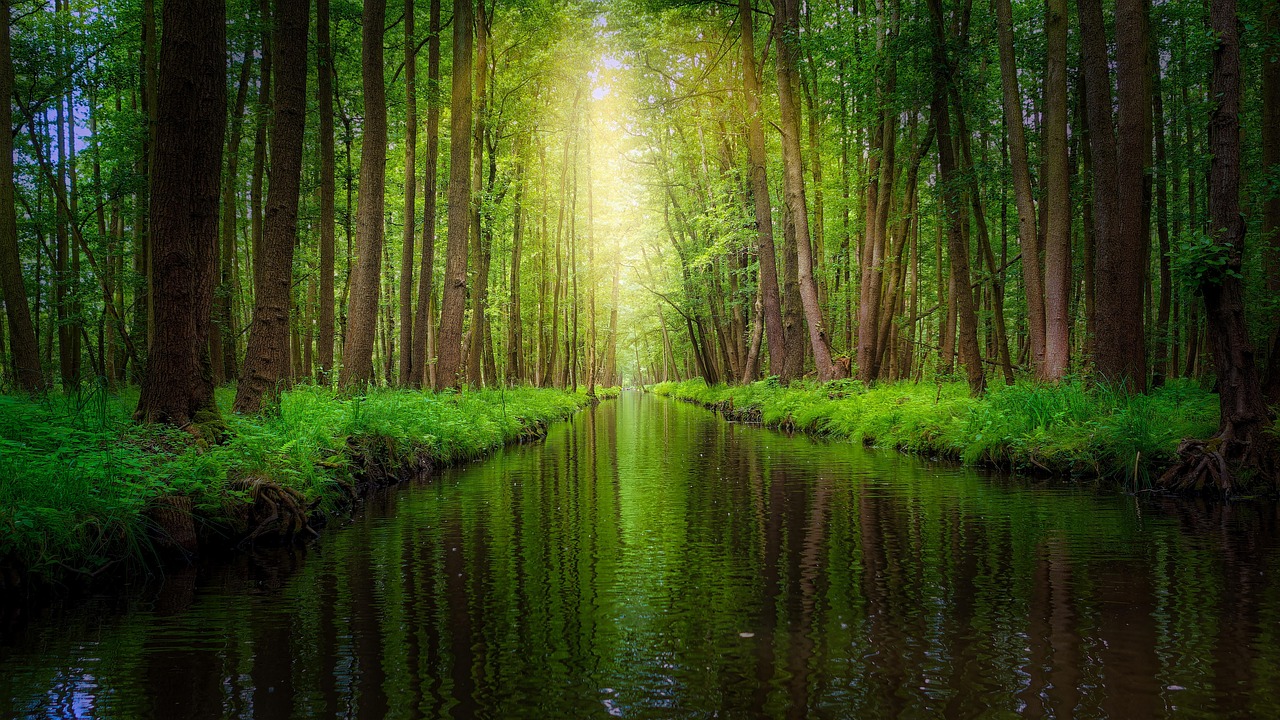
Triberg is the kind of place you picture when someone says “fairy-tale Germany” — dense, dark forested hills, half-timbered houses with flower boxes, the roar of waterfalls in the distance, and the gentle ticking of cuckoo clocks coming from shop windows.
I’ve been coming to Triberg regularly for more than a decade — sometimes for a quick weekend hiking escape, sometimes to show visiting friends “the real Black Forest,” and once simply to sit in a café overlooking the waterfalls and write for three rainy autumn days. Every time I return, I end up staying longer than planned.
Here’s why Triberg should be on your radar for 2026 and beyond:
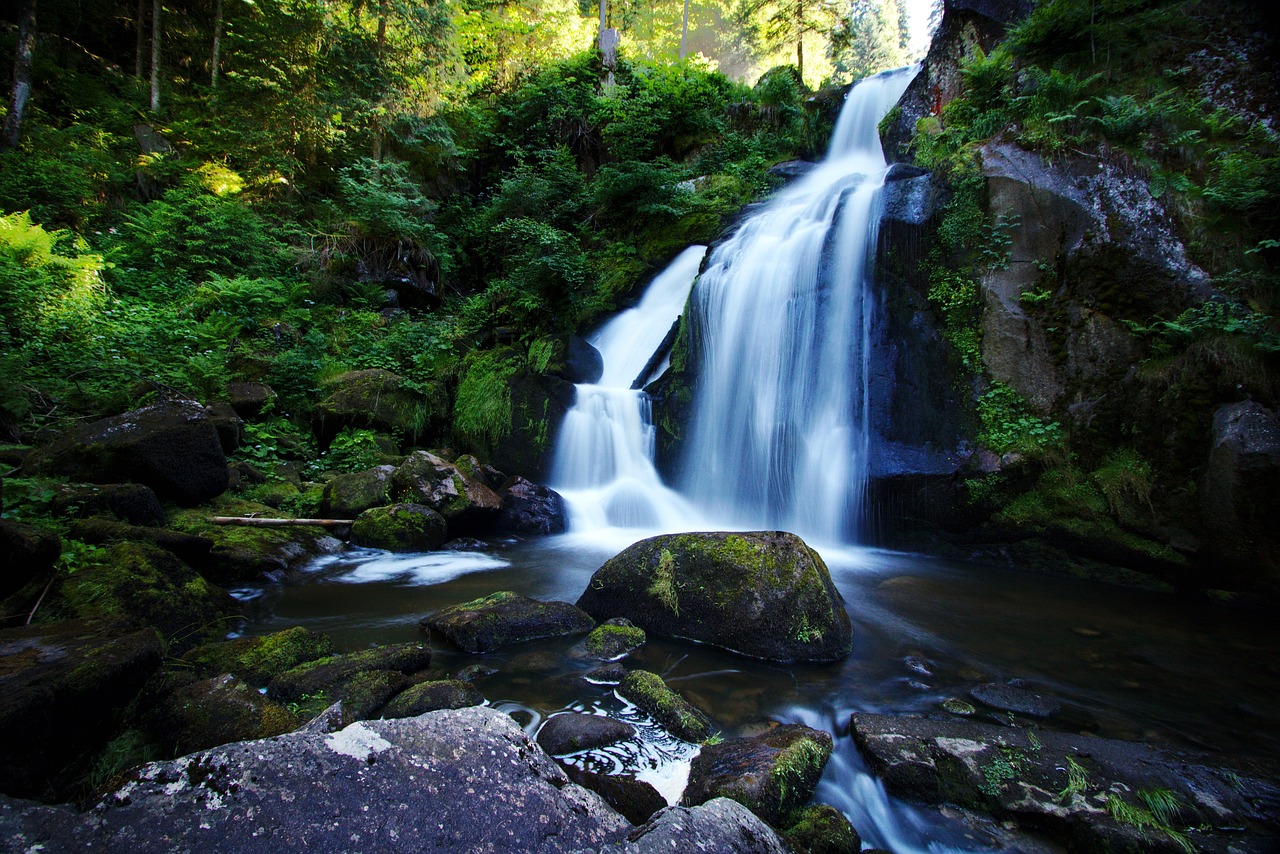
- Iconic waterfalls: Triberg boasts one of Germany’s most famous waterfalls, dropping a total of 163 meters through lush woodland.
- Cuckoo clock heritage: From giant roadside clocks to tiny family-run workshops, this is one of the spiritual homes of the cuckoo clock.
- Compact and walkable: The town is small enough to explore on foot, but surrounded by endless hiking trails, scenic viewpoints, and forest walks.
- Perfect 3–5 day base: A great hub for day trips deeper into the Black Forest, by car or train.
- Year-round appeal: Misty waterfalls in spring, lush hiking in summer, golden forests in autumn, and snow-dusted rooftops and markets in winter.
Whether you’re planning a 3 day itinerary for Triberg focused on the classics, or stretching to a 4 or 5 day itinerary to dig into hidden gems, this travel guide for Triberg will walk you through everything: must-see attractions, local food, cultural experiences, and the small details I’ve learned the hard way (like which trail stays dry after a downpour, and which bakery sells out by 10 a.m.).
Table of Contents
- Why Visit Triberg?
- Triberg at a Glance
- 3–5 Day Itineraries for Triberg
- 20+ Must-See Attractions & Hidden Gems in Triberg
- Neighborhoods & Areas to Explore
- Local Food & Drink in Triberg
- Nightlife & Cultural Experiences
- Events & Festivals in 2026–2027
- Best Day Trips from Triberg
- Practical Travel Advice for Triberg
- Summary & Best Time to Visit Triberg
Triberg at a Glance
Triberg im Schwarzwald is a small town (around 4,800 residents) in Baden-Württemberg, nestled deep in the central Black Forest. It’s best known for the Triberg Waterfalls, cuckoo clocks, and traditional Black Forest culture.
- Region: Black Forest (Schwarzwald), Germany
- Nearest bigger towns: Villingen-Schwenningen (approx. 30 min), Freiburg (approx. 1–1.5 hours)
- Best for: Nature, hiking, photography, family trips, romantic weekends, slow travel
- Ideal trip length: 3–5 days in Triberg, plus day trips
Triberg’s “skyline” is a mix of church steeples, steep-roofed houses, and hills rather than skyscrapers, but the views from the surrounding trails are spectacular.
Suggested 3–5 Day Itineraries for Triberg
These itineraries are based on my own trips over the years — what I’ve loved, what I’d skip, and how I’d structure 3, 4, or 5 days in Triberg in 2026.
3 Days in Triberg: Classic Highlights & Easy Walks
If you only have 3 days in Triberg, focus on the essential things to do in Triberg: waterfalls, cuckoo clocks, Black Forest food, and a taste of the surrounding forest trails.
Day 1: Waterfalls, Old Town & Cuckoo Clocks
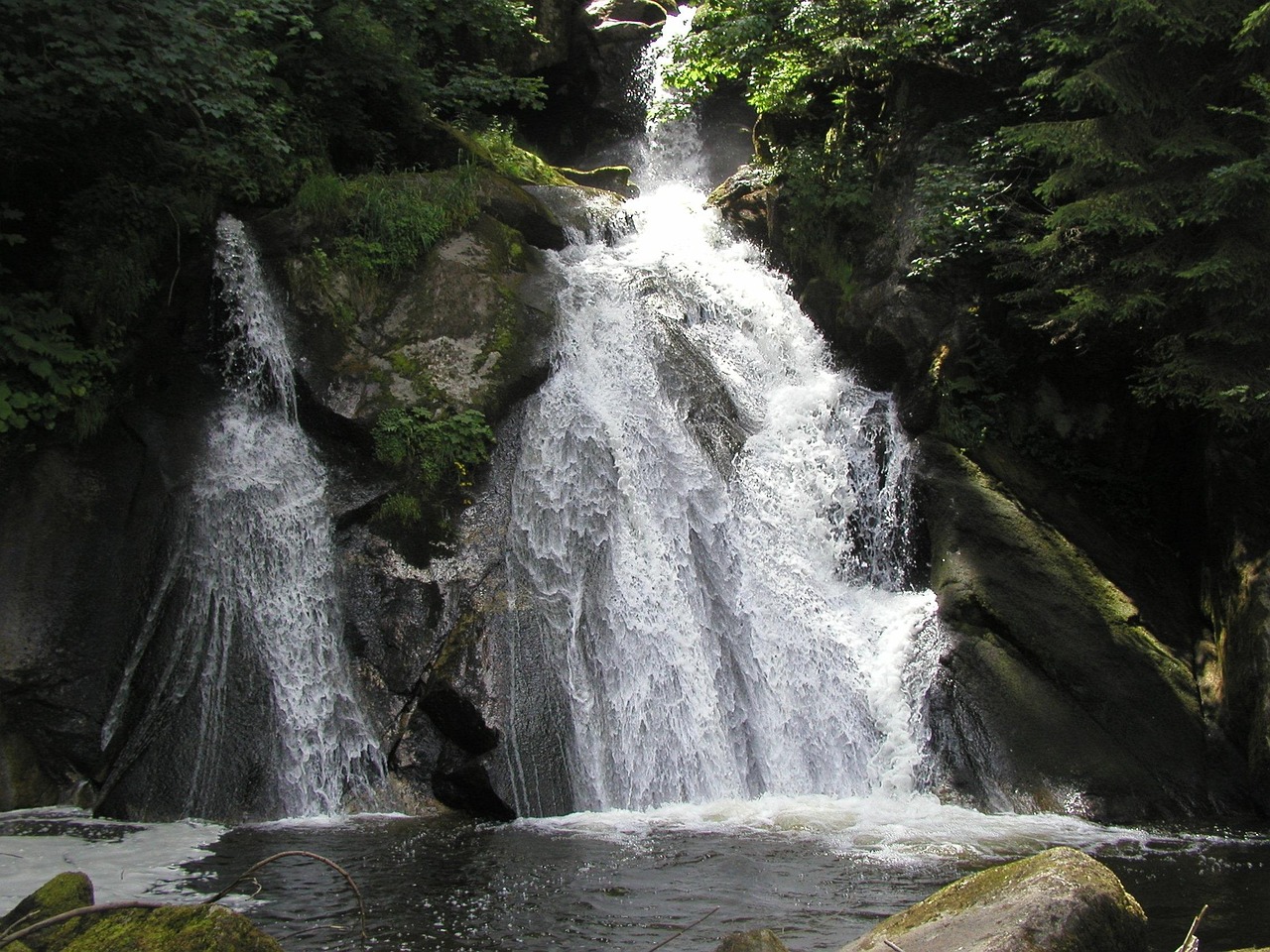
I like to start every Triberg trip exactly the same way: with the sound of rushing water. On my last spring visit, I checked into a small guesthouse near the station, dropped my bag, and walked straight toward the waterfall entrance at the edge of town.
- Morning: Triberg Waterfalls (main entrance), upper viewpoints, squirrels & birds, photo spots.
- Lunch: Traditional Black Forest meal in the town center (details in the food section).
- Afternoon: Cuckoo clock shops & world’s largest cuckoo clocks on the outskirts.
- Evening: Easy stroll through town, early dinner, and a relaxed drink.
Buy a waterfalls ticket in the morning; it’s valid all day. I usually walk up one path, down another, and take time to sit on a bench just listening to the water. Afterward, wander back into town for your first taste of local food in Triberg — think Schwarzwälder Schinken (Black Forest ham) and a huge slice of Black Forest cake.
Day 2: Forest Trails & Black Forest Museum
On my second day in Triberg I always crave the quiet of the forest. The hills are laced with hiking trails that let you leave the tourist bustle behind within minutes.
- Morning: Hike one of the circular routes above Triberg, visit viewpoints like Greiffenstein.
- Lunch: Picnic on the trail or hearty meal in a forest guesthouse.
- Afternoon: Black Forest Museum for cultural context, glasswork, costumes, and clock history.
- Evening: Casual drinks at a local bar; try a regional beer or schnapps.
This day gives you some of the best cultural experiences in Triberg with a museum visit, plus a taste of the serene Black Forest that surrounds the town.
Day 3: Scenic Drives & Nearby Viewpoints
For your final day, either stay car-free and explore more local trails, or rent a car for a classic Black Forest scenic loop.
- Morning: Visit the giant cuckoo clocks on the B33/B500, scenic overlooks, or a nearby lake.
- Lunch: Café with a view or rustic roadside guesthouse.
- Afternoon: Souvenir shopping, clock browsing, last waterfall visit if you like.
- Evening: Farewell dinner with one final Black Forest cake.
This 3 day itinerary for Triberg hits the must-see attractions in Triberg without rushing, leaving you enough time to simply linger and enjoy the atmosphere.
4 Days in Triberg: Add Hidden Gems & Longer Hikes
If you can stretch to 4 days in Triberg, you can add a deeper dive into the forest or a relaxed half-day trip without sacrificing the classics.
- Days 1–3: Follow the 3-day itinerary above.
- Day 4: Choose between:
- A longer hike across the ridges above Triberg with panoramic forest views.
- A slow, café-hopping day in town, exploring hidden gems in Triberg and back streets.
- A short day trip to a nearby village or viewpoint (see day trips section).
On my last 4-day stay in late autumn, I used the extra day to hike a longer loop through the high forest, with fog curling through the trees and almost no one else on the trail — one of my favorite Black Forest memories.
5 Days in Triberg: Slow Travel, Day Trips & Deeper Cultural Experiences
A 5 day itinerary for Triberg is ideal if you like to travel slowly, soak up local customs, and mix nature with culture. Over 5 days in Triberg you can explore the town thoroughly, venture out on at least one or two day trips, and still have downtime.
- Days 1–3: Classic highlights (waterfalls, clocks, museum, forest walks).
- Day 4: Dedicated day trip (for example, to a nearby lake or another Black Forest town).
- Day 5: Mix of:
- Local bakery breakfast & market browsing.
- Short hike to a chapel or viewpoint you haven’t seen yet.
- Relaxed lunch and one last cultural stop (e.g., church, small workshop).
- Final shopping for local specialties like ham, schnapps, or clock miniatures.
In the detailed attraction sections below, I’ll break down exactly how to fill those extra days with experiences that go beyond the usual tourist route.
20+ Must-See Attractions & Hidden Gems in Triberg
This section dives into the best places to visit in Triberg — not just as a list, but as mini stories: when I went, what I did, what I’d do differently, and how to weave each spot into your own itinerary.
1. Triberg Waterfalls (Triberger Wasserfälle)
The Triberg Waterfalls are the town’s calling card — a cascading series of falls dropping a combined 163 meters through the forest. Technically, they’re among Germany’s highest waterfalls, but what makes them special isn’t just the height; it’s the surrounding forest, the spray on your face, and the way the light filters through the trees on a sunny morning.
On my first visit, I arrived in late afternoon, which meant fewer crowds but limited light for photos. These days, I always recommend going early — around opening time — especially in summer. The paths are well-maintained but can be slippery, especially after rain or in autumn when leaves cover the ground, so wear decent shoes.
History & Significance
The waterfalls have been a tourist attraction since the 19th century, when early visitors came to “take the air” in the Black Forest. They were among the first electrified waterfalls in Europe, as the power of the water was harnessed for lighting in Triberg. This mix of natural beauty and early industrial history shows up in old photos in the local museum.
My Favorite Way to Visit
- Enter via the main entrance on the edge of town (easy walk from the center).
- Follow the middle path up first for good viewpoints and photo platforms.
- At the top, pause at the viewing bridge and, if you’re like me, just stand there listening for a while.
- Descend via a different path to see the falls from new angles.
I like to bring a small snack or picnic and find a quieter bench off the main route. In winter, the falls can be partially frozen — if you’re lucky enough to catch them like that, it feels like stepping into a fantasy novel.
Practical Tips
- Family-friendly? Yes, although some sections are steep. There are railings, but keep an eye on small kids.
- Romantic? Very — early morning or near closing time is peaceful and atmospheric.
- Best time: Spring (snowmelt, strong flow) and autumn (colorful leaves). Summer is busiest.
- Tickets: Paid entry; your ticket is often valid all day, so you can return later.
2. Black Forest Museum (Schwarzwaldmuseum)
Whenever it rains in Triberg (which happens more often than you’d think), I head straight to the Black Forest Museum. It’s one of the best ways to understand the region’s history, crafts, and traditions — and it’s much more engaging than it sounds if you’re imagining dusty displays.
Inside, you’ll find elaborate cuckoo clocks, traditional costumes, old tools, and even a model railroad. On a chilly November day a few years ago, I spent nearly two hours here, surprised at how quickly the time passed.
Why It’s Worth Your Time
- Provides context for everything you’ll see in Triberg: clocks, woodwork, costumes, and architecture.
- Great for kids — the moving exhibits and models keep them engaged.
- Perfect rainy-day or cold-weather activity.
Don’t skip the sections on winter life and early tourism in the Black Forest. Seeing photos of Triberg’s early visitors makes you appreciate how long people have been drawn here.
Tips
- Location: Short walk from the town center; easy to combine with a café stop.
- Time needed: 1–2 hours.
- Language: Exhibits typically have German with some English; even if you don’t read German, the visuals are clear.
3. World’s Largest Cuckoo Clock (Eble Uhren-Park)
A short drive or bus ride from Triberg, you’ll find one of the region’s famous “world’s largest cuckoo clocks.” The Eble family’s massive clock is built into the front of a traditional-style house; every hour, the giant bird pops out, drawing delighted crowds of kids (and, honestly, adults too).
I’ve seen it several times now, usually when I have first-time visitors with me. Is it touristy? Absolutely. Is it fun anyway? Yes, if you lean into it.
Inside the Clock
You can actually go inside the building and see the enormous clock mechanism from behind. As someone who loves seeing how things work, I found this surprisingly fascinating — gears the size of furniture, all crafted in wood and metal.
Tips
- Family-friendly? Definitely; kids love the giant cuckoo.
- Transport: Easy by car; parking available. Check local bus schedules if car-free.
- Combine with: Scenic drive along the B33 and B500, or other nearby viewpoints.
4. Another Giant Cuckoo Clock (Haus der 1000 Uhren)
Triberg and its surroundings are home to more than one “world’s largest cuckoo clock,” each claiming some slight variation on the record. Another popular stop is associated with Haus der 1000 Uhren, a well-known clock shop.
I usually recommend picking one giant clock to visit, unless you’re a serious enthusiast. Both offer photo ops and an insight into how seriously the region takes its clockmaking traditions.
5. Triberg Old Town & Hauptstraße
The heart of Triberg is its compact old town, centered around the Hauptstraße (main street). It’s a mix of traditional houses, clock shops, cafés, and bakeries. On weekend evenings in summer, there’s a gentle buzz as people stroll up and down, ice cream in hand.
When I stay in Triberg, I inevitably fall into a routine: morning walk for coffee and a pastry, midday stop for soup or salad, and an afternoon wander in and out of shops looking for the perfect small souvenir.
Highlights
- Architecture: Steep roofs, wooden balconies, and colorful facades.
- Shops: Clock shops, souvenir stores, bakeries, and small local craft boutiques.
- Atmosphere: Relaxed, especially outside peak hours; feels very safe and welcoming.
Take time to look up at the upper stories of buildings — you’ll notice carvings, ornate signs, and small architectural details that most people walk right past.
6. St. Maria Catholic Church (Wallfahrtskirche)
Perched slightly above the town, the St. Maria Church is a peaceful place to step inside and rest for a moment. The interior is calm and light, with traditional Black Forest religious art.
I’ve ducked in during rainstorms more than once, sitting at the back listening to the soft echo of footsteps and, occasionally, someone practicing the organ. It’s not grand like a big city cathedral, but its simplicity is part of its charm.
Etiquette
As with most churches in Germany, dress modestly (shoulders covered is appreciated), keep voices low, and avoid taking photos during services.
7. Greiffenstein Viewpoint
One of my favorite short hikes from Triberg leads to the Greiffenstein viewpoint, a rocky outcrop with panoramic views over the town and surrounding forest.
I usually head up here in the late afternoon; in summer, the light is beautiful as it slants across the hills. It’s a modest climb but can be steep in places, so good shoes are a must.
Why Go
- Classic “postcard” view of Triberg nestled in the valley.
- Less crowded than the waterfall paths.
- Great spot for couples looking for a quiet, romantic viewpoint.
8. Forest Trails Around Triberg
Triberg is encircled by a web of forest trails ranging from gentle strolls to longer hikes. Over the years, I’ve tried different routes in every season — from snow-covered paths in January to shady summer walks when the rest of Europe feels too hot.
Pick up a trail map from the tourist office or your accommodation; many paths are clearly signposted. You’ll find routes that suit families, older travelers, and serious hikers alike.
Personal Favorites
- Easy circular walks just above town with viewpoints and benches.
- Longer ridge hikes that connect Triberg with neighboring villages.
Bring water, a snack, and a light jacket — the weather can change quickly in the high forest.
9. Night Illumination of the Waterfalls (Seasonal)
On certain evenings (especially in summer and around special events), the Triberg Waterfalls are illuminated at night. I remember one warm July evening when I followed the lit path upwards, the falls glowing softly in colored light — it felt completely different from a daytime visit.
Check locally for current schedules in 2026; events can change year to year.
10. Triberg Christmas Magic (Triburger Weihnachtszauber)
If you visit in December, you may catch Triberg Christmas Magic, when the town and waterfall area are decorated with thousands of lights. There are stalls selling mulled wine, sausages, and local crafts. One snowy December evening, bundled up in scarf and gloves, I watched kids squeal as they tasted their first warm Gebrannte Mandeln (candied almonds).
Exact dates vary, but the atmosphere is pure winter fairytale.
11. Triberg’s Bakeries & Cake Cafés
No travel guide for Triberg is complete without mentioning cake. This town takes its Schwarzwälder Kirschtorte (Black Forest cherry cake) seriously. I’ve made it an unofficial mission to try a slice in every café over the years.
Look for cafés that use real Kirsch (cherry schnapps) from the region, genuine cream, and dark chocolate shavings. The best slices are rich but not too sweet, with a balanced kick of cherry and alcohol.
Beyond cake, local bakeries offer breads, pretzels, and seasonal pastries; it’s easy to eat well on a budget by starting your day with bakery breakfasts.
12. Local Cuckoo Clock Workshops & Small Shops
Beyond the big, touristy clock outlets, Triberg has smaller, family-run workshops where you can see actual craftspeople at work. I still remember the smell of wood and varnish in one tiny workshop I visited on a drizzly afternoon, the owner explaining (in a mix of German and patient English) how each part of the clock was carved.
These smaller shops are where you’ll find more unique pieces and genuine local craftsmanship. Prices can be higher than mass-produced clocks, but the quality and story behind each clock is much richer.
13. Black Forest Nature Park Information Center (Nearby)
In the wider region around Triberg, you’ll find information centers for the Black Forest Nature Park. They provide maps, trail advice, and exhibits on local wildlife and ecology. If you’re planning serious hiking days or traveling with kids who love animals, these centers are worth a stop.
14. Scenic Drives: B500 & Surrounding Roads
Renting a car for at least one day transforms your Triberg trip. The B500 is one of the classic Black Forest scenic roads, winding through forest and open meadows, past viewpoints and tiny villages.
I especially love driving these roads in late afternoon when the light is golden; you’ll constantly want to pull over for photos.
Driving Tips
- Roads can be winding; take it slow.
- Watch for cyclists and hikers crossing.
- In winter, check for snow/ice conditions.
15. Nearby Lakes & Picnic Spots
Within a short drive from Triberg, you can reach several small lakes and reservoirs ideal for a picnic or gentle walk. On one hot August day, I escaped the town’s (modest) heat by heading to a nearby lake, spreading out a blanket under the trees, and alternating between reading and watching ducks.
Ask at your hotel or the tourist office for current recommendations, swimming rules, and the best spots in 2026 — some lakes allow swimming, others don’t.
16. Hilltop Chapels & Wayside Crosses
As you wander the area around Triberg, you’ll come across small chapels and religious monuments tucked into the forest or perched on hillsides. I’ve stumbled on a few simply by following minor paths on my map apps — often finding a bench and a sweeping view alongside them.
These spots are wonderful for quiet reflection, photography, or a short romantic detour if you’re traveling as a couple.
17. Family Playgrounds & Mini-Golf
Triberg is very family-friendly. Several small playgrounds and sometimes a mini-golf course provide easy breaks for kids who need to run around after museum visits and hikes. On my last summer stay, I watched a family from the Netherlands turn a simple mini-golf game into a full afternoon of laughter.
18. Weekly Market & Local Produce
Smaller towns like Triberg often host weekly markets where farmers and local producers sell fresh vegetables, cheeses, meats, and sometimes homemade jams or honey. When I’m staying in an apartment with a kitchen, I like to pick up ingredients here for simple dinners.
Check locally for current market days in 2026 — they can shift or be seasonal.
19. Local Festivals & Traditional Events
Beyond the big Christmas events, Triberg and nearby villages host smaller festivals throughout the year: maypole celebrations in spring, music events in summer, and harvest or wine festivals in autumn. I once happened upon a small festival with live brass music and locals in traditional dress — the kind of serendipitous cultural experience that sticks with you.
Neighborhoods & Areas to Explore in Triberg
Triberg is small, but different parts of town have distinct vibes that matter when choosing where to stay or wander.
Town Center & Hauptstraße
This is where you’ll likely spend most of your time: clock shops, cafés, bakeries, small hotels, and easy access to the waterfalls. It’s the best base if you don’t have a car.
I usually stay here when I want to roll out of bed and be at a bakery in under five minutes.
Waterfall Area
Close to the main waterfall entrance, you’ll find a cluster of guesthouses and hotels. Staying here means waking up to the distant sound of rushing water and being among the first on the paths in the morning.
Upper Triberg & Hillside Districts
The higher residential streets above town offer quieter stays and great views, but be prepared for uphill walks. When I’ve stayed here, I’ve enjoyed evening strolls looking down at the town lights.
Outskirts & Nearby Hamlets
If you have a car and prefer more space and greenery, consider guesthouses in the surrounding hamlets. You’ll swap immediate access to shops for closer contact with fields and forest.
Local Food & Drink in Triberg
The Black Forest is hearty-food country: think rich stews, smoked ham, creamy cakes, and robust schnapps. Triberg’s restaurants and cafés give you a solid taste of regional cuisine.
What to Eat in Triberg
- Schwarzwälder Kirschtorte: Black Forest cake; try it in at least two different cafés — quality varies.
- Schwarzwälder Schinken: Smoked Black Forest ham, often served on dense bread or with pickles.
- Bratwurst & regional sausages: Excellent at markets and simple restaurants.
- Knödel & Spätzle: Dumplings and egg noodles served with meat or mushroom sauces.
- Game dishes: In autumn, look for venison or wild boar on menus.
What to Drink
- Local beer: Regional German beers are widely available and affordable.
- Kirschwasser (Kirsch): Cherry schnapps used in Black Forest cake; sip a small glass after dinner.
- Apple & fruit juices: Often locally produced and very good.
Saving Money on Food
On longer stays, I usually mix restaurant meals with self-catering:
- Breakfast: Buy rolls, cheese, and fruit from supermarkets or bakeries.
- Lunch: Picnic near the waterfalls or on a forest bench.
- Dinner: Choose one main meal out per day; portions are usually generous.
Most mid-range restaurants in Triberg are casual; no need to dress up unless you want to.
Nightlife & Cultural Experiences in Triberg
Triberg isn’t a clubbing destination — nightlife here is low-key: pubs, hotel bars, and late café evenings rather than dancing until dawn. For many visitors, that’s part of the appeal.
Evenings in Triberg
- Cozy bars: Enjoy a beer or wine in wood-paneled interiors; chat with locals or other travelers.
- Café nights: Some cafés stay open into the evening; perfect for dessert and coffee after a hike.
- Seasonal events: Concerts, folk music, or special evening openings at attractions (check locally).
Cultural Etiquette & Local Customs
Understanding local customs in Triberg makes interactions smoother:
- Greetings: A simple “Guten Tag” (good day) when entering shops or restaurants is appreciated.
- Quiet hours: Residential areas are generally quiet at night; avoid loud noise after 10 p.m.
- Tipping: Round up the bill or add about 5–10% in restaurants and bars.
- Cash vs card: Cards are increasingly accepted, but some small places still prefer cash.
- Respect for nature: Stay on marked trails, don’t pick protected plants, carry trash out with you.
People in the Black Forest can sometimes seem reserved at first, but they’re usually very helpful if you ask polite questions. A few words of German go a long way.
Events & Festivals in Triberg (2026–2027)
Exact event calendars can change, but based on recent years and local traditions, here’s what to expect in 2026–2027 (always confirm dates closer to your trip):
- Triberg Christmas Magic 2026: Late December 2026, with illuminated waterfalls, markets, and performances.
- Advent & Christmas Markets: Advent weekends in 2026 and 2027 in the town center.
- Summer Music Events: Occasional open-air concerts in July–August.
- Local Folk Festivals: Spring and autumn festivals in Triberg and neighboring villages celebrating traditional music, costumes, and regional food.
For the latest information, check the official Triberg tourism website as 2026 approaches, as well as any posted notices at the tourist information office when you arrive.
Best Day Trips from Triberg
Once you’ve enjoyed the main things to do in Triberg, consider exploring the wider Black Forest. With a car or by public transport, several great options are within reach.
1. Nearby Black Forest Towns
Other small towns in the region offer variations on the Black Forest theme: timbered houses, churches, and forest backdrops. I like to pick one or two and spend half a day just walking, photographing, and lingering in cafés.
2. Lakes & Swimming Spots
In summer, a day at a lake is a perfect contrast to forest hikes. Bring a towel, sunscreen, and a picnic, and ask locals which lakes allow swimming and have facilities.
3. Full-Day Scenic Drive
If you’re following a 4 day itinerary for Triberg or 5 days in Triberg, dedicate one day to a loop drive: winding roads, viewpoints, small villages, and maybe a farm shop or distillery along the way.
Start early, keep your schedule loose, and stop wherever looks inviting.
Practical Travel Advice for Triberg (2026)
Getting To & Around Triberg
By Train
Triberg has a train station on regional lines. Typical routes:
- From Freiburg: Regional trains with one change; about 1–1.5 hours.
- From Stuttgart: Around 2–3 hours with changes.
Once in Triberg, you can walk from the station to most accommodations in 10–20 minutes (downhill into town).
By Car
Driving gives you more flexibility for day trips and scenic drives. Parking is generally manageable, though limited in the very center. Many hotels offer guest parking.
Getting Around Town
- On foot: The town is compact; walking is the default.
- Buses: Regional buses connect Triberg with nearby towns and attractions; check schedules locally.
- Taxis: Limited but available; pre-book if you need one early or late.
SIM Cards & Connectivity
For 2026, Germany continues to have several main mobile providers (Telekom, Vodafone, O2) plus various budget brands.
- Airport purchase: Easiest if you’re flying into Germany; buy a prepaid SIM at the airport.
- Supermarkets & electronics stores: Many sell prepaid SIMs; activation often requires passport information.
- EU roaming: If you’re from another EU country, your phone plan likely works in Germany at domestic rates.
Signal in Triberg itself is generally fine, though some forest trails may have patchy coverage.
Saving Money in Triberg
- Accommodation: Book early for peak seasons; consider guesthouses slightly outside the center.
- Food: Use bakeries and supermarkets for breakfasts and some lunches.
- Transport: Look into regional day passes for trains/buses if making multiple trips.
- Attractions: Ask about combo tickets or guest cards from your hotel that include discounts.
Visa Requirements & Entry
Triberg is in Germany, which is part of the Schengen Area. Visa rules for 2026 are expected to follow current Schengen guidelines (always verify close to your trip):
- EU/EEA/Swiss citizens: No visa; travel with ID or passport.
- Many non-EU countries (e.g., US, Canada, UK, Australia, Japan): Typically visa-free for short stays (up to 90 days in 180), but you may need to register via a travel authorization system if implemented by then.
- Other nationalities: May need a Schengen visa; check with the nearest German consulate or embassy well in advance.
Carry your passport; you’ll need it for check-ins and, in some cases, to buy/activate a SIM card.
Driving & Foreign Licenses
If you plan to rent a car in 2026:
- EU licenses: Fully valid in Germany.
- Non-EU licenses: Many are accepted, especially if in Roman alphabet. An International Driving Permit (IDP) is recommended and sometimes required by rental companies, so obtain one before travel.
- Minimum age: Often 21 or 25 for rentals, with possible young driver surcharges.
Always carry your license, IDP (if applicable), passport, and rental documents when driving.
Best Seasons & What They’re Good For
- Spring (April–June): Lush greenery, strong waterfall flow, fewer crowds. Great for hiking and photography.
- Summer (July–August): Warm weather, longest days, busiest season. Ideal for families and longer forest hikes.
- Autumn (September–October): Golden forests, comfortable temps, excellent hiking. My personal favorite time.
- Winter (November–March): Quiet, possible snow, Christmas events in December. Romantic and atmospheric, but some trails may be icy.
For a balanced experience with fewer crowds, I usually recommend late May–June or September–early October.
Safety, Health & General Tips
- Safety: Triberg feels very safe; standard precautions are enough.
- Healthcare: High-quality; EU travelers should bring EHIC/GHIC cards; others should have travel insurance.
- Language: German is primary; many people in tourism speak some English.
- Weather: Can change quickly in the hills; carry a light waterproof layer, even in summer.
Summary: Key Takeaways & Final Recommendations
Triberg may be small, but it’s dense with experiences: waterfalls, clockmaking, forest trails, hearty food, and a pace of life that encourages you to slow down.
- Ideal length: 3 days in Triberg for highlights; 4–5 days in Triberg for deeper exploration and day trips.
- Must-see attractions in Triberg: Triberg Waterfalls, Black Forest Museum, at least one giant cuckoo clock, old town and viewpoints.
- Best experiences: Early-morning waterfall walks, afternoon forest hikes, Black Forest cake in a cozy café, and evening strolls through town.
- Best time to visit: Late spring and early autumn for balanced weather and fewer crowds; December if you love Christmas markets and winter charm.
Whether you come for a quick 3 day itinerary for Triberg or linger for a 5 day itinerary, the town has a way of slipping under your skin. I still find new trails and small discoveries every time I return — and I suspect you’ll leave already planning your next visit.