Why Visit Triberg Waterfalls?
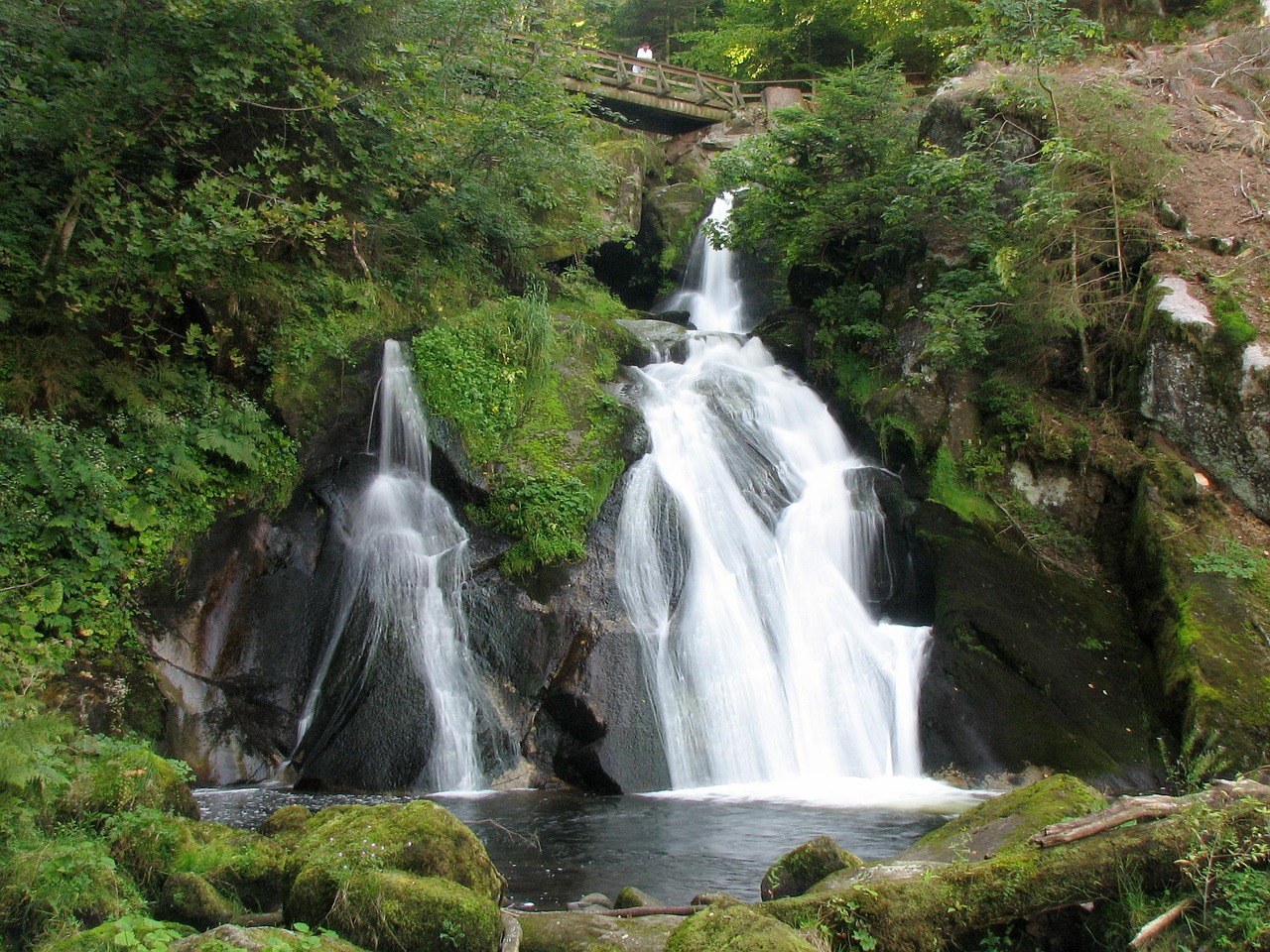
I keep coming back to Triberg Waterfalls for the same reason most people fall in love with the Black Forest: the sound. That low, constant roar of water tumbling over granite — Germany’s highest accessible waterfalls, framed by dark fir trees and mossy boulders — is the soundtrack of this little town. Triberg isn’t just another “stop for a quick photo” destination; if you give it at least one full day (ideally two or three), it reveals a layered mix of nature, folklore, cuckoo-clock kitsch, and genuinely warm local hospitality.
My first visit was in winter, when the cascades were framed with ice and the town smelled like roasted chestnuts and mulled wine. I’ve been back most years since, in all seasons, and the falls are a completely different experience each time: roaring brown torrents during spring snowmelt, a green haven in summer, golden and misty in autumn. Each visit has shaped this long-form travel guide to Triberg Waterfalls for 2026, grounded in repeated stays, trial-and-error planning, and more slices of Schwarzwälder Kirschtorte than I should publicly admit.
This guide is for travelers who want more than a quick snapshot: detailed 1 day, 2 day, and 3 day itineraries for Triberg Waterfalls, thoughtful travel tips for Triberg Waterfalls, and my personal take on the best places to visit in Triberg Waterfalls, from classic viewpoints to quiet forest corners only locals really use.
Table of Contents
- Why Visit Triberg Waterfalls in 2026
- Essential Overview: How to Visit Triberg Waterfalls
- Itineraries: 1–3 Days in Triberg Waterfalls
- The 8 Key Sections & Viewpoints Around Triberg Waterfalls
- Where to Eat & Drink Around Triberg Waterfalls
- Where to Stay Near Triberg Waterfalls
- Triberg Waterfalls After Dark & Off-Hours
- Day Trips & Nearby Attractions
- Cultural Experiences, Local Customs & Etiquette
- What’s New in 2026–2027: Events & Festivals
- Practical Travel Advice for Triberg Waterfalls
- Tickets, Opening Hours & On-Site Logistics
- Best Time to Visit Triberg Waterfalls
- Summary & Final Recommendations
Essential Overview: How to Visit Triberg Waterfalls
Triberg Waterfalls (Triberger Wasserfälle) are a series of seven cascades of the Gutach River, dropping a total of around 163 meters through dense Black Forest. What matters as a visitor isn’t the raw number, but how accessible and immersive they are: you walk right alongside the water, crossing bridges, standing on wooden platforms, leaning over railings with spray on your face.
The waterfalls are fenced and ticketed, with three main entrances and several color-coded walking routes:
- Main Entrance (Haupteingang): closest to Triberg town center; most people start here. Best for a 1 day itinerary for Triberg Waterfalls.
- Admiß Entrance (Upper): higher up the hill; good if you’re driving and want to start at the top and walk down.
- Scheffelplatz Entrance: quieter side entrance, useful in peak summer.
Paths are mostly paved or well‑gravelled, with railings, benches, and frequent squirrel-feeding spots (yes, they’re spoiled and yes, you’ll be tempted to spoil them more). Families, couples, solo travelers, and even older visitors with moderate mobility can manage the main route.
Most visitors spend 1–2 hours at the falls. I’d suggest half a day minimum, more if you like photography, forest walks, or traveling at a relaxed pace.
Itineraries: 1–3 Days in Triberg Waterfalls
These are field-tested itineraries based on several trips between 2018 and 2025, updated for 2026. They weave in the must-see attractions in Triberg Waterfalls alongside quieter local experiences.
1 Day Itinerary for Triberg Waterfalls
If you only have 1 day in Triberg Waterfalls, focus on the core: the falls themselves, a taste of the town, and one or two cultural stops. This is perfect for families on a Black Forest road trip or couples on a short romantic detour.
Morning: Early Start at the Main Entrance
On my most recent one-day visit in late September, I arrived on the 08:28 train from Offenburg, walked up the gentle hill through town, and was at the Main Entrance just before opening time. That first 30 minutes before the tour buses arrive is magic: the sound of the water is unbroken, and you can photograph the lower falls without anyone in your shots.
Buy your ticket at the booth (or scan a pre-booked QR code — more on tickets later), grab a trail map, and walk straight to the first big viewpoint platform over the Lower Falls. From here, the water fans out over dark rock in multiple steps. I like to stand slightly back on the left side of the platform, where the rail curves; you get a wide view that captures both waterfall and forest.
Walking the Main Path
Follow the paved path as it zigzags up the slope. This is where you start to understand why Triberg is so beloved for families: the gradients are moderate, there are frequent benches, and the squirrels provide reliable entertainment. Bring a small bag of unsalted nuts if you want to see them up close — but use an open palm and keep it brief so they don’t swarm you.
I usually allow 2–2.5 hours for the main loop from the bottom entrance up to the Upper Falls and back down via an alternate path. That includes plenty of stops for photos and just listening to the water. If you’re short on time, you can do a condensed loop in about 90 minutes, but it feels rushed.
Midday: Town Center & Lunch
By late morning, come back out the Main Entrance and descend into town for lunch. The main street, Hauptstraße, is lined with cuckoo clock shops and cafés, but not all are equal. I tend to bypass the closest tourist traps and walk 5–7 minutes further along the main strip or slightly up the side streets.
Two good lunch strategies for a 1 day itinerary:
- Hearty Black Forest meal – order Schwarzwälder Schinken (smoked ham) with farmhouse bread, or a venison dish in season. Pair it with a local pils or wheat beer.
- Light & sweet – soup or salad plus a slice of Black Forest cake for dessert. I almost always opt for the latter; this is cake country after all.
Afternoon: Black Forest Museum & Cuckoo Culture
After lunch, walk to the Black Forest Museum (Schwarzwaldmuseum), just a few minutes from the main falls entrance. This small but carefully curated museum covers regional history, traditional costumes, woodcarving, and the evolution of cuckoo clocks.
I recommend at least an hour here. Don’t miss:
- The room of historic mechanical instruments – ask for a demonstration if it’s not too busy.
- The displays on Black Forest winters – they give context to why the area feels so self-contained.
Late Afternoon: Maria in der Tanne
From the museum, it’s a short uphill stroll to Maria in der Tanne, a Baroque pilgrimage church whose story is deeply woven into local identity. According to legend, miraculous healings occurred here in the 17th century when people prayed before an image of the Virgin Mary in a fir tree. The church you see now dates from the early 18th century.
Inside, the atmosphere is serene and slightly dim, with richly painted ceilings and golden details. I like to sit in the back pew for a few minutes, listening to the creak of the wooden floor as other visitors come and go. Even if you’re not religious, it’s a poignant reminder that this forest has long been seen as spiritually charged, not just picturesque.
Evening: Cake, Souvenirs & Sunset Glimpse
End your 1 day in Triberg Waterfalls with a final walk through town. Pick up a small, locally made souvenir — a hand-carved ornament or a tiny cuckoo-clock magnet — and grab one more coffee or glass of wine on a terrace if the weather’s good.
If it’s summer and the waterfalls are open later, you might slip in for a quick second visit at golden hour, when the low sun slants through the trees. There’s a shift in color that’s hard to capture on camera but lovely to experience: greens turn more intense, and the water looks almost copper in patches.
2 Day Itinerary for Triberg Waterfalls
2 days in Triberg Waterfalls lets you deepen the experience: explore alternative entrances, linger in the forest, and venture a bit further afield. This is my recommended minimum for photography lovers, couples seeking a relaxed romantic getaway, or families traveling at a gentler pace.
Day 1: Classic Triberg – Falls, Town & Museum
Use the 1 day itinerary for Triberg Waterfalls as your Day 1, but slow it down. On my last two-day stay, I spent extra time on the forest benches, watching mist drift up from the cascades and listening to my kids try to count how many steps we’d climbed (they lost track around 200).
Day 2 Morning: Upper Entrance & Forest Plateau
On your second morning, drive or take a local bus/taxi up to the Admiß (Upper) Entrance. This side feels more “local” and less busy, especially before 11:00. Starting from the top changes the rhythm: instead of gradually climbing toward more dramatic viewpoints, you begin with an expansive view over the forest canopy and then descend toward the roar.
Walk the Upper Falls loop first (details in the dedicated section below), then meander onto one of the extended forest trails that branch off from the plateau. I like the path that skirts away from the main tourist routes and dips into quieter woodland, where you hear more bird calls than human voices.
Lunch: Picnic in the Forest
With two days, you have time for a proper forest picnic. Before heading to the upper entrance, pick up bread, cheese, local ham, and fruit from a bakery or supermarket in town. There are designated picnic spots outside the paid waterfall area (inside, be discreet and follow any posted rules about where you can sit and eat).
One of my favorite lunches in Triberg was under a stand of tall firs just beyond the formal paths, with a thermos of coffee and a slice of leftover cake from the day before. It cost almost nothing and felt more luxurious than any restaurant meal.
Afternoon: Giant Cuckoo Clocks & Scenic Drive
In the afternoon, explore the giant cuckoo clocks just outside Triberg. There are a couple of contenders for the title of “world’s largest,” and while the marketing can be over-the-top, the craftsmanship is genuinely impressive.
From there, if you have a car, take a slow drive along one of the scenic Black Forest routes (such as the B500 segments), stopping at viewpoints for photos. In 2024 I did this on a gray afternoon when the waterfalls were shrouded in mist; the drive offered wide-open views and a nice contrast to the enclosed valley.
Evening: Night Illumination (Seasonal)
In summer and early autumn, the waterfalls often stay open later and are illuminated after dark. Check the latest 2026–2027 events section, as the town sometimes adds themed light shows or extended openings. I’ve walked the lower paths around 21:30 in July, with the water lit in soft white and amber; it’s theatrical but still tasteful, and very atmospheric for couples.
3 Day Itinerary for Triberg Waterfalls
With 3 days in Triberg Waterfalls, you can fully settle into the rhythm of the Black Forest: slow mornings, forest hikes, cultural side trips, and time to just sit with a coffee and watch the swirl of day-trippers come and go while you stay put.
Day 1: Immersive Waterfalls Day
Start with the classic 1 day itinerary, but treat it as a flexible outline rather than a checklist. On my last three-day stay, I spent almost four hours just on the waterfalls themselves, looping back to favorite viewpoints and experimenting with long-exposure photography at different times of day.
Day 2: Extended Forest Trails & Village Life
Devote your second day to the broader forest around Triberg. Instead of focusing only on the main cascades, pick one of the longer trails that branch from the upper plateau or nearby trailheads. Pack a light daypack, wear proper hiking shoes, and give yourself the luxury of getting slightly lost (with a map or offline app to guide you back, of course).
In the late afternoon, return to town and linger at a café where locals actually sit once the buses leave. There’s a quiet satisfaction in recognizing faces — the same shopkeeper arranging clocks, the same older couple out for their afternoon walk — that comes only when you’ve stayed a couple of nights.
Day 3: Day Trip & Deep-Dive Culture
Use your third day for a day trip from Triberg Waterfalls. Options include:
- Schonach & Rohrhardsberg – for quieter forest and cross-country ski trails in winter.
- Furtwangen – home to the German Clock Museum, a must for horology fans.
- Villingen-Schwenningen – a larger town with well-preserved medieval streets and more dining options.
Return to Triberg for a final sunset or evening waterfall walk, and one last slice of Black Forest cake as a farewell ritual. On my last trip, I did exactly this: a quick visit to Furtwangen, then back for a sunset stroll along the lower paths, where the water glowed golden and the air smelled of damp earth and pine.
The 8 Key Sections & Viewpoints Around Triberg Waterfalls
These are the specific parts of Triberg that I return to on every visit. Think of them as “rooms” in a natural cathedral: each has its own atmosphere, story, and ideal time of day.
1. Main Entrance & Lower Falls Path
The Main Entrance is where most visitors start, just uphill from Triberg’s main street. You pass the ticket booth, a small souvenir kiosk, and a cluster of info boards that explain route options. The air immediately feels cooler and more humid as you step under the trees.
The lower path is wide and paved, suitable for strollers and families with younger children. Within a few minutes you reach the first big viewpoint: a platform that juts out toward the Lower Falls, giving a classic “this is Triberg” shot. This is the establishing view you’ve likely seen in travel brochures — but in person, the scale is more impressive. The noise of the water drowns out most conversation, and tiny drops of spray drift through the air on windy days.
From here, the path zigzags up via short switchbacks. Along the way:
- Benches positioned for both views and people-watching.
- Squirrel-feeding spots – look for signs reminding you not to overdo it.
- Photo niches – small cutouts in the forest where the view opens unexpectedly.
On my 2025 summer visit, I walked this stretch three times in one day: early morning, mid-afternoon, and at dusk. Each time, the mood was different. In the morning, the light angled in from the east, turning the spray into fine gold dust. Midday was bright and lively, full of families and a polyglot mix of languages. At dusk, things quieted; just a handful of couples and solo travelers lingered, and the falls felt almost contemplative.
How long to spend: 45–60 minutes if you’re walking slowly, longer if you stop often for photos.
Best time of day: Early morning for solitude; late afternoon for warm light; dusk for a romantic atmosphere.
2. Middle Falls & Panoramic Bridge
Climb further and you reach the Middle Falls, arguably the most photogenic section. Here, the water squeezes through a narrower channel, bouncing off angular rocks and creating a more dynamic flow. A wooden or metal bridge (depending on ongoing maintenance) crosses in front of the falls, offering a sideways view with real depth.
This is where I tend to linger with my camera. There’s a sweet spot on the bridge railing where you can frame the water, trees, and a hint of sky. On one visit in April, I spent nearly half an hour there, waiting for a gap between tour groups so I could capture the scene empty. A local couple eventually joined me and we ended up swapping photo tips and restaurant recommendations — the kind of spontaneous connection that often happens in “pause points” like this.
Tips:
- If you have a tripod, use the rail as a stabilizer instead; tripods can be cumbersome on busy paths.
- Watch for slippery patches in rainy weather; the mist plus foot traffic can make the bridge slick.
How long to spend: 30–45 minutes if you’re into photography; 15–20 minutes for a quick look.
Best time of day: Late morning or early afternoon, when the sun is higher and less likely to create harsh shadows in the gorge.
3. Upper Falls & Forest Plateau
Continue upward and the roar of the water softens a bit as you reach the Upper Falls. The cascades here are more broken and interspersed with moss-covered rocks and small pools. The path narrows in places but remains well-maintained, with steps and railings where needed.
Above the upper cascades, the terrain opens into a forest plateau crisscrossed with additional trails. The sense of enclosure you feel near the lower falls gives way to something more spacious; the sunlight penetrates more, the trees are sparser, and the river seems calmer.
On a misty November afternoon, I walked this area almost alone. Fallen leaves muffled my steps, and every so often I’d hear a faint clang from town below — a cuckoo clock chiming the hour, carried up the valley. It was one of those small, perfect travel moments: the intersection of nature, culture, and season in a single sensory impression.
How long to spend: 45–90 minutes to explore the upper cascades and plateau, more if you follow extended trails.
Best time of day: Midday to mid-afternoon, when the higher, more open area catches more light.
4. Nature Trail & Ecological Stations
Branching off from the main routes, you’ll find a nature trail with interpretive signs explaining Black Forest ecology, local wildlife, and forest management. These panels are usually in German and sometimes English; I’ve learned more about spruce bark beetles and traditional forestry methods here than I expected to on a waterfall visit.
This is a particularly family-friendly section. Kids like hunting for the next sign or spotting the plant or animal being described. On one summer visit, a ranger was giving an informal talk about how climate change is affecting snow patterns and river flow in the region — sobering, but fascinating, and it added depth to what might otherwise have been a purely scenic walk.
How long to spend: 30–60 minutes, depending on how much you read and whether any guided activities are happening.
Best time of day: Anytime; the forest canopy keeps this route relatively shaded and cool.
5. Black Forest Museum (Schwarzwaldmuseum)
Located just below the falls, the Black Forest Museum is more than a rainy-day fallback; it’s a compact immersion into regional identity. Exhibits cover everything from traditional dress and crafts to mining history and folk music.
My favorite room is the one filled with mechanical music instruments: orchestrions, barrel organs, and elaborate devices that blur the line between engineering and art. When they’re demonstrated, the room comes alive with a slightly eerie, old-world sound that fits perfectly with the Black Forest’s reputation for fairytales and folklore.
Another standout is the section on winter life in the forest. The black-and-white photos of snow-clad villages and frozen waterfalls give context to the Christmas markets and winter festivals that still define the region’s rhythm.
How long to spend: 60–90 minutes.
Best time of day: Midday or afternoon, especially if the weather turns rainy or very hot.
6. Triberg Town Center & Cuckoo Clock Culture
Triberg’s town center is essentially one long main street climbing the hill. At first glance it can seem dominated by souvenir shops, many selling similar-looking cuckoo clocks. Look closer and you’ll notice differences: some shops feature mass-produced items, while others showcase locally crafted clocks with detailed woodcarving and unique designs.
I like to step into a few shops not to buy, but to chat. Clockmakers here are proud of their work; ask about the difference between mechanical and quartz movements, or how long it takes to carve a particular model, and you’ll often get an enthusiastic mini-lecture. One elderly craftsman showed me photos of his grandfather’s workshop, and suddenly the rows of clocks felt less like trinkets and more like the visible edge of a long tradition.
Away from the busiest stretch, you’ll find:
- Small cafés where locals linger over coffee and cake.
- Bakery-cafés with excellent bread and pastries for picnics.
- Modest but friendly guesthouses with flower-laden balconies.
How long to spend: 1–2 hours for a wander, plus extra for meals.
Best time of day: Late afternoon, when most day-trippers are still around but the light is softening; or evening, when the town quiets down and feels more local.
7. Maria in der Tanne Church & Pilgrim Path
Perched slightly above town, Maria in der Tanne is easy to overlook, yet it’s one of the most moving places in Triberg. The church’s origins go back to reported healings in the 17th century, when people prayed before a Marian image in a fir tree (hence “in der Tanne”). The current Baroque building, with its ornate interior, dates from the early 1700s.
The approach is a short walk up from the main street, but it feels like a small pilgrimage. On one December visit, snowflakes were drifting down, and the church’s warm interior — lit by candles, with the faint scent of incense — felt like stepping into another world. A few locals sat scattered through the pews, some clearly regulars. I sat near the back and simply listened to the quiet.
Even if you’re not religious, the church adds a layer of meaning to the landscape. The Black Forest has always been a place of stories and spirits, and this is where you see that spiritual thread woven into everyday life.
How long to spend: 20–40 minutes, more if you sit and reflect.
Best time of day: Late afternoon or early evening; check for any posted service times and be respectful if one is in progress.
8. Giant Cuckoo Clocks & Nearby Forest Walks
Just outside Triberg proper, along the road toward nearby villages, you’ll find a couple of giant cuckoo clocks that vie for the title of “world’s largest.” They’re unabashedly touristy — big wooden façades, flashing signs, timed cuckoo calls — but there’s also something endearingly earnest about them.
I usually combine a quick stop at one of these clocks with a short forest walk nearby. Some have small trails starting behind or across the road, leading into quieter stands of trees. After the concentrated energy of the main waterfalls area, these side walks feel more meditative.
How long to spend: 30–60 minutes for the clocks; longer if you add a forest walk.
Best time of day: Late morning or afternoon, as part of a broader drive or day trip.
Where to Eat & Drink Around Triberg Waterfalls
Triberg’s food scene is small but satisfying if you know where to look. The immediate radius around the Main Entrance has a few obvious tourist cafés — handy in a pinch, but not where locals tend to eat. Walk a few minutes further along the main street or up side lanes and you’ll find more character.
Closer but Worthwhile
Within a 5–10 minute walk of the falls, I look for:
- Family-run guesthouse restaurants serving regional dishes: Spätzle, venison in season, or trout from local streams.
- Cafés that bake their own Schwarzwälder Kirschtorte (Black Forest cake) rather than serving factory-made slices. You can usually tell by the texture and the kirsch (cherry brandy) aroma.
What to Eat
- Black Forest ham (Schwarzwälder Schinken) – smoked and cured, often served with rye bread and pickles.
- Black Forest cake – layers of chocolate sponge, whipped cream, and cherries, often with a splash of kirsch.
- Game dishes – venison or wild boar, especially in autumn and winter.
- Hearty soups and stews – perfect after a chilly waterfall walk.
What to Bring Into the Falls
Inside the waterfalls area, there are a few kiosks and sometimes small stands in peak season, but they’re limited. I usually bring:
- A refillable water bottle (there are taps and fountains in town).
- A small snack: a roll, fruit, or energy bar.
- A thermos of coffee or tea in shoulder seasons — it makes bench breaks surprisingly cozy.
There’s no formal ban on food, but be discreet, pack out all trash, and avoid feeding wildlife beyond the occasional nut for squirrels where allowed.
Where to Stay Near Triberg Waterfalls
After several stays in and around Triberg, I’ve found that where you sleep shapes your experience as much as what you do.
Staying in Triberg Town
Pros:
- Walkable access to the waterfalls and museum.
- Evening and early-morning visits to the falls without driving.
- Easy access to restaurants and shops.
Cons:
- More day-trip crowds during peak season.
- Parking can be tight in high summer.
In town, I prefer small, family-run guesthouses with balconies overlooking the valley. Many include breakfast — cold cuts, cheese, bread, boiled eggs — which fuels a morning hike nicely.
Staying in Nearby Villages
If you have a car, consider staying in a nearby village. Advantages include quieter evenings, more spacious rooms, and often better value.
On one trip, I stayed in a farmhouse-style B&B about 10 minutes’ drive from Triberg. Mornings started with cowbells in the distance and mist in the fields; by 09:00 I’d be at the falls before most visitors arrived. It felt like having the best of both worlds: rural calm and easy access to the action.
Booking Tips for 2026
- High season (June–September, plus Christmas market weeks): book at least 2–3 months ahead, especially weekends.
- Shoulder seasons (April–May, October): more flexibility; last-minute deals possible midweek.
- Winter: quieter but check for seasonal closures and confirm heating details.
Triberg Waterfalls After Dark & Off-Hours
Triberg after dark is more atmospheric than many visitors realize. Once the buses leave, the town’s neon cuckoo-clock signs dim, and the forest reclaims the soundscape.
Night Illumination
In high season (typically late spring to early autumn), the waterfalls are often lit at night with soft white or amber lighting. Some years, there are special events — music performances or themed light shows. For 2026–2027, check local listings as programming can change, but expect at least basic night lighting on weekends in peak months.
Walking the lower paths around 21:00–22:00, I’ve often had long stretches almost to myself. The lit water against the dark trees feels both theatrical and intimate — particularly romantic for couples.
Golden Hour & Blue Hour
- Golden hour (just before sunset): best for warm-toned photos of the lower and middle falls, with sun filtering through the trees.
- Blue hour (just after sunset): the water takes on a silvery tone, and long exposures can be stunning.
- Dawn: exceptionally quiet; ideal if you’re staying in town and can be at the entrance right at opening.
On a clear late-September morning, I entered just after opening and walked up alone. The only sounds were the river and birds; it felt like I’d stumbled into the forest before it had fully woken up. By the time I came down, the first groups were starting to arrive — a satisfying feeling of having gotten something special.
Day Trips & Nearby Attractions from Triberg Waterfalls
Triberg makes a good base for exploring the central Black Forest. With 2–3 days, consider these day trips from Triberg Waterfalls:
Furtwangen & German Clock Museum
About 20–30 minutes by car or bus, Furtwangen is home to the German Clock Museum (Deutsches Uhrenmuseum). If the clocks in Triberg sparked your curiosity, this is the deep dive: everything from simple wooden mechanisms to ornate masterpieces, with hands-on exhibits and clear explanations.
Tip: Combine a morning at the museum with an afternoon hike on nearby trails; the area around Furtwangen is less crowded than Triberg but equally scenic.
Schonach & Rohrhardsberg
Schonach, just up the road from Triberg, offers cross-country ski trails in winter and peaceful forest walks in summer. From here, you can access the Rohrhardsberg nature area, which feels wilder and more open than the steep Triberg valley.
On a sunny May afternoon, I walked a loop above Schonach that alternated between forest and open meadows, with wide views toward distant hills. It was a pleasing counterpoint to the vertical drama of the waterfalls.
Villingen-Schwenningen
About 30–40 minutes by car or train, Villingen-Schwenningen offers a more urban contrast: a charming historic center (Villingen) with medieval walls and towers, plus more extensive shopping and dining. It’s a good option if you’re in Triberg for several days and crave a broader scene.
Cultural Experiences, Local Customs & Etiquette
Triberg sits in the heart of the Black Forest, a region with strong traditions and a slightly reserved but warm-hearted culture.
Local Customs & Everyday Etiquette
- Greetings: A simple “Guten Tag” or “Hallo” when entering shops or cafés is appreciated.
- Punctuality: Trains, buses, and guided tours value on-time arrivals; aim to be a few minutes early.
- Quiet in churches: At places like Maria in der Tanne, speak softly, remove hats, and avoid flash photography.
- Nature respect: Stay on marked paths, don’t pick flowers or disturb wildlife, and pack out all trash.
Cultural Experiences
- Black Forest costume displays in the museum: look for the iconic Bollenhut hats with red (unmarried) or black (married) woolen pompoms.
- Local festivals: many villages hold seasonal events with music, dancing, and regional food. Check notice boards in Triberg for what’s on during your visit.
- Clockmaker demos: some shops offer live demonstrations of carving or assembly.
What’s New in 2026–2027: Events & Festivals
While specific dates can shift, here are patterns and expected highlights for 2026–2027 in and around Triberg (always confirm closer to travel dates):
- Summer Waterfall Nights (2026): Extended opening hours on selected weekends June–September, with night illumination and occasional live music near the lower entrance.
- Black Forest Folk & Music Events: Periodic concerts in churches and community halls, plus open-air performances in summer.
- Christmas Market Season (late Nov–Dec 2026 & 2027): Triberg and nearby towns host atmospheric markets with lights, mulled wine, and seasonal foods. Some years feature special winter waterfall openings with ice and snow effects.
- Regional Hiking & Nature Weeks: The Schwarzwald region periodically promotes guided hikes, nature talks, and eco-activities; Triberg often participates with themed walks around the falls.
By 2026, there’s also increased emphasis on sustainable tourism in the region: better marked hiking routes, information on public transport access, and educational signage about protecting the forest ecosystem.
Practical Travel Advice for Triberg Waterfalls
How to Get to Triberg Waterfalls
By Train: Triberg has a railway station on the Black Forest line. From larger hubs like Offenburg or Freiburg, regional trains run regularly. From the station, it’s about a 10–15 minute uphill walk to the main entrance.
By Car: Driving gives flexibility for day trips. Roads are generally good but can be winding. Parking is available near the falls and around town, with fees in central areas.
Getting Around
- On foot: Triberg itself is compact; expect hills but manageable distances.
- Local buses: Connect Triberg with nearby villages and trailheads; timetables thin out in evenings and on Sundays.
- Car rental: Handy if you want to explore more remote parts of the Black Forest; pick up in larger cities and drive in.
SIM Cards & Connectivity
Germany has good mobile coverage, though some forested areas can be patchy. For visitors:
- EU residents: Roaming often included; check your plan.
- Non-EU visitors: Buy a prepaid SIM (e.g., Telekom, Vodafone, O2) at airports, big train stations, or electronics shops in larger towns before reaching Triberg.
Visa Requirements & Driving Licences
Visas: Germany is part of the Schengen Area. Many nationalities can enter visa‑free for short stays; others need a Schengen visa. Always check the latest rules before travel.
Driving licences: EU licences are valid. Many non-EU visitors can drive with their home licence for a limited period; an International Driving Permit (IDP) is often recommended or required depending on your country of origin.
Money-Saving Tips
- Use regional train passes for day-trip savings.
- Stay in guesthouses with breakfast included.
- Pack picnics for lunches at the falls.
- Visit in shoulder seasons (spring or autumn) for lower accommodation prices.
Triberg Waterfalls Tickets, Opening Hours & On-Site Logistics
Ticket Types & Entry
Access to the waterfalls is via a paid ticket. In 2026, you can typically:
- Buy tickets on-site at any entrance.
- Purchase online in advance and scan a QR code at the gate.
Tickets generally cover all main entrances and paths for the day. Combined tickets with the Black Forest Museum are sometimes offered; check current combos to save a bit.
Reservations & Peak Hours
You usually don’t need timed reservations, but in the busiest summer weeks or special event days, the town may trial crowd-management measures. As of 2026, expect:
- Peak hours: roughly 10:30–15:30, especially on sunny weekends and school holidays.
- Quieter times: opening hour until about 10:00, and the last 1–2 hours before closing.
Opening Hours
Exact hours vary by season, but broadly:
- Summer: longer hours, sometimes into the evening with illumination.
- Shoulder seasons: standard daytime hours.
- Winter: shorter hours, with possible temporary closures in severe weather.
Always check the official Triberg tourism website or local information boards for up-to-date details, especially in winter.
Dress Code, Behaviour & Photography
- Dress: No formal code, but wear sturdy shoes with good grip. Paths can be wet and slippery.
- Clothing layers: The valley can feel cooler and damper than town; bring a light waterproof in shoulder seasons.
- Photography: Allowed almost everywhere on the falls. Tripods are fine if you’re considerate and don’t block paths; avoid flash in museums and churches.
Accessibility
The lower sections are relatively accessible, with paved paths and moderate inclines. Higher sections involve steeper slopes and steps. Wheelchair users and those with limited mobility can still enjoy some viewpoints near the main entrance; check local maps for clearly marked accessible routes.
Security & Queue Times
Security is generally light: you may see bag checks during major events but rarely otherwise. Queues at the main entrance can form in peak season mid-morning; I’ve rarely waited more than 10–15 minutes, and often walked straight in when arriving early or late in the day.
Best Time to Visit Triberg Waterfalls
The waterfalls are a year-round destination, but the experience shifts dramatically with the seasons.
Spring (April–May)
Snowmelt swells the Gutach River, making the falls especially powerful. Forest greens are fresh and bright. Expect changeable weather: sun, showers, and occasional mist. Great for photographers and hikers who don’t mind a bit of mud.
Summer (June–August)
Warm weather, long days, and full tourist services. Ideal for families and first-time visitors wanting guaranteed access and night illumination. Also the busiest time; use early mornings and late afternoons to avoid crowds.
Autumn (September–October)
My personal favorite. The forest turns gold and red, the air is crisp, and visitor numbers dip after school holidays. This is the best season for a 2 day itinerary for Triberg Waterfalls or 3 day itinerary if you like hiking plus cozy evenings.
Winter (November–March)
Quiet, with a chance of snow and ice creating a fairytale landscape. Some paths may be slippery or temporarily closed in severe conditions, and hours are shorter. Christmas market period adds charm with lights and seasonal food. Great for those who value atmosphere over guaranteed access to every trail.
Summary & Final Recommendations
Triberg Waterfalls are far more than a quick photo stop. With thoughtful planning, they anchor a rich, varied trip: forest walks, cultural deep dives, clockmaker conversations, and evenings of cake and quiet in a small Black Forest town.
- If you have 1 day in Triberg Waterfalls, focus on the classic main entrance loop, town center, Black Forest Museum, and Maria in der Tanne.
- With 2 days, add upper-entrance routes, forest picnics, and giant cuckoo clocks or a scenic drive.
- With 3 days, build in a regional day trip, longer hikes, and slow afternoons watching village life unfold.
For most travelers, the best time to visit Triberg Waterfalls is late spring through early autumn, with September–October offering the ideal balance of color, mild weather, and manageable crowds. Whenever you come, give the place enough time. Sit on a bench halfway up the path, feel the spray, listen to the water, and let the Black Forest work its quiet magic.