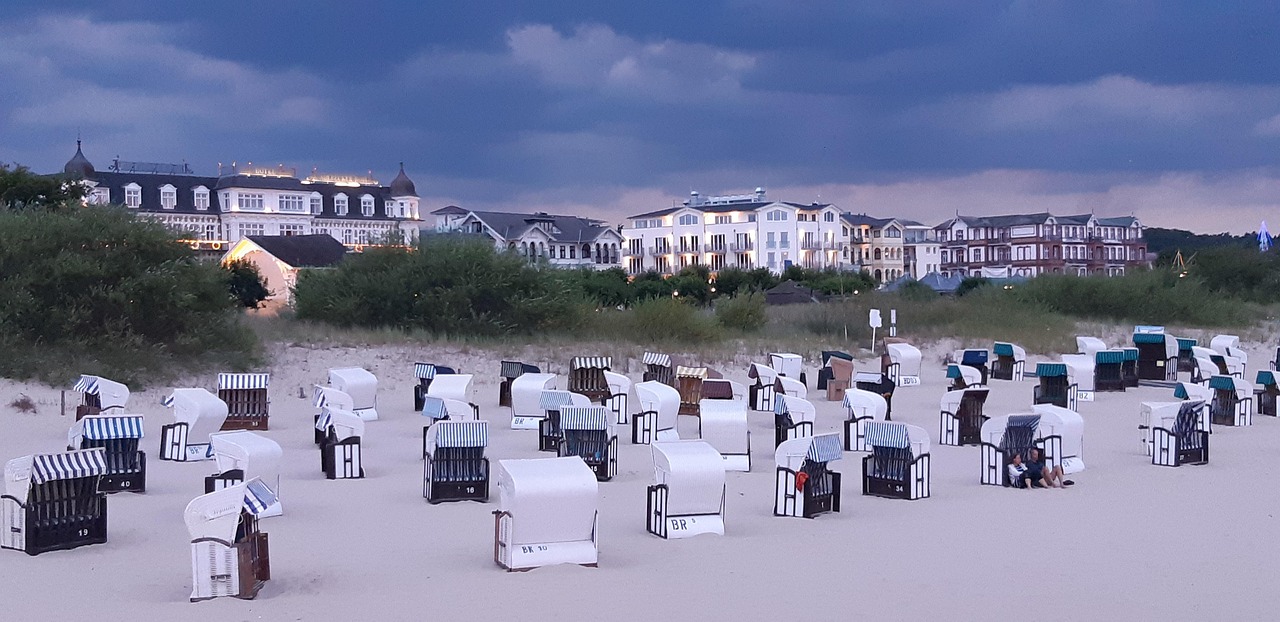
Why Visit Usedom in 2026
Usedom is the Baltic island that quietly ruins you for other German seaside escapes. It’s sometimes called “Berlin’s bathtub,” but that nickname undersells its character: 42 km of pale sand, ornate imperial spa architecture, backwater lagoons where cranes and sea eagles glide, plus a surprisingly inventive food scene built on fish pulled from the morning’s nets.
I’ve been slipping away to Usedom for over a decade, usually in shoulder seasons when the Baltic is still a little too cold for comfort but the light is at its most cinematic. Over the years I’ve watched Ahlbeck’s Kurhaus dining room fill with Berlin weekenders, seen Zinnowitz reinvent itself with a younger, more creative crowd, and sat on the quiet banks of the Achterwasser at Neppermin with only the reeds and a thermos of coffee for company.
Usedom in 2026 feels like a sweet spot. The island has invested in its cycling routes and dune protection, new boutique guesthouses have opened in renovated villas, and there’s a renewed push toward sustainable tourism—electric buses, better waste systems, and more local sourcing in restaurants. Yet you can still walk for an hour on a winter beach and meet only a few dog walkers and a kite surfer defying the wind.
Whether you want a 3 day itinerary for Usedom focused on imperial seaside glamour, a 5 day itinerary for Usedom balancing beaches and backwaters, or a slow 7 day itinerary for Usedom that digs into villages, history, and hidden coves, this guide is built from long, real days on the island—misty dawns, fish-brötchen in cold fingers, packed summer Strandkorb afternoons, and quiet bike rides through pine forests scented with resin and sea salt.
Table of Contents
- Island Overview: The Character of Usedom
- Where to Base Yourself on Usedom
- 14 Essential Beaches, Villages & Viewpoints
- 3–7 Day Itineraries for Usedom
- Island Eating: Local Food in Usedom
- Island Evenings & Nightlife
- Cultural Experiences & Local Customs
- What’s New: Events & Festivals 2026–2027
- Day Trips & Nearby Attractions
- Practical Travel Advice for Usedom
- Summary & Final Recommendations
Island Overview: The Character of Usedom
Usedom sits in the Baltic Sea, shared between Germany and Poland. The German side is the better known, though the Polish town of Świnoujście on the eastern tip is a lively bonus. The island’s personality shifts constantly as you move around it.
North Coast: Long Beaches & Family Resorts
The north coast is the classic postcard face of Usedom: an almost continuous beach from Peenemünde to Ahlbeck, backed by dunes, pines, and grand villas. This is where you’ll find the best places to visit in Usedom if you like cafés, promenades, and easy access to the sand. It’s ideal for families and first-timers, with lifeguarded sections in summer, rental Strandkörbe (beach wicker chairs), mini-golf, and ice cream every few meters.
South & Inland: Backwaters, Villages & Quiet Retreats
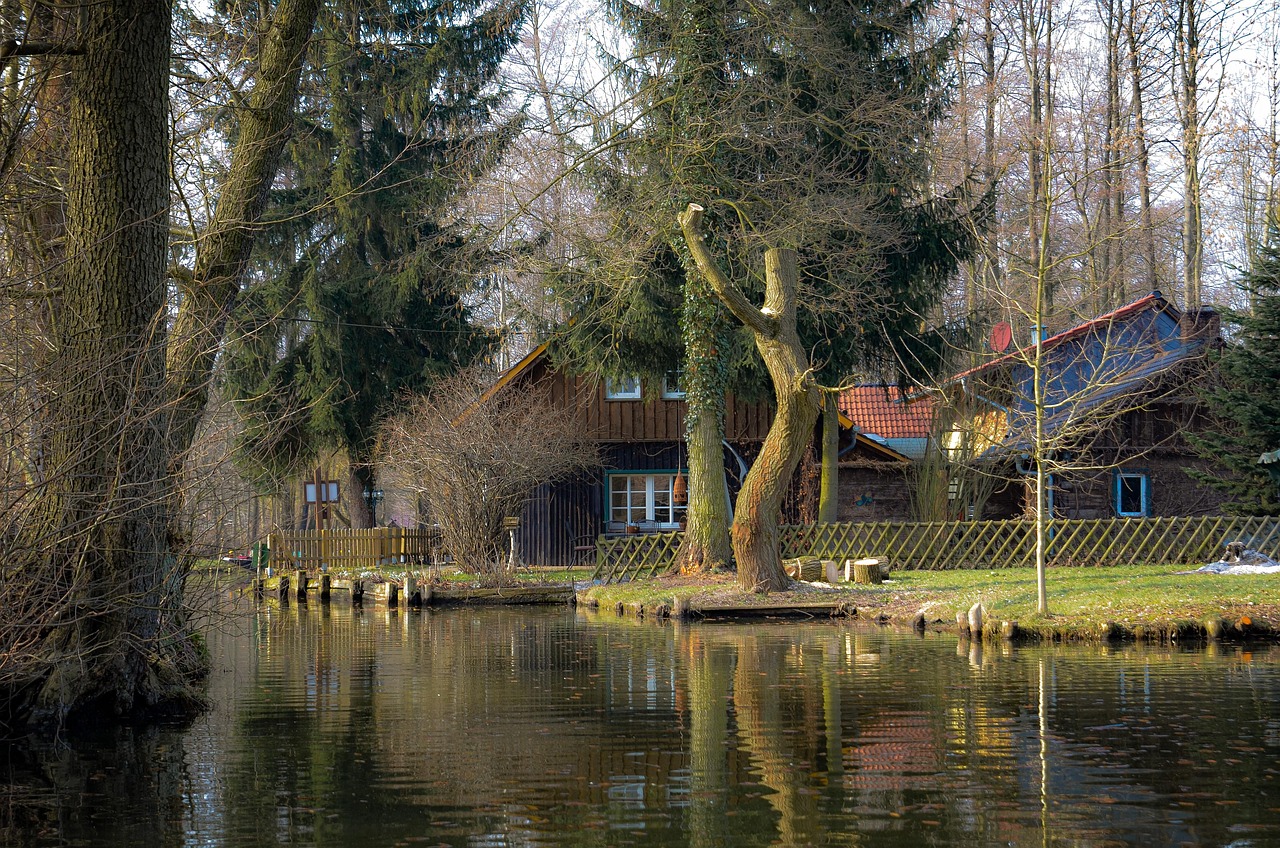
Head south, and the Baltic’s drama yields to the hush of the Achterwasser and Stettiner Haff lagoons. Here you’ll find thatched-roof villages like Benz, fishing harbours at Rankwitz and Krummin, and wetlands where the loudest sound is often a heron taking off. This region is made for slow travelers, cyclists, birders, and those looking for hidden gems in Usedom far from beach crowds.
West: Peenemünde & Rugged History
In the far northwest, Peenemünde brings a different mood. The beaches are wide and wilder, and the wind feels stronger. This was a key site for WWII rocket development; today it’s home to museums, an industrial harbour, and maritime relics. It’s a compelling stop for history buffs and anyone curious about the island beyond its spa façade.
East: The Kaiserbäder & The Polish Border
The trio of imperial spa towns—Bansin, Heringsdorf, Ahlbeck—are still the most iconic must-see attractions in Usedom. Their ornate villas and pier promenades define the island’s Belle Époque glamour. Right over the Polish border, Świnoujście adds a slightly grittier, more urban energy, with cheaper prices and a different culinary mix.
Where to Base Yourself on Usedom
After many stays in different corners of the island, I’ve learned just how much your base shapes your trip.
For First-Timers & Short Stays: The Kaiserbäder (Bansin, Heringsdorf, Ahlbeck)
If you have 3 days in Usedom, the imperial spas are efficient and atmospheric. You’re on the main beach, with easy bus and train links, classic restaurants, and plenty to do if the weather turns sour. I tend to base in Bansin for a slightly quieter vibe but walk or cycle to Heringsdorf and Ahlbeck.
For Families: Zinnowitz or Karlshagen
Zinnowitz is a great compromise: long beach, playful promenade, decent infrastructure, and lots of apartments. Karlshagen, further north, feels more low-key but has generous, gently shelving beaches ideal for small children.
For Nature & Quiet: Achterwasser Villages (Balm, Mellenthin, Rankwitz)
If you’ve already done the main drag or crave stillness, base yourself on the Achterwasser side. I’ve had some of my most restorative trips staying in a thatched cottage near Rankwitz—breakfast on the terrace, then cycling to the coast for a few hours’ swim before heading back to the reeds and sunsets.
For History & Space: Peenemünde & the North-West
Travelers with a car who enjoy big skies and fewer people might love staying near Peenemünde or Trassenheide, mixing museum visits with windswept walks.
14 Essential Beaches, Villages & Viewpoints on Usedom
What follows are the island’s core experiences as I’ve come to know them—each a place I’ve returned to in different seasons, noticing small changes and new layers. These are not just things to do in Usedom, but settings for long, quietly memorable days.
1. Ahlbeck: Belle Époque Charm at the Polish Edge
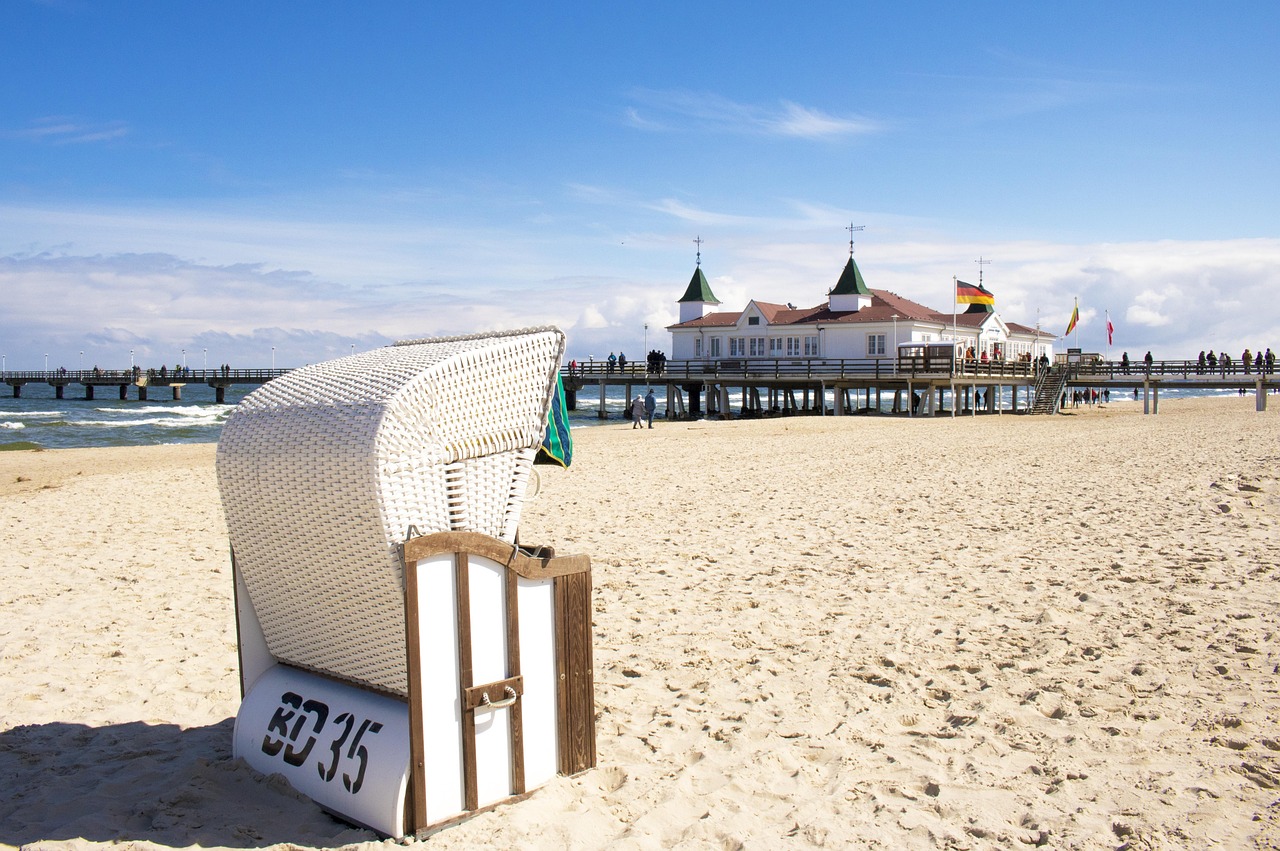
Ahlbeck feels like stepping into an old sepia postcard, if the people in the picture suddenly started eating vegan ice cream and checking train times on their phones. It’s the easternmost German resort town on the island, and one of the famed “Kaiserbäder” spa trio.
I first arrived in Ahlbeck on a grey November afternoon, when the sea was the color of pewter and the pier lights flickered on one by one. Instead of summer crowds, there were couples in thick coats strolling arm-in-arm, and a few hardy locals power-walking against the wind. It was then I realized Usedom is not just a summer beach, but a year-round mood piece.
Highlights & History
- Ahlbeck Pier (Seebrücke Ahlbeck): Built in 1898, it’s one of the oldest piers on the Baltic. Step onto its wooden planks and you can almost hear the rustle of long skirts and the clink of teacups from another era.
- Historic Spa Architecture: The villas and hotels along the promenade are quintessential “Bäderarchitektur” with ornate balconies, turrets, and careful pastel paint jobs. Many have been painstakingly restored since reunification.
What I Do in Ahlbeck
My Ahlbeck ritual begins with a late breakfast—usually a crusty Brötchen with smoked fish and a pot of coffee on a café terrace just off the promenade. Then I walk the beach eastward, where it grows quieter, eventually reaching the Polish border. On warm days, families spread out around the lifeguard posts, kids engineering sand fortresses, teenagers taking endless selfies against the blue horizon.
Ahlbeck is also one of my favorite spots for winter storms. If you’re here outside the main season, wrap up in layers, grab a hot chocolate to go, and let the wind sandblast your thoughts away on the pier. There’s something addictive about watching the waves hammer the timber pylons beneath your feet.
Food & Drink
For a classic taste of local food in Usedom, head to one of the fish stands near the promenade and order a Fischbrötchen—herring, sometimes Bismarck or Matjes, tucked into a roll with onions and pickles. My favorite is the simple smoked mackerel version, eaten standing up with the gulls eyeing you jealously.
Getting There & Tips
- By train: Direct trains from Züssow and Stralsund connect to Ahlbeck; in 2026, frequency has increased in peak season.
- By bike: The coastal cycle path between Heringsdorf and Świnoujście runs straight through Ahlbeck; it’s flat and family-friendly.
- Tip: If you’re doing a 3 day itinerary for Usedom, base in Ahlbeck or nearby Heringsdorf—you’ll minimize transit time and maximize sea views.
Best for: Romantic walks, spa hotels, easy border hop to Poland, year-round atmosphere.
2. Heringsdorf: Grand Dame of the Kaiserbäder
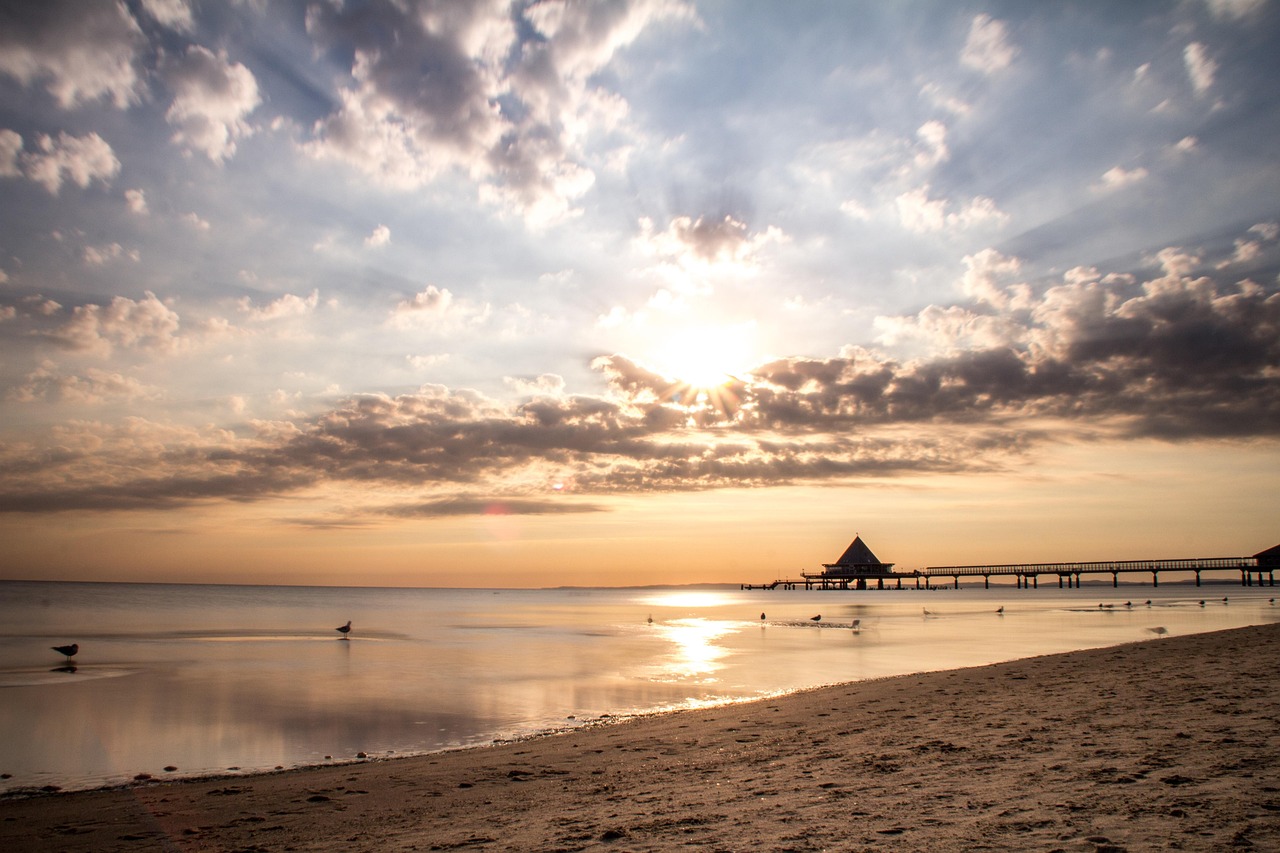
Heringsdorf is where Usedom puts on its most polished face. With Germany’s longest pier, rows of elegant villas, and a promenade that seems to go on forever, it’s the island’s social and architectural centerpiece.
I’ve stayed in Heringsdorf several times, usually in shoulder season when room rates dip. Waking up in one of those high-ceilinged villas, throwing open tall windows to hear the distant murmur of waves and the clink of dishes from breakfast buffets below, feels indulgent even if you’re on a budget apartment stay.
Key Sights
- Heringsdorf Pier: A long, angular pier with shops, restaurants, and a panoramic platform at the far end. On a clear day, the Baltic looks almost Mediterranean from here—especially when the water shifts to turquoise in summer light.
- Promenade: A broad, elegant walkway linking Bansin, Heringsdorf, and Ahlbeck. Even after many trips, I still do the full promenade walk once each visit.
Personal Routine
In summer, I time my Heringsdorf days around the light. Morning: coffee on the pier, then a long swim—the water here tends to be a touch calmer than at some more exposed stretches. Afternoon: a nap in a Strandkorb (yes, they’re worth renting for a few hours), book in hand. Evening: a slow promenade walk as street musicians start playing and restaurant terraces fill.
One August, I spent a week here with friends and we developed a ritual of “sunset sprints”: around 20:30 we’d grab jackets, a bottle of Riesling, and hurry to the quieter stretch of beach westward. Watching the sky bleed pink behind the silhouettes of walkers and dogs, we’d toast the day—cheap plastic cups, million-euro view.
Food Notes
Heringsdorf has some of the island’s more ambitious cooking—fine-dining menus that lean into regional fish, wild herbs, and seasonal vegetables. If you want to splurge one night of your 4 days in Usedom, do it here. At the same time, affordable options abound: snack stands, bakeries, and simple fish restaurants away from the front line.
Best for: Elegant base, couples’ trips, food-focused travelers who still want sand between their toes.
3. Bansin: The Most Intimate of the Imperial Spas
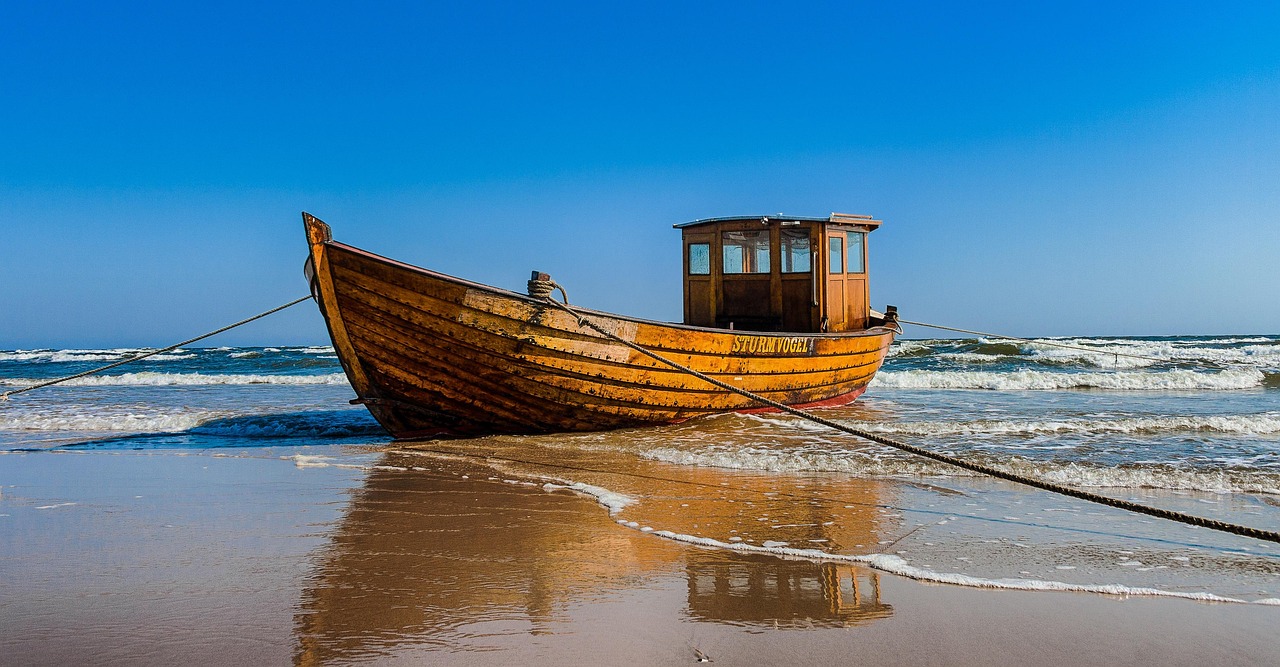
Bansin has always felt like Heringsdorf’s more introspective sibling. It’s smaller, slightly less ostentatious, and tucked beautifully between forested cliffs and the Schloonsee lake. When friends ask me where to stay for a 5 day itinerary for Usedom that balances liveliness and calm, I often say Bansin.
Sense of Place
On my last autumn visit, I stayed in a renovated 19th-century villa a block behind the promenade. Mornings meant fog rolling off the sea, the smell of damp leaves from the beech forest behind town, and the gentle clatter of bikes heading toward the bakery. By midday, the fog would burn off and kids would appear on the beach, jackets half-zipped, building sandcastles in that perfect, slightly sticky Baltic sand.
What to Do
- Beach & Cliffs: Walk westward along the sand and you’ll soon be under low cliffs topped with trees. In stormy weather, this stretch is exhilarating.
- Schloonsee: This small lake just behind the dunes is a peaceful spot for an evening stroll. In late summer, dragonflies hover and the reeds whisper.
- Villa Architecture: Bansin’s spa-era villas are dense and varied—spend an hour just wandering backstreets, noting details and dates.
Best for: Couples, longer stays, people who like a softer, village-scale feel without sacrificing amenities.
4. Zinnowitz: Family-Friendly Hub with a Creative Edge
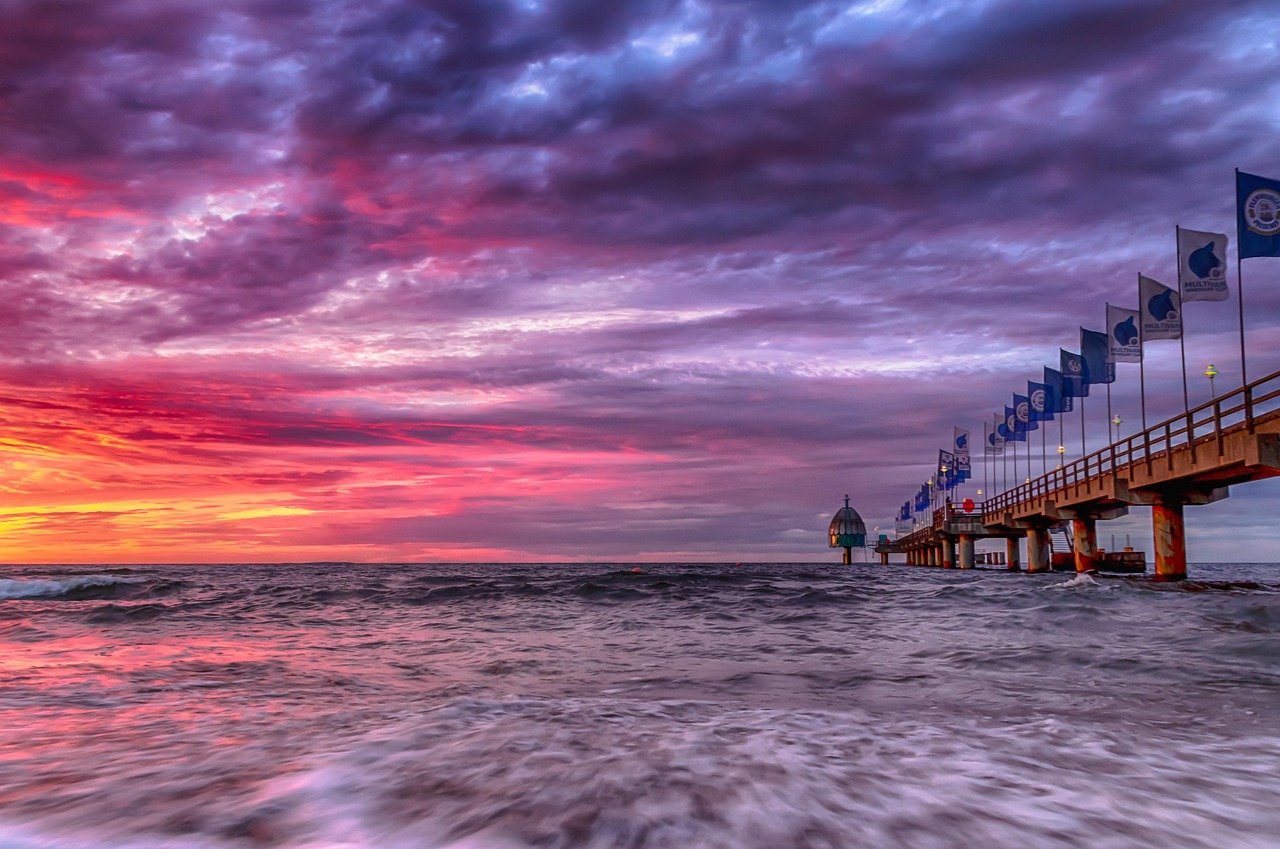
Zinnowitz sits roughly in the middle of the island’s north coast and feels like the hinge between the imperial spas and the more low-key northern resorts. In the last few years, I’ve noticed a new energy here—more young Berliners, street food experiments, and small cultural events.
Why I Keep Coming Back
In 2024 and 2025, I spent several working weeks in Zinnowitz, using it as a base for exploring both the wilder Peenemünde side and the more built-up south. My days fell into an easy pattern: early-morning beach walk, hours of writing in a café near the station, then a late-afternoon swim when the sun dipped low and the Strandkörbe cast long shadows.
Key Attractions
- Zinnowitz Pier & Diving Gondola: At the end of the pier sits a quirky “Tauchgondel” (diving gondola) that lowers tourists a few meters below the surface. The water’s often murky, but the experience is charmingly odd and kids love it.
- Broad Beach: The sand here is wide and forgiving—plenty of space even at peak season. Good for volleyball, kite-flying, and family games.
Family-Friendly Vibe
If you’re planning 5 days in Usedom with children, Zinnowitz is one of the best bases. There are play areas, mini-golf, bike rentals with child seats, and lots of casual dining. In the evenings, the town has a gentle buzz without tipping into full-on party mode.
Best for: Families, mixed groups, those wanting easy access to both ends of the island.
5. Karlshagen: Big-Sky Beach for Families & Campers
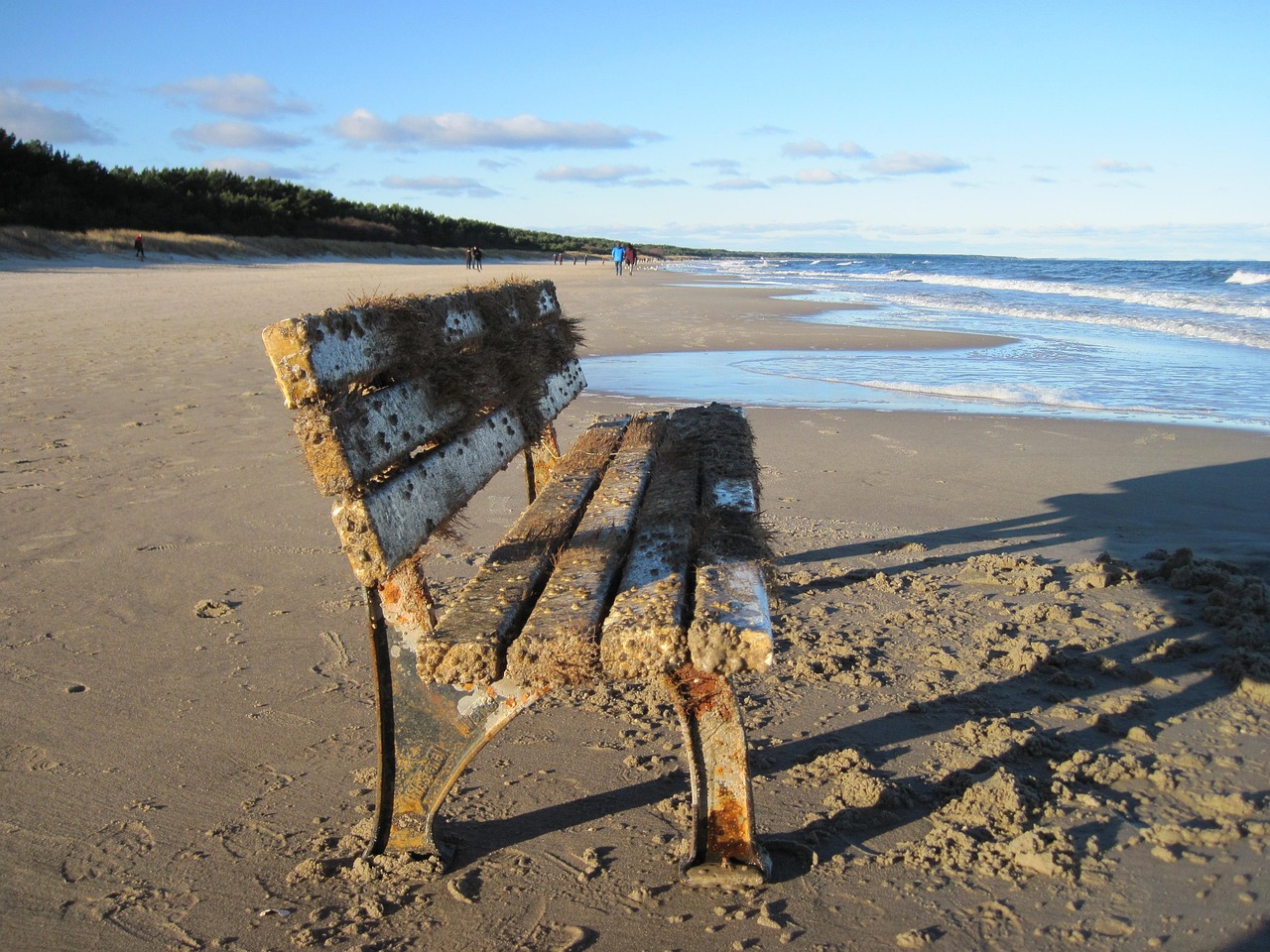
Karlshagen is where the island starts to feel spacious—fewer grand villas, more open dunes, campgrounds, and a slightly wilder edge. I first came here during a heatwave, when every patch of shade under the pines was occupied by someone napping with a paperback over their face.
Why It Works So Well for Kids
The beach is wide and shallow, with soft entry into the sea and plenty of room to spread out. Lifeguards patrol the main section in summer, and the dune-backed strip provides both sun and shade options throughout the day.
Harbour & Hinterland
On a later autumn trip, I spent a misty afternoon wandering Karlshagen’s small harbour. Fishermen in thick sweaters cleaned their boats while a handful of tourists ordered smoked fish from a shack, the smell of alder-wood smoke hanging in the cool air. From here, paths lead inland to more tranquil spots along the Peenestrom.
Best for: Camping, budget stays, relaxed family beach days away from the imperial spa bustle.
6. Trassenheide: Low-Key Dunes & Nature
Trassenheide often gets overshadowed by Zinnowitz, but that’s precisely why I like it. It’s sandwiched between forest and sea, with a network of trails that make it one of the best spots for quiet walks and bike rides.
I remember one May afternoon cycling from Zinnowitz to Trassenheide through the pines. The air smelled of resin and last year’s needles, sunlight strobing through the branches as I pedaled. When I reached the beach, the wind picked up and a bank of clouds moved in, turning the sea from turquoise to steely grey in minutes—a masterclass in Baltic mood swings.
Best for: Nature walks, quieter stays, those who like to be close to but not in the middle of resort centers.
7. Peenemünde: Stark History & Wide Horizons
Peenemünde is different. Here, the island’s pretty façade peels back to reveal heavy history. During WWII, this was the site of the Nazi rocket research center that developed the V-2. Today, the area is a complex of museums, memorials, and industrial relics juxtaposed with surprisingly peaceful coastal scenery.
History & Reflection
My first visit to Peenemünde was on a hot July day. The sun was relentless, but the subject matter was chilling. I spent hours in the Historical Technical Museum, reading about forced labor, technological ambition, and destruction. It’s not an easy visit, but a necessary one if you want to understand the island beyond its tourist gloss.
Coastline & Nature
After the museum, I walked out toward the water. The shoreline here feels wilder, with coarse grasses and driftwood. Looking out over the Peenestrom, with cormorants drying their wings on old pilings, it’s hard to reconcile the calm with the place’s past. That tension is part of Peenemünde’s power.
Best for: History buffs, photographers, travelers interested in the darker chapters of European history.
8. Koserow & the Streckelsberg Cliffs
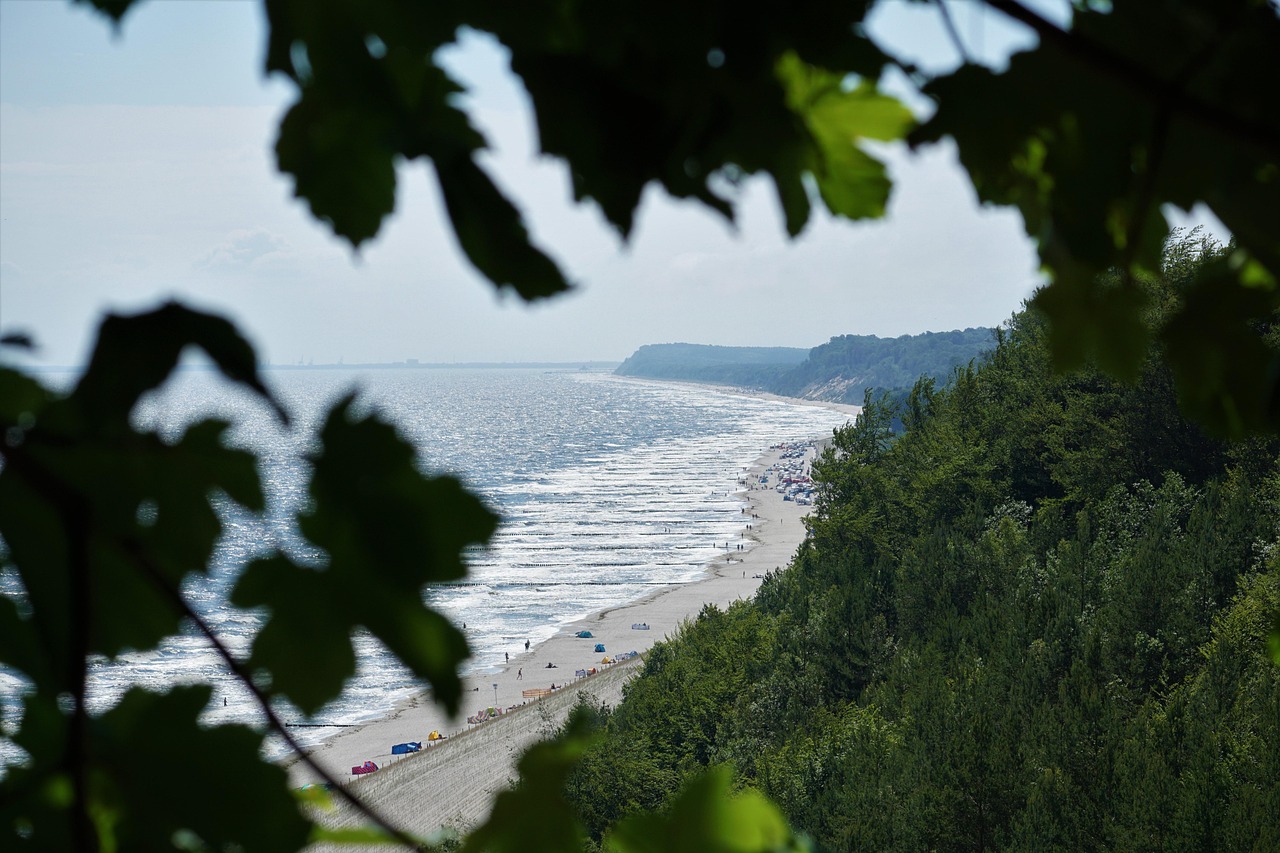
Koserow is a narrow pinch of land where the Baltic and Achterwasser come close together. Its star is Streckelsberg, one of the island’s highest points—though “cliff” is a generous term by global standards, the views are undeniable.
Cliff Walks & Viewpoints
I’ve climbed Streckelsberg in sun, fog, drizzle, and once in a howling January storm that left my cheeks stinging. The path winds up through beech forest, roots tangled like old rope, before opening onto views of sea and sand stretching in both directions. On clear days, the water below glows a milky turquoise, especially in the shallows where sandbanks play with color.
Food & Village Life
Koserow’s small center has a few excellent fish restaurants and cafés. One of my favorite meals on the island was a plate of pike-perch fillet with buttery potatoes and a cucumber-dill salad, eaten on a terrace here as swifts screamed overhead.
Best for: Hikers, photographers, anyone who loves a good viewpoint and a cozy meal afterward.
9. Ückeritz & the Usedomer Schweiz (Usedom’s “Little Switzerland”)
Ückeritz is one of my quiet obsessions on the island. It sits on the narrow strip between Baltic and Achterwasser, with both a long beach and access to a hilly, wooded inland area dubbed the “Usedomer Schweiz” (Usedom’s Switzerland)—a typically German bit of poetic exaggeration, but the landscape is genuinely lovely.
Two Seas in a Few Minutes
On one trip, I made a game of seeing how often I could zigzag between the two coasts in a day. Morning swim in the Baltic, lunch by the Achterwasser, sunset back on the sea side. Ückeritz is one of the easiest places to feel this duality: rougher, windier open sea vs. glassy, reed-fringed backwater.
Hiking & Cycling
The trails around Ückeritz lead through mixed forest, past small lakes, and up and down gentle hills. In late summer, the air is thick with the smell of warm pine, and you’ll often share paths with locals walking dogs or foraging mushrooms.
Best for: Active travelers, nature lovers, those who like to mix beach time with forest walks and quiet lakeshores.
10. Balm & the Achterwasser Shore
Balm is almost the opposite of Heringsdorf in character: instead of ornate villas and promenades, you get reed beds, a golf course, a small marina, and low-key accommodation scattered around the shores of the Achterwasser.
I stayed here one crisp October, and it was exactly what I needed after weeks of deadlines. Mornings were for reading on a terrace overlooking the lagoon, wrapped in a blanket, watching mist lift off the water. Afternoons I’d cycle gentle routes through fields and woods, occasionally detouring to tiny harbours where a single fisherman might be mending nets.
Best for: Quiet retreats, golfers, couples who want water views without the beach hustle.
11. Rankwitz & Lieper Winkel: Slow-Time Villages
Rankwitz lies on the Lieper Winkel peninsula, a finger of land reaching into the Achterwasser. This region is one of the island’s great hidden gems in Usedom—few day trippers make it out here, so the pace is village-slow.
Harbour & Smokehouses
Rankwitz’s little harbour is a world of its own. A handful of boats, a simple fish smokehouse, a couple of benches. On a sunny day, the water gleams and swans drift between pilings. Order smoked eel or whitefish, grab a beer or apple juice, and sit watching the light shift on the reeds.
Anecdote
One late September, I arrived here on a bike, slightly lost, slightly hungry. The smokehouse was just firing up, rich aroma cutting through the cool air. I ended up sharing a table with an older couple from Dresden who had been coming every year since the early 1990s. They told me how this harbour had slowly changed—more tourists now, better facilities—but still felt like “the real island” to them. It’s hard to disagree.
Best for: Day trips from the Kaiserbäder, slow travelers, anyone seeking silence and big skies.
12. Mellenthin & Its Moated Castle
Mellenthin sits roughly in the island’s center and is dominated by its 16th-century moated castle, now a hotel, brewery, and culinary destination. It’s the kind of place you might dismiss as too touristy—until you find yourself lingering over a second beer in the courtyard, listening to the frogs in the moat.
Castle & Craft Beer
The castle complex hosts medieval-themed evenings, buffets, and tastings. I’m generally wary of such things, but Mellenthin manages to stay on the right side of kitsch. The house-brewed beers are genuinely good, and the food leans into hearty Pomeranian traditions.
Best for: Families, groups, those who enjoy a bit of fairy-tale ambiance and local brews.
13. Benz: Windmill, Church & Island History
Benz is an inland village with a gently hilly backdrop, a photogenic windmill, and a small church that has inspired painters and writers for decades. If you’re interested in the island’s cultural history, Benz is essential.
Art & Atmosphere
The village has long attracted artists drawn to its church, mill, and patchwork of fields and woods. On a spring visit, I found an open-air painting class scattered across the hillside, easels pointed toward red-roofed houses and the white church spire.
Best for: Cultural travelers, cyclists (great routes in and out), anyone wanting a break from pure beach days.
14. Świnoujście (Poland): Urban Contrast at the Eastern Edge
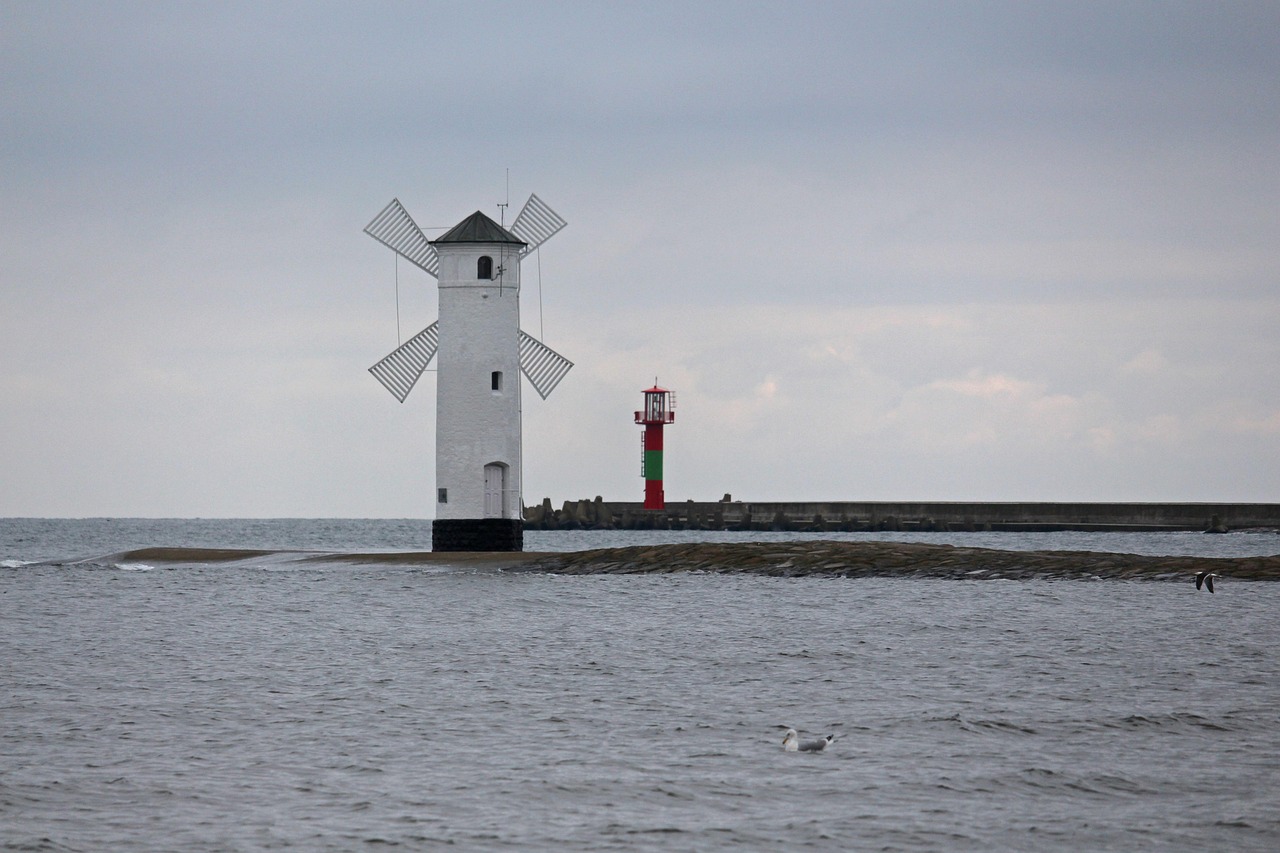
Though technically across the border in Poland, Świnoujście is functionally part of the same coastal strip and makes for a fascinating day trip or even a base if you’re price-sensitive.
Why Cross the Border
The promenade continues, but the vibe shifts: more high-rises, different street food (pierogi, zapiekanki), stronger coffee culture. Prices generally drop once you cross into Poland, making it a smart stop on a budget-conscious 6 day itinerary for Usedom.
One memorable evening, I walked from Ahlbeck into Świnoujście, had dinner at a Polish bistro—borscht, dumplings, beer—then strolled back across the border at dusk. No checkpoints, just a subtle change in language and signage.
Best for: Food variety, budget shopping, urban contrast to the German spa towns.
3–7 Day Itineraries for Usedom
Usedom is compact but layered. These itineraries are built from real trips and can be stretched or compressed depending on your pace. They combine must-see attractions in Usedom with low-key local moments, and are designed to help you choose between a 3 day itinerary for Usedom up to a 7 day itinerary for Usedom.
3 Day Itinerary for Usedom: The Classic Kaiserbäder Escape
This is for first-timers who want the iconic seaside experience with minimal logistics. Base yourself in Bansin, Heringsdorf, or Ahlbeck; I usually pick Bansin for the quieter evenings.
Day 1 – Arrival & First Baltic Light
Arrive by train in the early afternoon, drop your bag, and resist the urge to over-schedule. Your first priority: see the sea.
- Afternoon: Walk the promenade between two of the Kaiserbäder (say Bansin–Heringsdorf). Get your bearings, note cafés and fish stalls that catch your eye.
- Late afternoon swim: Even if the Baltic is brisk, a quick dip is the best jet-lag reset I know.
- Evening: Choose a simple fish restaurant or a terrace with a sea view. Watch how the island shifts into its evening rhythm—kids in hoodies, couples in light jackets, dogs pulling their owners down to the water’s edge.
Day 2 – Piers, Villas & Polish Border
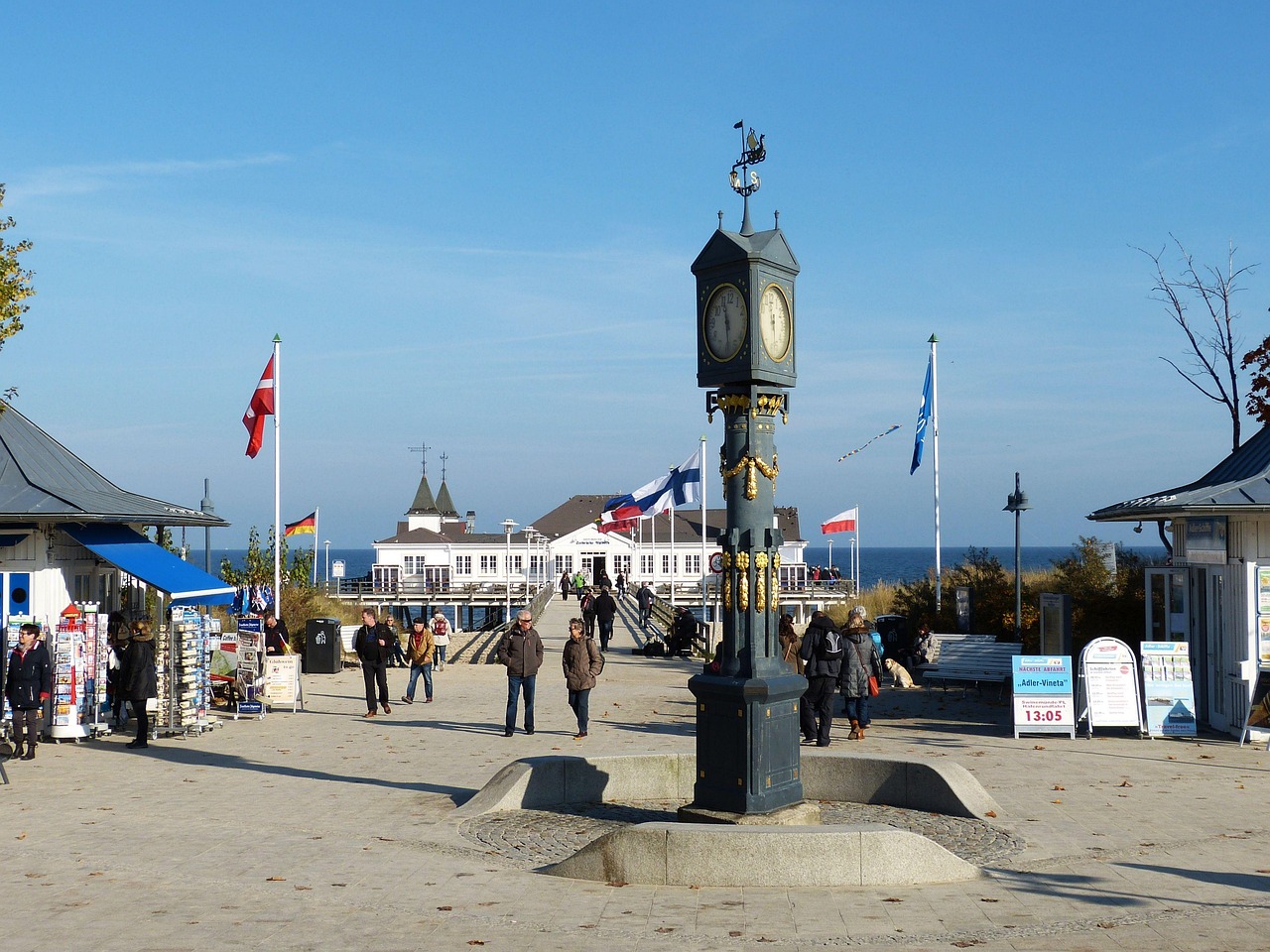
- Morning: Start with coffee and a pastry at a promenade café, then stroll Heringsdorf’s pier. If the weather’s good, linger at the far end—on clear days you can see the curve of the coast in both directions.
- Late morning–afternoon: Walk or cycle to Ahlbeck, taking time to wander the side streets for villa-spotting. Have a Fischbrötchen lunch at a stand near the pier.
- Border walk: Continue along the beach to the German–Polish border and, if you have time, into Świnoujście for coffee or a snack before heading back.
- Evening: Treat yourself to a slightly fancier dinner back in Heringsdorf or Bansin—seasonal fish, local vegetables, good wine. This is your “big night” on a 3 days in Usedom trip.
Day 3 – Forest & Cliffs or Inland Culture
On your last day, you can either deepen the coastal experience or dip inland for a taste of village life.
- Option 1 (Nature): Walk the beach and forest path between Bansin and Ückeritz, or head toward the cliffs west of Bansin. Bring snacks and water.
- Option 2 (Culture): Take a bus or bike to Benz to see the church and windmill, and perhaps onward to Mellenthin’s castle for lunch or a beer.
By late afternoon, collect your luggage and make your way back to the station, sand in your shoes and salt in your hair.
5 Day Itinerary for Usedom: Beaches, Backwaters & Villages
Five days allows you to breathe. Split your stay between a Baltic base (Bansin or Heringsdorf) and an Achterwasser village (Balm or Rankwitz) for contrast.
Day 1 – Settle into the Kaiserbäder
Follow most of the Day 1 plan from the 3-day itinerary: promenade orientation, swim, simple dinner. Don’t rush—you’re here for a while.
Day 2 – Full Kaiserbäder Immersion
Repeat much of the 3-day Day 2, but add:
- A mid-afternoon coffee and cake break in one of Heringsdorf’s side-street cafés.
- An evening drink at a beach bar, toes in the sand, listening to live music if available (in 2026, several temporary summer bars are planned along the Heringsdorf–Ahlbeck stretch).
Day 3 – Koserow & Streckelsberg
- Morning: Take the train or bus to Koserow. Walk the village, then head up to Streckelsberg for views.
- Lunch: Eat in Koserow—try pike-perch or herring.
- Afternoon: Laze on Koserow’s beach or walk a stretch of the coast trail before heading back to your base town.
Day 4 – Shift to the Achterwasser
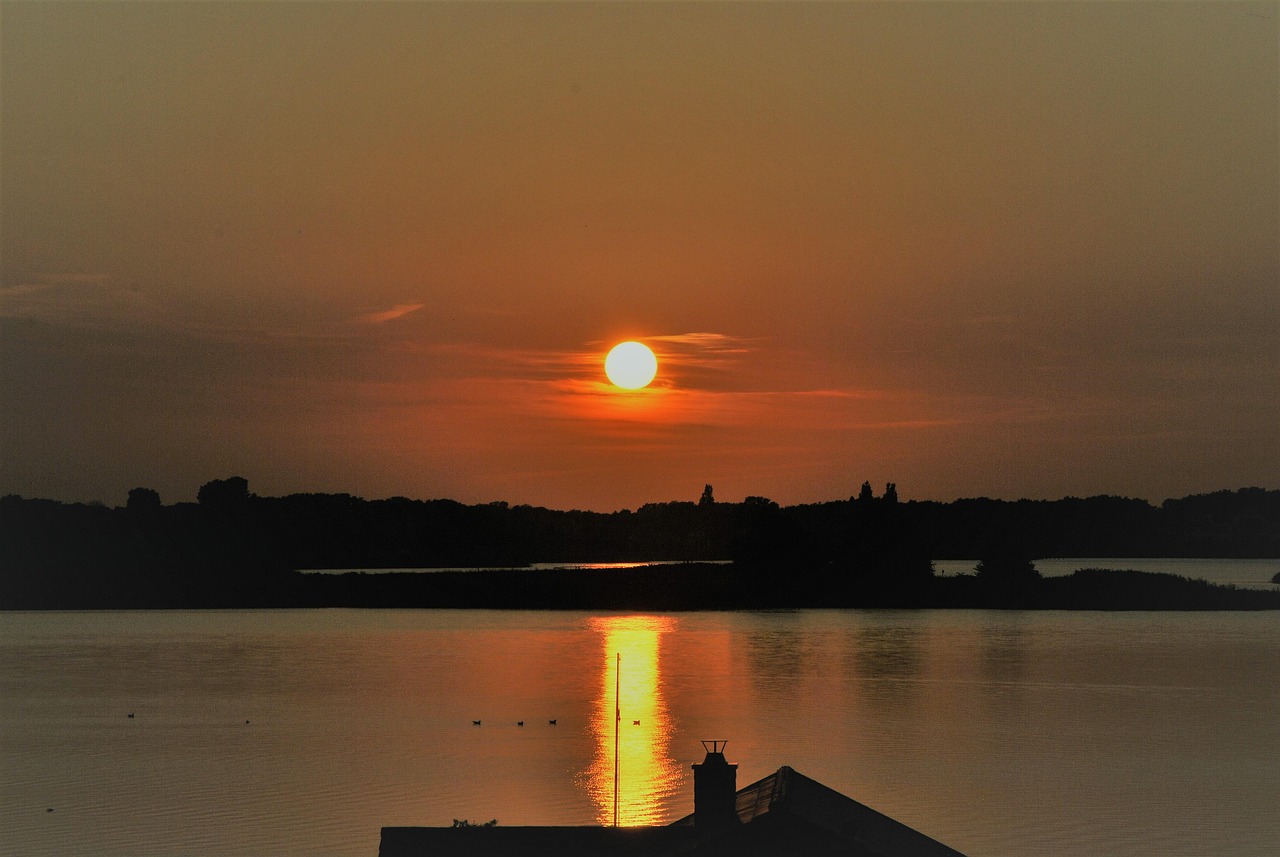
- Morning: Transfer to Balm, Mellenthin, or Rankwitz. If you’re using buses, plan ahead—services are less frequent inland.
- Afternoon: Explore the local harbour or lakeshore. Rent a bike if possible and do a gentle loop through nearby villages.
- Evening: Dinner in your guesthouse or local restaurant. Inland menus often feature more meat and hearty dishes, but fish is still common.
Day 5 – Slow Water Day & Departure
Spend your last morning as slowly as possible—coffee overlooking water, a last walk among reeds or fields. Then head back to your onward connection, taking a mental snapshot of the stillness to counterbalance your memories of the bustling Baltic strand.
7 Day Itinerary for Usedom: Deep Dive into Coasts & Culture
A full week lets you link many of the island’s threads: spa towns, wild north, quiet south, and inland culture. This is the 7 days in Usedom itinerary I’d follow for a first long stay.
Day 1 – Arrive in Heringsdorf or Bansin
Settle in as described above: light explorations, beach time, early night if needed. Snap your first sunset from the promenade.
Day 2 – Full Kaiserbäder Traverse
Walk or cycle the entire Bansin–Heringsdorf–Ahlbeck–Świnoujście strip, using piers and side streets to vary the route. Along the way, build in:
- Coffee on Heringsdorf pier.
- Ice cream in Ahlbeck.
- Polish street food in Świnoujście.
Day 3 – Benz & Mellenthin Culture Loop
- Morning: Bike or bus to Benz. Visit the church and windmill, wander the village.
- Midday: Continue to Mellenthin, tour the castle, and have lunch or a beer there.
- Afternoon: Return via a different route to see more countryside, or, if you’re tired, use buses where available.
Day 4 – Northern Beaches: Zinnowitz & Trassenheide
- Morning: Train to Zinnowitz. Walk the pier, try the diving gondola if curious.
- Afternoon: Either stay on Zinnowitz’s beach or continue to Trassenheide for a quieter dune-backed stretch.
- Evening: Return to your Baltic base or stay a night in Zinnowitz to cut down transit the next day.
Day 5 – Peenemünde’s History & Harbours
- Morning–early afternoon: Take the train or bus to Peenemünde. Spend several hours at the Historical Technical Museum and related exhibits.
- Late afternoon: Walk the coast or harbour, decompressing after the heavy history. Photography lovers will find a lot to work with here: rusting structures, wide water, big sky.
- Evening: Either overnight nearby (Karlshagen or Zinnowitz) or head back down-island.
Day 6 – Ückeritz & Usedomer Schweiz Trails
- Morning: Move to Ückeritz or day-trip from your base. Hike or cycle one of the forest-and-lake loops inland.
- Afternoon: Swim on Ückeritz’s Baltic beach, then cross to the Achterwasser side for a calmer, contemplative hour by the water.
- Evening: Dinner at a local restaurant, then a simple sunset walk; Ückeritz skies can be unexpectedly dramatic when clouds roll in from both coasts.
Day 7 – Balm or Rankwitz Finale
Spend your last full day on the Achterwasser. If you can, stay overnight in Balm, Rankwitz, or another Lieper Winkel village. Rent a bike or kayak if available; otherwise, wander slowly, eat smoked fish, and let the island’s quiet inland face imprint itself alongside your mental images of the grand seaside façades.
Island Eating: Local Food in Usedom
Usedom’s food scene is anchored in the sea and the seasons. Expect fish everywhere, but don’t miss the smoked specialities, regional meat dishes, and increasingly creative vegetarian options.
What to Eat
- Fischbrötchen: The island’s unofficial snack. Try herring (Matjes or Bismarck), mackerel, or salmon in a crusty roll.
- Smoked fish: Eel, whitefish, and others, best enjoyed in harbours like Rankwitz, Krummin, or Karlshagen.
- Pomeranian classics: Dishes like Schweinebraten (roast pork), potato dumplings, and cabbage sides appear more inland.
- Seasonal produce: White asparagus in late spring, berries in summer, mushrooms and game in autumn.
Where to Eat
- Beachfront restaurants & bars: In Heringsdorf, Bansin, and Ahlbeck, you’ll find everything from casual to fine dining with sea views.
- Harbour smokehouses: Rankwitz, Krummin, Karlshagen—my most memorable meals have been from paper plates at simple benches, fish still warm from the smoker.
- Market stalls: Farmers’ markets and seasonal stands sell local honey, cheese, and baked goods. Ask at your accommodation about current schedules.
Budget Tips
- Self-cater breakfasts and some lunches if you have a kitchenette; supermarkets are cheaper than promenade cafés.
- Look for daily lunch specials (Mittagstisch) in local restaurants—they’re often good value.
- In Świnoujście, prices are generally lower; cross the border for a budget-friendly feast.
Island Evenings: From Sunset Calm to Low-Key Nightlife
Usedom isn’t a hard-party island; it’s more about soft evenings than pounding clubs. That said, its nights have distinct moods depending on where you are.
Sunset Rituals
- Beach sunsets: Heringsdorf, Bansin, Ahlbeck, and Zinnowitz all face west enough to catch good colors. I like walking away from the piers to slightly quieter stretches.
- Achterwasser sunsets: Balm, Rankwitz, and Lieper Winkel villages offer calmer, mirror-like sunsets over still water. Bring a jacket; it cools quickly even in summer.
Nightlife & Bars
- Kaiserbäder: Cocktail bars, beach lounges, and hotel bars with live piano or jazz. Good for couples and small groups.
- Zinnowitz: A younger, slightly livelier crowd with street bars and occasional events.
- Local villages: Evenings are quiet; expect early nights and starry skies rather than clubs.
In summer, look out for open-air concerts, seaside cinema nights, and seasonal festivals advertised on posters along promenades.
Cultural Experiences & Local Customs
Understanding local rhythms and etiquette enriches any travel guide for Usedom. While the island is relaxed, a few customs are worth knowing.
Everyday Etiquette
- Greetings: A simple “Guten Tag” or “Hallo” is appreciated when entering shops or restaurants.
- Quiet hours: In residential areas and many guesthouses, quiet is observed after around 22:00. Keep volumes down.
- Beach norms: Topless sunbathing is common; designated nude sections (FKK) also exist and are clearly marked.
Environmental Respect
- Stay on marked dune paths; dunes are fragile and vital for coastal protection.
- Take your trash with you—bins are frequent along promenades, less so in wild areas.
- If you’re swimming near wildlife-heavy areas (Achterwasser, wetlands), give birds and other animals space.
Cultural Experiences
- Local festivals: Harbour festivals, music events, and regional food fairs run from late spring to early autumn.
- Art & history: Small galleries in villages like Benz and events around Mellenthin’s castle are good ways to meet locals and see beyond the beach.
Events & Festivals on Usedom, 2026–2027
In 2026 and 2027, Usedom will host a familiar mix of annual events plus a few new initiatives focused on sustainability and regional culture. Always verify dates closer to travel, as schedules can shift.
- Usedom Music Festival (Herbst, 2026 & 2027): Classical and jazz concerts in venues across the island, including churches and spa halls.
- Baltic Beach Sports Week (Sommer 2026): Beach volleyball, kite-surf, and open-water swim events near Zinnowitz and Ahlbeck.
- Harbour Festivals (Hafenfeste): Local celebrations in harbours like Karlshagen and Rankwitz—expect live music, grilled fish, and beer.
- Usedom Sustainability Days (from 2026): New initiative with workshops, guided nature walks, and eco-markets focused on responsible tourism.
Day Trips & Nearby Attractions from Usedom
Świnoujście (Poland)
As described above, it’s an easy cross-border wander. Plan half a day for food, shopping, and urban promenade vibes.
Mainland Excursions
- Greifswald & Stralsund: Hanseatic towns with brick Gothic architecture and maritime museums. Reachable by train from Züssow.
- Wolgast: Gateway town to Usedom, with a small historic center and harbour; worth a stop en route.
- Peenetal Nature Reserve: Wetlands and river landscapes ideal for canoeing and birdwatching.
Practical Travel Advice for Usedom
How to Get There
- By train: Most travelers connect via Züssow, where regional trains continue onto the island (stopping at Zinnowitz, Heringsdorf, etc.). In summer 2026, extra seasonal services are planned.
- By car: Bridges at Wolgast and Zecherin connect Usedom to the mainland. Expect traffic on peak summer weekends.
- By air: Heringsdorf Airport has limited seasonal flights; check current routes for 2026–2027.
Getting Around the Island
- Public transport: Trains run along the north coast; buses cover inland and south. Services are reduced outside summer, so plan ahead.
- Bikes: My preferred way to move—flat terrain, good paths, and rental shops in all main resorts.
- Car rental: Useful if you’re staying inland or traveling with small children, but not essential for a typical seaside stay.
Money, SIM Cards & Connectivity
- Currency: Euro on the German side, Złoty in Poland. Cards are widely accepted, but carry some cash in smaller villages.
- SIM cards: Major German providers (Telekom, Vodafone, O2) offer prepaid SIMs; coverage is generally good, though patchy in some backwater areas.
- ATMs: Found in main towns; less common in villages, so withdraw ahead of time.
Costs & Saving Money
- Travel in shoulder seasons (May–June, September) for lower accommodation prices and fewer crowds.
- Choose self-catering apartments and cook some meals; buy fish from harbours and veg from markets.
- Use bikes and public transport instead of taxis.
Seasonality & Weather
- Spring (April–May): Cool to mild, blooming landscapes, fewer visitors. Great for hiking and cycling.
- Summer (June–August): Warmest water and best beach weather, but also crowds and higher prices. Book early.
- Autumn (September–October): My favorite: sea still relatively warm in early September, golden light, quieter towns.
- Winter (November–March): Stormy, moody, few services in smaller resorts, but magical if you enjoy solitude and dramatic weather.
There’s no hurricane or monsoon season here, but storms can be intense in late autumn and winter. Respect red flags on beaches and avoid piers in extreme conditions.
Water-Activity Safety
- Swim within lifeguarded zones in summer, especially with children.
- Watch for sudden wind changes; the Baltic can whip up choppy conditions quickly.
- Jellyfish appear some summers but are usually harmless; heed local notices if conditions change.
Visas, Entry & Driving
- Visa: Usedom is in Germany’s Schengen Area. Check Schengen visa requirements for your nationality.
- Arrival taxes: Many seaside towns levy a small visitor tax (Kurtaxe); your accommodation will handle this and issue a pass that often includes transport discounts.
- Driving licenses: EU licenses are accepted; many other foreign licenses are valid for short stays. Check current German regulations before travel.
Hidden Tips from Repeated Visits
- Early mornings: Walk the beach before breakfast at least once; you’ll see the island in a different light, with mostly locals about.
- Storm days: Don’t write them off—grab good rain gear and watch the sea from the dunes or a pier café. It’s part of the Baltic character.
- Backwater breaks: Even if you’re based on the Baltic, schedule at least one long half-day on the Achterwasser. It balances the trip.
- Local conversations: Chat with guesthouse owners, café staff, or fishermen at harbours; they’ll point you toward seasonal events and lesser-known spots.
Summary & Final Recommendations
Usedom in 2026 is an island of dualities: imperial glamour and quiet thatched villages, wide Baltic beaches and secretive backwaters, heavy history and breezy vacation days. It rewards both the quick 3 day itinerary for Usedom and the slow 7 days in Usedom wanderer who lingers in its lesser-known corners.
For most travelers, the sweet spot is a 4 day itinerary for Usedom or 5 day itinerary for Usedom that starts in the Kaiserbäder and ends somewhere on the Achterwasser. Families might prefer Zinnowitz or Karlshagen; couples and solo travelers often gravitate to Bansin, Heringsdorf, or inland villages like Balm and Rankwitz.
In terms of timing, aim for late May–June or September for warm-enough water, long days, and fewer crowds. July and August bring peak beach life; winter offers moody, introspective walks and low prices if you embrace the storms.
Whichever season and itinerary you choose, leave room for unplanned hours: a long coffee on a pier, an impromptu cycle down a forest path, a detour to a harbour smokehouse. Those unscripted stretches are where Usedom quietly shifts from a pretty Baltic island into a place that calls you back, again and again.