Why Visit Warnemünde?
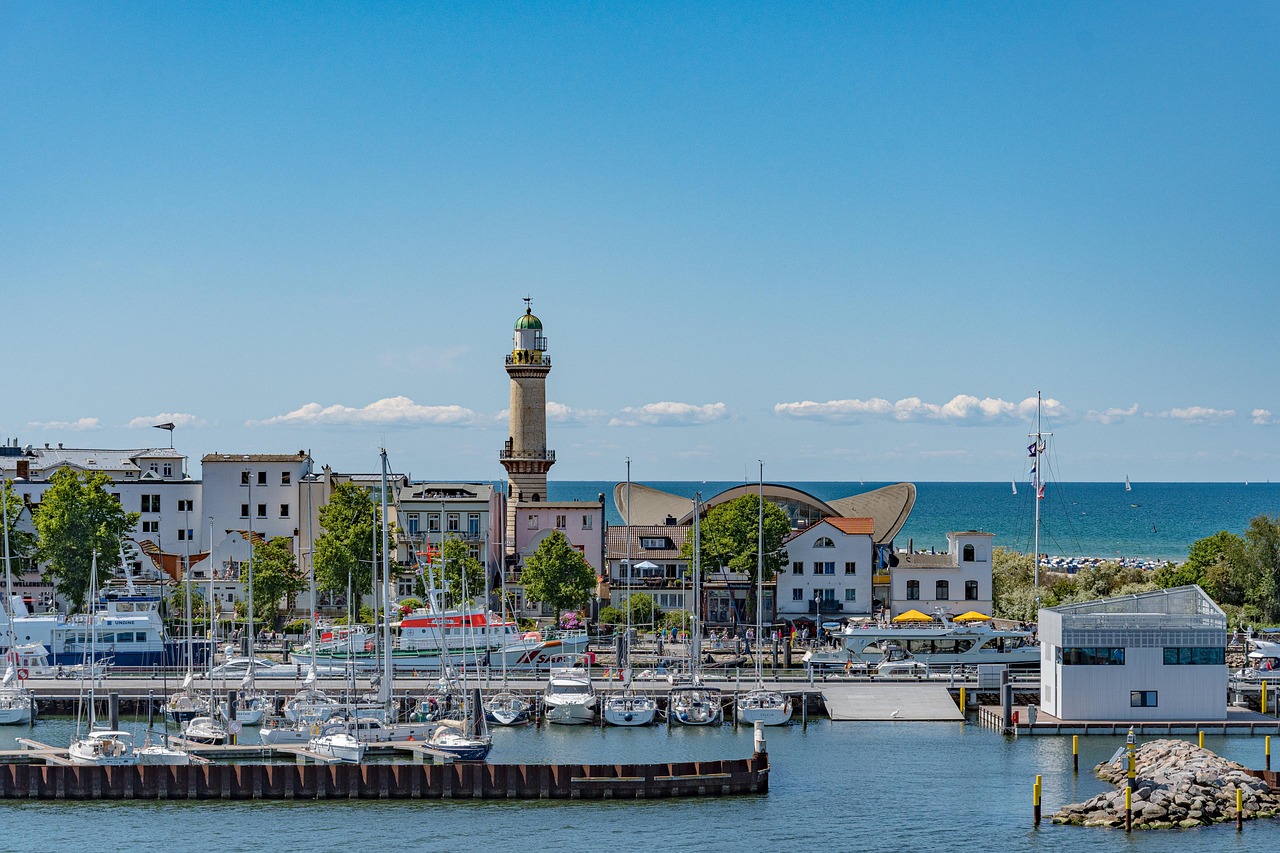
Warnemünde is technically a district of Rostock, but it feels like a self-contained seaside village with its own personality. Picture a wide, white-sand beach, a classic lighthouse by the sea, fishing boats selling fresh fish rolls straight from the harbor, and narrow streets lined with colorful gabled houses. That’s Warnemünde in a nutshell.
I first came in late May almost a decade ago, thinking it would just be a quick stop before heading to Scandinavia. Instead, I spent five days walking barefoot along the Baltic, eating too many Fischbrötchen (fish sandwiches), and watching ships glide past the pier at sunset. Since then, I’ve returned in different seasons—winter storms, summer festivals, quiet shoulder-season mornings—and watched the town evolve while keeping its soul.
What makes Warnemünde special in 2026 is how it balances being a major cruise port with feeling genuinely local. You can sip coffee in a café where fishermen still sit in the corner, then cross the street and watch one of the biggest cruise ships in the world pull into port. Families love the gentle beach and playgrounds; couples flock here for coastal walks and spa hotels; solo travelers and photographers come for the light, the sea, and the calm rhythm of harbor life.
Whether you’re planning a 3 day itinerary for Warnemünde, stretching it to 4 days in Warnemünde, or settling in for a 5 day itinerary for Warnemünde, this travel guide will help you find the best places to visit, the tastiest local food, and the small details and local customs that make your stay feel richer and more authentic.
Table of Contents
- Why Visit Warnemünde?
- About Warnemünde: A Baltic Seaside Gem
- Neighborhoods and Areas of Warnemünde
- Top 20 Attractions & Experiences in Warnemünde
- Suggested 3, 4 & 5 Day Itineraries
- Local Food & Drink in Warnemünde
- Nightlife, Entertainment & Cultural Experiences
- Major Events & Festivals 2026–2027
- Day Trips from Warnemünde
- Cultural Etiquette & Local Customs
- Practical Travel Tips & Money-Saving Advice
- Getting Around, SIM Cards & Visas
- When to Visit & Seasonal Advice
- Summary & Final Recommendations
About Warnemünde: A Baltic Seaside Gem
Warnemünde sits at the mouth of the Warnow River, where it flows into the Baltic Sea, about 14 km from the city center of Rostock in Mecklenburg–Western Pomerania. Once a sleepy fishing village, it became a fashionable seaside resort in the 19th century, when city dwellers discovered the health benefits of “taking the sea air.”
Today, Warnemünde is known for:
- Its kilometer-long sandy beach, one of the widest on Germany’s Baltic coast.
- The Warnemünde Lighthouse and the iconic Teepott building beside it.
- A busy harbor and cruise terminal where ferries, fishing boats, and cruise ships converge.
- Colorful fishing cottages and captain’s houses in the old town.
- A relaxed, family-friendly, and slightly nostalgic beach-town atmosphere.
It’s small enough to explore on foot, yet big enough that each visit can feel different. Over multiple stays, I’ve learned the rhythm of the town: quiet mornings on the pier, busier afternoons on the beach, and golden-hour strolls along the Alter Strom, the old canal lined with boats and restaurants.
Warnemünde Neighborhoods & Areas to Explore
Warnemünde is compact, but each area has its own character. Knowing where you are helps you plan your days and pick the right place to stay.
1. Old Town & Alter Strom
When you picture Warnemünde, you’re probably imagining the Old Town near the Alter Strom, the “Old Channel.” This is where fishing boats moor right in front of restaurants, and narrow side streets lead to tiny gardens and pastel-hued fishermen’s cottages.
I always book at least one night close to Alter Strom. In the early morning, before the day-trippers arrive, the only sounds are gulls and the occasional clink of rigging against masts. By afternoon, it’s lively but not overwhelming, and in the evening, it becomes a pretty, lantern-lit promenade.
2. Beachfront & Promenade
The beachfront area stretches along the Baltic, with dunes, a paved promenade, and rows of classic Strandkörbe (wicker beach chairs). Here you’ll find larger hotels, spa resorts, and beach bars. It’s the best base if your priority is a sunrise swim, long walks on the sand, or a spa weekend.
3. Station Area & Cruise Port
Right by the Warnemünde train station is the main ferry and cruise port area. On busy summer days, thousands of cruise passengers pour through here, but wander just a few blocks away and it quiets down again. This is the most convenient area if you’re arriving by train or catching an early ferry.
4. Residential Streets & Back Alleys
The charm of Warnemünde lies not only on its waterfront but in its back streets—narrow lanes like Alexandrinenstraße and Mühlenstraße, with rose-covered facades and tiny front gardens. I love wandering these areas at dusk when the windows start to glow and everything feels like a postcard.
Top 20 Attractions & Experiences in Warnemünde
Below are the must-see attractions in Warnemünde and a few hidden gems, written as I’ve experienced them over multiple visits. Each is more than a quick stop; think of them as chapters in your own story by the sea.
1. Warnemünde Lighthouse (Leuchtturm Warnemünde)
The Warnemünde Lighthouse is the town’s most iconic landmark, a slender white tower standing guard over the Baltic since 1898. From almost anywhere on the beach, you’ll see it rising above the dunes like a reassuring exclamation mark.
The first time I climbed the lighthouse was on a windy June afternoon. The keeper at the entrance chuckled as I hesitated on the stairs—“It’s only 135 steps,” he said, “and the view is your reward.” He was right. At the top, the 360-degree panorama took in the entire curve of the beach, the old town rooftops, and ships sliding in along the pier.
History & Significance: Built in the late 19th century, this brick lighthouse was crucial for guiding ships safely into the Warnow estuary. Today it’s both a functional navigation aid and a symbol of Warnemünde’s maritime heritage.
What to do:
- Climb to the top (open roughly April–October, weather permitting) for sweeping views.
- Visit early in the morning or just before closing to avoid crowds, especially on cruise days.
- Use the upper platform as your orientation point—spot the harbor entrance, cruise port, and the length of the beach you’ll walk later.
Practical tips: The stairs are narrow and a bit steep, so wear sturdy shoes. On windy days, it can be quite blustery at the top; bring a light jacket even in summer. The lighthouse is right beside the Teepott, so you can easily combine both.
2. Teepott Building & Seaside Promenade
Next to the lighthouse stands the Teepott, a curvy, wave-like building that has become almost as famous as the lighthouse itself. Inside are cafés and restaurants, but what I love most is its mid-century-modern flair against the distinctly maritime backdrop.
The first time I came here, I’d just walked along the beach in a drizzle and ducked into the Teepott café for shelter. I ended up nursing a hot chocolate for an hour, watching families chase each other around the dunes through rain-speckled windows.
History: The original Teepott was built in the 1920s, destroyed in World War II, and rebuilt in the 1960s in a distinctive East German modernist style using a shell-construction technique. It has since been renovated but still retains that retro-futuristic vibe.
What to do:
- Enjoy coffee and cake with a sea view inside one of the cafés.
- Walk the promenade in front of the Teepott—this is the heart of seaside life in Warnemünde.
- In summer, check for small events or live music that often pop up nearby.
Tip: For photography, come around golden hour. The Teepott’s white curves catch the warm light beautifully, especially with the lighthouse in the background.
3. Warnemünde Beach (Strand Warnemünde)
The beach is the reason many people come to Warnemünde—and it lives up to the hype. It’s wide, soft, and stretches for kilometers, with dunes and grassy patches that make it feel natural rather than over-developed.
On my last summer trip, I stayed in a small guesthouse near the dunes and made it a ritual to walk barefoot to the water every morning before breakfast. The Baltic is brisk even in August, but once you go numb it’s incredibly refreshing. Families set up makeshift camps with windbreakers and Strandkörbe, teens play volleyball, and older couples stroll hand in hand.
Activities:
- Swimming and sunbathing in summer (June–September).
- Long walks year-round—some of my favorite days were actually in October, in a light jacket, with the beach almost to myself.
- Kite flying and beach sports on windier days.
- Relaxing in a Strandkorb (rentable beach chair)—a very German seaside experience.
Family-friendly: The water is usually shallow near the shore, and there are lifeguard stations in high season. Many sections have playgrounds and family facilities.
Tip: For a quieter experience, walk further east or west from the main central section. You’ll quickly leave the busiest zones behind.
4. Alter Strom (Old Channel)
Alter Strom is where Warnemünde’s working harbor meets its tourist heart. This canal was once the main shipping channel; today, it’s lined with fishing boats, excursion vessels, and restaurants.
My favorite thing to do here is wander slowly along both sides of the canal, ice cream in hand, and peek into the boats selling fresh fish directly to passersby. The smell of smoked fish and sea air is intoxicating in the best way.
Highlights:
- Try a fresh Fischbrötchen from a boat or kiosk (more on that in the food section).
- Watch bridge openings as larger boats pass through.
- Browse small shops selling maritime souvenirs and local crafts.
Tip: Alter Strom gets very crowded on sunny afternoons and cruise days. If you prefer it quiet, come early morning or after dinner.
5. West Mole & East Mole (Harbor Piers)
The two long stone jetties—the West Mole and East Mole—stretch out into the Baltic and embrace the harbor entrance, each crowned with a small lighthouse. Walking out on the West Mole is one of those simple joys I never skip.
On stormy days, waves crash against the pier dramatically; on calm evenings, the water mirrors the sky. I’ve walked out here with coffee, with a camera, with friends, and once alone at dawn, when a single fishing boat glided silently past.
What to do:
- Walk to the end of the West Mole for views back to the town and beach.
- Watch ferries and cruise ships arrive and depart.
- Come at sunset for a romantic, windswept experience.
Tip: It can be very windy—even in summer—so bring a windproof layer. The surface can be slippery when wet; wear sensible shoes.
6. Alexandrinenstraße & Historic Fishing Cottages
Alexandrinenstraße is my favorite street in all of Warnemünde. It’s a narrow lane lined with low, colorful fishermen’s houses, many with tiny gardens overflowing with roses and hollyhocks in summer.
The first time I turned into this street, it felt like stepping into a painting. A cat slept on a windowsill, a woman watered her flowers, and the scent of grilled fish drifted from somewhere unseen. It’s a reminder that behind the tourist center, Warnemünde is still very much a living community.
What to look for:
- Decorative door knockers and house signs with ship motifs.
- Small plaques describing the history of certain houses.
- Side alleys (called Gänge) leading to hidden courtyards.
Respect: People live here. Keep noise down, don’t peer into windows, and be discreet with photos.
7. Edvard Munch House (Edvard-Munch-Haus Warnemünde)
Many visitors don’t realize that Edvard Munch, the Norwegian painter famous for “The Scream,” spent time in Warnemünde between 1907 and 1908. The house where he lived now hosts a small exhibition.
As a fan of art, I made a point to visit on my second trip. The museum is compact but thoughtfully curated, showing how the light and atmosphere of the Baltic coast influenced Munch’s work. Standing in the same rooms he once did, looking out at the same sky, gave me a new appreciation for both the town and the painter.
What you’ll find:
- Information on Munch’s time in Warnemünde and the works he created here.
- Rotating exhibitions of related art and culture.
- A quiet, reflective atmosphere—quite different from the busy harbor.
Tip: Combine this with a stroll through the residential streets nearby. Check current opening hours; they can vary by season.
8. Warnemünde Heimatmuseum (Local History Museum)
The Heimatmuseum is housed in one of the town’s oldest buildings, a typical gabled fisherman’s house. It’s not flashy, but if you enjoy understanding a place beyond the surface, it’s worth an hour or two.
I ducked in on a chilly March afternoon and ended up staying longer than planned, chatting (in a mix of German and English) with a volunteer who shared stories of Warnemünde’s past as a fishing village, a GDR-era seaside resort, and a modern cruise port.
Highlights:
- Exhibits on fishing and seafaring traditions.
- Old photos showing the town through different eras.
- Models of ships and local architecture.
Tip: This is a good rainy-day activity or a break from the sun. It’s small, so even kids with short attention spans usually manage fine.
9. Cruise Port & Ship-Spotting
Warnemünde is one of the Baltic’s most important cruise ports. Even if you’re not arriving by cruise ship, watching these floating cities glide in and out is an experience.
On one memorable summer evening, I joined dozens of locals and visitors lining the West Mole to wave off a departing ship. The ship responded with a long, echoing horn blast, answered by smaller boats in the harbor—a surprisingly emotional moment.
What to do:
- Check the port schedule online, then head to the pier when big ships are due.
- Take photos from the West Mole or the beach as they approach or depart.
- Watch the bustle around the cruise terminal from a distance if you’re curious.
Tip: On heavy cruise days, central Warnemünde can feel very busy mid-morning to mid-afternoon. Plan beach time or a side trip to Rostock during those hours.
10. Harbor & Canal Boat Tours
Harbor tours are a classic thing to do in Warnemünde. Boats depart from the Alter Strom and cruise along the Warnow River, past shipyards, cargo terminals, and natural riverbanks.
I’ve done this twice: once on a bright July afternoon with a group of friends, and once in late September wrapped in a scarf. Both times, the perspective of seeing the town from the water, and the scale of the shipyards and industrial areas, reminded me that Warnemünde is not just a pretty resort but also a working port.
Types of tours:
- Short harbor cruises (about 1–1.5 hours) with commentary.
- Longer trips towards Rostock or into the surrounding estuary.
- Occasional themed cruises (sunset, music, etc.).
Tip: Bring a windproof layer; it’s always cooler on the water. If you don’t understand German, ask if they have printed English summaries or audio guides.
11. Warnemünde Church (Warnemünder Kirche)
Set slightly back from the main tourist streets, the Warnemünde Church is a red-brick building surrounded by a quiet churchyard. It’s a peaceful stop, with maritime-themed memorials and artifacts inside that reflect the town’s close relationship with the sea.
I often pass through the churchyard on my way between the station and the beach. If the doors are open, I’ll step in for a minute of cool, echoing calm, sometimes accompanied by the faint sound of an organ rehearsal.
What to see:
- Maritime memorials and model ships inside the church.
- The surrounding churchyard, which feels like a small green oasis.
Tip: Respect services and quiet times; if a service is in progress, wait outside unless you intend to participate.
12. Kurpark Warnemünde (Spa Park)
The Kurpark is a landscaped park just behind the promenade, with lawns, flowerbeds, and walking paths. Historically, spa guests would stroll here between treatments; today, it’s a favorite spot for picnics, reading, and letting kids run around.
On my spring visits, the Kurpark has been a riot of tulips and blossoming trees. On a hot July afternoon, I once escaped here with a book and an ice cream, grateful for the shade.
Activities:
- Relax on a bench and people-watch.
- Let kids play on small playgrounds.
- Check for open-air concerts or events in summer.
13. Beach Train & Coastal Walks
In high season, a small tourist “beach train” (a road train) runs along parts of the coast, popular with families and anyone who prefers not to walk long distances on sand. Even if you don’t ride it, walking or cycling along the coastal path is a must.
One of my favorite half-days was renting a bike and following the path out of town, watching the architecture shift from classic villas to quieter residential areas and eventually to more open, natural coast.
Tip: If you’re staying several days and enjoy cycling, consider renting a bike for your whole stay. The terrain is mostly flat and very manageable.
14. Spa & Wellness Experiences
Warnemünde’s history as a seaside resort means you’ll find a good number of spa hotels and wellness centers. In true northern German style, many feature saunas, steam baths, and thalasso (sea-water) treatments.
I splurged on a day spa pass on a cold, grey January visit. After a morning walk on the beach in a stiff wind, spending the afternoon alternating between warm pools, saunas, and a rest room with sea views felt incredibly indulgent.
Good for:
- Couples on a romantic break.
- Winter trips when beach swimming is off the agenda.
- Anyone needing to recharge after too much sightseeing elsewhere.
Tip: In Germany, many saunas are textile-free (no bathing suits), and mixed-gender. If you’re not comfortable with this, look for “textil” or women-only times.
15. Local Markets & Fish Stalls
Warnemünde’s markets are small but atmospheric, especially anything involving fresh fish. Along Alter Strom and near the harbor you’ll find boats and stalls selling fish straight from the Baltic.
One Saturday morning, I watched an elderly couple debate the merits of two different types of herring with a fishmonger, finally walking away triumphant with a paper-wrapped bundle. Even if you’re not cooking, it’s a fun slice of local life.
Tip: Ask stallholders what’s local and in season. They’re usually happy to explain, even if your German is minimal.
16. Historic Villas & Architecture Walk
Behind the beachfront and around the Kurpark are rows of elegant seaside villas—some lovingly restored, others a bit faded but still grand. A self-guided architecture walk here is a great way to spend a couple of hours.
I like to start near the Kurpark and wander seawards and back, noticing the mix of styles: ornate 19th-century villas, GDR-era buildings, and contemporary hotels. The contrast tells the layered story of Warnemünde’s evolution.
Tip: Look up—many facades have beautiful stucco work, balconies, and decorative details that are easy to miss if you’re focused on your feet.
17. Evening Harbor Skyline & Lights
Warnemünde doesn’t have skyscrapers, but at night the combination of ship lights, harbor cranes, and the illuminated lighthouse creates its own kind of skyline. A stroll along the water after dark is atmospheric and surprisingly romantic.
On one autumn evening, I stood on the riverbank watching container cranes slowly move against a deep blue sky, small boats slipping past like fireflies. It’s a side of Warnemünde many beach-only visitors miss.
18. Festival Grounds & Event Areas
Several open spaces near the harbor and beachfront transform into festival grounds during major events like the Warnemünder Woche. Even outside of big festivals, you might stumble across small fairs, music stages, or seasonal markets.
I once arrived with no idea a sailing regatta was on, and ended up spending most of a day watching races, browsing stalls, and listening to live bands. That’s the fun of Warnemünde—its event calendar can pleasantly surprise you.
19. Sunset & Sunrise Viewpoints
Sunrise and sunset along the Baltic are magical. In summer, the sun sets late, painting the sky in pastels; in winter, it hangs low and golden at a much more reasonable hour.
My favorite spots are the West Mole for sunset and the open beach east of the lighthouse for sunrise. One April morning, I dragged myself out of bed before 6 a.m. and had the entire shoreline nearly to myself as the sun crept up over the horizon.
3, 4 & 5 Day Itineraries for Warnemünde
Whether you have 3 days in Warnemünde or are planning a 5 day itinerary for Warnemünde, these suggested routes blend the best places to visit in Warnemünde with hidden corners, local food, and downtime. Think of them as frameworks you can adapt.
3 Day Itinerary for Warnemünde
Day 1: First Taste of the Baltic – Lighthouse, Beach & Alter Strom
When friends ask for a 3 day itinerary for Warnemünde, this is more or less how I tell them to spend their first day.
Morning: Arrive by train or car and drop your bags at your accommodation near the Old Town or beach. Start with a walk along the promenade, heading straight for the Warnemünde Lighthouse and Teepott. Climb the lighthouse if it’s open, using the view to orient yourself.
Afterward, take a slow stroll along the beach. Kick off your shoes if the weather allows; even in cooler months, walking on the packed sand near the water is invigorating. I like to walk a little way east, away from the crowds, just to get a feel for the scale of the shoreline.
Lunch: Head to the Alter Strom for your first Fischbrötchen (fish sandwich). I usually go for a simple Bismarck herring roll with onions and a squeeze of lemon from one of the boats. Find a spot on the edge of the canal and watch boats drift by as you eat.
Afternoon: Wander the streets behind Alter Strom—Alexandrinenstraße, Mühlenstraße, and the narrow lanes in between. Pop into the Heimatmuseum if you’re up for some history. Take your time; today is about settling into the rhythm of Warnemünde rather than ticking boxes.
Evening: Return to the harbor for a classic activity: walking out along the West Mole for sunset. Bring a light jacket, even in summer. Afterward, pick a restaurant along Alter Strom or a quieter side street. I gravitate towards places with simple, well-prepared fish dishes and a short, seasonal menu.
By the time you head back to your room, you’ll have walked much of the town and started to feel at home.
Day 2: Maritime Heritage & Harbor Life
Morning: After breakfast—ideally at a café with outdoor seating in good weather—make your way to the harbor for a boat tour. Choose a harbor cruise that lasts about 1–1.5 hours. You’ll glide past shipyards, cargo terminals, and natural stretches of riverbank, with commentary about the port’s history.
On one of my trips, fog hung low over the harbor as we departed, slowly lifting to reveal cranes and ships in soft light. It was unexpectedly atmospheric and gave me a new appreciation for the industrial side of the region.
Lunch: Back on dry land, grab lunch either at the harbor or in a side-street bistro. If you’ve had your fill of fish for the moment, most places also offer hearty German classics and lighter salads.
Afternoon: Spend some time at the Warnemünde Church and wander through the Kurpark. If you’re traveling with kids, this is a good time to let them play in the park while adults relax on a bench.
If the weather turns, this is a perfect afternoon for the Edvard Munch House, followed by a warm drink in a café.
Evening: Check if there’s any live music or small events happening—sometimes there are concerts or performances in or around the Kurpark or harbor areas. Otherwise, enjoy a relaxed dinner and a post-meal stroll along Alter Strom, now lit up and calmer than in the afternoon.
Day 3: Free Day – Beach, Spa, or Rostock Side Trip
With only 3 days in Warnemünde, your third day is your flex day. Depending on your interests and the weather, you can:
- Dedicate the day to the beach, renting a Strandkorb and embracing full relaxation.
- Book a spa day at a local wellness hotel—particularly appealing in winter or shoulder season.
- Take a short day trip to Rostock, exploring its historic center, churches, and university quarter (more details in the day trips section).
On my own third day the first time I visited, I chose the beach-and-book option, punctuated by periodic swims and snack runs. I left feeling more rested than after many longer trips.
4 Day Itinerary for Warnemünde
If you have 4 days in Warnemünde, you can slow down even more and add deeper cultural experiences.
Day 1 & 2: As per the 3-Day Itinerary
Follow the Day 1 and Day 2 suggestions above to get oriented and immersed in Warnemünde’s main sights.
Day 3: Architecture, Hidden Gems & Café Hopping
Morning: After a leisurely breakfast, set out on a self-guided architecture walk. Start near the Kurpark and wander through streets with historic villas and newer buildings, paying attention to facades, balconies, and decorative details.
I like to bring a camera on days like this and focus on small architectural moments: a carved doorway, a wrought-iron balcony, a mosaic tile.
Lunch: Find a small café—perhaps in one of those hidden courtyards off Alexandrinenstraße—and linger over soup, salad, or cake. Ask the staff about their favorite less-touristed corners of town; locals often point out lanes or viewpoints you might have missed.
Afternoon: Dedicate the afternoon to unstructured exploration. Turn down streets you haven’t walked yet, browse local shops, and maybe pick up a small maritime souvenir.
Evening: Consider a more special dinner tonight—maybe at a slightly upscale restaurant overlooking the harbor. If the sky is clear, walk the beach afterward and enjoy the sound of waves in the dark.
Day 4: Spa & Wellness or Extended Harbor Exploration
On a 4 day itinerary for Warnemünde, the last day is perfect for wellness or deeper maritime exploration.
Option 1 – Spa Day: Book a half or full day at a local spa hotel. Enjoy pools, saunas, and treatments, punctuated by short beach walks. This is ideal for couples or anyone needing real rest.
Option 2 – Harbor & Port Focus: If ships fascinate you, spend more time around the cruise port and industrial harbor. Take another boat tour with a different route, or walk along the riverbank paths as far as your legs will carry you.
In the evening, enjoy one last meal of local seafood and a final stroll along Alter Strom.
5 Day Itinerary for Warnemünde
A 5 day itinerary for Warnemünde gives you space to truly slow down and also explore the surroundings a bit.
Day 1–3: Core Warnemünde Experiences
Use the 3-day plan for your first three days: lighthouse, beach, Alter Strom, boat tour, Kurpark, Munch House, and your choice of beach/spa/Rostock.
Day 4: Day Trip – Rostock & Hanseatic Heritage
Morning: Take a short train ride from Warnemünde to Rostock (about 20 minutes, trains run frequently). From Rostock Hauptbahnhof, either walk or take a tram into the historic center.
Explore the brick Gothic Marienkirche (St. Mary’s Church), the university area, and the old city walls and gates. The contrast between Warnemünde’s resort feel and Rostock’s Hanseatic city character is striking.
Lunch: Eat at a traditional German restaurant or modern café in Rostock’s center.
Afternoon: Continue exploring Rostock’s old town, then head back to Warnemünde in the late afternoon for a sunset beach walk.
Day 5: Coastal Walks & Reflection
On the final day of 5 days in Warnemünde, I like to keep things simple and reflective.
Morning: Take a long walk along the beach, either east or west. Pack a simple picnic and find a spot sheltered by dunes.
Afternoon: Do any last-minute shopping, revisit your favorite café, or sit on the promenade and watch the world go by. If there’s a ship departure scheduled, head to the West Mole one last time to wave it off.
Evening: For your final night, choose a restaurant you haven’t tried yet and toast the Baltic with a local beer or a glass of crisp German white wine.
Local Food & Drink in Warnemünde
Food is a big part of any travel guide for Warnemünde. Here’s what to eat, where to find it, and how to save money while still eating well.
Signature Dishes & Local Specialties
- Fischbrötchen: The iconic fish sandwich of northern Germany. Typically herring (matjes, Bismarck), mackerel, or fish filet in a crusty roll with onions, pickles, and sauce. My go-to lunch on most days in Warnemünde.
- Geräucherter Fisch: Smoked fish, often mackerel, eel, or salmon, sold at stalls and boats. Great as a snack or to take back to your accommodation.
- Fischsuppe: Fish soup, sometimes creamy, sometimes tomato-based. Perfect on cooler days.
- Labskaus: A traditional sailor’s dish of corned beef, potatoes, beetroot, and herring, more common in northern Germany generally but sometimes found here.
- Sanddorn (Sea Buckthorn): Tangy orange berries used in juices, jams, liqueurs, and desserts. Try a Sanddorn cake or hot Sanddorn drink in cooler months.
Where to Eat: Personal Favorites
Restaurant scenes change, but certain types of places have become my staples:
- Harbor Fish Stalls (Alter Strom): For Fischbrötchen and smoked fish. Look for the busiest boats—locals usually know what’s good. Prices are reasonable, and portions are generous.
- Cafés in Side Streets: Along Alexandrinenstraße and nearby lanes, you’ll find small cafés with homemade cakes and light meals. These are ideal for slow mornings or mid-afternoon breaks.
- Beachfront Restaurants: Some are touristy, but a few offer excellent seafood with sea views. Check menus for daily specials and seasonal fish.
- Budget-Friendly Imbisse: Small snack bars and kiosks serve bratwurst, fries, and simple dishes at lower prices—handy if you’re watching your budget.
Saving Money on Food
Warnemünde can be as affordable or as indulgent as you make it.
- Self-cater breakfasts: If your accommodation has a fridge, pick up bread, cheese, and fruit from a supermarket and make your own breakfast some days.
- Lunch over dinner: Make lunch your main hot meal when some restaurants offer deals, and keep dinner lighter with a Fischbrötchen or supermarket picnic.
- Tap water is safe: Ask for “Leitungswasser” if you’d like tap water; it’s drinkable and saves money over bottled.
Drinks: Beer, Wine & More
- Local beers: You’ll find a variety of German beers on tap; try regional brews if available.
- German white wine: Riesling and other whites pair well with fish and are widely available by the glass.
- Sanddorn drinks: Try hot Sanddorn punch in winter or Sanddorn juice in summer.
- Coffee culture: Coffee and cake in the afternoon (“Kaffee und Kuchen”) is practically an institution; join in at least once.
Nightlife, Entertainment & Cultural Experiences
Warnemünde is more about relaxed evenings than wild nightlife, but there’s still plenty to do after dark.
Relaxed Nightlife
- Harbor Bars: Along Alter Strom you’ll find bars and pubs where you can sit outside with a drink, especially in summer.
- Beach Bars: Seasonal beach bars set up on or near the sand, perfect for a sunset cocktail.
- Hotel Bars: Some larger hotels have lounge bars that welcome non-guests, often with sea views.
Cultural Experiences
- Concerts & Performances: In summer, look for open-air concerts in the Kurpark or near the promenade.
- Church Music: The Warnemünde Church occasionally hosts organ concerts; check local listings.
- Festivals: Time your visit to coincide with one of the big events (see next section) for sailing regattas, music, and more.
Family-Friendly Evenings
- Evening walks on the beach collecting shells.
- Ice cream along Alter Strom while watching the boats.
- Early-evening playground time in the Kurpark or near the beach.
Romantic Ideas
- Sunset on the West Mole, then dinner by candlelight at a harbor restaurant.
- Couples’ spa evening with sea-view relaxation lounges.
- Nighttime stroll through the back streets, admiring softly lit houses and gardens.
Major Events & Festivals in Warnemünde (2026–2027)
Event dates can shift slightly each year, but these are the key happenings to look out for in 2026–2027. Always confirm exact dates closer to your trip.
Warnemünder Woche (Warnemünde Week)
When: Usually early July (expected July 2026 & July 2027)
What: A major sailing regatta and festival with boat races, maritime parades, live music, food stalls, and cultural events.
I once stumbled into Warnemünde during this week and was blown away by the energy—sails dotting the horizon, concerts in the evening, and a general sense of celebration. If you love sailing or just a festive atmosphere, it’s a fantastic time to visit, though accommodation prices rise and you should book well in advance.
Hanse Sail (based in Rostock, spilling into Warnemünde)
When: Typically August
What: One of the world’s largest gatherings of traditional sailing ships, based mainly in Rostock but with plenty of action visible from Warnemünde.
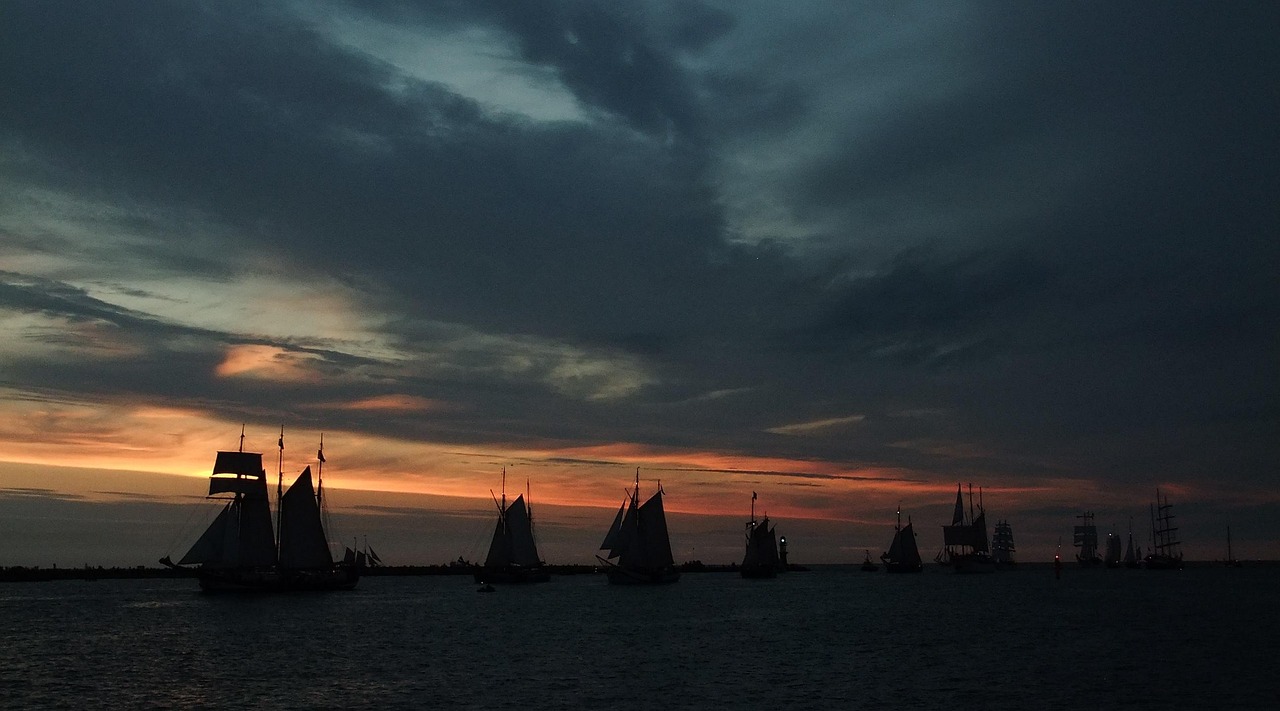
Expect tall ships, parades of sails, and plenty of maritime flair. It’s an excellent time for ship-spotting from the piers.
Seasonal Markets & Smaller Events
- Spring & Summer: Smaller street festivals, open-air concerts, and possibly food fairs.
- Autumn: Harvest-themed markets and culinary events focusing on regional produce.
- Winter: Rostock hosts a large Christmas market; Warnemünde sometimes has smaller seasonal offerings and New Year’s beach gatherings.
Travel Scene in 2026
By 2026, Warnemünde continues to evolve as both a cruise hub and a standalone destination. Expect:
- Further improvements in sustainable tourism initiatives, including waste reduction on the beach and more bike-friendly infrastructure.
- A growing number of small, design-oriented guesthouses in renovated historic buildings.
- More English-language information at key tourist points, thanks to increasing international visitors.
Day Trips & Nearby Attractions
Warnemünde makes a great base for exploring part of Germany’s Baltic coast. Here are some popular day trips from Warnemünde.
Rostock
Distance: About 20 minutes by train from Warnemünde.
Rostock is a historic Hanseatic city with brick Gothic churches, old town walls, and a youthful university atmosphere. I like to visit for a contrast to the beach town vibe—wander cobbled streets, climb church towers, and sit in cafés that feel more urban than anything in Warnemünde.
Highlights: Marienkirche (St. Mary’s Church), Kröpeliner Straße (main shopping street), city harbor, and the university quarter.
Other Baltic Towns & Beaches
With a car or by using regional trains and buses, you can reach other Baltic seaside destinations like:
- Smaller coastal resorts and natural stretches of beach.
- Nature reserves and bird-watching areas along the coast.
Ask at your accommodation for current recommendations; locals often know which nearby beaches are quieter or especially beautiful at certain times of year.
Cultural Etiquette & Local Customs in Warnemünde
Understanding a few local customs makes any visit smoother and more respectful.
Language
- German is the main language. In 2026, many people working in tourism speak at least basic English.
- Learning a few phrases goes a long way: “Guten Tag” (good day), “Bitte” (please/you’re welcome), “Danke” (thank you).
Greetings & Politeness
- It’s customary to say a brief greeting when entering small shops or cafés.
- Germans tend to be direct but polite; don’t mistake succinctness for rudeness.
Tipping
- Service is not included in the same way as in some countries; a 5–10% tip in restaurants is standard if you’re happy with the service.
- Round up taxi fares and small bills.
Beach Etiquette
- Stick to designated swimming and dog areas if signposted.
- Topless sunbathing is not uncommon, but full nudity is usually limited to specific FKK (nude) areas; check signs.
- Take your trash with you or use bins; beach cleanliness is taken seriously.
Quiet Hours & Sunday Customs
- Residential areas observe general quiet hours, especially late at night. Keep noise down when walking back to your accommodation.
- Many shops are closed on Sundays, though restaurants and some tourist-oriented places remain open.
Practical Travel Tips & Money-Saving Advice
Where to Stay
- Beachfront hotels: Great for sea views and spa facilities. Best for couples and those prioritizing comfort.
- Old Town guesthouses: Charming, often in historic buildings, close to Alter Strom and restaurants.
- Budget options: Smaller pensions or apartments slightly back from the beach can be more affordable.
How to Save Money
- Travel in shoulder seasons (May–June, September–early October) for lower prices and fewer crowds.
- Use regional trains and day passes when exploring beyond Warnemünde.
- Balance restaurant meals with supermarket picnics and market snacks.
- Consider an apartment if staying 4–5 days; being able to cook some meals saves a lot.
Safety & Health
- Warnemünde is generally very safe; standard city precautions apply.
- In summer, the sun and wind combination can be deceptive—use sunscreen and bring layers.
- Tap water is safe to drink.
Getting Around, SIM Cards & Visa Information
Arriving in Warnemünde
- By Train: Frequent regional trains connect Warnemünde with Rostock and beyond. From the station, it’s a short walk to the beach and Old Town.
- By Car: Parking near the center can be limited and paid; look for designated lots slightly outside the busiest zones.
- By Cruise Ship: Many visitors arrive as part of a Baltic Sea cruise; the terminal is within walking distance of town.
Getting Around Town
- On Foot: The entire town is easily walkable; this is how I get around 90% of the time.
- By Bike: Bike rentals are widely available and perfect for exploring along the coast.
- Public Transport: Trains and regional buses connect Warnemünde with Rostock and other towns.
SIM Cards & Connectivity
- In 2026, EU roaming makes things easy for EU citizens; your existing plan may cover Germany.
- For non-EU visitors, buy a prepaid SIM from major providers (Telekom, Vodafone, O2) in Rostock or online in advance. Look for tourist packages with generous data.
- Many hotels, cafés, and restaurants offer free Wi-Fi.
Visa Requirements
- Germany is part of the Schengen Area. Many nationalities can enter visa-free for short stays (up to 90 days in 180) for tourism.
- Always check up-to-date visa requirements with your country’s foreign office or the German embassy before traveling.
Driving & Foreign Licenses
- Foreign driver’s licenses from many countries are accepted; an International Driving Permit is recommended if your license is not in English or German.
- Roads in and around Warnemünde are generally good and well-signposted.
- Remember that parking in the center can be limited; consider whether you really need a car for your stay.
When to Visit Warnemünde & Seasonal Advice
Each season in Warnemünde has its own mood and set of things to do in Warnemünde.
Summer (June–August)
- Best for: Swimming, sunbathing, festivals, family holidays.
- Pros: Warmest weather, long days, full event calendar.
- Cons: Busiest time, higher prices, more cruise ships.
Shoulder Seasons (May–June, September–early October)
- Best for: Balanced weather, fewer crowds, lower prices.
- My personal favorite times to visit—cool mornings, sunny afternoons, and a quieter town.
Autumn & Winter (Late October–April)
- Best for: Storm watching, spa breaks, peaceful walks.
- Pros: Very few tourists, lower accommodation costs, atmospheric weather.
- Cons: Cold, windy, some seasonal closures, swimming mostly for the brave.
Best Seasons for Specific Activities
- Beach-focused trips: Late June–August.
- Cultural experiences & festivals: June–August (especially during Warnemünder Woche and Hanse Sail).
- Budget-friendly, quiet retreats: March–May and September–November.
- Spa & wellness emphasis: November–March.
Summary & Final Recommendations
Warnemünde may not have the skyscraper skyline of major cities, but its “skyline” of lighthouses, masts, dunes, and harbor cranes is every bit as memorable. Over multiple visits, I’ve come to see it as a place that slows you down in the best way: long walks on the beach, lingering café conversations, ship-spotting from the pier, and quiet evenings watching the light fade over the Baltic.
For a 3 day itinerary for Warnemünde, focus on the essentials: lighthouse, beach, Alter Strom, a boat tour, and one day of free exploration or a side trip to Rostock. With 4 days in Warnemünde, add architecture walks and either a spa day or deeper harbor exploration. With 5 days in Warnemünde, you have time to truly settle into the town’s rhythm, explore the wider region, and still have unplanned hours to simply sit on a dune and watch the waves.
Whenever you come—whether for family fun, a romantic escape, or an introspective solo break—you’ll find that Warnemünde rewards those who slow down, look closely, and let the sea set the pace.