Why Visit Würzburg?
Würzburg sits on a scenic curve of the Main River in northern Bavaria, forming the southern gateway to the Romantic Road. It’s a city where wine, baroque architecture, and a vibrant student population collide in a very walkable, very livable center. It’s compact enough to feel intimate but rich enough in history and culture to keep you busy for days.
What makes Würzburg special for me is the contrast: you can sip Franconian wine on a medieval bridge in the afternoon, listen to world‑class classical music in the evening, then end the night in a tiny vaulted wine bar where locals squeeze in shoulder to shoulder. Families find it easy to explore, couples get plenty of romantic viewpoints, and solo travelers quickly feel at home.
- Architecture & History: The Residenz palace, fortress, and churches tell a story that stretches from prince‑bishops to post‑war reconstruction.
- Wine Culture: Würzburg is the heart of the Franconian wine region—expect crisp Silvaner in classic Bocksbeutel bottles and vineyards right above the city.
- Livable Scale: Almost everything in the historic center is walkable, with trams for when your feet give up.
- Good Base: Excellent rail connections make it a perfect base for day trips to Bamberg, Rothenburg ob der Tauber, and the Romantic Road.
Table of Contents
- Why Visit Würzburg?
- Quick Overview of Würzburg in 2026
- Suggested Itineraries (3–5 Days in Würzburg)
- 20+ Must‑See Attractions in Würzburg
- Neighborhoods & Areas to Explore
- Local Food in Würzburg & Where to Eat
- Nightlife, Entertainment & Cultural Experiences
- Best Day Trips from Würzburg
- Major Events & Festivals 2026–2027
- Cultural Etiquette & Local Customs
- Practical Travel Advice for Würzburg
- Summary & Best Time to Visit Würzburg
Quick Overview of Würzburg in 2026
Population: ~130,000, including a large student community at the University of Würzburg.
Location: Northern Bavaria (Unterfranken / Lower Franconia), about 1 hour by ICE from Frankfurt, 1.5 hours from Nuremberg, 2 hours from Munich.
In 2026, Würzburg feels busier than it did a decade ago, but it still isn’t overwhelmed by tourism. There’s ongoing investment in riverfront paths, bike infrastructure, and cultural events, especially around the Residenz and fortress. Wine festivals and open‑air concerts are thriving again, and local winemakers are leaning into sustainable, small‑batch production.
Suggested Itineraries: 3–5 Days in Würzburg
I’ll outline three flexible itineraries so you can choose between 3 days in Würzburg, a more relaxed 4 days, or a deep‑dive 5 day itinerary for Würzburg. All are designed so you can mix and match days, depending on your interests.
3 Day Itinerary for Würzburg: The Essentials
If you only have 3 days in Würzburg, this plan focuses on the best places to visit in Würzburg: the Residenz, fortress, old town, and the vineyards. You’ll still have time for long lunches and an evening glass of wine on the bridge.
Day 1: Residenz, Old Town & the Alte Mainbrücke
I like to start my first day in Würzburg with a slow wander through the city’s baroque heart. Drop your bags at your hotel or guesthouse and head straight for the Residenz area.
Morning: Würzburg Residence (Residenz) & Court Gardens
The Würzburger Residenz is the city’s showpiece and an absolute must‑see attraction in Würzburg. I still remember my first visit years ago: I walked into the grand staircase hall and literally stopped in my tracks. The ceiling fresco by Tiepolo stretches overhead like it’s about to float away.
Arrive around opening time (usually 9:00) to avoid crowds. The audio guide in English is excellent and included with admission. The flow takes you through:
- The grand staircase with its immense fresco.
- The Imperial Hall with shimmering stucco and mirrors.
- Ornate apartments of the prince‑bishops.
Allow 1.5–2 hours inside. Photography is restricted in some areas—check the signs and respect the rules, as the interiors are fragile.
After the palace, step out into the Hofgarten (court gardens). In spring, the geometric beds explode with tulips; in autumn, the vines on the surrounding walls glow gold. I love grabbing a takeaway coffee from a nearby café and finding a bench under the lime trees.
Lunch: Franconian Classics Near the Residenz
For a first taste of local food in Würzburg, head to a traditional Franconian restaurant within walking distance of the Residenz. Many serve hearty dishes like Schäufele (roasted pork shoulder), Bratwurst, and Kloß (potato dumplings). I often opt for a lighter plate—maybe Obatzda (cheese spread) with bread—so I don’t fall asleep in the afternoon.
Afternoon: Old Town Wander
From the Residenz, walk downhill into the Altstadt (Old Town). I like to follow a loose loop:
- Dom St. Kilian (Würzburg Cathedral)
- Neumünster church and Lusamgärtchen courtyard
- Marktplatz with the Marienkapelle and market stalls
- Shopping streets like Domstraße and Schönbornstraße
Pop into bakeries for a Butterbreze (buttered pretzel) or seasonal pastries. I usually end up lingering by the fruit and flower stalls at the market, people‑watching and snacking on fresh berries in summer.
Late Afternoon & Sunset: Alte Mainbrücke
As the sun starts to sink, follow the streets down to the river and step onto the Alte Mainbrücke, Würzburg’s famous old stone bridge lined with statues of saints. This is where the city comes to life on warm evenings: locals buy a Brückenschoppen (a glass of wine in a real glass), then stand on the bridge chatting as the light turns golden over the fortress and vineyards.
The first time I brought friends here, they thought we’d stumbled onto some secret party, but it’s just a normal Würzburg evening. It’s family‑friendly early in the evening; later, it becomes more of a student and young‑crowd hangout.
Dinner: Riverside or Old Town
For a romantic first night, choose a restaurant with river views or a cozy vaulted interior near the bridge. Many offer regional dishes paired with local Silvaner or Riesling.
Day 2: Fortress, Vineyards & Riverfront
Day two is about views: up to the fortress, through the vineyards, and along the river. Wear comfortable shoes and be ready for a bit of uphill walking.
Morning: Climb to Festung Marienberg
From the Alte Mainbrücke, cross to the left bank (the fortress side) and follow the paths upward through the vineyards to Festung Marienberg. The climb takes about 20–30 minutes at a relaxed pace, with constant views back over the city and river.
Near the top, you pass old fortifications and bastions. Inside the fortress complex, visit:
- The Fürstenbaumuseum (museum of Franconian history).
- The Mainfränkisches Museum with regional art and artifacts.
- The fortress courtyards and viewpoints over the city.
I often bring a small snack or pastry and sit on the outer walls for a mid‑morning break. On clear days, you can see far up and down the Main valley.
Lunch: Downhill to the City
After exploring, walk back down on a different path—either through the vineyards or the wooded path—ending at the riverfront. Choose a casual lunch spot in the Altstadt or near the bridge; there are several places offering light meals, salads, and regional specialties.
Afternoon: River Walk & Kranenkai
In the afternoon, I recommend a slow walk along the river between the Alte Mainbrücke and the old crane (Alter Kranen). This stretch has beer gardens, grassy banks, benches, and lovely views back to the bridge and fortress.
In summer, locals sunbathe and students gather with guitars. Families with kids will find playgrounds along the riverside. If you want to be on the water, look for short boat cruises departing from near the bridge or upstream; they’re a relaxed way to see Würzburg from a different angle.
Evening: Wine Tasting
Dedicate your second evening to Franconian wine. Book a tasting at one of the city’s wineries or wine bars, or simply drop into a cozy Weinstube (wine tavern). Try:
- Silvaner – the regional star, crisp and mineral.
- Riesling – aromatic, from dry to off‑dry.
- Bacchus – fruitier and more floral.
Many places offer small plates of cheese, sausages, or bread to accompany the wines, and the atmosphere is usually relaxed rather than formal.
Day 3: Churches, Museums & Hidden Corners
Your third day can be a mix of deeper dives into culture and some lesser‑known corners of the city—perfect if you’re into architecture, history, or just wandering.
Morning: Churches & Art
Start with any churches you didn’t see on day one: Marienkapelle on the market square, Neumünster, or smaller chapels tucked into side streets. Then consider a visit to the Museum im Kulturspeicher, housed in a former granary by the river, for modern and contemporary art.
Afternoon: Detours & Cafés
Spend the afternoon exploring side streets off the main pedestrian zone. I like the area around Bronnbachergasse and the quieter residential streets leading away from the center—this is where you stumble upon small design shops, artisan bakeries, and second‑hand bookstores.
Settle into a café for a slice of cake—try Apfelstrudel or a rich chocolate torte— and enjoy one last long coffee before your departure.
If you’re leaving in the evening, you might squeeze in a final stroll along the river or another quick visit to the Alte Mainbrücke to say goodbye.
4 Day Itinerary for Würzburg: Wine, Walks & Nearby Villages
With 4 days in Würzburg, you can slow down, add a half‑day excursion, and linger longer over wine and viewpoints. Day 4 is flexible: choose between more museums, nature walks, or a short trip to a nearby wine village.
Day 4: Vineyards & Nearby Franconian Villages
My favorite way to spend an extra day is to follow the wine. Consider a half‑day trip to a nearby village like Randersacker or Sommerhausen.
Option 1: Randersacker
Just a short bus ride or bike ride from Würzburg, Randersacker is a classic Franconian wine village, with vineyards rising steeply above the river and narrow streets lined with traditional houses.
I’ve rented a bike in Würzburg several times and followed the river path to Randersacker. It’s an easy, mostly flat ride, suitable for families with older kids, and you’re almost always within sight of the water.
Once there, visit a winery for a tasting, stroll through the village, and, if you’re up for it, hike a short loop through the vineyards for views back toward Würzburg. Many wineries offer simple meals or snacks—perfect for a long, lazy lunch.
Option 2: Sommerhausen
Sommerhausen, further along the Main, feels like stepping into a storybook, with half‑timbered houses, a preserved medieval wall, and more wine cellars than you’ll have time to visit.
It’s especially atmospheric in shoulder seasons when the streets are quiet and the vineyards are turning green or gold. I like coming here on slightly overcast days—it makes the colors of the houses pop in photos.
Evening: Back in Würzburg
Return to Würzburg for dinner and a relaxed final evening. If you haven’t yet, this is a good night to explore a more local pub or student bar in the Sanderau or near the university area.
5 Day Itinerary for Würzburg: Deep Dive into Franconian Life
A 5 day itinerary for Würzburg is ideal if you want to really sink into the city’s rhythm, hit more cultural experiences in Würzburg, and add a full day trip into the countryside.
Day 5: Full Day Trip – Romantic Road or Bamberg
Option 1: Rothenburg ob der Tauber (Romantic Road)
Rothenburg ob der Tauber is one of Germany’s best‑preserved medieval towns and an easy day trip from Würzburg by train and bus or by rental car. It’s touristy, yes, but still magical— especially in the early morning or late afternoon when day‑trippers thin out.
Walk the city walls, explore the market square, and sample Schneeballen, the local pastry specialty. I like to do Rothenburg as a relaxed walk rather than a checklist; the charm is in the side alleys and quiet corners.
Option 2: Bamberg
Another excellent day trip is Bamberg, a UNESCO‑listed city known for its seven hills, historic breweries, and the picturesque Altes Rathaus (Old Town Hall) straddling the river. From Würzburg, it’s a straightforward train ride.
Explore the old town, visit the cathedral, and, if you like beer, try the famous smoked beer (Rauchbier) in a traditional brewery pub. Bamberg’s atmosphere is quite different from Würzburg’s wine‑centric vibe, which makes it a nice contrast.
After your day trip, you’ll appreciate returning to Würzburg’s familiar riverfront and perhaps one last glass of Silvaner on the Alte Mainbrücke.
20+ Must‑See Attractions in Würzburg (With Local Insight)
Below are the best places to visit in Würzburg, each with a mini‑guide: history, why it matters, and how I like to experience it. These can be plugged into any 3‑, 4‑, or 5‑day plan.
1. Würzburg Residence (Würzburger Residenz)
The Residenz is a baroque masterpiece and UNESCO World Heritage Site, built in the 18th century as the residence of Würzburg’s prince‑bishops. Designed by Balthasar Neumann with contributions from European artists, it’s often compared to Versailles—on a more manageable scale.
I’ve visited in every season. In winter, frost dusts the gardens and the palace feels almost solemn; in summer, the courtyard buzzes with tours and the occasional open‑air event.
Inside, don’t miss:
- The grand staircase and Tiepolo’s ceiling fresco, depicting allegories of the four continents.
- The Mirror Cabinet (if open), a dazzling room of gilded stucco and mirror inlay—rebuilt after WWII with painstaking accuracy.
- The Imperial Hall with its marble and painted ceilings.
Tips: Arrive early; consider joining a guided tour for extra context. In 2026, check ahead for any restoration work—sections are occasionally closed.
2. Hofgarten (Court Gardens)
Behind the Residenz lies the Hofgarten, a perfectly manicured baroque garden with terraces, fountains, and clipped hedges. It’s free to enter and one of my favorite places to decompress between sights.
In spring, tulips and wisteria frame the palace in soft color; in summer, roses and neatly trimmed parterres create geometric patterns viewed best from the higher terraces. I love coming here with a book on weekday mornings when it’s quiet.
3. Festung Marienberg (Marienberg Fortress)
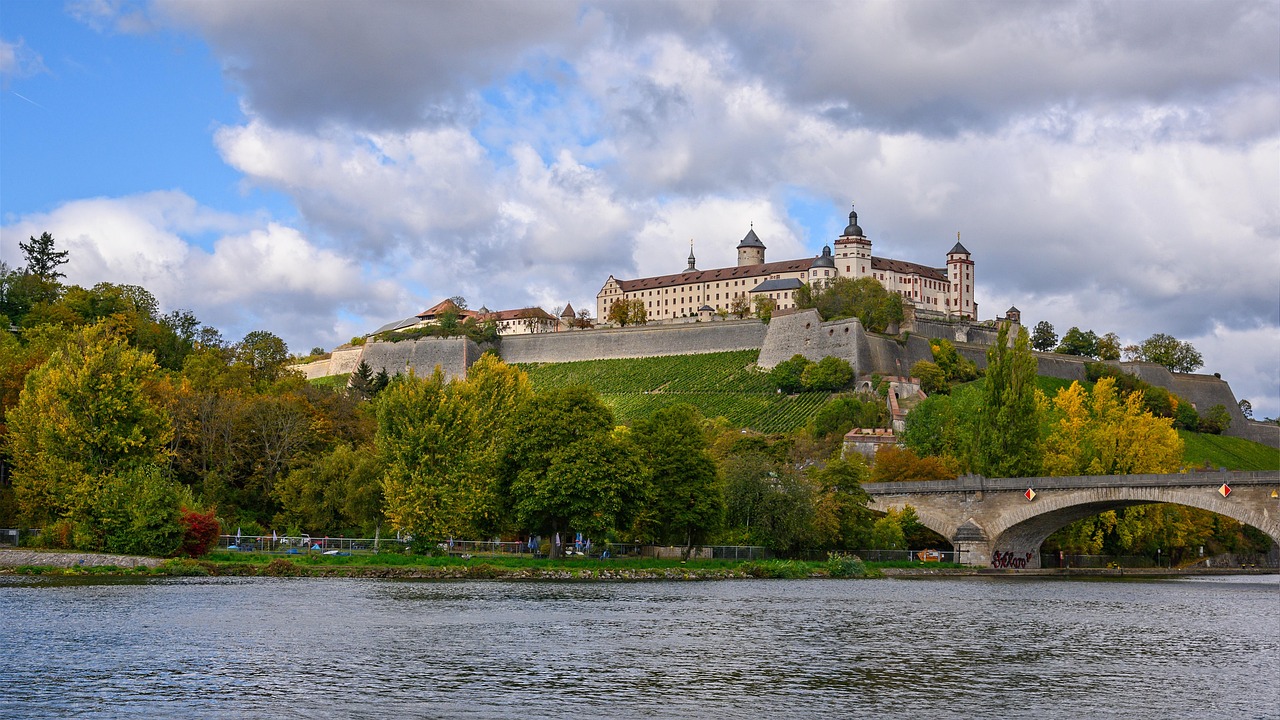
Perched above the Main River, the Festung Marienberg is both a fortress and a symbol of Würzburg’s resilience. There has been a fortification here since at least the early Middle Ages; later, it became the seat of the prince‑bishops before the Residenz was built.
I still get a small thrill walking across the drawbridge into the outer courtyard. The views from the bastions, especially toward the vineyards of the Würzburger Stein, are some of the best in town.
Family tip: Kids love the sense of exploration—walls, towers, and plenty of space to roam. Just keep an eye on younger ones near edges.
4. Alte Mainbrücke (Old Main Bridge)
The Alte Mainbrücke dates back to the 12th century (rebuilt in later centuries) and is lined with statues of saints and historical figures. It’s the heart of Würzburg’s social life, especially on warm evenings.
My ritual: grab a Brückenschoppen from one of the nearby wine sellers, find a spot near a statue, and watch the sunset light up the fortress and the red‑roofed old town.
Romantic tip: Come at blue hour, just after sunset, when the city lights reflect softly on the river.
5. Würzburg Cathedral (Dom St. Kilian)
The Dom St. Kilian is one of the largest Romanesque churches in Germany, originally founded in the 11th century. It suffered heavy damage in WWII and was rebuilt, so its interior mixes historical and modern elements.
I like to step inside for a few minutes of quiet whenever I pass through the city center. The cool interior, filtered light, and soft echoes of footsteps create a contemplative mood that’s a nice counterpoint to the busy pedestrian zone outside.
6. Neumünster & Lusamgärtchen
The pink‑fronted Neumünster church stands next to the cathedral and is associated with the missionary Saint Kilian. Behind it lies the small, enclosed courtyard of Lusamgärtchen, one of my quiet havens in the city.
The inner garden, with its ivy‑covered walls and old tombstones, feels almost hidden. I often bring a takeaway coffee here and sit for a few minutes when I need a break from sightseeing.
7. Marienkapelle & Marktplatz
On Würzburg’s Marktplatz, the red‑and‑white Gothic Marienkapelle dominates the scene. The square hosts a regular fresh market with produce, flowers, and regional specialties.
I love coming here in the morning, picking up fruit or a quick snack, and watching the city wake up. In December, the square transforms into a festive Christmas market with wooden stalls and warm lights.
8. Alter Kranen (Old Crane) & Riverfront
The Alter Kranen is an 18th‑century baroque crane on the river, once used for loading and unloading cargo. Today, it’s a picturesque landmark flanked by beer gardens and restaurants with outdoor seating.
This is a great spot for a casual meal with a view, especially if you like watching boats glide up and down the Main.
9. Museum im Kulturspeicher
Housed in a converted granary at the old harbor, the Museum im Kulturspeicher showcases modern and contemporary art, with a focus on regional artists and changing exhibitions.
On rainy days, I often escape here for a couple of hours. The building itself—brick and glass, with industrial touches—is a nice architectural contrast to the baroque center.
10. Würzburger Stein Vineyards
The Würzburger Stein is one of Germany’s most famous vineyard sites, rising steeply above the right bank of the Main. Wines from this slope—especially Silvaner—are prized for their minerality.
A walk through these vineyards is essential, especially in late afternoon when the light is soft. There are marked paths and occasional benches where you can sit and take in the panorama of the city and fortress.
11. Sanderau District
South of the center, Sanderau is a residential district with broad avenues, older apartment houses, and a lived‑in feel. It’s not on most tourist lists, which is why I like it.
Walk its tree‑lined streets, peek into local bakeries and small shops, and enjoy a calmer side of Würzburg life. It’s also a good area for more affordable guesthouses and apartments.
12. University of Würzburg & Student Quarter
The University of Würzburg, founded in 1402, is one of Germany’s oldest universities. The campus buildings are scattered across the city, but the area around the main building and student facilities has a youthful, energetic vibe.
I often wander here in late afternoon, when students spill out of lectures into nearby cafés and bars. It’s a good area to look for budget‑friendly lunch deals and casual nightlife.
13. Main River Promenade & Parks
Both banks of the Main offer pleasant walking and cycling paths, with parks, benches, and views of the city’s skyline (church spires and fortress rather than skyscrapers).
On sunny days, I love renting a bike and cruising along the river for an hour or two. You’ll pass families, joggers, picnicking groups, and the occasional fisherman.
14. Würzburger Mozartfest Venues
The annual Mozartfest (Mozart Festival) transforms Würzburg into a hub of classical music, with concerts held in the Residenz, churches, and other historic venues.
Even if you’re not a hardcore classical music fan, catching one concert—especially in the Residenz’s Imperial Hall—is a spine‑tingling experience. I still remember a chamber concert I attended there where the acoustics made every note feel immediate.
15. Smaller Churches & Chapels
Beyond the major churches, Würzburg is dotted with smaller chapels and parish churches, many rebuilt after WWII with a mix of old and new elements. I like ducking into these when I stumble upon them—each has its own character and often a quieter, more local congregation.
16. Traditional Weinstuben (Wine Taverns)
A Weinstube is a quintessential Franconian experience: wooden tables, low ceilings (often vaulted), shelves of wine bottles, and chalkboards listing the day’s pours.
I’ve spent countless evenings in these taverns, sharing long benches with strangers who inevitably become conversation partners. It’s where you get a real taste of local life and cultural experiences in Würzburg.
17. Weekly Markets & Seasonal Fairs
The regular produce markets on Marktplatz and other squares are a window into local agriculture: seasonal fruit, vegetables, cheeses, sausages, honey, and flowers.
I love grabbing lunch on the go here—fresh bread, cheese, maybe some cured meats—and making an impromptu picnic by the river.
18. Würzburg Christmas Market (Weihnachtsmarkt)
In late November and December, the city center turns into a cozy Christmas market with wooden stalls, twinkling lights, and the scent of mulled wine (Glühwein) in the air. It’s smaller and more manageable than some of Germany’s giant markets, which I find makes it more enjoyable.
I’ve been in Würzburg during snow flurries, sipping hot wine under the glowing Marienkapelle; those evenings feel straight out of a winter postcard.
19. Käppele (Wallfahrtskirche Mariä Heimsuchung)
The Käppele is a pilgrimage church perched on a hill, distinct from the fortress but also offering sweeping views. Designed by Balthasar Neumann, it’s reached by a staircase lined with small chapels depicting the Stations of the Cross.
It’s a bit of a climb, but the quiet, contemplative atmosphere at the top makes it worth it. I like going early in the morning when it’s almost empty.
20. Post‑War & Modern Architecture in the City Center
Würzburg was heavily bombed in 1945, and much of what you walk through today is a mix of reconstructed baroque facades and post‑war functionalist buildings. It’s not a skyline of skyscrapers, but rather church towers, rebuilt townhouses, and modern infill.
I find the contrast fascinating; knowing what was lost gives the surviving and restored buildings extra poignancy.
Neighborhoods & Areas to Explore in Würzburg
Altstadt (Old Town)
The Altstadt is where you’ll spend most of your time: pedestrian streets, churches, markets, and countless cafés and shops. It’s compact enough to cross in 15–20 minutes, yet dense with history.
Riverfront & Kranenkai
Along the Main, from the Alte Mainbrücke to the Alter Kranen and beyond, the riverfront is ideal for walks, picnics, and sunset views. In warm months, pop‑up bars and temporary terraces sometimes appear, especially for festivals.
Sanderau & Frauenland
South and east of the center, these residential neighborhoods offer a glimpse of everyday life: schools, playgrounds, older apartment blocks, and local bakeries. They’re calm, safe, and pleasant to wander.
Universitätsviertel (University Quarter)
Around the university buildings, you’ll find cheaper eats, bars, and a younger crowd. It’s a good area to experience student life and more alternative venues.
Local Food in Würzburg & Where to Eat
Franconian cuisine is hearty and pairs perfectly with the region’s wines. Over multiple visits, I’ve developed a few go‑to dishes and habits.
Must‑Try Franconian Dishes
- Schäufele: Roasted pork shoulder with crispy crackling, usually served with Kloß (potato dumpling) and gravy.
- Fränkische Bratwurst: Local sausages, often grilled and served with sauerkraut or in a roll (im Brötchen).
- Carp (Karpfen): In season, fried or baked carp is a regional specialty.
- Obatzda: Spiced cheese spread, perfect with pretzels and wine or beer.
- Seasonal Asparagus (Spargel): In spring, menus fill with white asparagus dishes.
Wine Culture
Wine is central to Würzburg’s identity. Look out for:
- Bocksbeutel: The distinctive rounded bottle used for many Franconian wines.
- Silvaner: Clean, mineral, often dry—my default choice with local dishes.
- Riesling & Müller‑Thurgau: Also widely produced and worth tasting.
Many wineries have tasting rooms in town; I like to visit in the late afternoon before dinner, when they’re lively but not yet crowded.
Saving Money on Food & Drink
Eating well in Würzburg doesn’t have to be expensive:
- Look for Mittagstisch (lunch specials) at restaurants—cheaper fixed menus.
- Grab picnic supplies at supermarkets or markets and eat by the river.
- Many bakeries offer hearty sandwiches and pastries that can stand in for a meal.
Nightlife, Entertainment & Cultural Experiences in Würzburg
Würzburg’s nightlife is more about cozy wine taverns, student bars, and cultural events than big clubs—but that’s exactly why I like it.
Wine Taverns & Pubs
In the old town and near the bridge, you’ll find numerous Weinstuben and pubs where locals gather after work. They tend to be informal and welcoming; it’s easy to strike up a conversation, especially if you speak a bit of German.
Student Bars & Live Music
Around the university areas, bars cater to students with cheaper drinks and occasional live music or DJs. Check posters and local listings for small concerts and events, especially in summer.
Classical Music & Theater
The city’s theaters and concert halls host a steady program of classical concerts, opera, and plays throughout the year. In 2026, the Mozartfest and other festivals are continuing to expand their programming.
Romantic Evenings
For couples, my favorite combination is: sunset on the Alte Mainbrücke, dinner in a vaulted wine tavern, then a slow stroll along the river or through the softly lit old town.
Best Day Trips from Würzburg
Thanks to its central location and rail connections, Würzburg is a great base for day trips. Beyond the big names like Rothenburg and Bamberg, here are a few ideas:
Franconian Wine Villages
- Randersacker: Close, scenic, easily reached by bus, bike, or even a long walk along the river.
- Sommerhausen & Winterhausen: Charming villages with narrow streets and multiple tasting rooms.
Romantic Road Towns
Towns like Rothenburg ob der Tauber and Bad Mergentheim can be reached in a day by train/bus or car, offering medieval streets, castles, and more half‑timbered architecture.
Nature & Hiking
The Main valley and surrounding hills offer hiking routes with vineyard and forest scenery. Ask at the tourist information office for up‑to‑date maps and suggestions; several trails start right from the edges of the city.
Major Events & Festivals in Würzburg (2026–2027)
Event schedules can shift, so always confirm dates closer to your trip, but here are recurring highlights expected in 2026–2027:
- Mozartfest Würzburg (late May–June): Germany’s oldest Mozart festival, with concerts in the Residenz and other venues.
- Kiliani Volksfest (July): A traditional fair with rides, beer tents, and food—great fun for families and groups.
- Wine Festivals (various summer dates): Local wineries and districts host Weinfeste, combining wine, food, and live music.
- Christmas Market (late Nov–Dec): On Marktplatz and surrounding streets, featuring crafts, food, and Glühwein.
In 2026, Würzburg is also continuing to expand its cultural programming around the Residenz and fortress, with more open‑air concerts and art events during summer evenings.
Cultural Etiquette & Local Customs in Würzburg
Understanding local customs in Würzburg will make your stay smoother and more enjoyable.
Greetings & Politeness
- Use “Guten Tag” (good day) or “Hallo” when entering shops or restaurants; say “Tschüss” or “Auf Wiedersehen” when leaving.
- A simple “Danke” (thank you) and “Bitte” (please/you’re welcome) go a long way.
Dining & Tipping
- It’s customary to tip about 5–10% in restaurants if service is good.
- In casual places, rounding up the bill (e.g., from 17.50 to 19€) is common.
- You usually tell the server what total you’d like to pay when they bring the bill and card machine or cash change.
Wine Culture
At Weinfeste and on the Alte Mainbrücke, drinking wine in public is normal and relaxed, but:
- Return glassware to designated spots; don’t leave glasses on the bridge or walls.
- Keep noise reasonable late at night, especially near residential streets.
Quiet & Sundays
Germany values quiet, especially in residential areas and on Sundays. Most shops are closed on Sundays (except some bakeries and tourist‑oriented businesses), so plan your shopping accordingly.
Practical Travel Advice for Würzburg
How to Get There
Würzburg is well connected by rail:
- From Frankfurt: Around 1 hour by ICE (high‑speed train).
- From Nuremberg: Roughly 1–1.5 hours.
- From Munich: About 2–2.5 hours.
The Hauptbahnhof is within walking distance of the center; trams and buses connect it to all major districts.
Getting Around Würzburg
- On Foot: The historic center is very walkable; you can cross it in about 20 minutes.
- Trams & Buses: Efficient, with frequent service. Day passes can save money if you use them several times.
- Bicycles: Great for the riverfront and nearby villages. Look for local bike rental shops or sharing schemes.
Car Rental & Driving
You don’t need a car inside Würzburg, but it can be useful for exploring rural Franconia and the Romantic Road.
- Foreign licenses: EU/EEA licenses are accepted without issue. Many other countries’ licenses (e.g., US, UK, Canada, Australia) are accepted for short stays; an International Driving Permit is recommended as a translation.
- Parking in the center is mostly in paid garages; follow signs to Parkhaus.
SIM Cards & Connectivity
In 2026, options are plentiful:
- eSIM: Many travelers use international eSIMs; they work well in Würzburg.
- Local SIM: Carriers like Telekom, Vodafone, and O2 offer prepaid SIMs; you can buy them at electronics shops, supermarkets, or carrier stores. Bring your passport for registration.
Money & Costs
Germany uses the euro (€). Cards are widely accepted, but some smaller places still prefer cash, so keep a bit on hand.
Compared to larger German cities, Würzburg is relatively affordable—especially for accommodation and food outside the most touristy spots.
Visa Requirements
Würzburg is in Germany, part of the Schengen Area. Visa rules depend on your nationality:
- Many travelers (including from the EU, UK, US, Canada, Australia, New Zealand, and others) can enter visa‑free for short stays (typically up to 90 days in 180).
- Others may require a Schengen visa obtained before arrival.
Always check current requirements with your local German embassy or official government website before traveling, as rules can change.
Best Seasons & What They’re Good For
- Spring (April–May): Blossoms in the Hofgarten, mild temperatures, fewer crowds. Great for walking and early wine events.
- Summer (June–August): Lively riverfront, outdoor festivals, long evenings on the bridge. Can be warm; bring light clothing and sun protection.
- Autumn (September–October): Vineyards turn golden, wine harvest season, cooler but pleasant. My personal favorite time to visit.
- Winter (Nov–Feb): Quieter, except for the Christmas market period. Cozy evenings in wine taverns; pack warm layers.
Where to Stay & Saving Money
For most visitors, I recommend:
- Altstadt: Best if you want to walk everywhere and be near the main sights.
- Sanderau or Near the University: Slightly cheaper, more local feel, still convenient by tram or a longer walk.
To save money:
- Consider apartments or guesthouses a bit outside the core, especially for longer stays.
- Use lunch specials and picnics to cut food costs.
- Check regional train tickets (e.g., Bavaria or regional day passes) if doing multiple day trips.
Hidden Tips from Repeated Visits
- Early morning fortress walk: Hike up to Festung Marienberg before 9:00; you’ll often have the paths almost to yourself.
- Bridge at off‑times: Visit the Alte Mainbrücke mid‑morning on weekdays for photos without crowds.
- Rainy‑day backup: Keep the Residenz, Kulturspeicher, and cozy Weinstuben in mind for wet weather.
- Market snacks: Instead of a full restaurant lunch, build a meal from market stalls and bakeries; it’s cheaper and fun.
- Learn a few German phrases: Even basic greetings and thank‑yous open doors and smiles, especially in more local spots.
Summary & Final Recommendations for Visiting Würzburg
Würzburg is a city that reveals itself in layers: the obvious beauty of the Residenz and fortress, the social heart on the Alte Mainbrücke, the quiet corners of Lusamgärtchen and hidden courtyards, and the golden vineyards above it all. After many visits, I still find new alleys to wander and new vintages to taste.
For most travelers, a 3 day itinerary for Würzburg covers the essentials beautifully. If you can, stretch to 4 days to add a wine village and more lingering, or go for 5 days in Würzburg to use it as a base for day trips along the Romantic Road or to Bamberg.
The best seasons to visit Würzburg are spring (for blossoms and mild weather), late summer (for lively riverfront evenings), and autumn (for vineyard colors and wine festivals). Winter is quieter but atmospheric, especially during the Christmas market.
However long you stay, take time to slow down: stand on the bridge with a glass of wine, watch the light change on the fortress, wander without a map through the old town. That’s when Würzburg stops being just another stop on an itinerary and becomes a place you’ll want to come back to—just as I always do.